Remco Evenepoel’s Tour de France Climbing Gains Face a Bigger Test in 2027
Evenepoel finished second in his first Tour with Red Bull, but climbing, pacing and preparation remain questions ahead of a time trial heavy 2027 race.
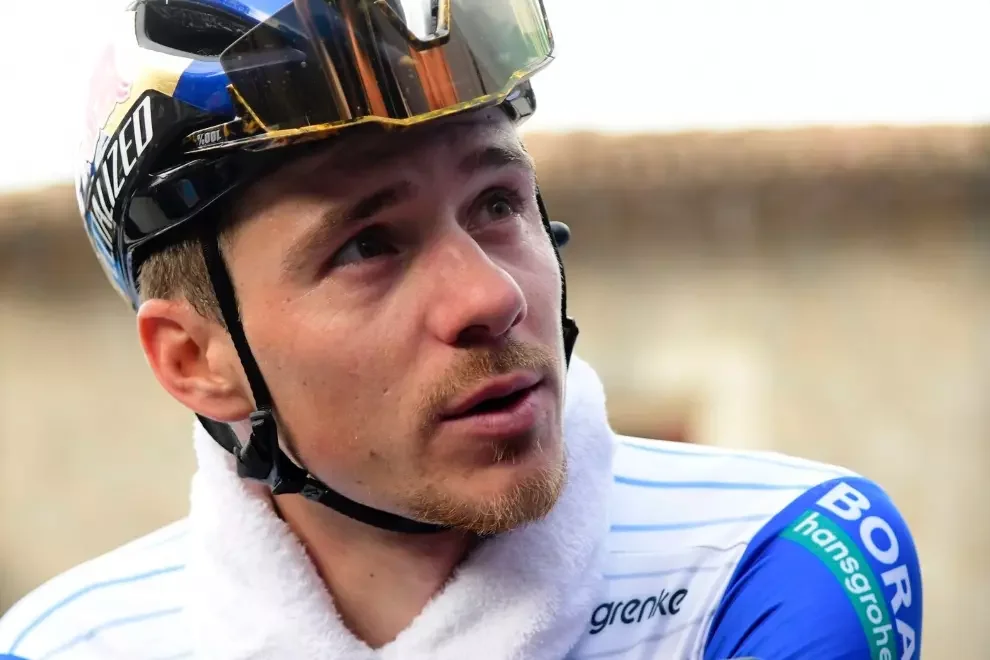
Remco Evenepoel’s second place in the 2026 Tour de France marked his best result in the race, but it doesn’t settle the question that will shape his next attempt: can he climb with the strongest contenders when the road tilts upward? He finished 6:26 behind Tadej Pogačar, and Jonas Vingegaard’s crash exit affected the contest. Evenepoel’s result was a step forward, yet the mountain stages showed how much work remains.
Red Bull–BORA–hansgrohe had made climbing a central focus of his preparation. Evenepoel spent 68 days without racing before the Tour and lost nearly 4 kilos, about 8.8 pounds. He said the weight change didn’t reduce his power. During the race, however, he was often dropped on major climbs and used flatter or descending roads to reconnect with other general classification riders. His stage 15 win came after Pogačar, who had been riding on his wheel, let him take the stage.
A season with clear highs and unresolved questions
Evenepoel’s first year with Red Bull mixed important wins with results that left room for scrutiny. He took the Amstel Gold Race and several smaller races early in the season, then placed third at the Tour of Flanders and Liège-Bastogne-Liège. His Tour runner-up finish was followed by a strong late-season run: victory at the Grand Prix Cycliste de Québec, a fourth consecutive time trial world championship, and the European road race title.
There were harder days, too. He finished 12th in the world championship road race and fourth at Il Lombardia, 1:20 behind Paul Seixas of Decathlon CMA CGM. He also placed 10th at the UAE Tour, 2:08 behind Isaac del Toro. Evenepoel described the season as “Long, but overall beautiful,” and said its good stretches outweighed the poor ones in comments to Het Laatste Nieuws.
He singled out the world championship road race and Il Lombardia as disappointments, and said he hadn’t felt good at the UAE Tour. After those late-season results, he chose to add a training ride lasting more than seven hours, despite other riders winding down. He felt he had faded in the final hour of both the world championship race and Il Lombardia. Riding in the European champion’s jersey also lifted his morale, he said.
Preparation and pacing are both in focus
Evenepoel plans to begin racing later in 2027 than he did this year. His January races in Mallorca helped him settle into a new team and establish himself, but he says the next season will follow a different schedule. He intends to use the training approach he followed the previous year, with more carefully planned preparation periods before his biggest goals.
His coach, Tim Heemskerk, said getting Evenepoel’s weight down after the Classics took considerable effort, while also saying the rider benefited from the change at the Tour. Heemskerk sees weight as an area to keep working on as Evenepoel measures himself against Pogačar, del Toro, Seixas and other leading riders. That work will need to fit around the season’s demands: the Tour result suggests that a lighter build alone won’t guarantee he can stay with the best climbers.
Heemskerk also pointed to how Evenepoel handles hard training. He called him a “training animal,” but said the rider can push too hard during VO2 max sessions when he feels strong. His example was direct: if a workout calls for 450 watts, there’s no need to ride at 500 or 600. The distinction matters because a session that regularly exceeds its target can become a different kind of training from the one planned. For Evenepoel, managing effort may be part of arriving at the Tour ready to sustain his best work over several weeks.
A time trial opportunity, with climbing still to prove
The 2027 Tour’s reported 71 km of flat time trialling and less climbing than usual could suit Evenepoel. In the 2026 Tour time trial, he beat Pogačar by 28 seconds over 26.1 km. That makes the longer time trial distance a potential source of time, though it doesn’t remove the need to limit losses in the mountains. Even a substantial gain against Pogačar in the time trials might not decide the race on its own.
There’s a useful comparison in Evenepoel’s two completed Tours. In 2024, he finished more than nine minutes behind Pogačar. The 2026 result narrowed that gap, but Pogačar also spent several stages supporting teammate del Toro, a factor that complicates a direct comparison. Evenepoel has reasons to believe he can keep improving, and his open assessment of both good and poor performances gives a clear sense of the work he thinks lies ahead. The 2027 route may offer an unusually favorable chance; the next test is whether better preparation and steadier pacing can turn that opportunity into mountain consistency.