Gravel Cycling’s Next Test: Keeping Adventure in a Growing Sport
Nannup’s 2026 world championships showed gravel’s competitive reach—and raised questions about athlete support, access and the local rides that built the sport.
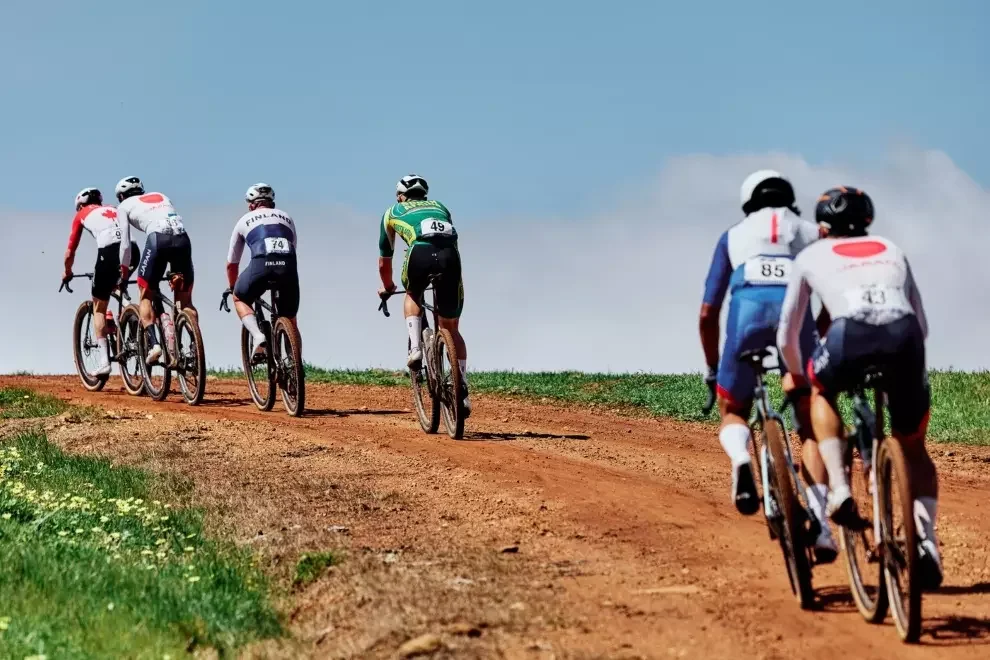
The 2026 Gravel World Championships put Nannup, Western Australia, on cycling’s international stage. The racing was sharp, the terrain unpredictable and the winners memorable. The bigger test for gravel now is whether its expanding competitive scene can leave room for the curiosity and openness that drew so many riders to unpaved roads.
For its first championship held outside Europe, the event brought a global field to the Blackwood Valley. Nannup’s forests, farmland, rolling hills and gravel roads provided a fitting setting for a discipline that has become far more than an informal alternative to road racing. The women’s title went to Marianne Vos, making her the first rider to win the gravel world title twice. Denmark’s Magnus Bak Klaris took the men’s race in a four-rider sprint.
Those results mark real sporting progress. Gravel has its own specialists, a growing international calendar and a championship that attracts the world’s best. But wider reach brings practical questions: who can afford to compete, what kind of events should the sport encourage, and can elite racing grow without setting the terms for every other kind of gravel ride?
A discipline with room to roam
Cyclists have travelled unpaved roads for generations. The modern gravel scene took shape in the 2000s, when organised events in the United States, including Unbound Gravel, turned rural dirt roads into destinations for riders looking for a different kind of race and ride.
The appeal was broad. Gravel offered routes away from traffic, a chance to see unfamiliar places and the satisfaction of a long ride without requiring a professional team or a tightly controlled race plan. At the same event, an elite racer might share the course with a bikepacking enthusiast or someone simply drawn to the idea of riding 160 kilometres through the countryside. That mix remains a defining strength.
The calendar now reflects the discipline’s scale. The 2026 UCI Gravel World Series features 45 events across multiple continents, with qualification opportunities for the World Championships. Specialist bikes, wider tyres, off-road equipment and dedicated teams have also helped establish gravel as a substantial part of cycling. The discipline’s roots may reach deep into cycling’s past, but its organised form is still developing.
More events can mean more chances to race. Equipment designed for rough roads can make long days more comfortable, and a world title gives the top riders a shared goal. Those gains don’t require gravel to give up its variety. The challenge is to make sure the sport’s growing structure supports more ways to ride, rather than narrowing the idea of what counts as success.
Racing that still rewards handling
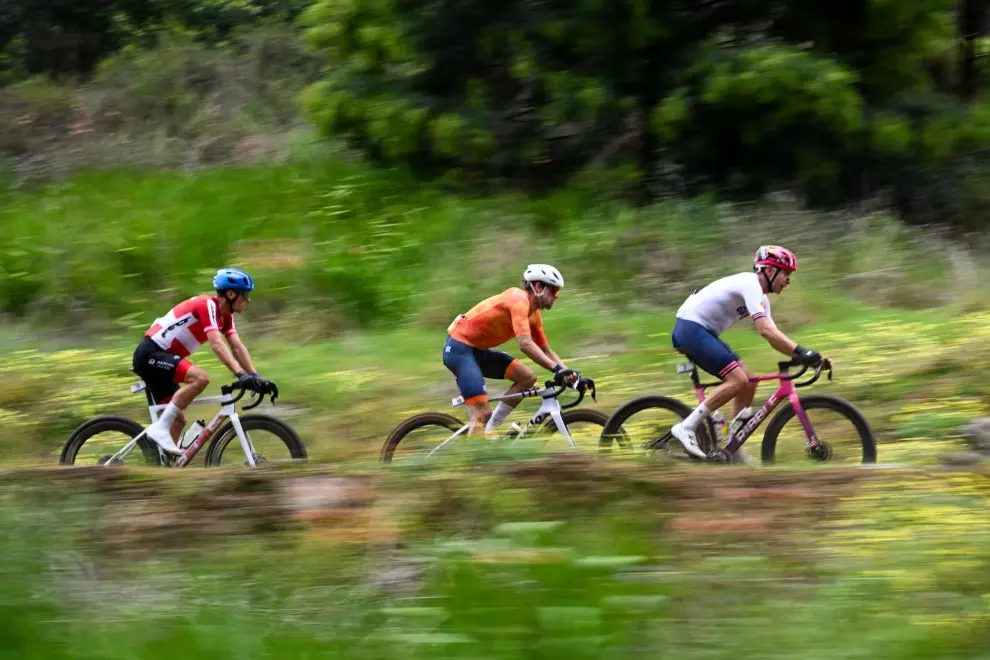
Nannup showed why gravel racing can’t be reduced to power numbers. The women’s course covered 125.6 kilometres, with climbs, technical sections and slippery conditions putting bike handling and sound judgement alongside fitness. The decisive moves came late, when riders had to read the terrain and position themselves as well as manage their effort.
Home rider Tiffany Cromwell animated the race with a solo attack, but the move was caught. German gravel specialist Rosa Klöser, a former Unbound Gravel 200 winner, then emerged as Vos’s main rival. The pair pulled clear, and Klöser repeatedly tested Vos on the climbs. Vos stayed with her before attacking in the closing kilometres.
Klöser crashed on a slippery section while trying to respond, then recovered to finish second, 27 seconds behind. Vos won in 4:30:04; Larissa Hartog took third. The outcome added a second gravel world title to Vos’s record, while the race showed how rapidly conditions can change the shape of a contest on loose, technical ground.
The men’s finish came down to a sprint between four riders. Bak Klaris beat defending champion Florian Vermeersch, Britain’s Connor Swift and teammate Mads Würtz Schmidt. His win also underlined the depth of gravel’s own talent pool. The discipline has drawn established road and mountain bike racers, but it is developing riders whose experience on loose surfaces and in long, uncertain races is central to their results.
That combination gives gravel racing its edge: it is increasingly professional, yet the course can still disrupt a plan. Elite competition can sharpen the sport without making every ride a race.
Global reach, uneven support
Taking the championship to Australia brought international attention to a region that many cycling fans may not have considered visiting. Nannup, a town of around 1,000 people, welcomed thousands of cyclists and spectators. Local businesses reported a substantial rise in activity, and community leaders hoped the event would bring more visitors to the area’s riding opportunities.
For competitors travelling from far away, however, the event also carried a high cost. Cycling Weekly reported that British riders received no financial or operational support from British Cycling for the championship because gravel isn’t an Olympic discipline. Some had team assistance; others paid their own way.
That gap is a reminder that the growth of sponsorship, media attention and commercial opportunities doesn’t automatically provide support to every athlete. A championship can reach the other side of the world while some of the riders taking part shoulder much of the expense themselves. If the sport wants a deeper international field, the practical costs of travel and racing deserve attention alongside the spectacle.
Keep more than one version of gravel
There’s no need to choose between elite racing and everyday adventure. Gravel already holds both: world championships and mass-participation events, ultra-distance challenges, local races, bikepacking trips and weekend rides without timing chips. They overlap, but each offers a different reason to set out.
For one rider, the draw is lining up against the world’s best. For another, it’s covering 80 kilometres with friends, stopping for coffee and taking a turn down an interesting-looking road. Neither has to serve as a stepping stone to the other. A healthy gravel scene can support high-level racing while keeping local events and informal rides valuable in their own right.
The pressure comes when professional results become the default yardstick. More specialised frames, wheels, tyres, clothing, nutrition and technology give racers tools to meet the demands of the course. They can also make newcomers wonder whether participation requires a major equipment spend. A discipline valued for freedom should keep its entry points visible and welcoming.
Gravel is accessible, but that doesn’t mean it’s easy. World champion Kasia Niewiadoma-Phinney has spoken about the unexpected difficulty of gravel racing, which can challenge the idea that it’s simply a more relaxed form of road racing. Its combination of broad participation and demanding competition is worth preserving.
Build the next chapter around its communities
That starts with access: the cost of entry, equipment and travel, as well as the support available to developing riders. It also means ensuring that elite racing strengthens the local events and communities that keep the wider scene alive. A global series can draw attention, but the sport’s everyday health depends on riders having places to participate at home.
Events should also retain their differences. A fast, technical European race, a long American dirt-road classic and a remote Australian ride needn’t share one template. The World Championships can offer a competitive benchmark without turning every event into a smaller version of the same race.
Nor should participation be treated only as a route into professional racing. Some riders will pursue international competition; others will be happiest with a local start line, a bikepacking route or an unplanned turn onto a back road. All of those experiences belong in gravel.
Nannup made the sport’s progress visible: Vos’s second title, Bak Klaris’s sprint victory and a global field racing through Western Australia. Gravel now has established champions, a wide calendar and a growing commercial ecosystem. The next measure of its success will be whether that growth also supports athletes, keeps local rides thriving and leaves room for discovery. A gravel road’s promise isn’t that it will take you there faster; it’s that you might find somewhere unexpected along the way.
The post Gravel Has Officially Grown Up. Now What? appeared first on Škoda We Love Cycling.