Nike Air Max Ecstasy Plus Brings a Y2K Running Shoe Back for $180
The Air Max 2000 returns as the Ecstasy Plus in black and metallic silver, with its original layered upper and visible Air cushioning.
Nike is bringing a deep cut from its running shoe archive into the present: the Air Max 2000 returns as the Air Max Ecstasy Plus, keeping the silhouette’s defining features while dropping the year from its name. The US mainline release is set for October 28 at 10 a.m. ET, with both colorways priced at $180. The name change gives the shoe a cleaner way back into the catalog, but the design’s appeal still depends on whether shoppers recognize something compelling in its early-2000s proportions.
 Nike
A forgotten shape from Nike’s experimental era
The original Air Max 2000 emerged around the turn of the millennium, when Nike was exploring technical fabrics, layered uppers and elaborate cushioning. It never reached the broad recognition of the Air Max 1, 95 or 97, designs whose names have become familiar shorthand for the wider Air Max line. That obscurity is part of the appeal now: this release returns a less familiar branch of the family, rather than revisiting one of its best-known designs. For longtime collectors, that makes the shoe a different kind of archival reference point.
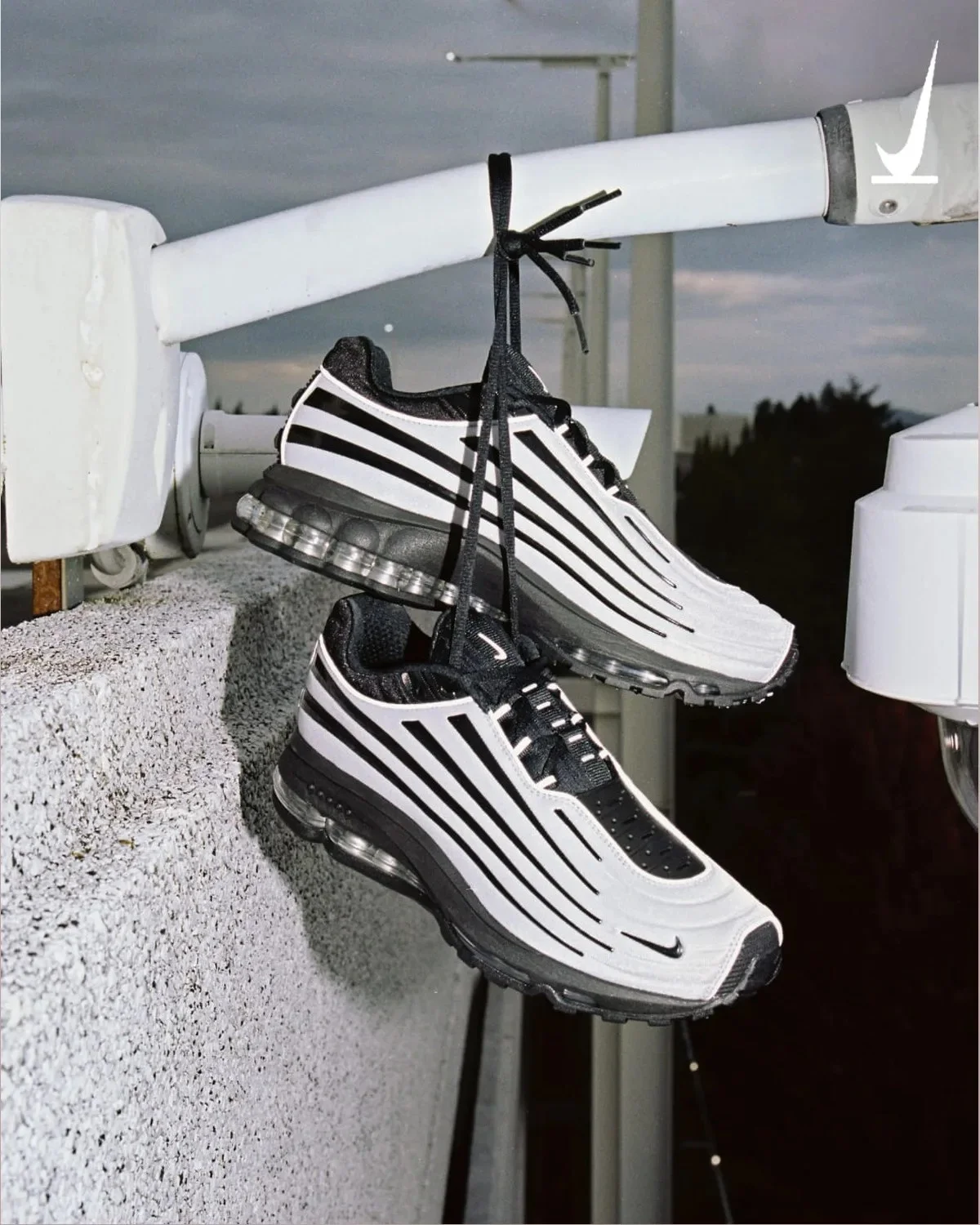
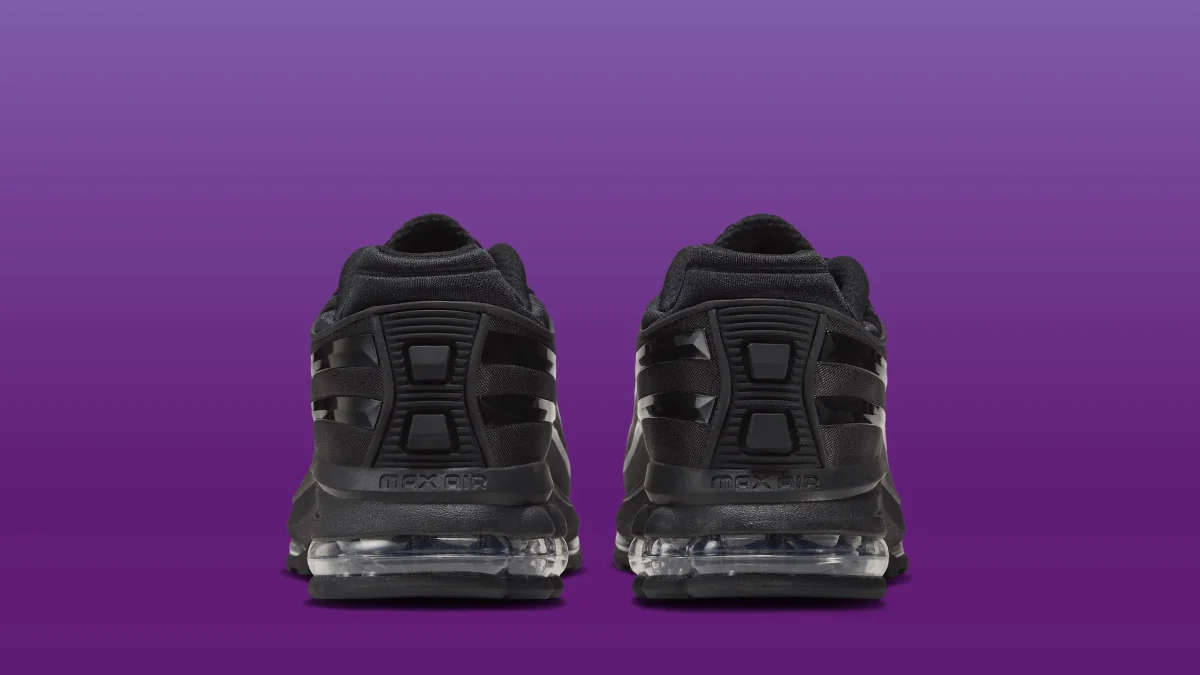
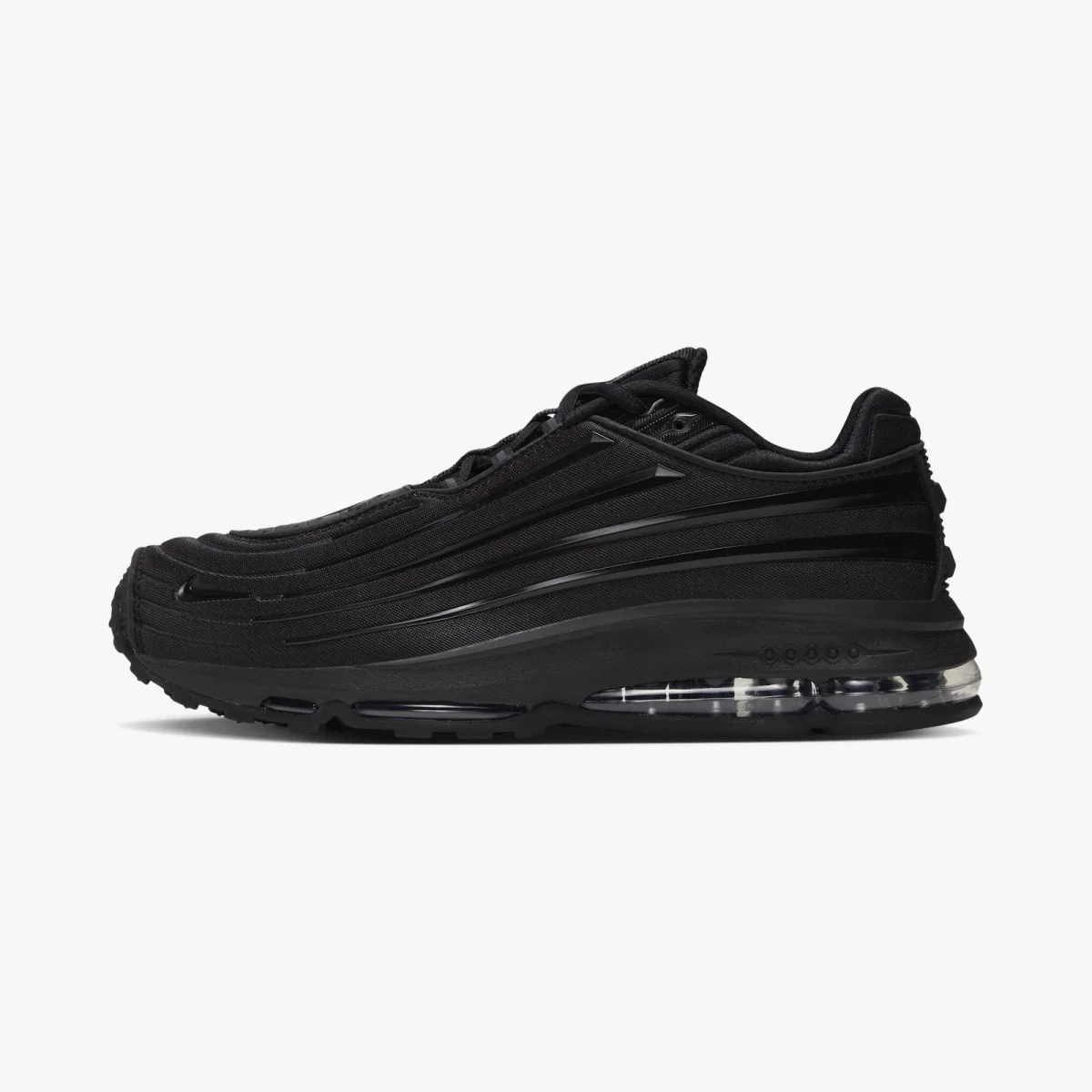
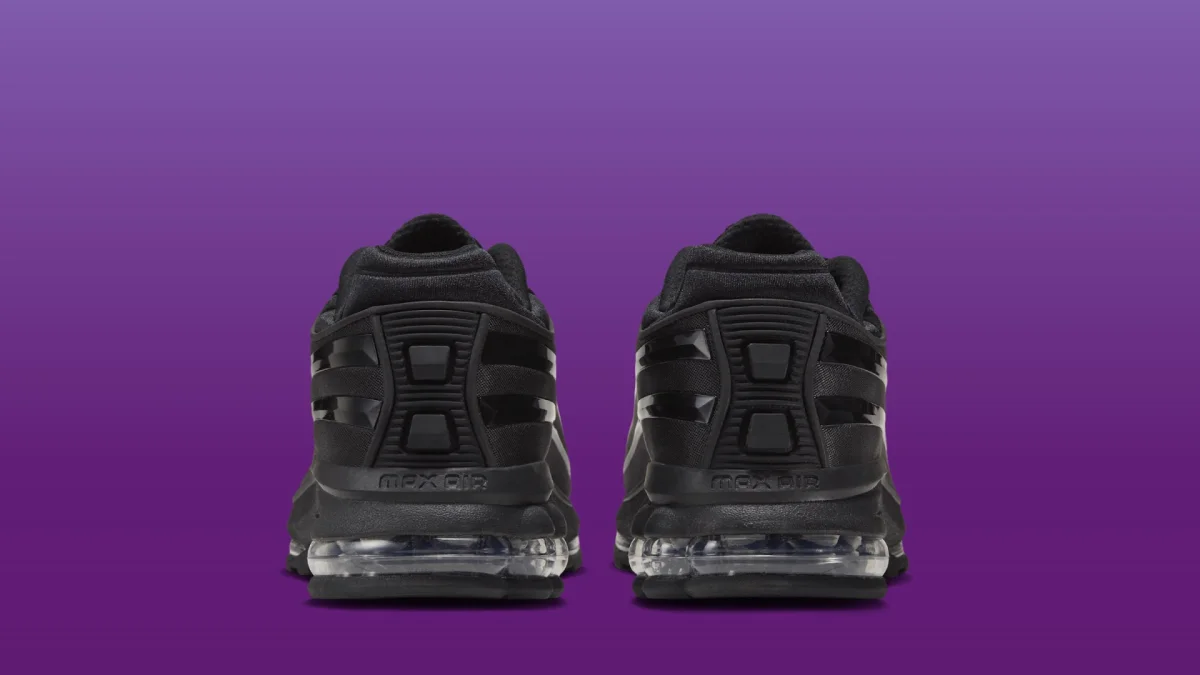
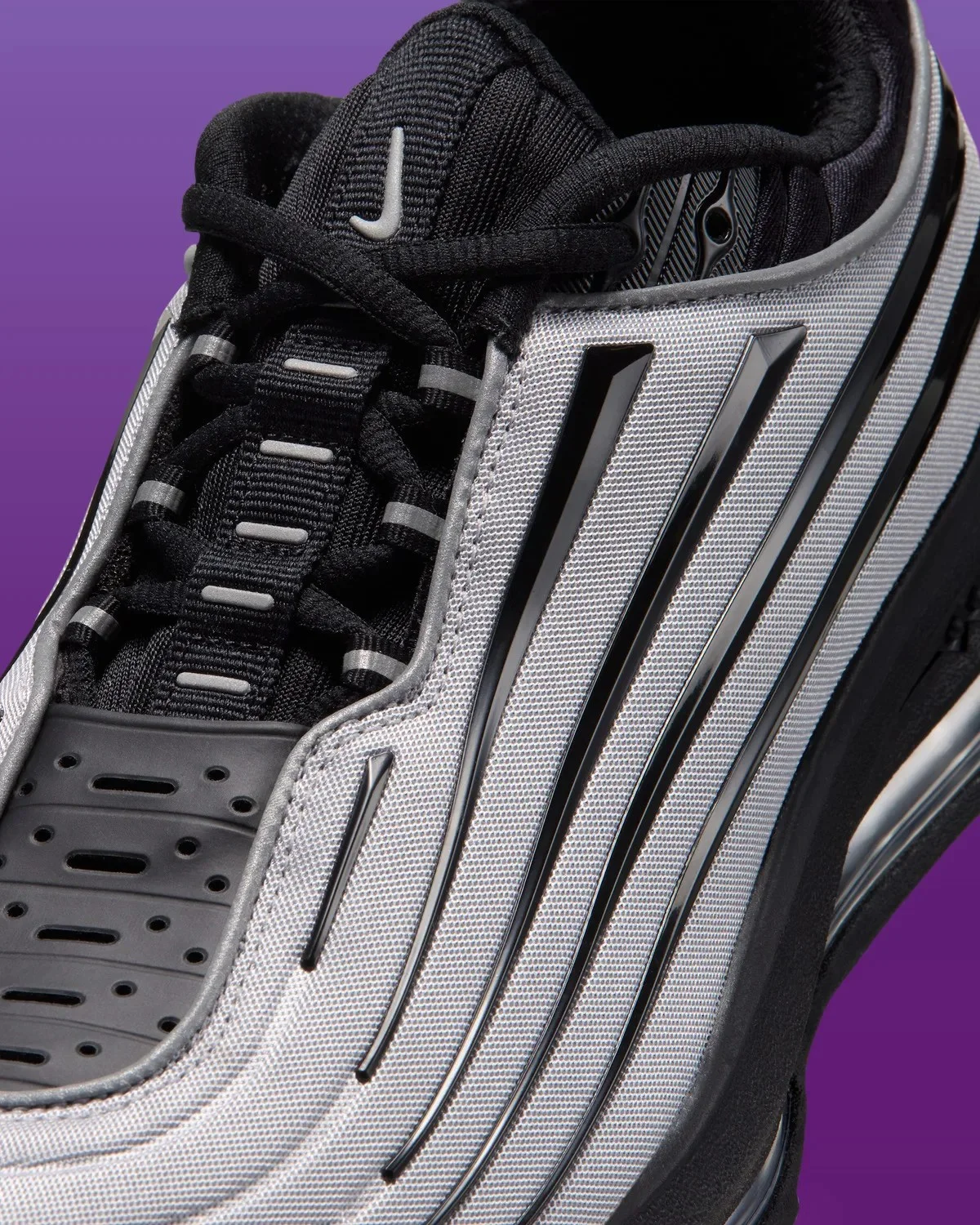
The Ecstasy Plus is also a direct link to Nike’s Alpha Project period. Its horizontal TPU strips give the upper a stacked, skeletal appearance, while low-profile mesh keeps the shoe connected to its running origins. A sculpted midsole holds two visible Air units, placing the cushioning in plain view as part of the design. The construction remains essentially the same as the Air Max 2000 that debuted more than 25 years ago, so the reissue’s story rests on preservation rather than a new technical direction.
That construction makes the reissue a notable archival return, though the source provides no new technical claims about its performance. Visible Air cushioning and a mesh upper are design details; they don't establish how the shoe will feel on a run or how it compares with current running footwear. That distinction matters because a running shoe’s appearance can outlast the context in which it was made. The Ecstasy Plus is easiest to assess as a revival of a specific design, with its actual suitability for running still an open question. Its clearest draw is the silhouette, which looks especially at home amid renewed interest in Y2K styles.

Two colorways, one original design
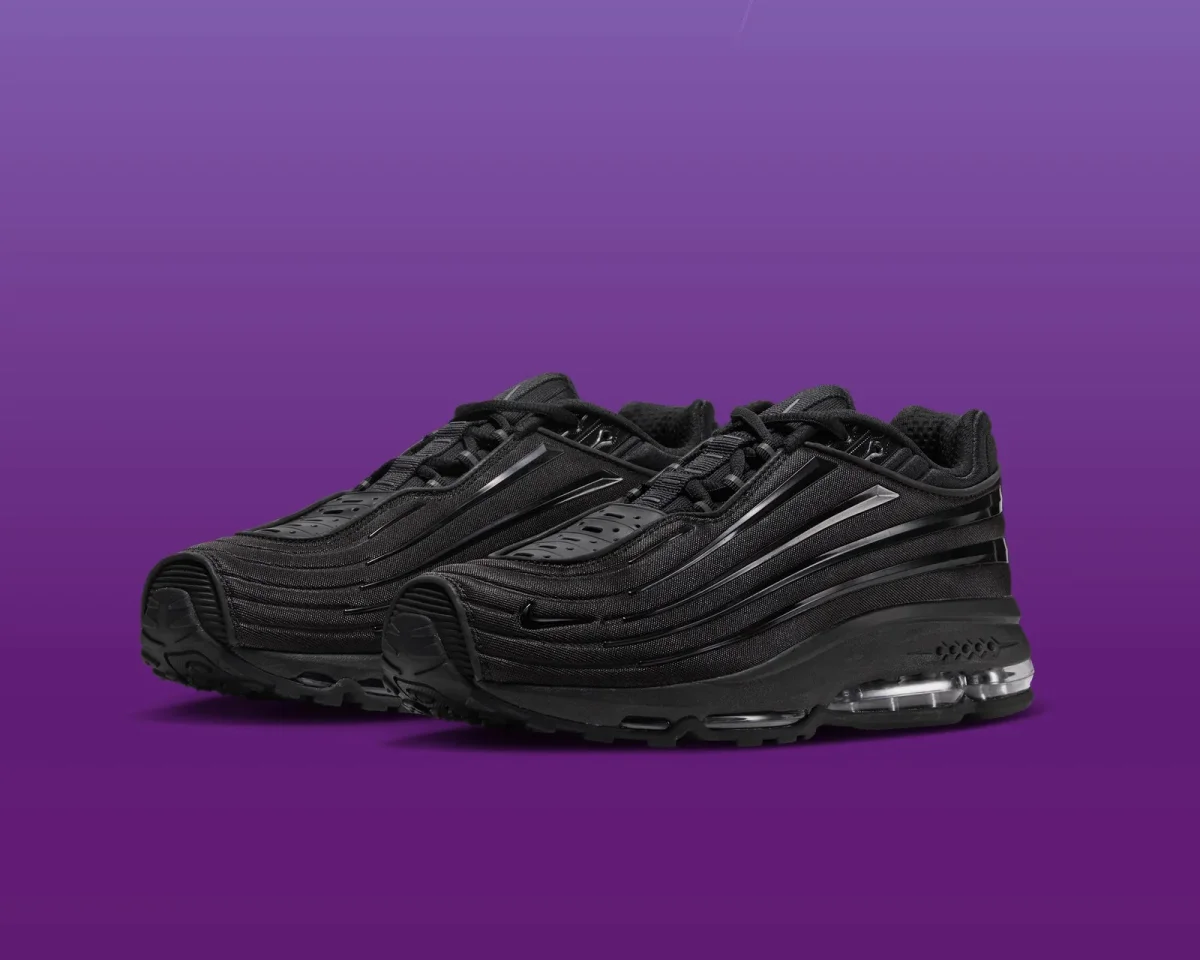
Nike has chosen two distinct takes on the shape. The all-black version keeps the layered upper relatively restrained, with the structure and cushioning visible through shifts in material and finish. It lets the ribbing and paneling do the work without adding a strong color contrast. Metallic silver leans into the era’s brighter visual language, using its contrast and surface details to make the shoe’s framework more prominent. The choice is less about a different design than about how much attention its design gets.
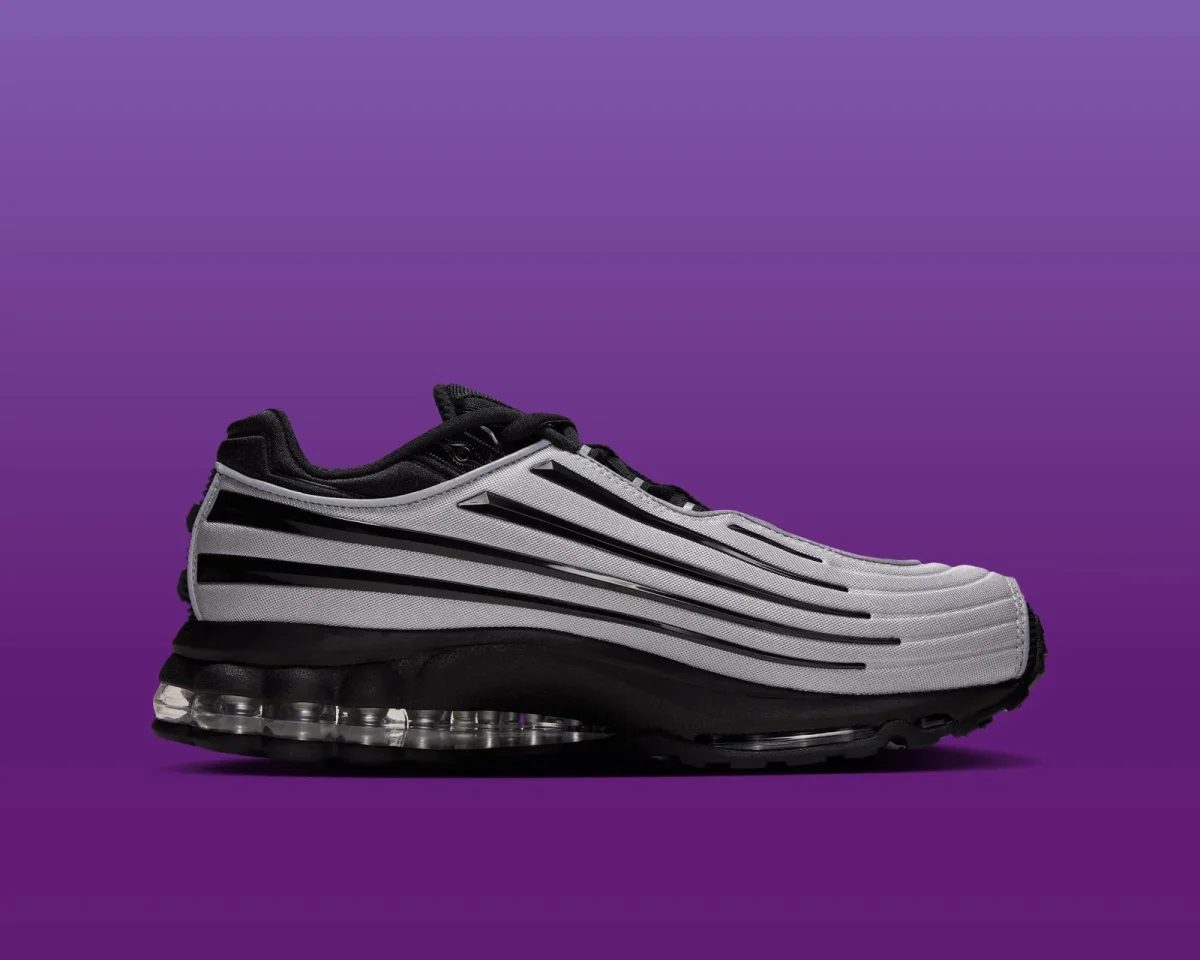
There is a small but meaningful distinction in how Nike is presenting the shoe. A limited-edition Supreme exclusive appeared the previous summer, but the Ecstasy Plus marks the silhouette’s first mainline release in the US. That gives the new release a wider place in Nike’s regular lineup, though it doesn’t by itself tell us how widely available the shoes will be. Renaming it removes the date-specific label without substantially changing the design, giving the old runner a fresh point of entry for people who missed it the first time. Here's the thing: a new name can help a reissue find an audience, but the underlying shape still has to make the case.
Release details
The Air Max Ecstasy Plus arrives October 28 at 10 a.m. ET in all-black and metallic silver, for $180 per pair. The source lists Nike as the retailer for both versions. For buyers choosing between them, the decision is largely visual: black tones down the shoe’s busy construction, while silver emphasizes the futuristic look that defined its original moment. If you're considering a pair, the release details settle the basic when, where and price, but they don't answer questions about fit or day-to-day comfort.

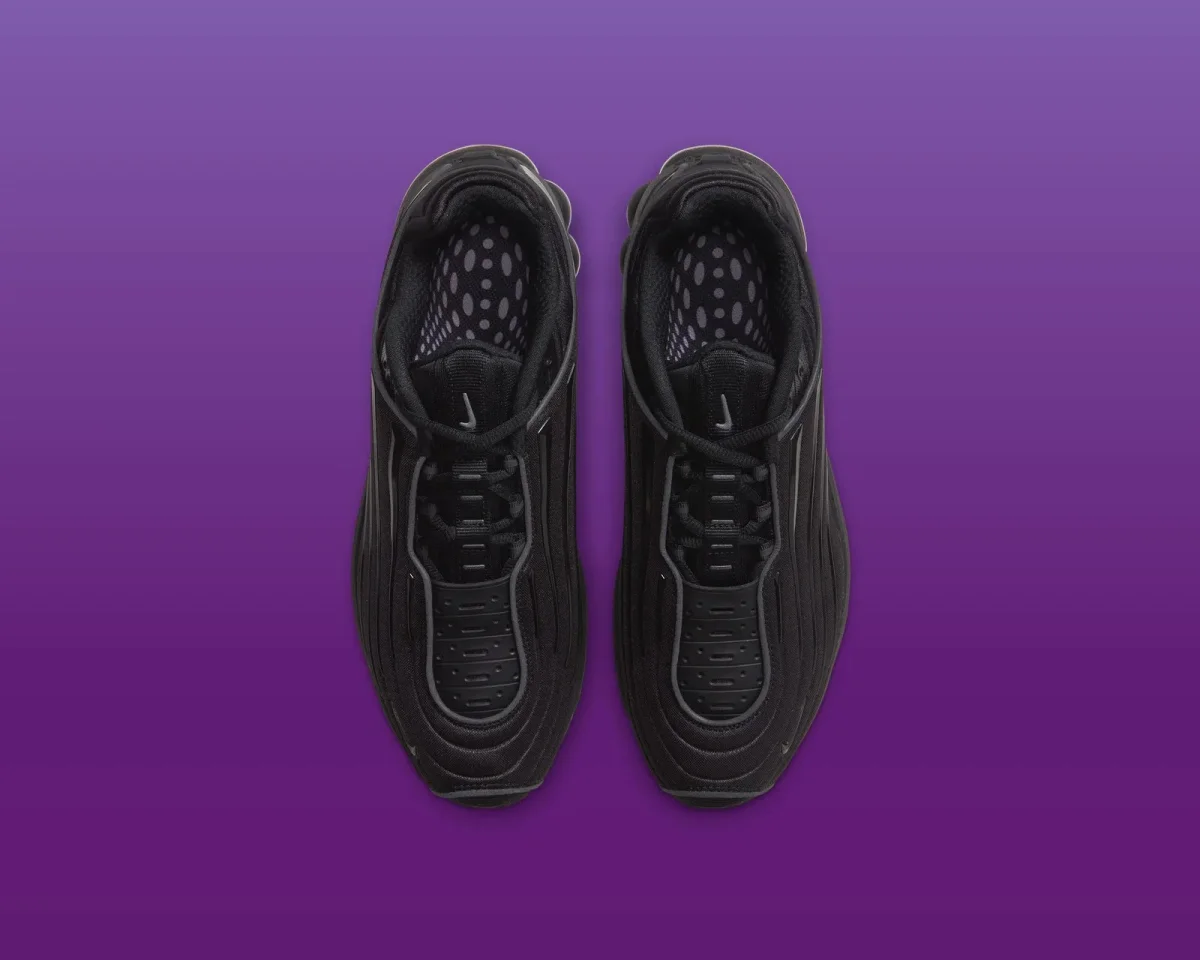
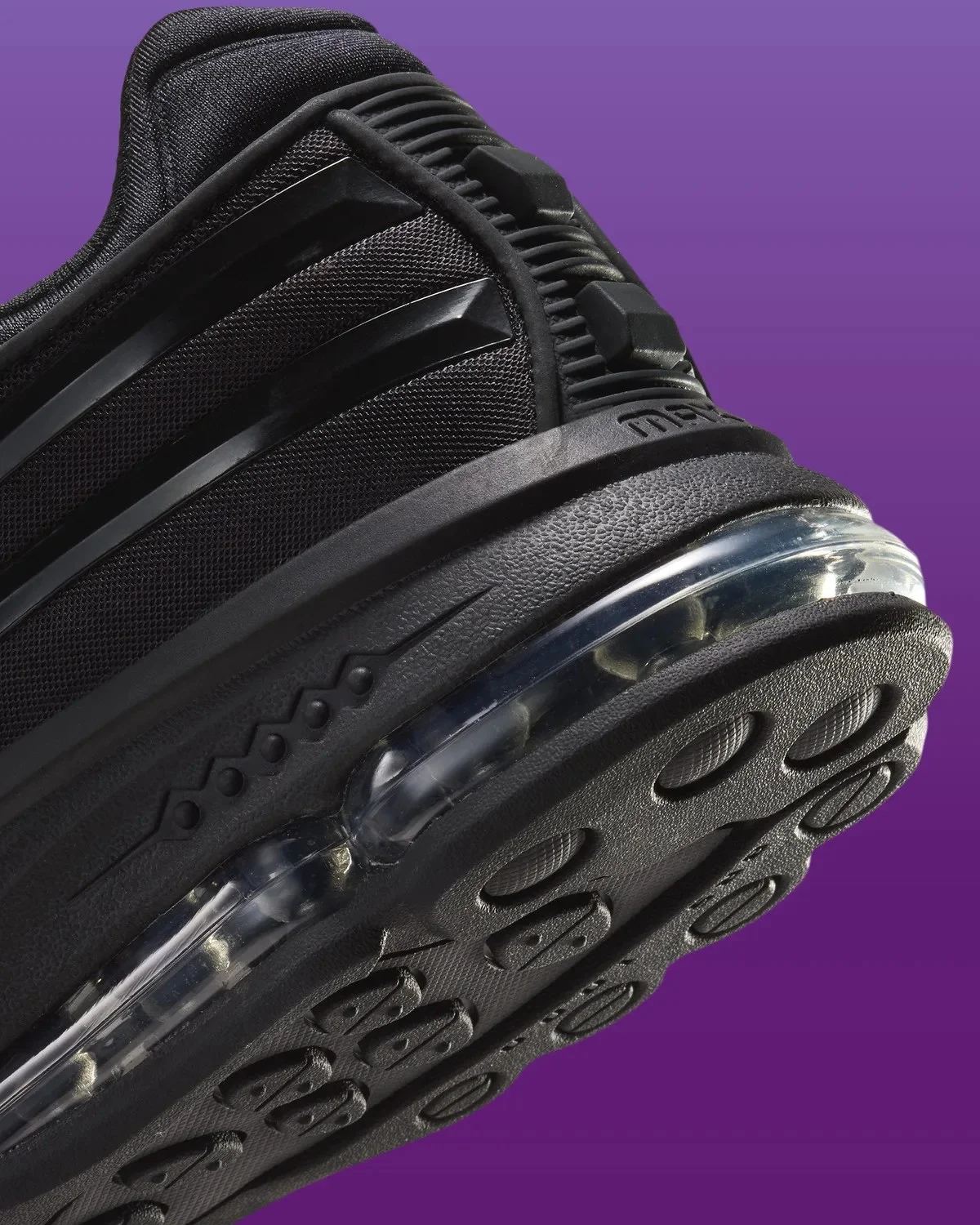
For sneaker collectors, the release offers a chance to see an overlooked Air Max design return with its original character intact. For anyone considering it as a running shoe, the available details support a closer look at fit and intended use before purchase; the source doesn't provide those specifications. A visible cushioning unit may invite comparison with modern running models, but looks alone can't settle that comparison. The strongest case here is the archival one: a distinct turn-of-the-millennium runner, back in two colorways that show its design from opposite angles.
What the return says about the archive
This is more significant than it looks, though the significance is mostly cultural. Bringing back a less familiar model lets Nike draw from a period when the Air Max line was testing more layered, visibly technical forms. The Ecstasy Plus can appeal to shoppers who want a recognizable lineage without choosing one of the line’s most established silhouettes. And yet, archival status isn't a performance claim. The design’s running roots are clear, but the information here doesn't establish how the shoe works for today’s training.
For the release to matter beyond a short-lived return, buyers will have to respond to the shape itself and the way Nike has positioned it. The two colorways offer different readings of the same construction, while the mainline release gives the model a new opening in the US. The shoe’s reception may also show how much interest there is in Air Max designs that sit outside the familiar classics. A recognizable name helps. A distinctive profile helps more.
For collectors, the appeal is straightforward: a deep cut is back in a form that keeps its original character. For runners, the sensible next step is to seek fit and use details that aren't included here. A revival with a clear point of view. That’s the pitch.