RV Trailer or Motorhome? Compare Costs, Driving and Camp Setup
Compare trailer and motorhome costs, driving, setup and space to find the RV that fits your travel style and plans.
Start with how you travel
The choice between a towable RV and a motorhome shapes more than the drive to camp. It affects what you’ll spend, how you move around once you arrive, how much space you get and what happens when a vehicle needs repairs. My read: the best fit depends on your existing vehicle, comfort behind the wheel and how often you plan to change campsites.
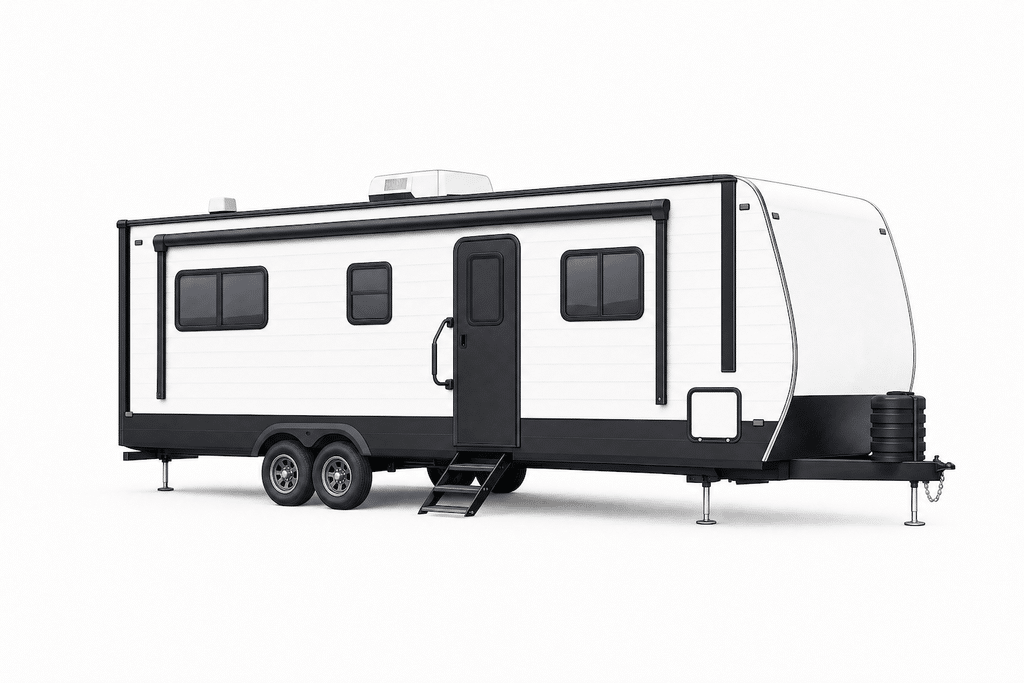
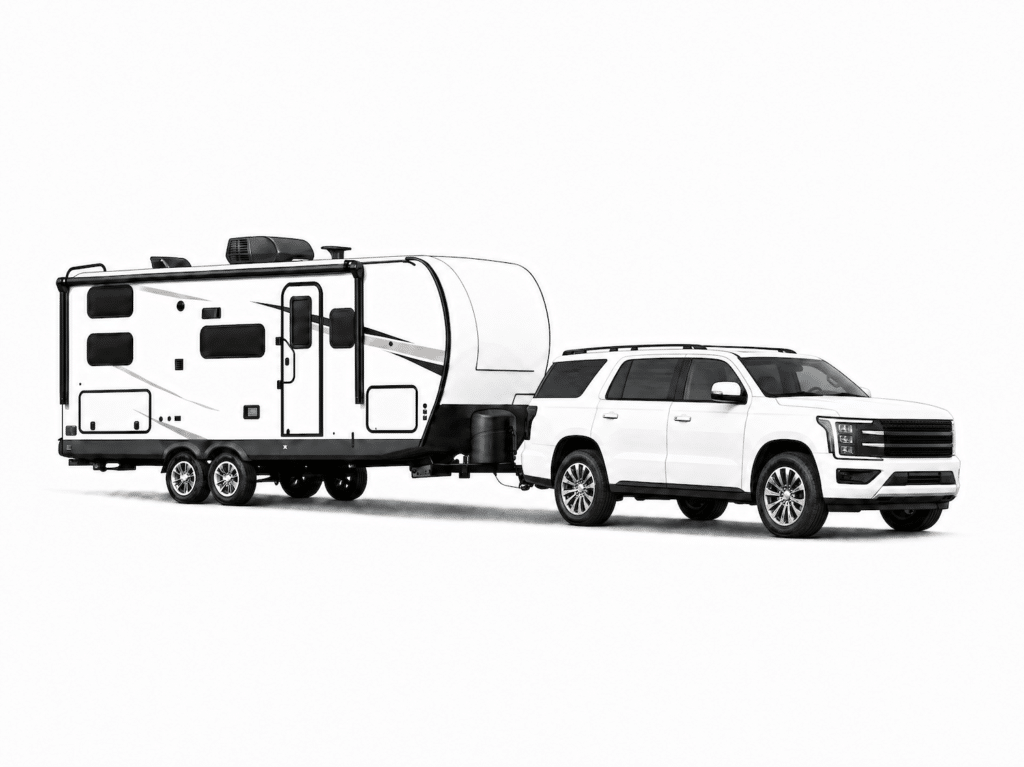
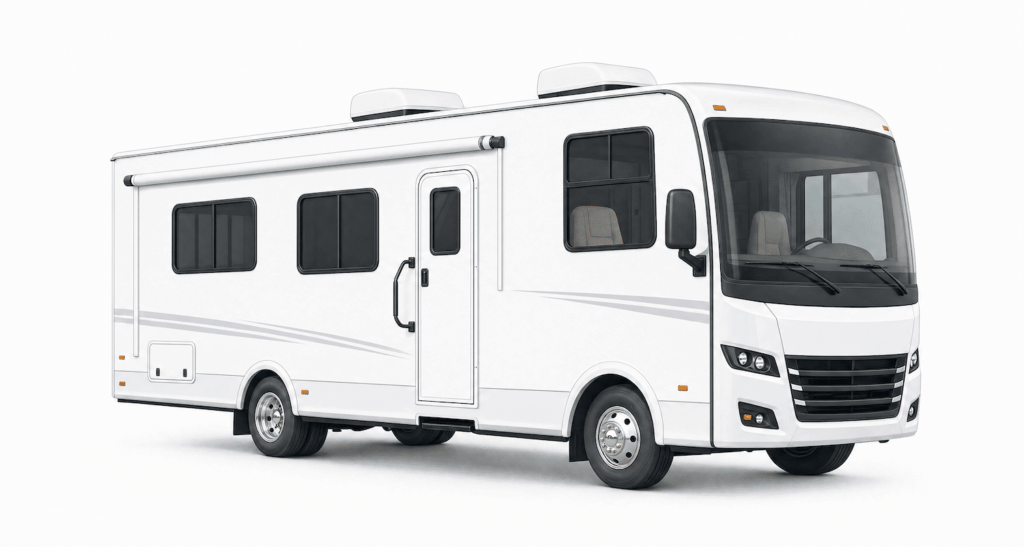
A towable RV has no engine of its own. A truck or SUV pulls it, and the category includes travel trailers, fifth wheels and toy haulers. Travel trailers attach to a ball hitch at the rear of the tow vehicle; fifth wheels use a hitch mounted in a truck bed. A motorhome combines its living area with a powered vehicle chassis. Class A, B and C models differ in size and layout.
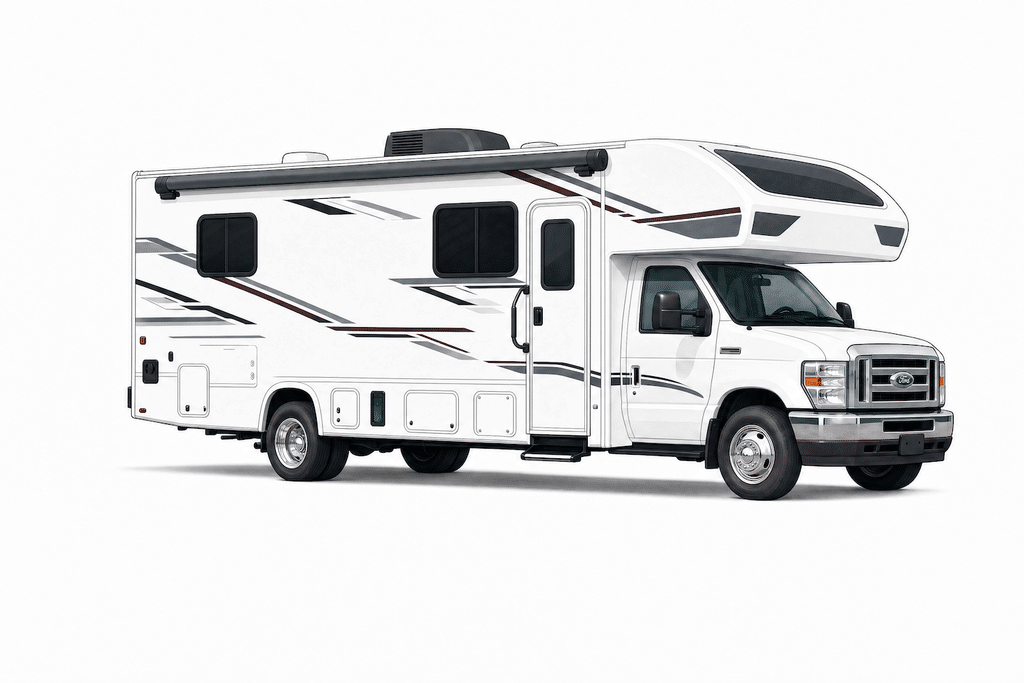
These broad categories cover a lot of ground, so compare models that meet your needs for space and travel. A family choosing a mid-size rig faces different trade-offs from a couple weighing a compact trailer against a camper van.
Purchase price and the vehicle behind it
Towables generally cost less because the RV itself doesn’t include an engine, transmission or chassis. But the full cost depends on whether you already own a suitable tow vehicle. Buying a truck or SUV that can handle the trailer may narrow the initial price gap considerably.
Typical new prices in the source range from $10,000 to $30,000 for an entry-level travel trailer, $30,000 to $55,000 for a mid-range travel trailer, and $30,000 to $60,000 for an entry-level fifth wheel. These figures exclude the tow vehicle. For motorhomes, the listed ranges are $60,000 to $200,000 for a Class C gas model, $70,000 to $250,000 or more for a Class B van, and $80,000 to $350,000 or more for a Class A gas model. Class A diesel models range from $200,000 to $1,000,000 or more; Super C models, from $190,000 to $500,000 or more. Brand, size and condition all affect the price, so treat these as typical ranges, not quotes.
Fuel matters for either setup. The source notes that a diesel truck pulling a large fifth wheel gets only slightly better mileage on a typical travel day than a diesel pusher motorhome. A small, lightweight travel trailer is the option identified for substantially lower fuel use. Before choosing a towable, confirm that your vehicle can handle it; the source links to a towing calculator for checking capacity.

Driving, setup and exploring from camp
Towing brings its own learning curve: hitching, managing sway and backing into a site all take practice. Motorhomes avoid towing, but their size still demands attention. Class B vans are the easiest motorhomes to drive; larger Class C and Class A rigs feel more like driving a big truck or bus. Either way, allow for wider turns and longer stopping distances, and practice parking and reversing.
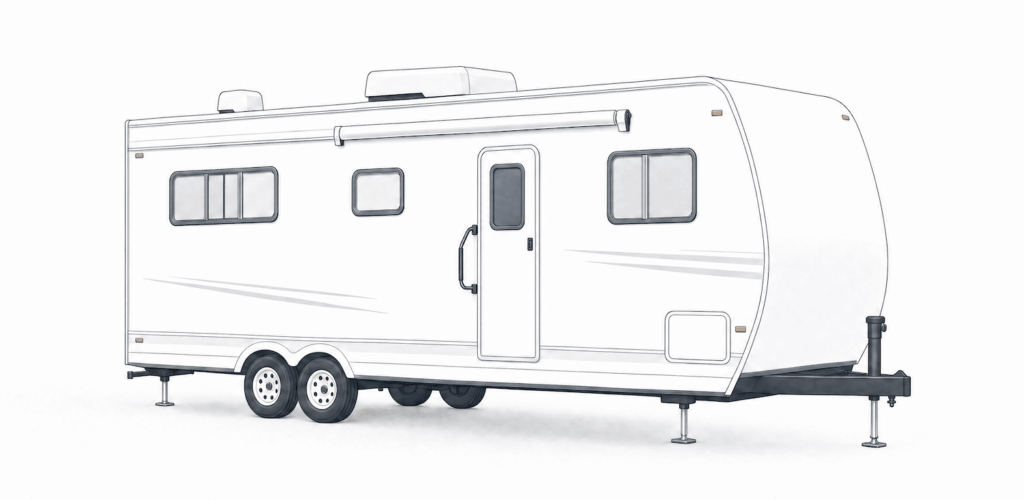
Length affects where you can go. A tow vehicle and trailer together may exceed limits at some campgrounds, while large motorhomes can be restricted on some roads and at some sites. Bigger rigs call for more driving skill and more advance research into places to stay.
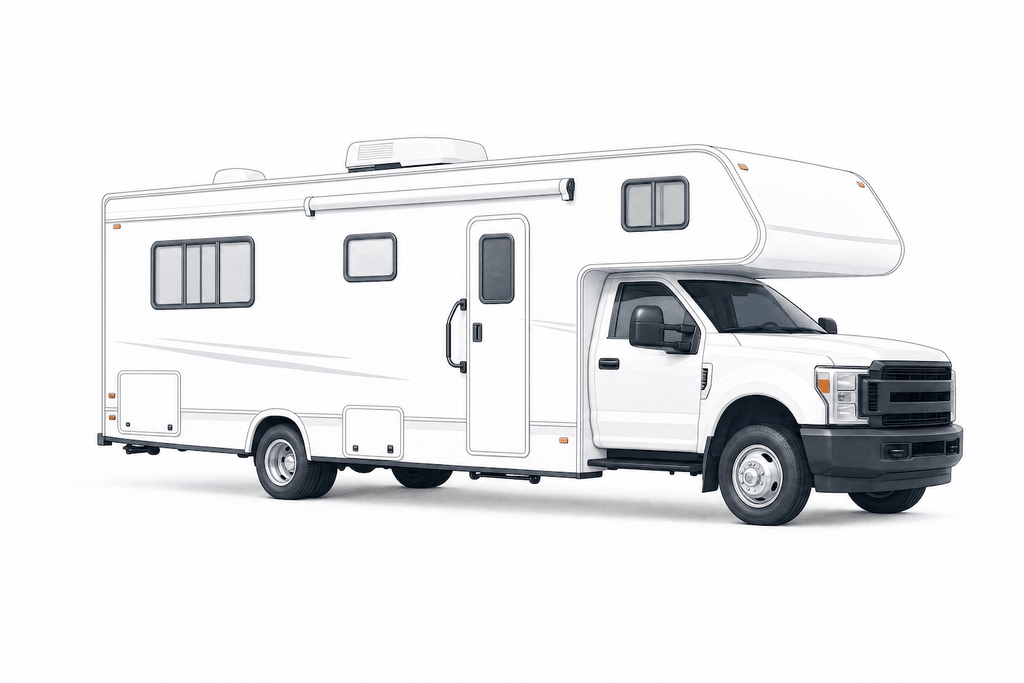
Setting up a trailer takes extra steps to level and secure it, unhitch, stabilize it and connect hookups. Leaving means reversing that process. A motorhome generally needs to be parked, leveled and connected to hookups, so arriving and departing can be quicker—unless you tow a car. That time difference matters most for travelers who change campsites often; it matters less when you stay put for several days.
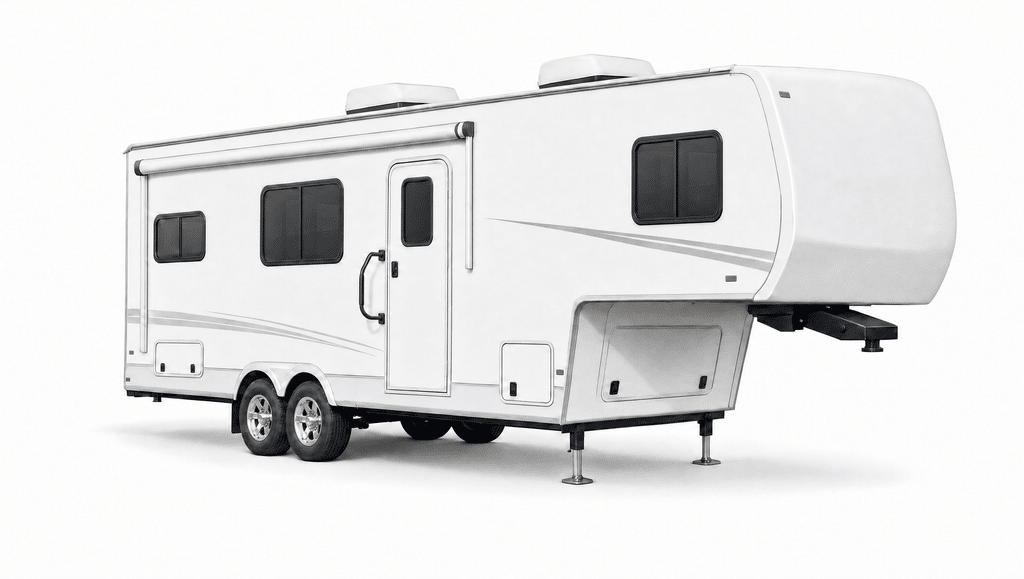
A trailer also gives you a separate vehicle for day trips. Unhitch and take the truck or SUV to the grocery store, trailhead or a nearby attraction. With a motorhome, leaving camp means disconnecting and packing up, unless you bring a car. Many motorhomes can tow a small car, sometimes called a toad, but that adds equipment and another vehicle to maintain. Check the motorhome’s tow rating and confirm the car is suitable for flat towing.
Space for people and gear
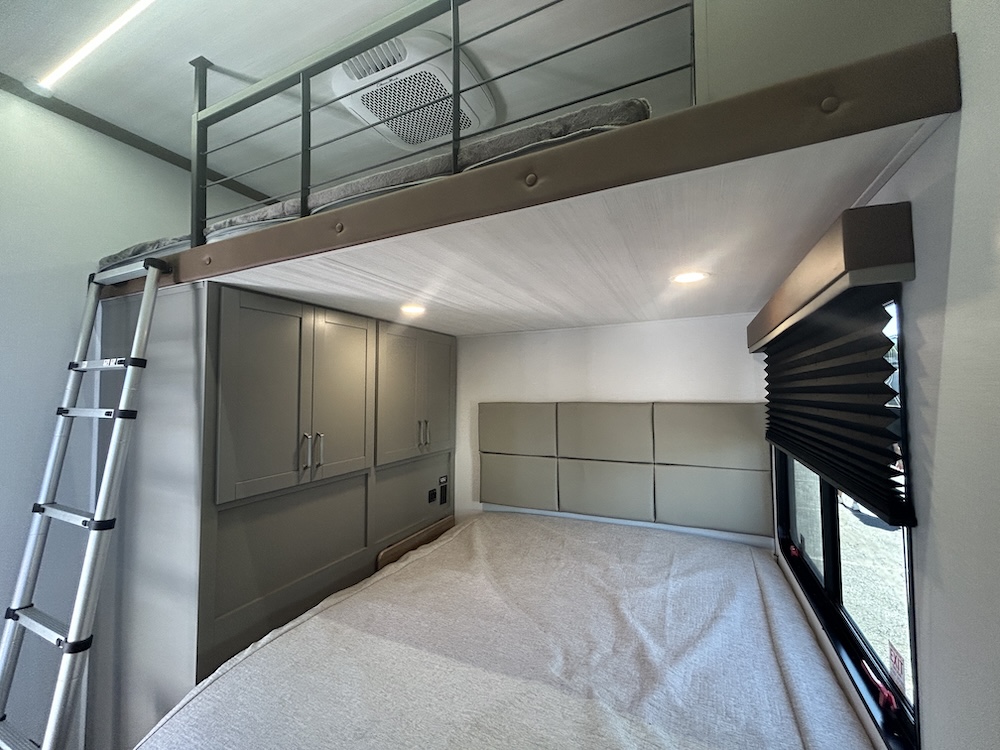
Travel trailers and fifth wheels often offer bunkhouse layouts, with bunks in a separate room or distinct area. That gives a group more privacy and more floor-plan choices. Fifth wheels also tend to have more residential layouts. Motorhomes give some floor space to the driver’s cab, which shapes the living area. Class C models, along with some Class A models, may add a bed above the cab; bunk rooms are less common than in towables. Class B vans are the smallest and usually sleep two unless they have a pop-top tent for children.
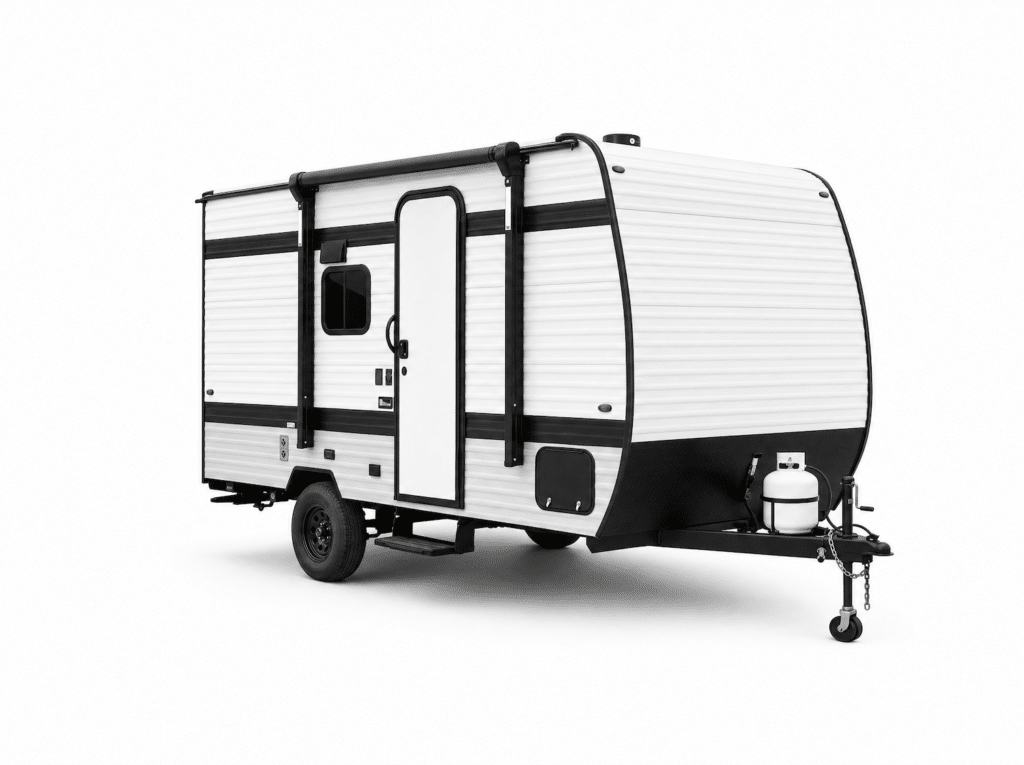
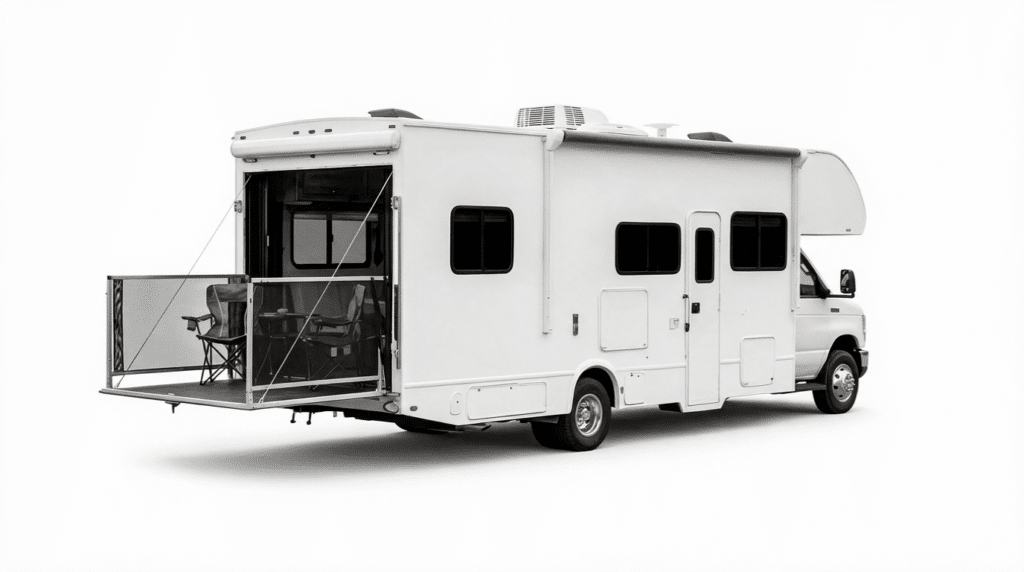
If you’re choosing a mid-size RV for a family, a travel trailer and Class C motorhome make a useful comparison. Many travel trailers can be pulled by an SUV or half-ton truck and come in bunkhouse layouts. A Class C doesn’t require a separate tow vehicle and may offer an overhead cab bed, but even an entry-level travel trailer costs significantly less than a Class C.
For maximum space and a more residential feel, compare a fifth wheel with a Class A motorhome. Both have some of the largest floor plans. A fifth wheel requires a truck with a bed-mounted hitch, often a heavy-duty truck, so include that vehicle in your budget if you don’t already own one.
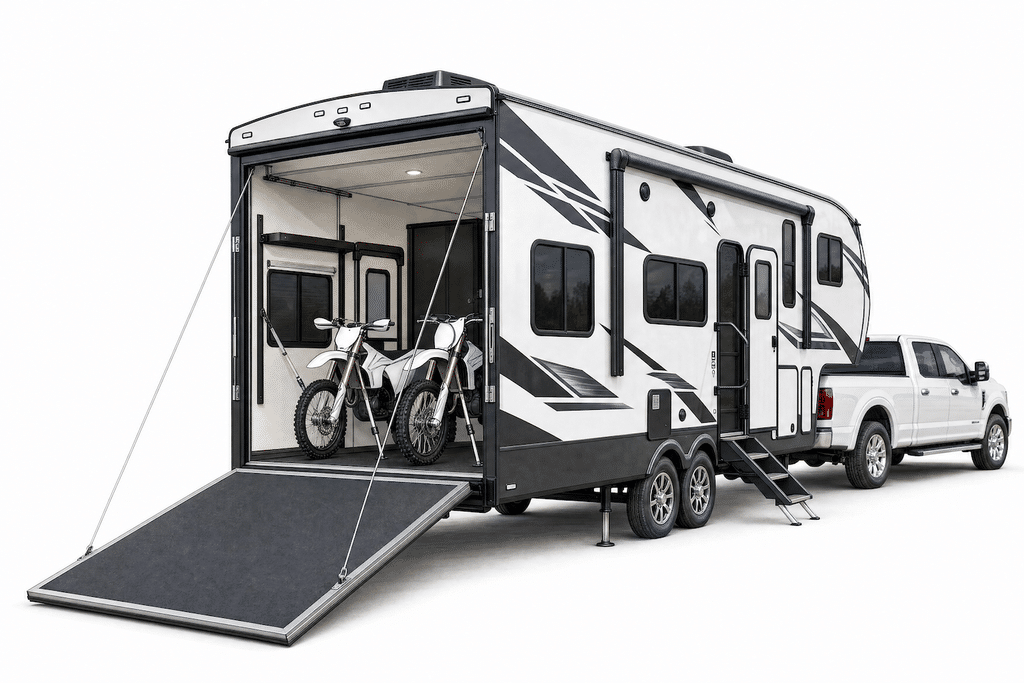
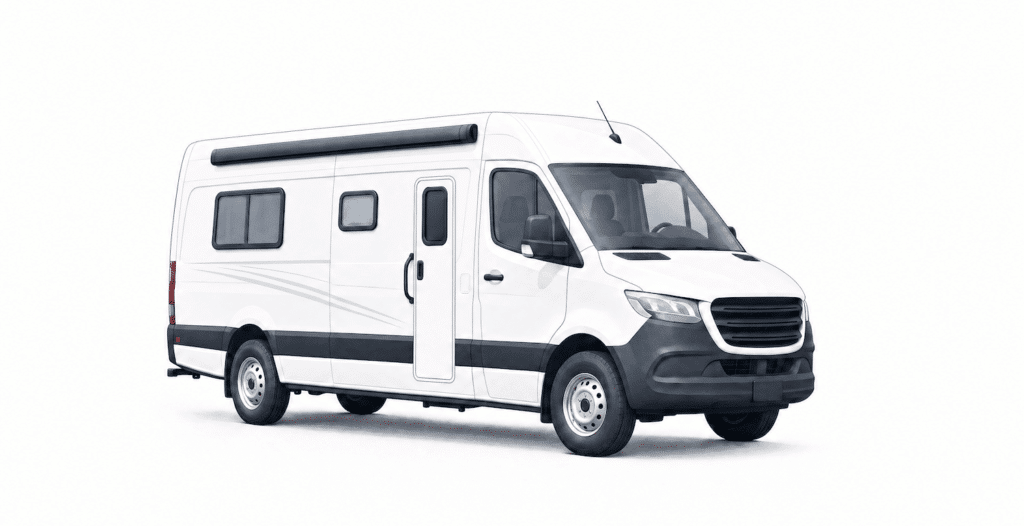
Solo travelers and couples may weigh small trailers against Class B vans. Pop-ups, teardrops and small travel trailers cost less and can be towed by smaller vehicles. A Class B is easier to drive and park than larger motorhomes, but costs more and offers less space. Toy haulers, meanwhile, come as travel trailers, fifth wheels and motorhomes. Their rear garages carry equipment such as ATVs, motorcycles and bikes; account for that added cargo weight when checking vehicle ratings.
Repairs and the decision
Both types share living-area systems such as plumbing, electrical components and appliances. The engine is the key difference in maintenance. A trailer and tow vehicle are separate: if the truck needs service, you may still be able to stay in the trailer at camp, and if the trailer needs repairs, you still have transportation. But you’re maintaining two vehicles, and a truck breakdown on a travel day can leave the trailer stranded with it.
A motorhome has one engine to maintain, but the vehicle is also your living space. A problem with its engine or transmission can take both transportation and accommodation out of service until repairs are complete. Work on a large vehicle can also be expensive. Used buyers should arrange a careful inspection of the living space and, for a motorhome, its drivetrain.
Ask yourself whether you already own a capable tow vehicle, whether you’re willing to learn to tow, how often you’ll move camp and whether you want to explore in a separate vehicle. Existing towing capacity and frequent day trips tend to favor a trailer. Avoiding towing and moving camp often can favor a motorhome. If the rig will carry toys, check its ratings with your planned load in mind.
Neither option fits every first-time buyer, and some RVers change preferences after a season or two. Match the size and layout to your group, count the tow vehicle in the trailer budget, and choose a setup you’ll feel prepared to drive and park.