October Bike Commuting: Get Your Gear Ready for the Ride Home
A few minutes at work can dry your kit, protect your bike and help you check your lights before an October ride home.
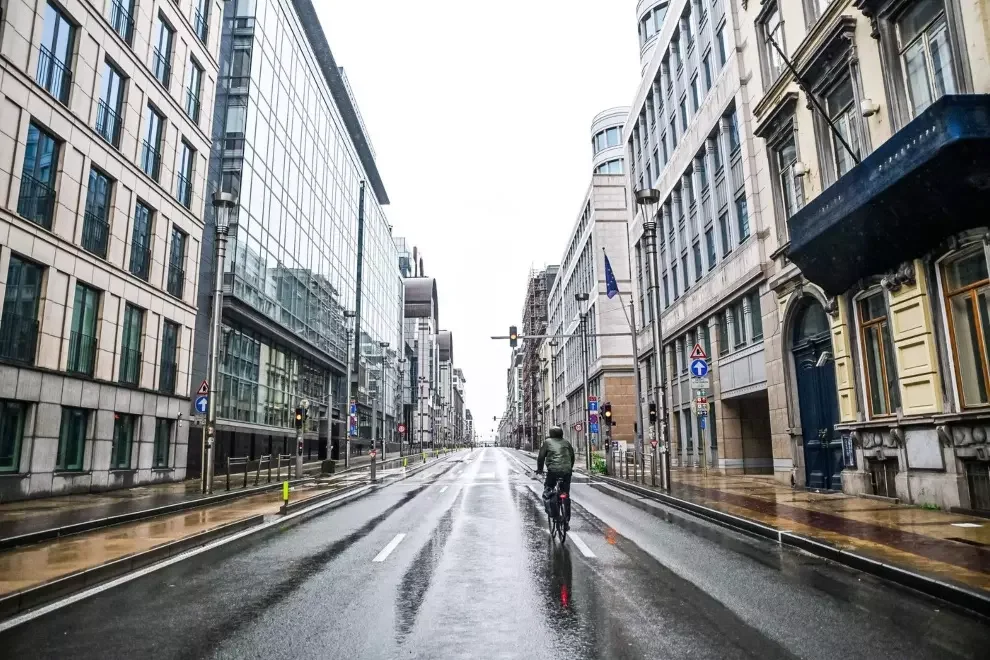
When an October commute ends at the office, the ride home still needs planning. Wet gloves sealed inside a helmet and bag won’t dry during the workday, and lights left uncharged at home won’t be ready when daylight fades. A short arrival routine can make the evening ride more comfortable and help you spot a problem while there’s still time to address it.
The key is to make decisions for the cyclist who leaves at six, not just the one who has arrived. That means finding a sheltered place for the bike, giving wet clothing a chance to air, checking lights and keeping dry essentials within reach. It also means having another way home in mind for a day when the weather turns unpleasant.
Find a dry, secure place for the bike
A full day of rain isn’t a substitute for cleaning your bike. Water and road grime left on the drivetrain can make the evening start messier, and parking in an exposed spot means the bike may be just as wet when you leave as when you arrived.
A garage is a good option. A covered rack or sheltered corner can work too, provided rain isn’t blowing in from the side. Check what’s above the bike: a spot at the edge of a roof might leave it under water running off a gutter. Choose a secure place where you can lock the bike, and consider how wind-driven rain reaches the area.
If there’s suitable indoor space with a reasonably steady temperature, that can help the bike stay dry. Ask where it can be stored before bringing it inside; a corridor outside a meeting room may not be an appropriate parking spot. Wipe away the worst water and mud first. A clean entrance and considerate storage make it easier for colleagues to support bike commuting.
Let wet clothing breathe
Putting damp gloves, shoes and clothing away in a closed bag traps the moisture until it’s time to go home. A ventilated place to air your kit gives it a better chance to dry. Ask about a discreet location, then hang clothing separately rather than leaving it bundled together on a shared coat rack.
Remember the smaller items. Open up shoes, spread gloves out and give your helmet airflow. A jersey left to dry won’t help much if the rest of the kit stays packed away wet. Keeping your gear in one place also makes it easier to collect everything before you leave.
Dry socks and a spare layer are useful to keep at work. They’re a practical fallback when the morning rain has soaked your kit or there isn’t enough time or space for everything to dry. Changing into dry clothes at the end of the day is more comfortable than hoping damp fabric will stop bothering you once you’re moving.
Build in time to wash and change
If your workplace has a shower, allow time to cool down, wash and change into clean work clothes. A towel and small washbag stored at the office save you from packing those items each morning. That small bit of preparation can make a shower routine easier to keep up.
Without a shower, washing up and changing clothes can still make the day more comfortable for you and the people around you. Deodorant can help with the finishing touches, but it can’t take the place of washing after a hard ride in a waterproof jacket. Keep the routine simple enough to fit into your working day.
Check lights before the end of the day
It’s best to check your lights before setting out in the morning. If you didn’t, the hours at work offer another chance to confirm both are working, wipe away road spray and charge them if needed. An office charging cable can save you from searching around when it’s time to leave. Keep one with your commute gear so it’s available when you need it.
Check the lights when you arrive, before the day fills up. A quick look at that point leaves time to charge them or deal with a problem. Before heading out, attach them to the bike and make sure clothing or bags don’t block their visibility. A charged light left on a desk, or hidden beneath a jacket, won’t help on the road.
The same end-of-day check is a good moment to make sure your dry layer, gloves and other essentials are ready to go. Give yourself enough time to gather the kit you’ve spread out to air. That way, the search for a missing item doesn’t become the last task before a ride in fading light.
Keep another way home in mind
October weather can change over the course of a working day. Rain and fading daylight may make the return trip less inviting than the morning ride, so decide in advance what you’ll do if conditions become difficult. Public transport or a lift can be alternatives, and it helps to know where you can leave the bike securely if you don’t ride it home.
An umbrella at work is another useful backup for the walk to a bus or lift. Choosing a different way home on a day when the weather is poor is a reasonable part of planning a commute. The point of the arrival routine is to make the ride home easier when it goes ahead—and to leave you with options when it doesn’t.
Prepare for the second ride as soon as you reach work: shelter the bike, air the kit, keep dry clothes close and check the lights. A few deliberate minutes can replace an evening of damp gloves, dead lights and improvised plans with a more comfortable trip home.
For more on checking lights, see bike lights: answers to common questions.
The post In October, the Ride Home Starts When You Get to Work appeared first on Škoda We Love Cycling.
===