Three Weeks to Istanbul’s 15.5K: Pacing, Training and Tapering
With three weeks until Istanbul’s November 1 race, structured workouts are giving way to a smarter plan: stay sharp, recover well and pace patiently.
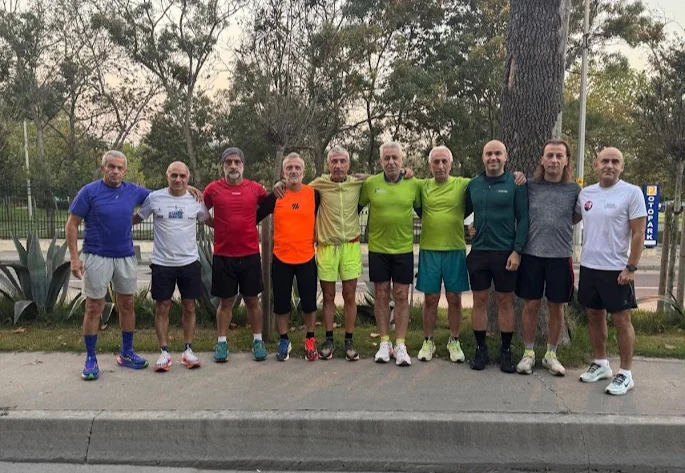
With 21 days until the Istanbul Marathon’s 15.5K on November 1, the biggest training question has changed. It’s no longer how much work I can squeeze in; it’s how to arrive ready to use the fitness I’ve built. The hard sessions have their place, but the final stretch calls for restraint as much as resolve.
I’ve spent years in endurance sports, from swimming and triathlons to half marathons, trail races and obstacle courses. The distance itself doesn’t worry me. Racing it well is another matter. I want to settle into a pace I can sustain, manage my effort and reach the closing kilometers with enough left to respond. That’s the part I’ve been trying to prepare for.
Building pace without burning out
September brought more structure to my running: threshold efforts, 1K intervals, longer 2K repetitions and group sessions. Threshold work has been a useful reminder that not every hard session means chasing speed. The task is to find an effort that feels demanding but controlled and stay there. With no recovery break to anticipate, the challenge is as much about concentration as fitness: keep the breathing, stride and rhythm in check.
That kind of work may not produce the flashiest training data, but it seems relevant to a 15.5K. The race won’t offer a pause between efforts. Learning to hold a steady level of work, rather than surge and recover, should help me meet that demand.

Group running adds its own test. Other people can lift the energy and draw me into a faster pace before I notice. That can be welcome when it fits the workout; at other times, I have to remember that the session has a purpose and the pace is mine to manage. Holding back when the group moves ahead can take as much discipline as pushing harder.
In October, the sessions became more specific to running faster while keeping the effort sustainable. I’ve been doing longer repetitions, 6 × 800-metre intervals, tempo runs and my usual Sunday long runs. The 800s are a good fit for me: long enough to demand focus, but short enough to run with some speed. The trick is not to treat the first repetition as the whole workout. I’d rather keep the quality through all six than set one standout split and struggle through the rest.
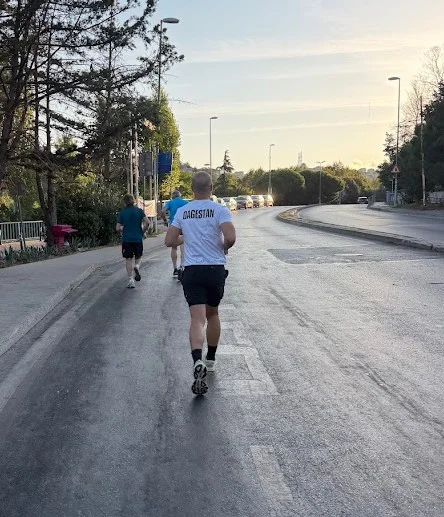
Adjusting the plan and reading the effort
This week, a 5K tempo run moved from Thursday to Friday because I couldn’t fit it in as planned. The session still had value. Running continuously at a demanding pace asks for a different kind of control than intervals: there’s no recovery to reset the effort. I focused on keeping the opening measured, settling into a consistent rhythm and resisting an early push.
A training plan gives each workout a place, but a missed day doesn’t automatically erase the session’s purpose. The adjustment matters. Moving one run can work; letting that change tangle the rest of the week is less useful. I’m trying to adapt without turning every scheduling change into a reason to force more work.

Sunday’s long run gave me room to settle in and notice how my body responded. Some days the legs come around quickly; on others, it takes several kilometers to feel comfortable. For this event, I’m especially interested in the stretch beyond 10K. Running well while fresh is one thing. Holding a controlled effort after already covering that ground is another. I want to reach those later kilometers composed, rather than scrambling to hang on.
My Garmin Fenix 8 has been with me through this block, tracking pace, heart rate, training load, recovery and VO2 max estimates. I like having those figures, but they don’t tell the whole story. The same pace can feel smooth one day and surprisingly difficult the next. Sleep, accumulated fatigue, warmer conditions or simply how I feel can all change the experience. The watch records how fast I ran; I still have to interpret what that effort felt like.

Balancing running, swimming and recovery
Swimming remains part of my routine, and I’ve also been working on faster times in the pool. Combining the two sports takes some planning. A demanding run followed too closely by a hard swim can leave more fatigue than expected, and that tiredness may only become obvious in the next workout. As November 1 approaches, I’m paying closer attention to how sessions fit together.
Mobility, strength and recovery are part of that picture. There’s a limit to how much training I can absorb, and adding another hard effort doesn’t guarantee a better result. Sometimes the useful decision is to finish the session, eat properly, sleep and leave the next task for its scheduled day. That sounds straightforward; putting it into practice can be harder when training is going well.

Three weeks out, I feel well placed. The endurance base is there, the speed sessions have been consistent and the longer runs have built confidence over the distance. Still, a pace that works during intervals doesn’t promise the same pace over 15.5K. There are no breaks to recover on the course, and that changes the calculation.
I have a finishing time in mind, but I’m keeping it private. For now, I’d rather concentrate on running a thoughtful effort than spend the next three weeks fixating on a number. The result will come from what I can do on the day, not from worrying over it in advance.
Fresh legs for November 1
The temptation at this point is to add one more big session: another long run or a demanding interval workout to feel more prepared. I don’t think that’s what I need. The fitness from the past several weeks won’t vanish when the workload eases. Reducing the volume should give my body a chance to recover while a little intensity keeps the legs familiar with faster running.
I’m also planning to run the Bosphorus Run Bebek race on October 18. If I take part, I want to use it to practise pacing and get some of the feel of racing into my legs before November 1. The aim is straightforward: treat it as preparation, then keep the final week focused on sleep, sensible nutrition, staying healthy and easy movement that doesn’t add needless fatigue.
Istanbul’s start-line energy can make patience difficult. The crowd and excitement can pull runners into a faster opening than they intended; I’ve made that mistake myself. This time, my plan is to start under control, find my rhythm and let the effort build. I don’t want to feel invincible in the first five kilometers and pay for it in the next five. Ideally, I’ll reach the final section feeling strong enough to push. That’s easier to write down than to do on tired legs, which is why having a pacing plan matters.
Preparing for a race can make one morning seem like the only thing that counts. Yet the weeks behind it are part of the result too: showing up for intervals, adjusting the schedule when life intervenes, and learning when to ease off. Some sessions have felt strong; others have made the same pace seem harder than expected. That variability is part of endurance training, even after years of experience.
I don’t know how November 1 will unfold. The kilometers might come easily, or the closing stretch might demand patience and persistence. With three weeks remaining, I’ll keep a little training in the plan, bring the overall workload down and aim to reach the start with fresh legs. The preparation is largely done. Now the work is to trust it.