Rolex Service Prices: What Owners Can Expect for Modern and Vintage Watches
Rolex now lists routine service prices by watch reference, from $550 for some modern models to $8,810 for select vintage watches.
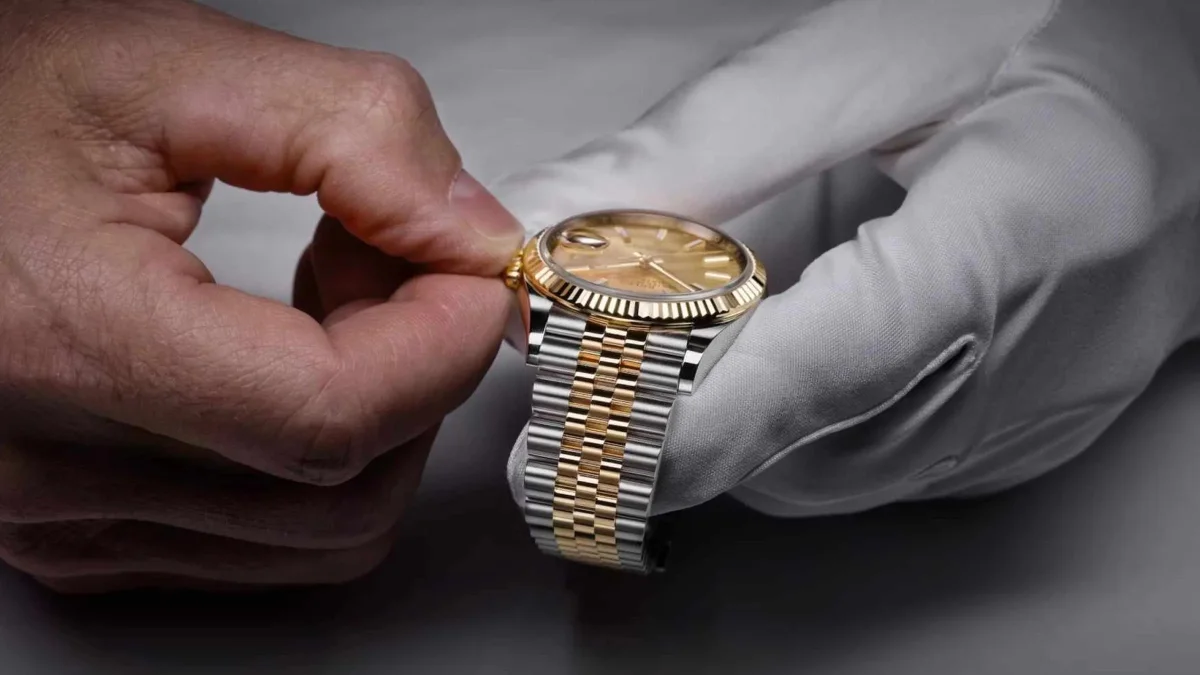
Rolex owners can now check routine service prices before sending a watch away for work. The published list covers dozens of models across modern, five-digit and four-digit references, giving owners a clearer starting point for budgeting and comparing service terms. The quoted price still may not be the final bill: extra repairs and unlisted replacement parts can add to the cost. The list is a baseline, not a diagnosis.

 Rolex
Modern models fall into three price tiers
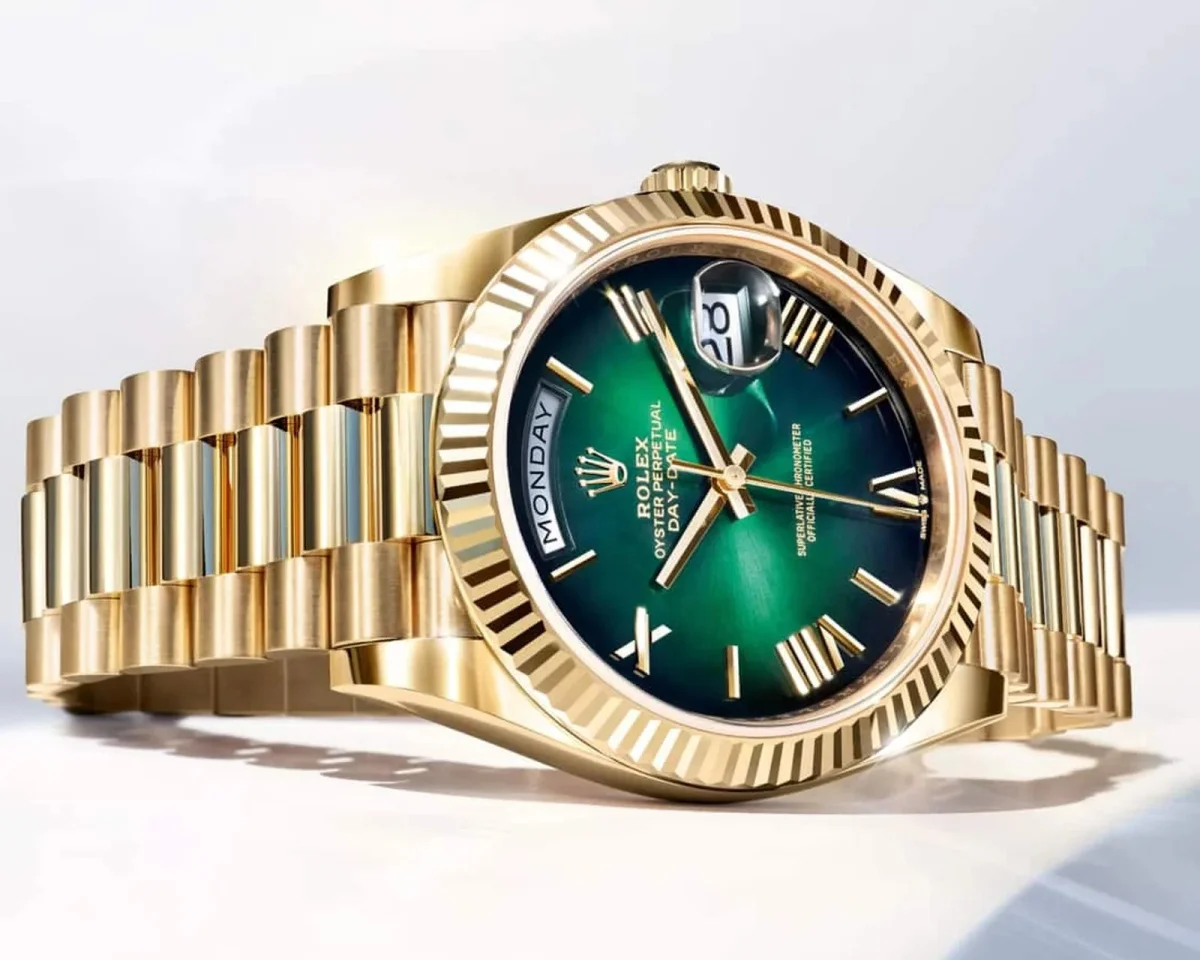
For current six-digit references, the lowest full-service tier is $550. It includes less-complicated models such as the Datejust, Explorer, Day-Date and Air-King. The next tier costs $770 and covers sport watches including the GMT-Master II, Submariner, Explorer II and Yacht-Master. That spread gives owners a quick sense of how the routine charge varies across the modern range, though it doesn’t explain every cost that might follow an inspection.
The highest modern tier is $940. It applies to the Daytona, Sky-Dweller, Yacht-Master II, Deepsea Challenge and new Padellone. The gap between tiers reflects Rolex’s service categories, with the more complicated models placed at the higher price. This is more useful than a single starting price: an owner can identify the likely routine charge from the reference before arranging service, then assess any additional work separately.

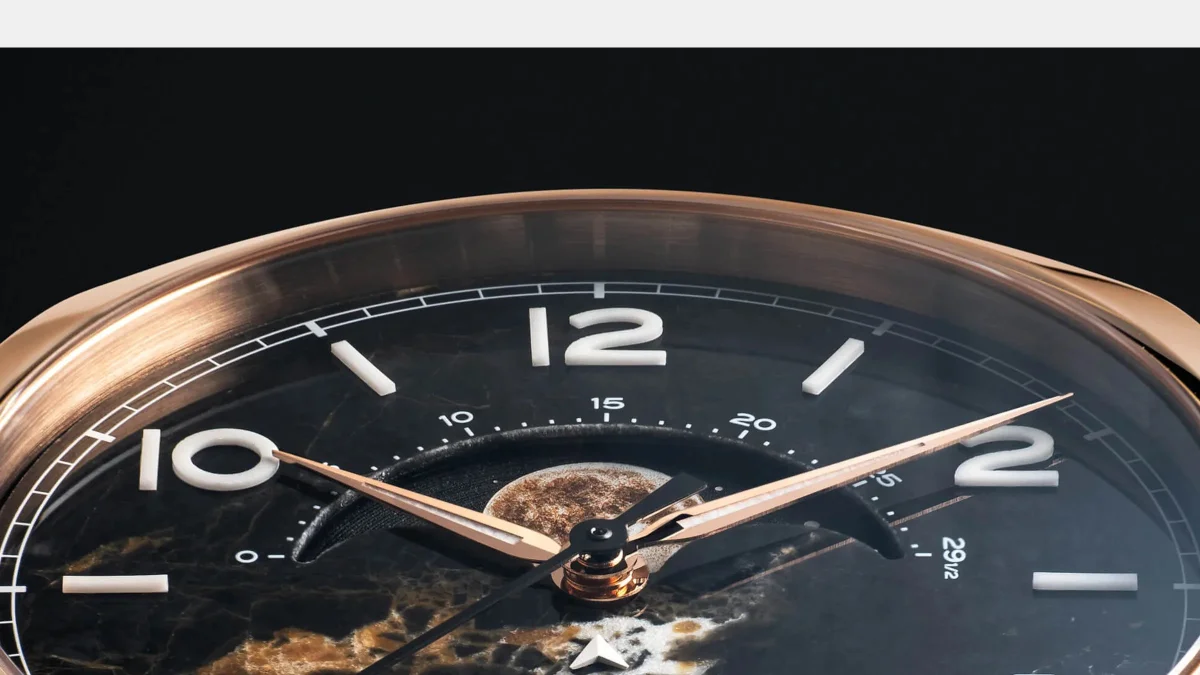
The list also covers older references, grouped by Rolex as “Classic” for five-digit references and “Vintage” for four-digit references. Classic service prices reach $1,430 for a Daytona. For Vintage models, the top routine service price is $8,810, applying to moonphase watches and pre-Daytona chronographs. That figure sits far above the modern tiers, so checking the reference category matters before estimating the cost. Age alone doesn’t tell an owner which price applies; the reference grouping does.

What a full service includes
Rolex says a full service includes dismantling and servicing the movement. For five- and six-digit references, the listed price also covers replacement screws, springs, wheels, lubricants, acrylic crystals, gaskets and tubes, with no additional charge for those items. The watches are waterproof-tested at no extra cost. Owners can choose case and bracelet polishing or brushing for an additional $170. These inclusions make the published figure more informative than a bare labor charge, because some common service items are already accounted for.
Four-digit references have different service terms. Their service includes lubricants, gaskets and tubes, along with other worn movement components when those parts are available. Rolex doesn’t perform waterproofing on these watches. Optional polishing or brushing costs $330. For an older watch, that distinction matters beyond the invoice: owners shouldn’t assume a vintage service restores the same water resistance expectations as service on a newer reference.
Those details help define what the published price does and doesn’t cover. Repairs to the case or bracelet cost extra across all ages, as do replacement parts that aren’t included in the listed service items. A watch that needs work beyond the routine service can therefore cost more than the initial price suggests. If you’re working out a budget, leave room for the inspection to change the scope once the watch is assessed.
Vintage service carries added uncertainty
Owners of four-digit references face another possible charge: Rolex may decline a service if the watch is in too poor a condition. In that case, the owner pays $280 for the assessment. Rolex also offers full restorations for vintage watches in Switzerland, but a declined restoration request carries a $2,200 analysis fee. Those charges are separate from the routine service price, so they matter most when an owner is deciding whether to submit an older watch for evaluation.
That makes the vintage price list useful for planning, but it can’t settle whether a particular watch is suitable for service or restoration. Parts availability also matters for worn movement components. An estimate based on the listed price alone can’t resolve either question; the watch’s condition and the availability of parts shape what work can actually be done. And this is the part most people overlook: a high listed routine price doesn’t guarantee that a service or restoration will proceed.
What the list changes for owners
The new list makes it easier to approach servicing with a realistic baseline, particularly for modern watches with clear prices and included components. For every reference, the final cost can still change if the inspection finds additional work. The list also makes differences in service terms easier to spot before a watch is sent away, including the separate treatment of four-digit references and the limits on included parts.
What this means for you: confirm the watch’s reference, check which category it falls into, and read the inclusions alongside the price. That won’t predict every repair, but it can help you distinguish the routine service charge from optional work and possible extra costs. A clearer starting point. The final bill still depends on the watch in front of the service team.