Twelve South AirFly View Adds a Screen to Simplify Wireless Headphone Pairing
The $80 AirFly View adds a pairing display, supports two headphone pairs and runs for 16 hours between USB-C charges.
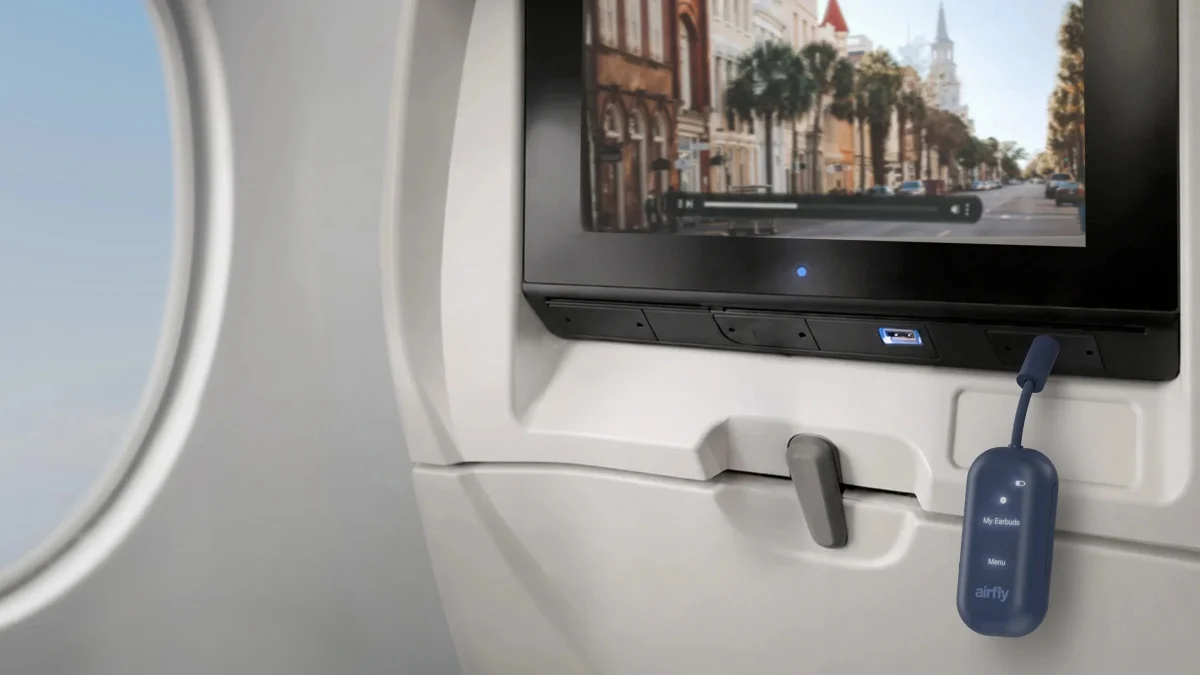
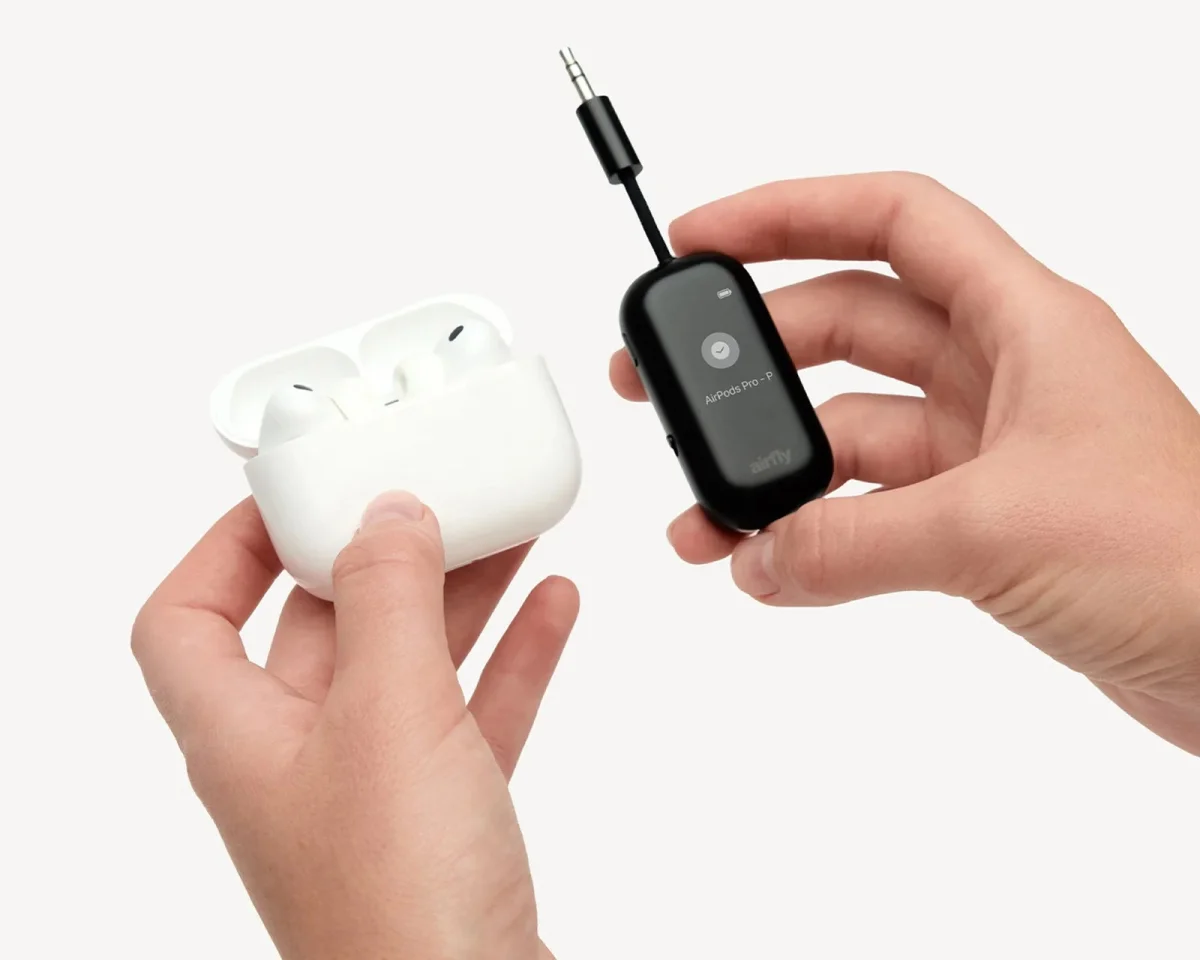
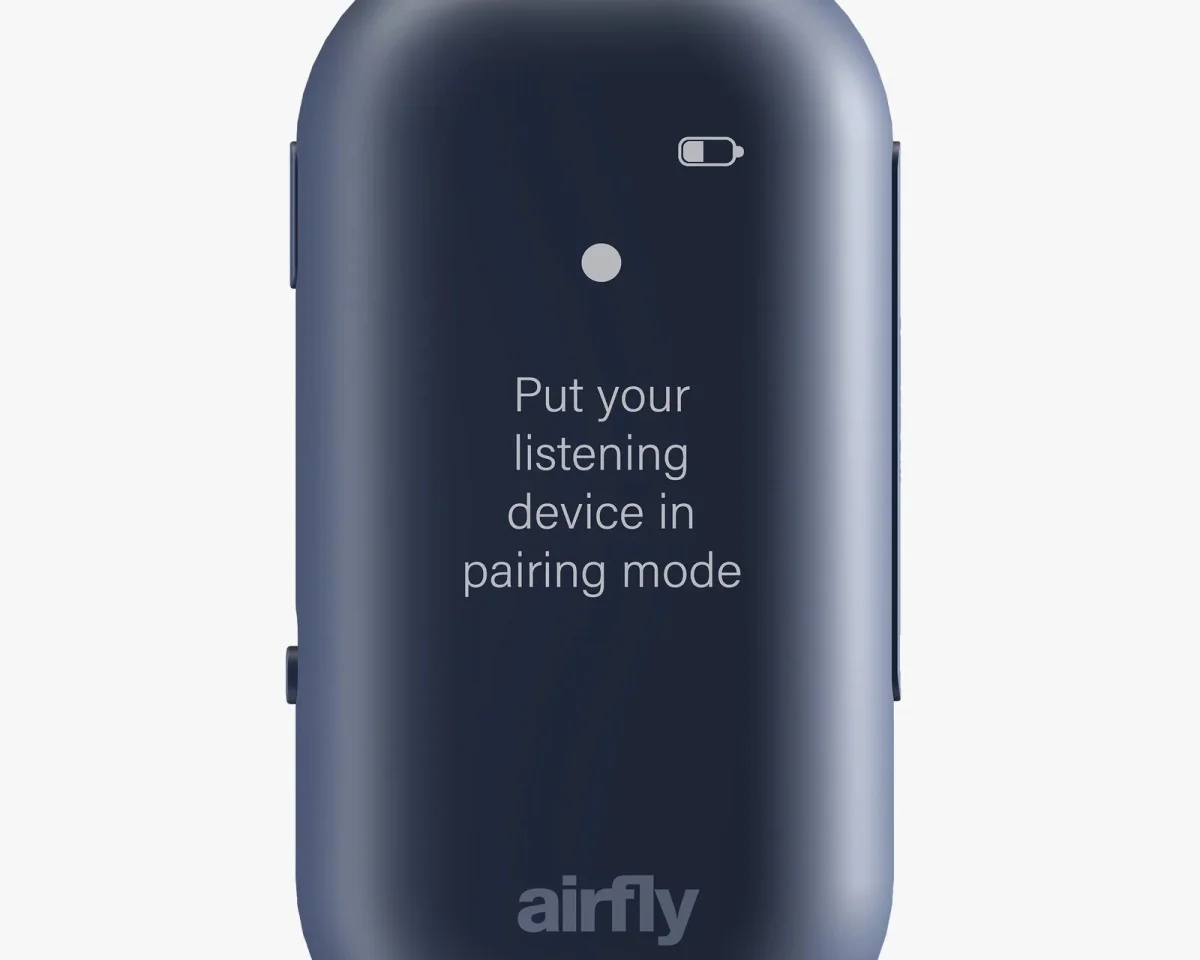
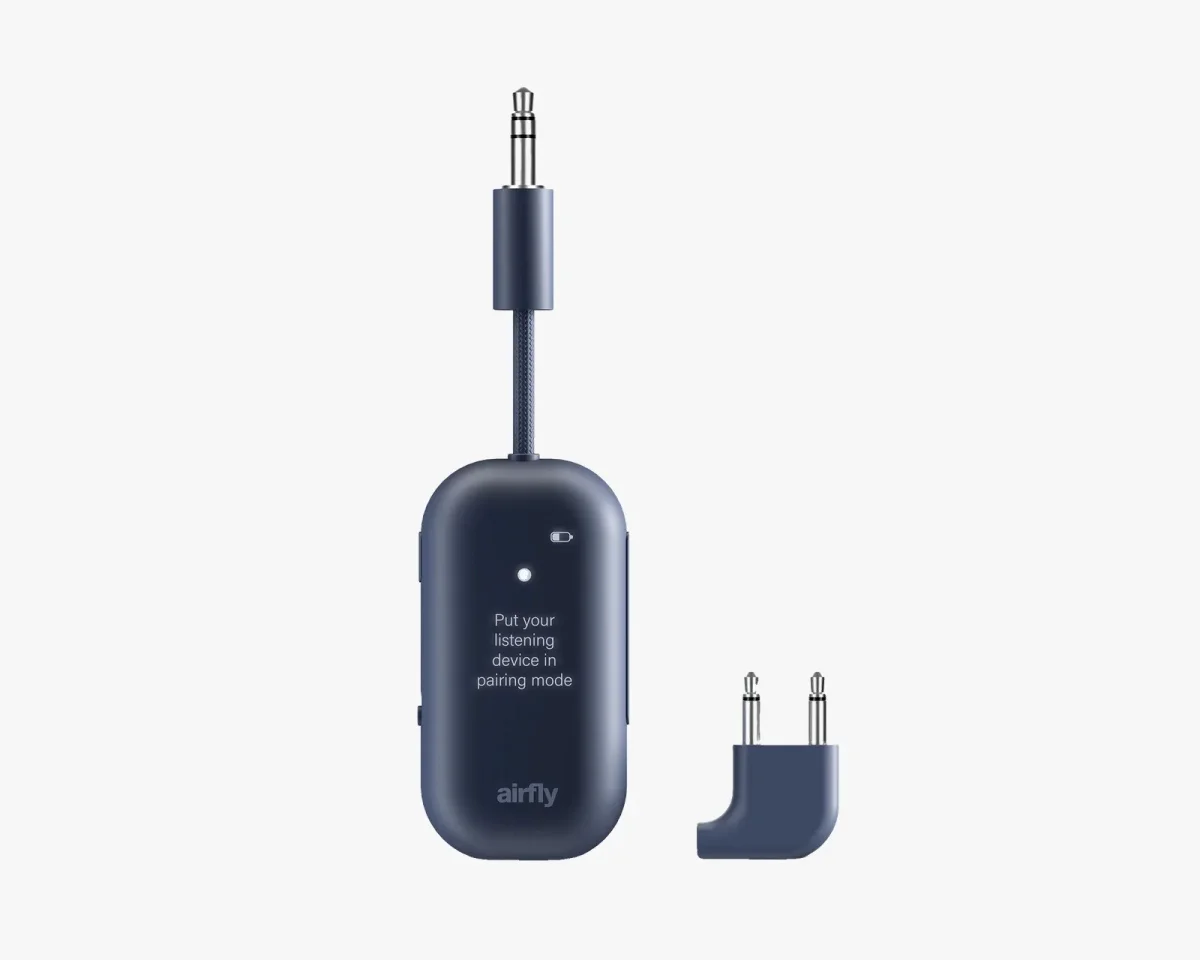
The AirFly View’s small display targets one of the more awkward parts of using wireless headphones with in-flight entertainment: getting them connected. Twelve South’s latest Bluetooth transmitter shows pairing guidance and confirms when headphones are connected, bringing a visible step-by-step cue to the company’s AirFly line. That addresses a modest but familiar travel annoyance: a screen may have a headphone jack, while the headphones in your bag expect a wireless connection. The display gives users feedback on the transmitter itself instead of leaving them to infer whether pairing is underway.

 Twelve South
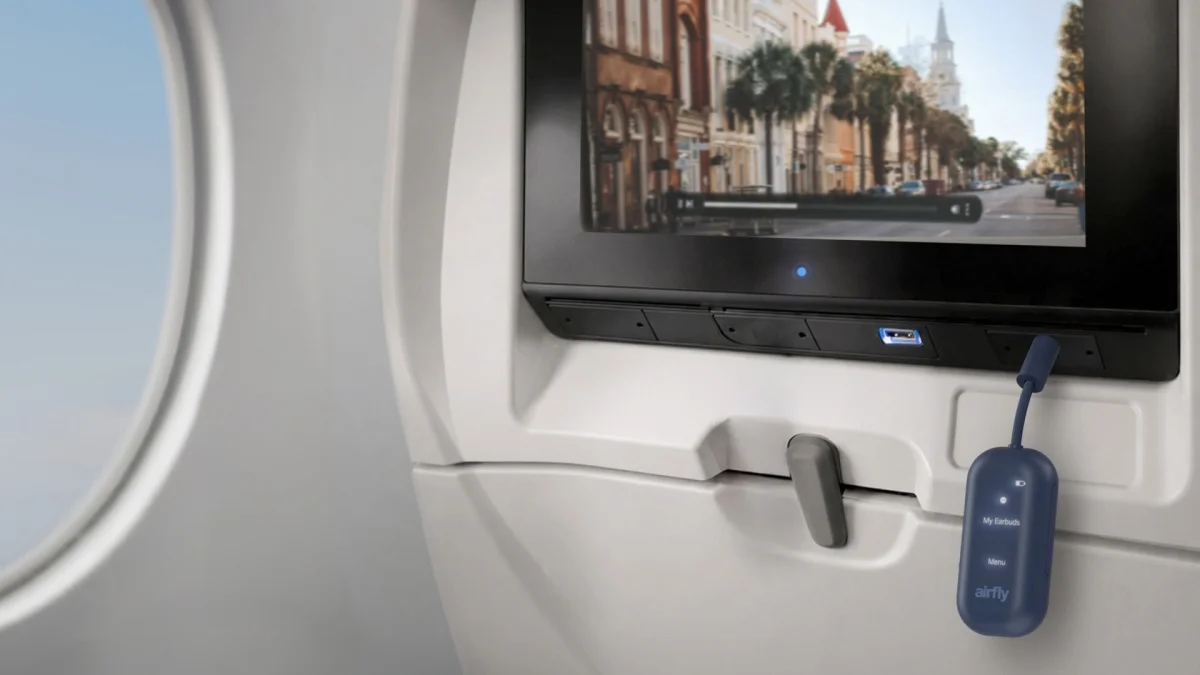
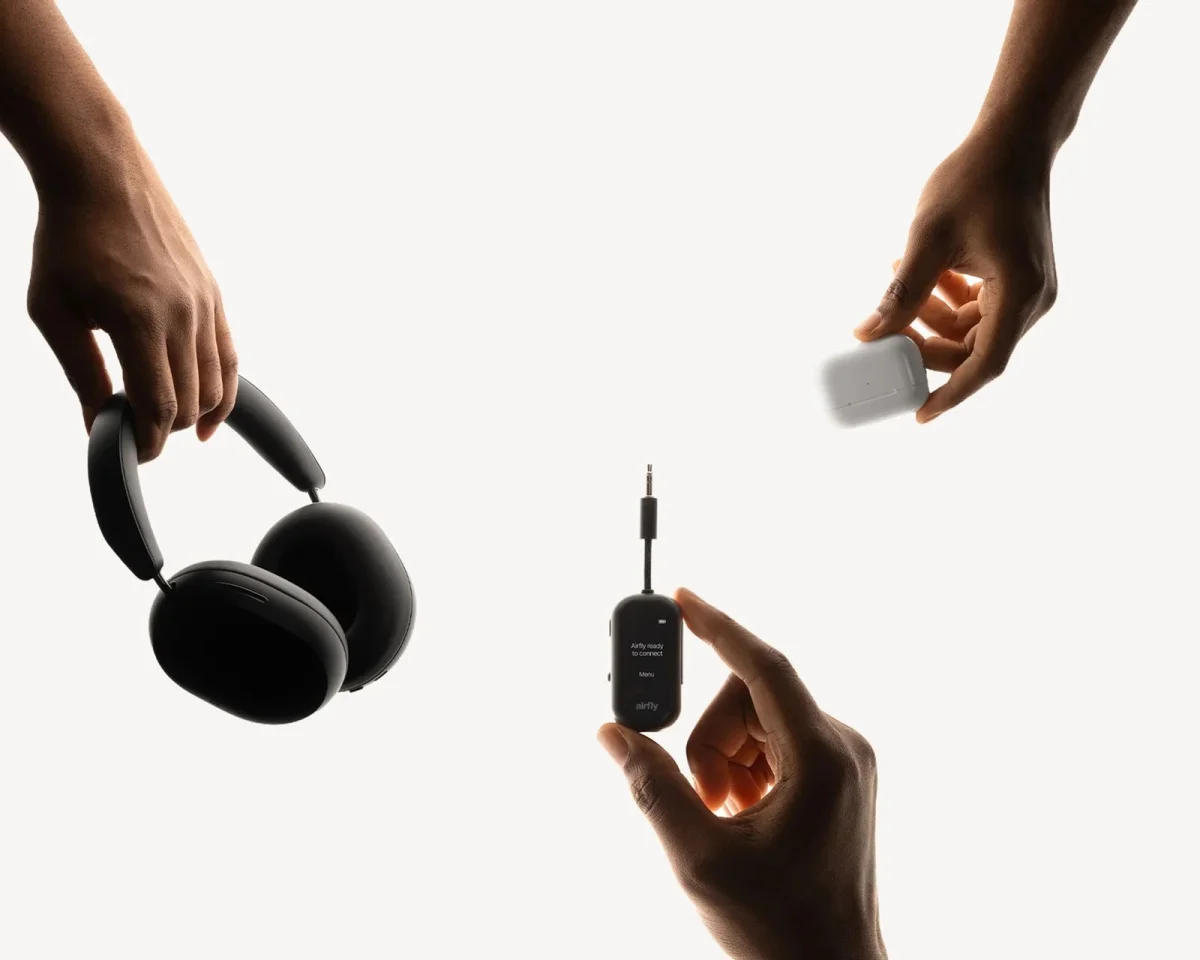
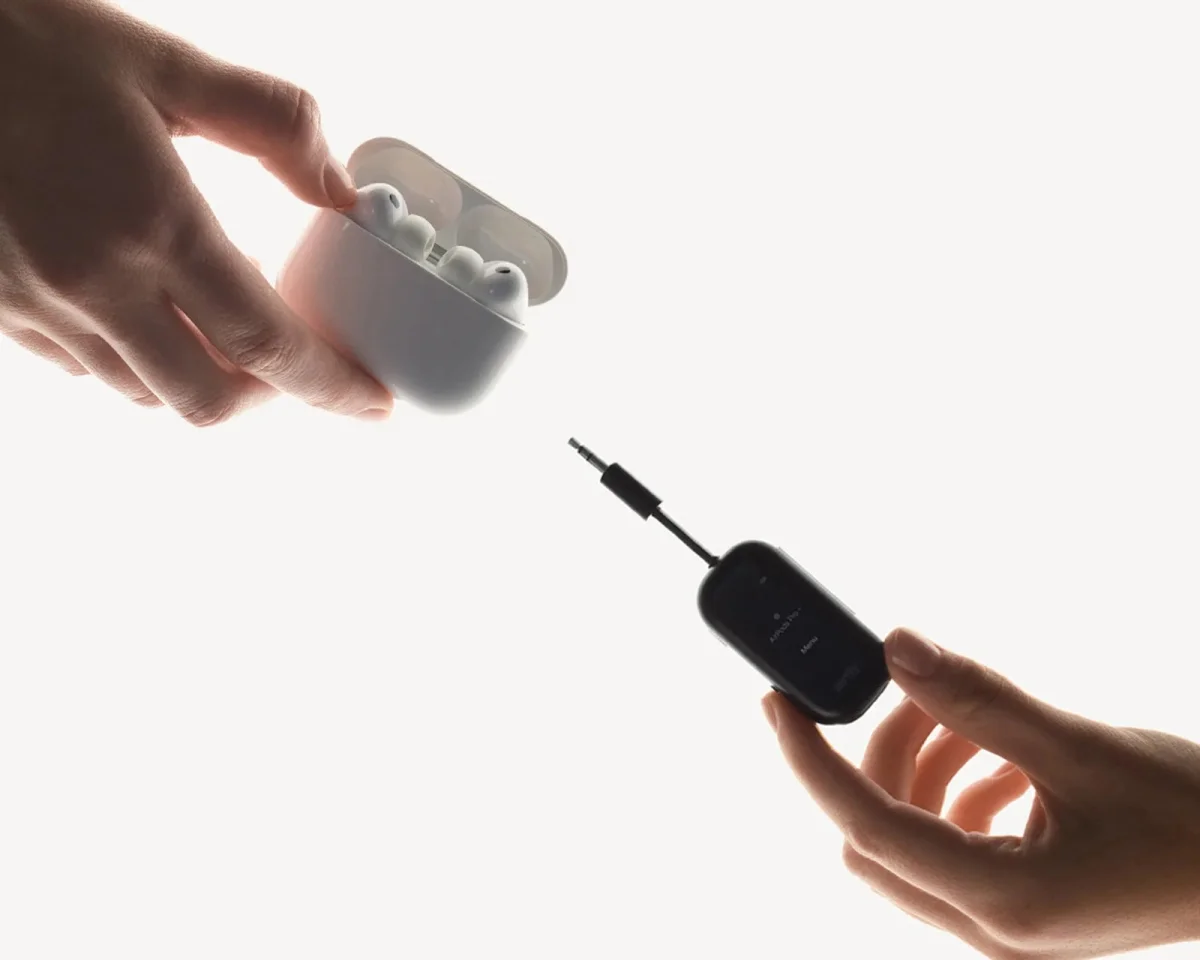
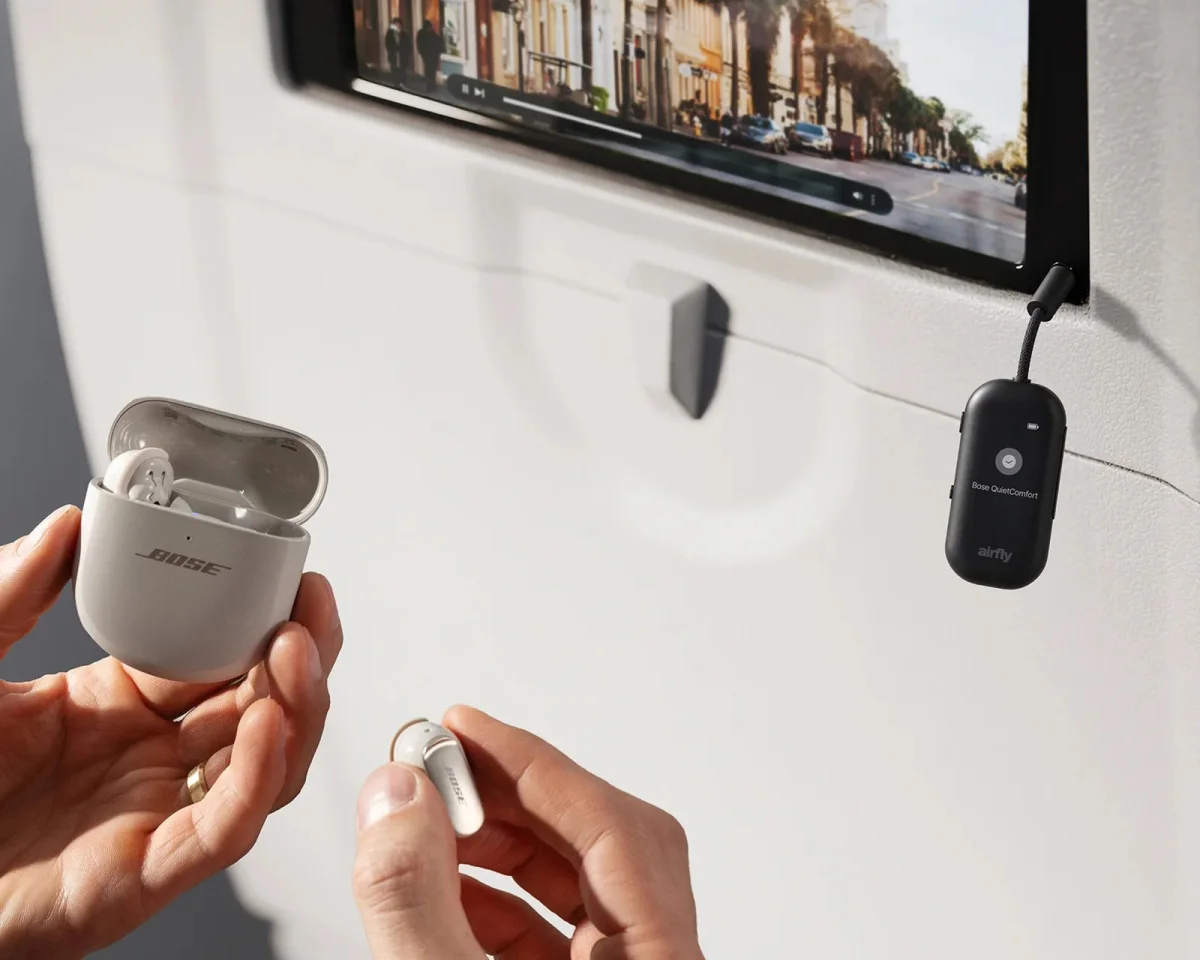
The device is built around a familiar travel setup. Its 3.5mm plug connects to an airplane seat-back entertainment system, then sends the audio to AirPods or other Bluetooth headphones. That lets travelers listen without wired earbuds, including on aircraft whose entertainment systems don’t offer Bluetooth. In practice, the transmitter sits between two systems that weren’t necessarily designed to work together: the aircraft’s analog audio output and a listener’s wireless headphones.
Some newer planes do support direct Bluetooth connections, but pairing can still take patience: headphones may not appear on the screen, and the steps for putting earbuds into pairing mode aren’t always obvious. Those steps can vary by headphone, so a traveler switching between devices may have to remember a different sequence from the one that worked last time. The AirFly View’s display is intended to make that process clearer. It gives users a prompt to put their headphones into pairing mode and indicates when the connection is established. That’s useful feedback, though it doesn’t remove the need to put the headphones into the correct mode.
A display and support for two listeners
Twelve South has released several AirFly models since the original arrived more than eight years ago. The AirFly Pro 2 is another current option, while the View is the first in the line to add an integrated screen for connection guidance. The distinction is simple: earlier transmitters could handle the audio connection, but this model also provides a visual cue during setup. Whether that extra guidance matters will depend on how often a traveler pairs headphones and how comfortable they are with the process.
The View can connect two pairs of AirPods or other wireless headphones at once. That gives two people a way to listen to the same entertainment system’s audio while watching one screen. It’s a small feature with an obvious use for travel partners, who can share a film without relying on a headphone splitter and wired earbuds. The tradeoff is that both listeners are tied to the same audio source, and the product information here doesn’t describe separate volume controls or other shared-listening settings.

It also works with Bluetooth headphones beyond Apple’s earbuds, so travelers can use a pair they already own. That compatibility makes the device easier to fit into a mixed setup, where one person uses earbuds and another prefers over-ear headphones. The useful question is whether the headphones can enter pairing mode reliably; the View’s prompt can guide the process, but it can’t make every headphone’s controls identical.
For travel, the practical details matter alongside the display. The transmitter charges through USB-C and is rated for 16 hours of battery life. That rating gives a useful frame for planning a trip, though actual runtime can depend on use and the conditions under which it’s measured. USB-C also means the device can share a common charging cable with many other electronics, which may reduce what needs to be packed.
It comes with an international adapter, according to the product information, for airplane headphone connections that require a different plug arrangement. That’s a useful inclusion for travelers who encounter more than one seat-back connector style. Small accessories are easy to overlook until they’re missing; the adapter helps make the transmitter usable across more of the setups it’s meant to address.
Beyond the airplane seat
The View’s 3.5mm connection can also add Bluetooth to other devices with a headphone jack. Its two-way Bluetooth support expands that use: connect it to the auxiliary input in an older car or boat audio system, then stream sound from a smartphone to the system. That’s a different job from sending seat-back audio to headphones, and it gives the device another use when it’s not packed for a flight. The product’s versatility depends on the available ports and the direction of the audio connection.
That flexibility makes the View more than a tool for seat-back screens, though its main appeal remains the travel problem it addresses. A screen can help users move through pairing without guessing, while dual headphone support lets a companion share the same audio. The 16-hour battery rating and USB-C charging round out the core specifications for trips where access to a power source may be limited. If you’re deciding whether the View fits your kit, the main considerations are how often you use wired entertainment systems and whether its on-device pairing guidance would save you trouble.
This is more significant than it looks for travelers who find wireless pairing fiddly, but the display doesn’t change the basic job: converting audio from a 3.5mm source for Bluetooth headphones. The benefit is clearer setup, not a new kind of listening experience. And this is the part most people overlook: a prompt can reduce uncertainty, but it can’t solve every compatibility or connection problem.
Price, colors, and what the display changes
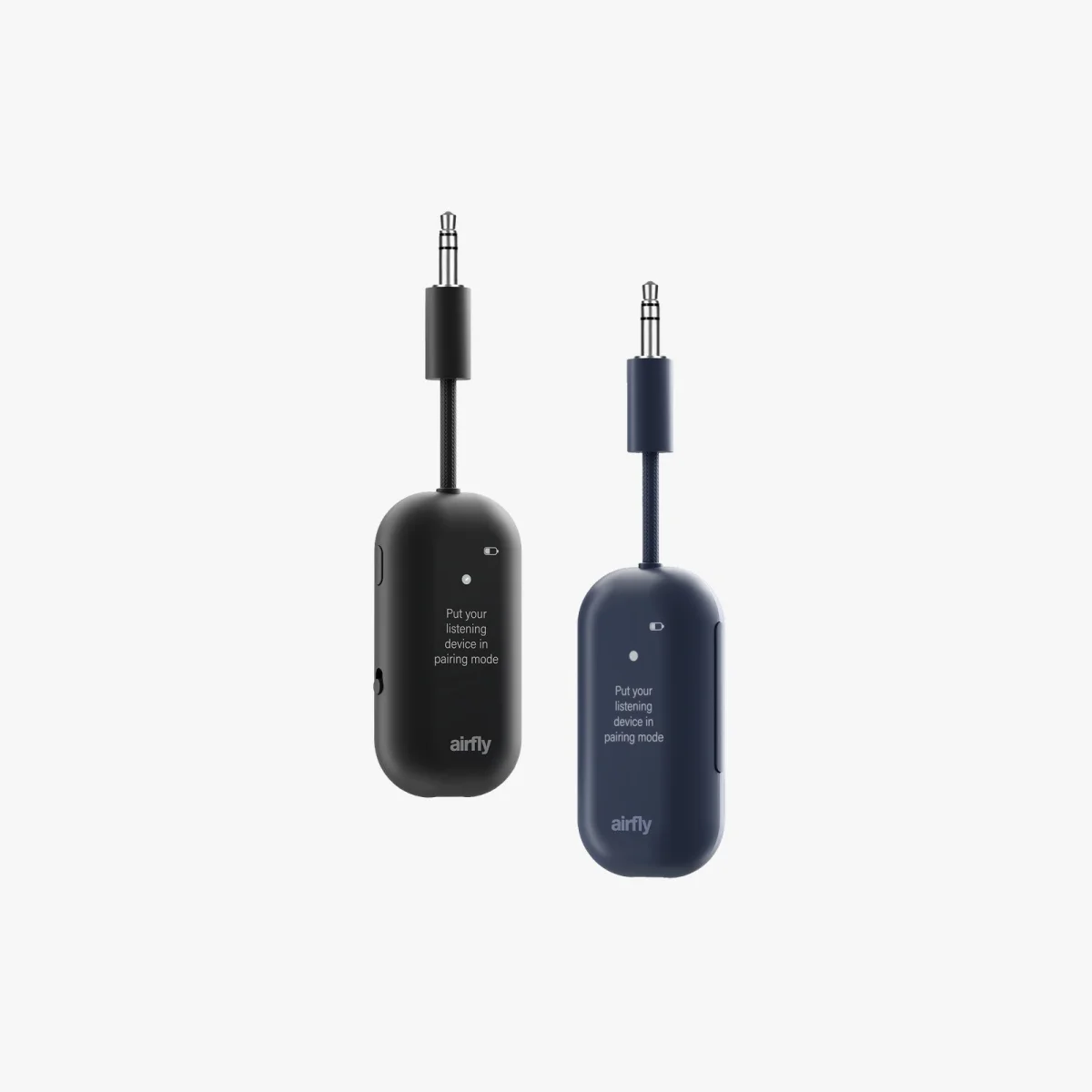
The Twelve South AirFly View is available through the company’s website and Amazon for $80. It comes in black or coastal blue. At that price, the screen is the product’s clearest point of difference from the familiar transmitter format described here. Buyers who already pair their headphones without difficulty may see less value in the added guidance; for those who regularly need a reminder, the display puts the instruction where it’s needed.
For travelers who regularly use wireless headphones with wired entertainment systems, the most notable change is the display: it turns an often unclear pairing routine into a process with on-device prompts and a connection confirmation. The broader case rests on convenience, two-listener support, and a design that can serve other audio setups. The numbers here are underwhelming if you’re expecting a major leap in battery life or a new way to connect; the pitch is a more legible setup process. A small improvement, then, aimed at a recurring nuisance.
 Twelve South