Seasickness on a Charter: Prepare Before Departure and Find Relief Afloat
Plan medication and meals before leaving the dock, then use fresh air, a horizon view and a steady spot near the boat’s center if nausea begins.
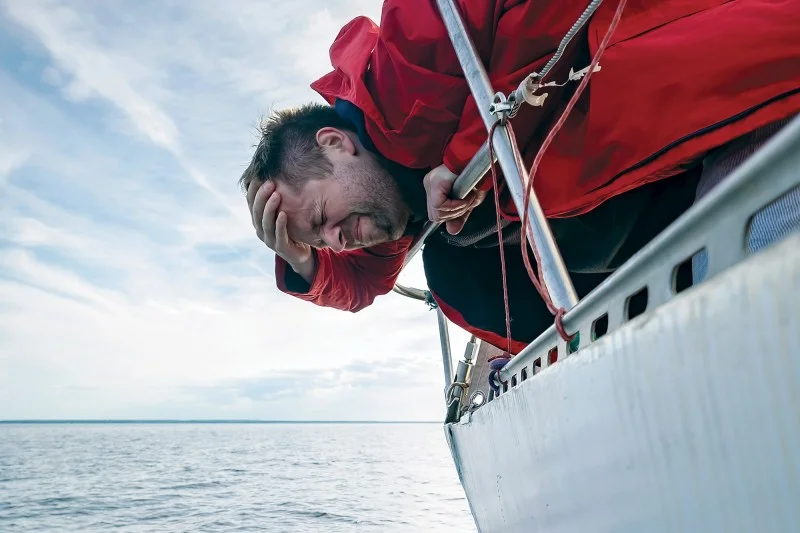
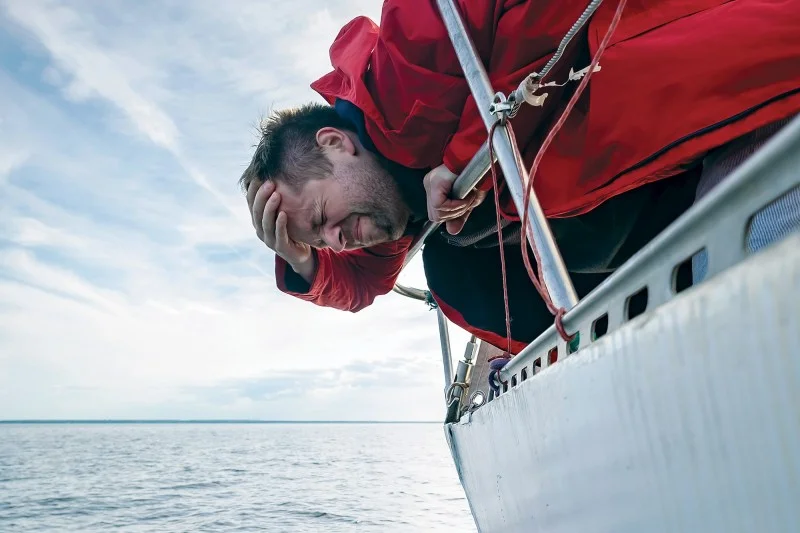
Seasickness is easier to manage before departure than after symptoms begin. A charter guest who knows they’re prone to motion sickness can make a plan on shore; someone sailing for the first time can take the same practical steps without assuming how their body will react. The aim is to reduce conflicting signals from sight and balance, and to have a response ready if nausea starts.
Set yourself up before leaving the dock
Eat something light before boarding. An empty stomach can make the trip harder, while a heavy or greasy meal just before departure may also sit poorly. Keep alcohol for later, and drink water in small amounts. In hot conditions, avoid forcing down excessive water: too much can upset the body’s electrolyte balance.
If you’re considering medication, ask a doctor or pharmacist whether it suits you, and read the package directions. Timing matters. Many remedies take time to work, and trying a medicine for the first time once the boat is moving leaves little room to learn how it affects you. Make the decision before departure and follow the product instructions.
Over-the-counter Dramamine and Bonine are familiar options, though drowsiness can be a drawback. Less-drowsy versions are available. Dramamine for Kids is an option for younger passengers; check its directions and suitability with a health professional. Cinnarizine, sold under the Stugeron brand in many places, is another option available over the counter in much of Europe, the Caribbean and the Bahamas. Brand names and availability vary by location.
Nereus (tradipitant), a prescription medicine, entered the U.S. market in May. It’s taken once a day, and its clinical trials took place at sea. The reported price was about $85 per capsule through the manufacturer’s online portal and about $250 per capsule at pharmacies. Headache and drowsiness were reported in about 5 percent of trial participants. Those details can help frame a conversation with a prescriber, but suitability and cost are personal considerations.
Transderm Scop, which contains scopolamine, is a prescription patch applied behind the ear. It releases medication through the skin and lasts three days; a replacement patch can then be used. Follow the package directions, don’t cut the patch, and wash your hands after handling it. Medication transferred from your fingers to your eyes can cause vision problems.
Nonprescription approaches include acupressure wristbands, with designs ranging from elastic bands with pressure beads to silicone or leather versions. Some electronic bands use gentle pulses and may be built into a watch. Ginger, including candied or crystallized pieces, is another commonly used option. People’s responses to these approaches vary, so it’s sensible to try a chosen method before relying on it during a charter.
If nausea starts underway
Move into fresh air and stay on deck when you can. Going below into an enclosed space while the boat moves may make symptoms worse. If you need to fetch something or use the head, keep the trip brief. For a steadier place to sit, choose a spot in the cockpit near the boat’s center, where motion is less pronounced.
Look toward the horizon rather than tracking nearby waves. A stable visual reference may help your balance system make sense of the boat’s movement. If it’s appropriate and another crew member can supervise, try steering: having a task and anticipating the boat’s motion may help you feel more settled. Don’t take the helm if nausea affects your ability to do so safely.
Take small sips of a drink instead of gulping, and skip alcohol. Room-temperature water may be easier to manage. Candied or crystallized ginger can offer a simple option when your stomach feels unsettled, though it won’t work for everyone. Some people also find that soothing music through earbuds or headphones gives them something else to focus on; this may be useful for children or for anyone who prefers to avoid medication.
If vomiting seems likely, ask another crew member to bring a bag or bucket. If you need to use the side of the boat, choose the leeward side, away from the wind, so the breeze is less likely to carry anything back aboard. Keep your balance and follow the crew’s direction while the boat is moving.
For many sailors, the first day is the hardest, and some adjust as the trip continues. That possibility isn’t a reason to ignore worsening symptoms or skip preparation. A light meal, a considered remedy and a plan for fresh air and a stable place to sit can make the first hours afloat easier to manage.
Editor-at-large Lynda Morris Childress and her husband, Kostas Ghiokas, charter their Atlantic 70, Stressbuster, in the Greek Islands. She has spent the past 20 years sailing with various charter groups and observing what works well and what can go wrong.
The post How to Prevent Seasickness on a Charter Vacation appeared first on Cruising World.