Lightweight Four-Season Backpacking Tents: Eight Models for Wind and Snow
Compare eight shelters by weight, space and storm protection, then match your tent choice to the forecast and exposure of your trip.
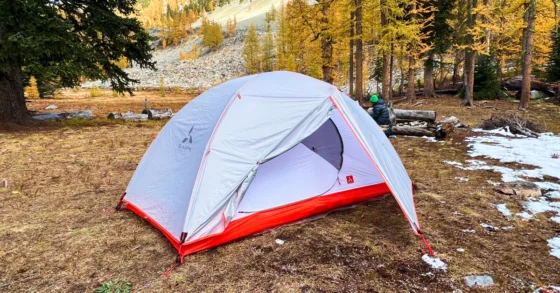
For backpackers heading into snow, strong wind or exposed terrain, shelter choice comes down to a practical tradeoff: freestanding tents offer more stability and protection, while pyramid shelters cut weight and open up more floor area. This guide compares eight models weighing five pounds or less, from sturdy two-person tents to floorless Dyneema pyramids for snow travel.

The recommendations draw on field use in Patagonia, Alaska and elsewhere, alongside comparisons of weight, materials and dimensions. The guide focuses on backpacking and multi-day travel on skis or snowshoes; it doesn’t cover basecamp tents or alpine bivy shelters. Prices and specifications below are those reported in the source and may vary by model configuration.
Choosing a shelter for the conditions
Season labels alone don’t settle the question. A summer trip can call for a stronger shelter, while a winter trip in sheltered terrain may suit a three-season tent. Terrain, forecast and the relative strength of the tents you own all matter.
The guide recommends considering a four-season tent when the forecast calls for an inch or more of snow or winds of 30 mph or higher. Severe-wind regions such as Patagonia and exposed ground such as an alpine ridge raise the case for a sturdier tent; forecasts may understate the wind on exposed terrain. A less sturdy three-season shelter may also make a four-season option the better choice in more conditions.
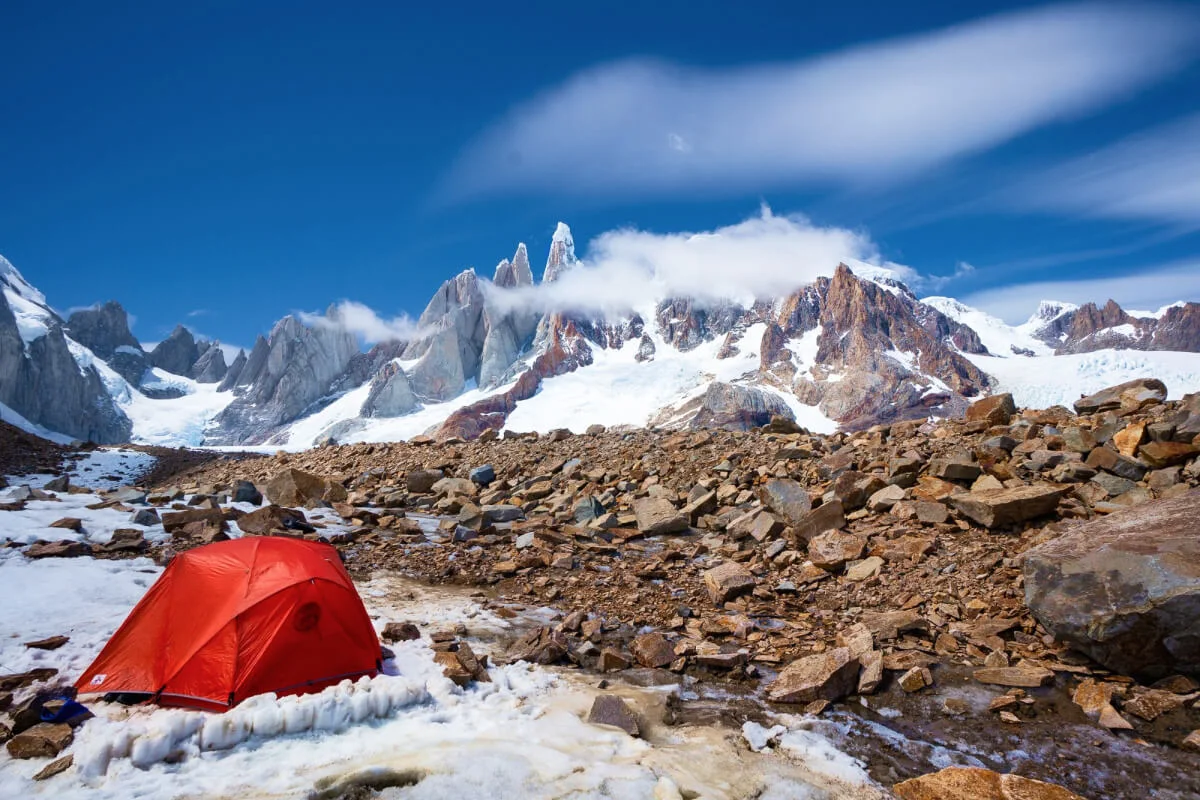
Before setting out, check the forecast and assess how exposed your planned camp will be. A tent’s stated strength doesn’t remove the need to choose a suitable site or pitch it securely. For pyramids, the pitch takes practice, and the floorless, single-wall design brings different tradeoffs in condensation, insects and snow management than a conventional tent.
Freestanding tents: more structure, more weight
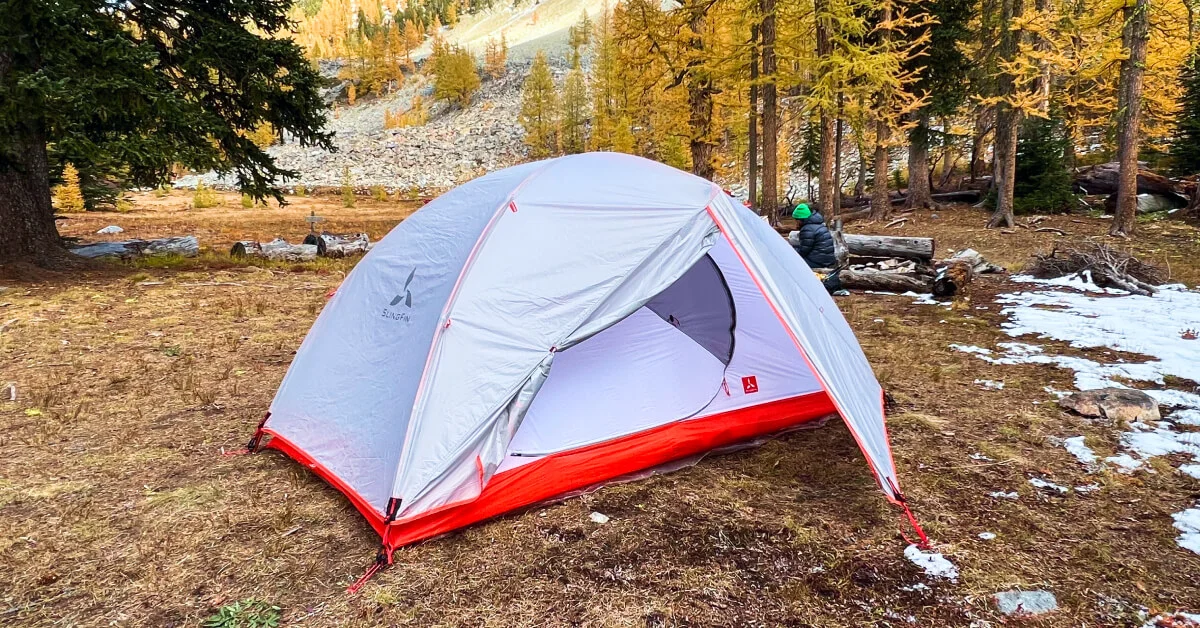
Freestanding models use poles to support the tent body and are heavier than pyramids, but the guide describes them as more stable. The SlingFin CrossBow is the all-around pick: it weighs 67 ounces, costs $790 and has 32 square feet of interior space. Its 10.65 mm DAC poles connect through a WebTruss system, with internal guy lines and optional trekking-pole outriggers adding support in wind.
A solid inner wall helps keep spindrift out and can make the sleeping area 5–10 degrees warmer than mesh, according to the source. The 20D silicone-coated nylon fly is described as more waterproof than Sil/PU alternatives; a through vent helps manage condensation. The tent’s 41.5-inch peak height and 22-square-foot vestibule area support a livable setup, though the detailed specifications list 11 square feet of vestibule space. The CrossBow is relatively light for its level of protection, but requires seam sealing at home. Its corner hardware doesn’t allow tensioning at the tent body, and the through vent may collect some rain.

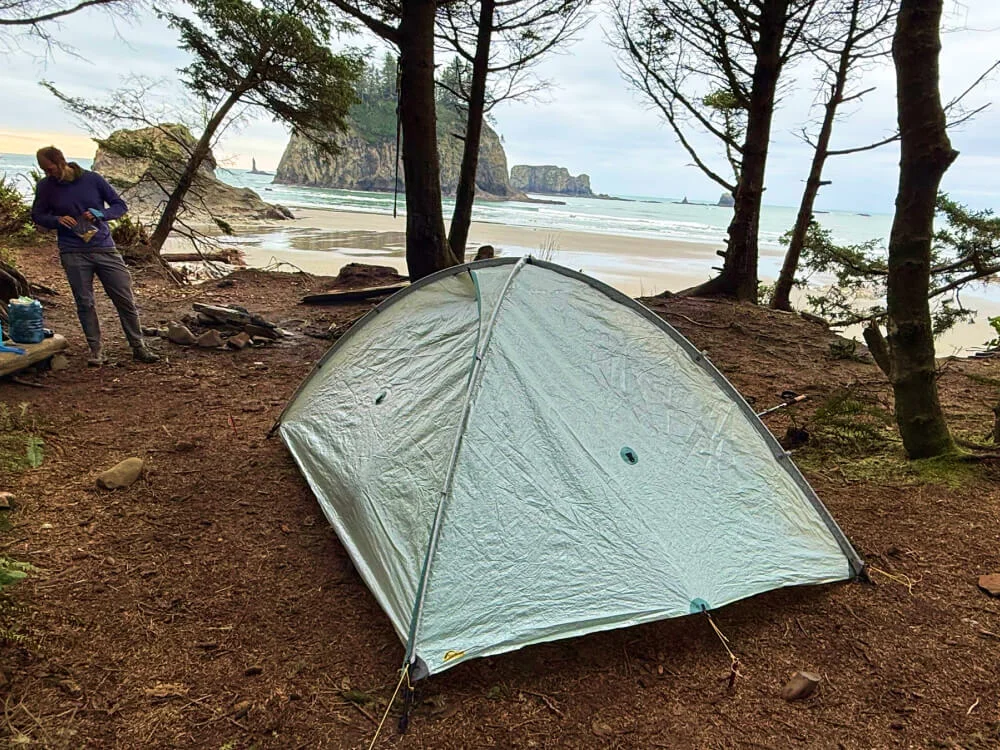
For a lighter freestanding option, the Tarptent ArcDome 2 weighs 57.8 ounces and is listed at $569. It pairs a 32.5-square-foot interior with a 45-inch peak height. Its rectangular fly and offset interior leave the vestibules flush with the tent’s sides, reducing the profile presented to wind. Buyers can choose among three pole thicknesses: 8.8 mm carbon, 9.3 mm aluminum or 10.65 mm aluminum. The inner is available in mesh for more ventilation or solid fabric for warmth and spindrift protection; a three-person interior can be chosen without the vestibule.
The ArcDome is a little lighter and less sturdy than the CrossBow. Its other tradeoffs include small doors, limited venting, no ceiling spreader bar and vestibule space that also serves as entry and exit room. A one-person version is available. The source’s comparison table lists 57.8 ounces, 32 square feet of interior space and 14 square feet of vestibule area, while the detailed description gives 32.5 and 11 square feet respectively.

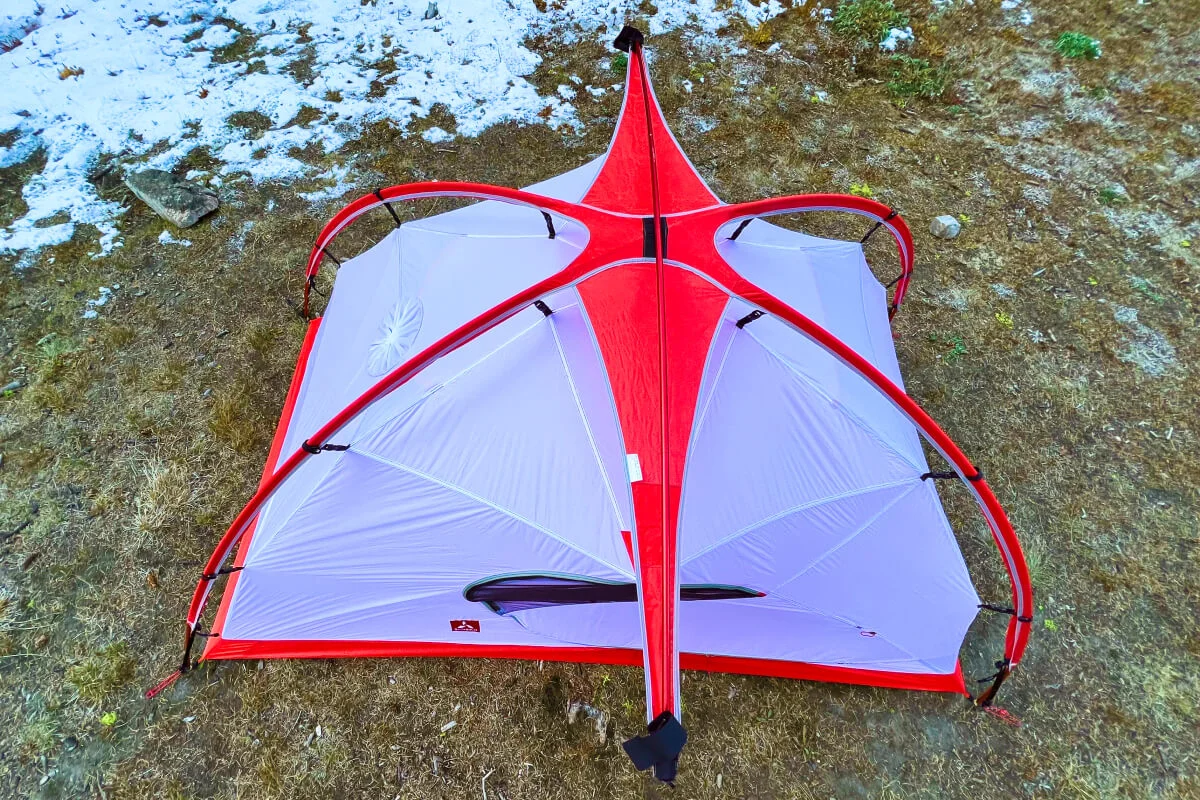
For the guide’s strongest wind-focused freestanding choice, SlingFin WindSaber uses four 10.65 mm DAC poles: two cross in a WebTruss sleeve, with a top spreader and frontal reinforcement completing the structure. It weighs 79.8 ounces, or about five pounds, and costs $975. Its solid inner, 15 exterior tie points, internal guy lines and trekking-pole outrigger attachments provide options for adding support. A large pass-through vent and interior pockets round out the design.
The WindSaber has 28 square feet of interior area and a 10-square-foot vestibule. Its downsides are its price, small exterior vestibules and more involved setup. It’s the heaviest model in this group, and the guide positions it for trips where wind resistance matters more than saving the last ounces.

Pyramid shelters: more room for less weight
Pyramids trade the freestanding frame and enclosed inner for low weight and generous floor area. They need a suitable pitch, and the single-wall designs can collect condensation. Most are floorless as sold, so an inner or floor may require a separate purchase. That setup can work well for snow travel, but it calls for a clear plan for sleeping, gear storage and ventilation.
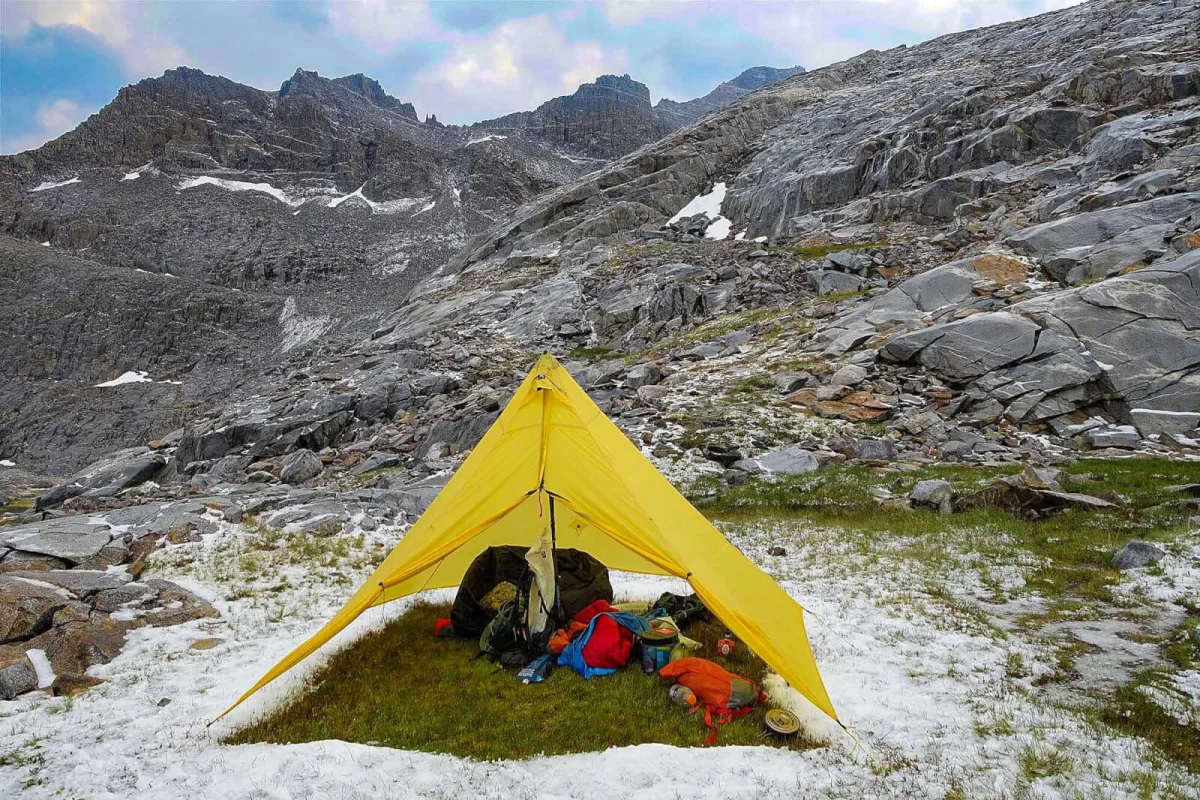
The SlingFin Cinder Cone is the value pick at $470, excluding stakes. It weighs 27 ounces and offers 81 square feet of floor area beneath a 72-inch peak. Three through vents and perimeter pull vents are designed to move air through the shelter and reduce condensation. Open the large toothed zipper doors in fair weather and the tent can feel more like a tarp shelter.
Its 10D Sil/Sil nylon fly is described as waterproof, UV resistant and long-lasting compared with traditional Sil/PU fabric. Reinforced corners and an ALUULA top cap add durability. The tradeoffs include untaped seams, dangling vent cords and slippery fabric that can be awkward to fold and pack. More vents mean more seams that could become points of wear or water entry over time.
For a two-person Dyneema pyramid, the Hyperlite Mountain Gear UltaMid 2 weighs 19.1 ounces and has 63 square feet of floor area. The comparison table lists a $699 price, while the detailed product section lists $730; the UltaMid 4 is listed at $849 in the table and $880 in the detailed section. The larger version weighs 22.4 ounces and provides 85 square feet.
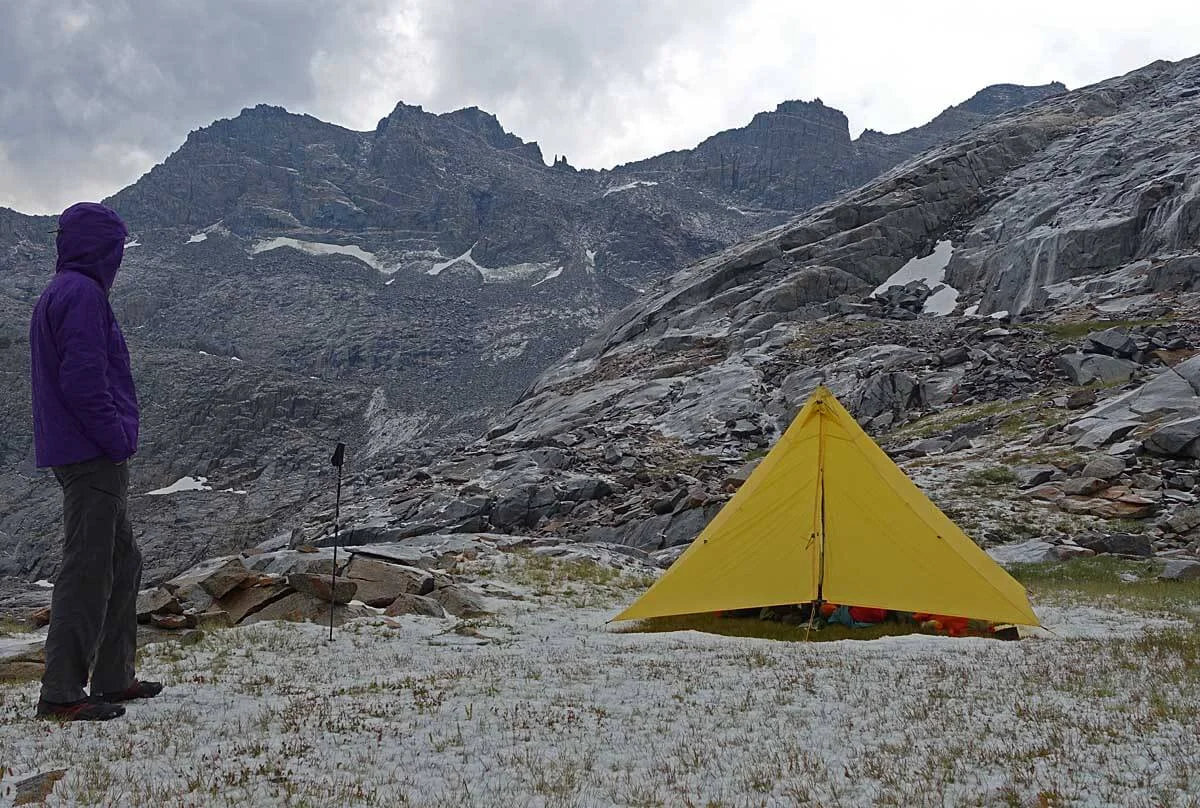
Dyneema is waterproof, light and resistant to stretching, so a properly tensioned shelter won’t sag as the fabric gets damp or carries snow. The UltaMid has two peak vents and extra tie-out points. It’s floorless and single-wall, isn’t inherently bugproof and isn’t freestanding; an inner nest and floor are sold separately. The center pole can divide partners, and the entry zipper bears tension, which the source identifies as a potential weak point. Learning to pitch it well is part of using the shelter.

Mountain Laurel Designs’ DuoMid XL shifts its trekking pole off center, leaving partners room to sleep side by side without a pole between them. The offset also creates a more sheltered entrance area. The DCF model weighs 16 ounces, costs $785 and provides 65 square feet of floor area beneath a 59-inch peak. It has a peak vent, multiple tie-outs and a storm flap over the zipper. Floors and mesh inners are available in different configurations.
The larger SuperMid is also listed, at $885, 19 ounces and 70 square feet. Both models remain floorless, single-wall pyramids, with the associated condensation and insect considerations; an inner and floor are sold separately. The source reports a 7–10 week lead time for the DuoMid XL. Its low weight and roomy layout come with the same need for a practiced pitch as other pyramids.
Match the shelter to the trip
Choose among these tents by weighing exposure, expected weather, interior needs and tolerance for a more involved pitch. The CrossBow balances structure and livability; the ArcDome trims weight while retaining a freestanding design; and the WindSaber is the group’s wind-focused option. For less weight and more floor area, the Cinder Cone, UltaMids and DuoMid models trade an enclosed freestanding structure for a pyramid pitch and floorless interior.
These recommendations reflect the models and testing described in the source, with further shelters planned as testing expands. Whatever the design, check conditions before departure and make sure its strengths match the terrain you’ll camp in.