Five Ultralight Expedition Backpacks for Winter Trips and Heavy Gear
Compare five high-volume packs by weight, capacity and carry style, from the 25.1-ounce Arc Pro 70 to the 85-liter Porter.
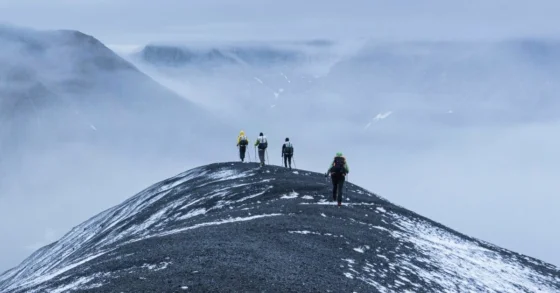
For winter trips, long stretches without resupply and outings with climbing gear, pack weight matters—but so does room for the load. This roundup compares five large packs that pair expedition-sized capacity with lighter builds, while highlighting the tradeoffs that matter on the trail: frame support, external storage, fabric and carrying comfort.

The source sets a target of at least 70 liters, a full frame, a 40-pound load capacity and a weight of 3 pounds or less. Its five featured models don’t all meet every point: the Zpacks Arc Pro 70 is rated to 35 pounds, while the ULA models weigh more than 3 pounds. The figures below reflect the source’s product descriptions; its comparison table and detailed entries differ on some capacities and prices, so check the exact model configuration before buying.
Five packs, five different priorities
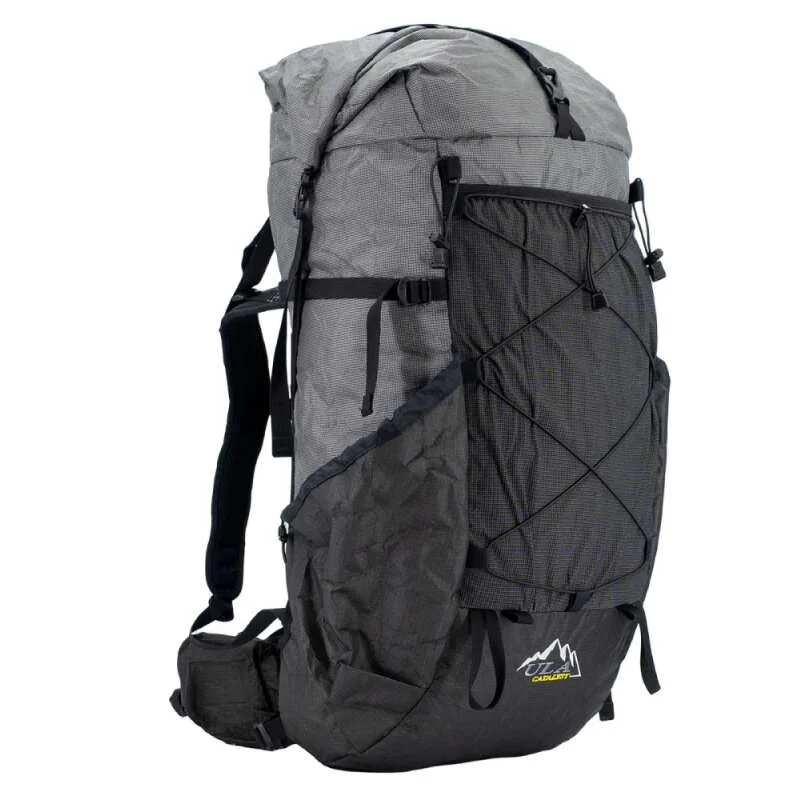
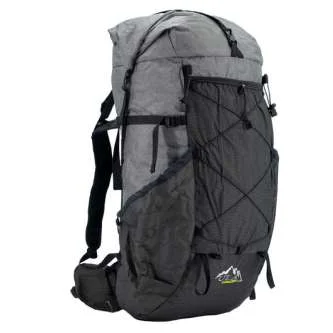
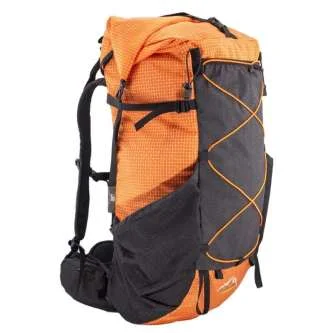
ULA Equipment ULTRA Catalyst is the featured pick for a balance of storage, materials and load transfer. It weighs 40.1 ounces and costs $399. Its detailed listing gives 76 liters total: 52 in the main compartment and 24 in exterior pockets. The comparison table lists 75 liters. Made with Challenge ULTRA fabric, it has tall load lifters, a front stretch-mesh pocket and side and hip-belt storage. A BV500 bear canister fits horizontally, according to the source. The claimed load capacity is 40 pounds. Its main drawback: it doesn’t sit upright while being loaded.
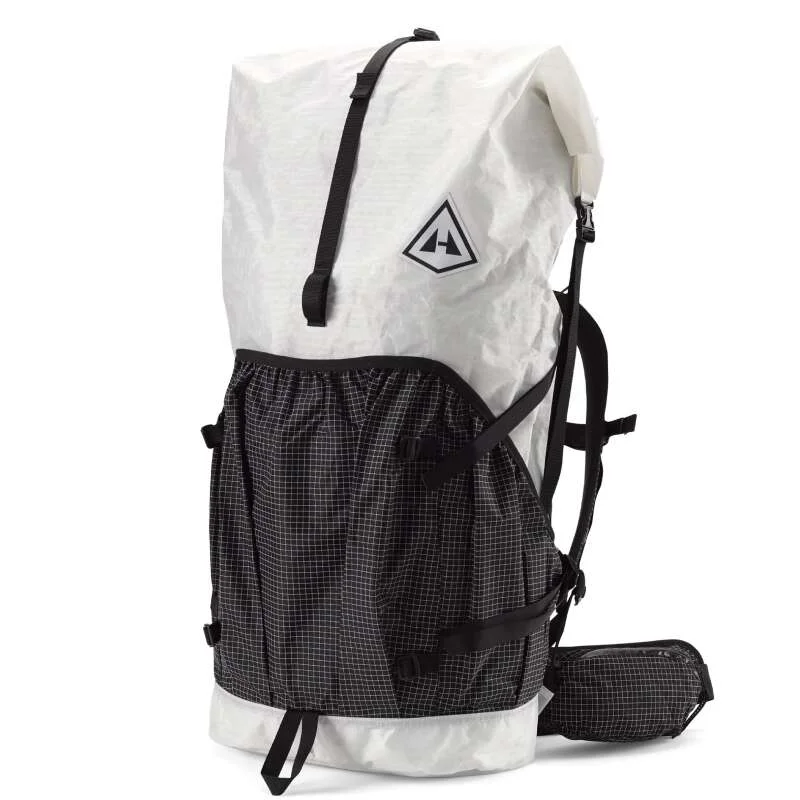
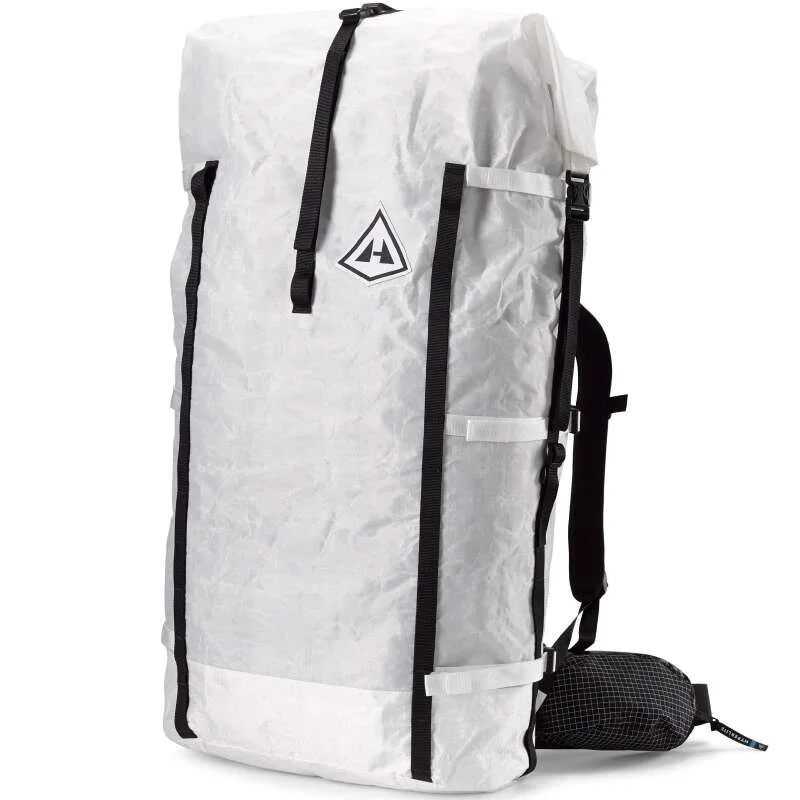
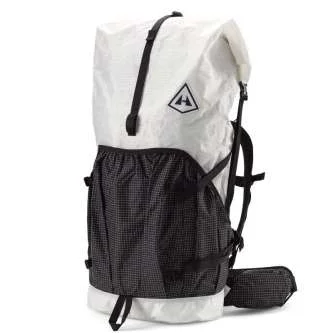
Hyperlite Mountain Gear Southwest 70 pairs a 34.2-ounce weight with a 60-pound claimed load capacity and a listed price of $429 in the detailed entry. That entry gives 80 liters total, with 70 in the main compartment and 10 outside; the comparison table instead lists 86 liters. Its Dyneema fabric and pleated front and side pockets suit hikers who want external storage and a simple design. The pack has no load lifters or ventilated back panel, and the article notes that it can still carry comfortably. The back panel may feel warm against the wearer.
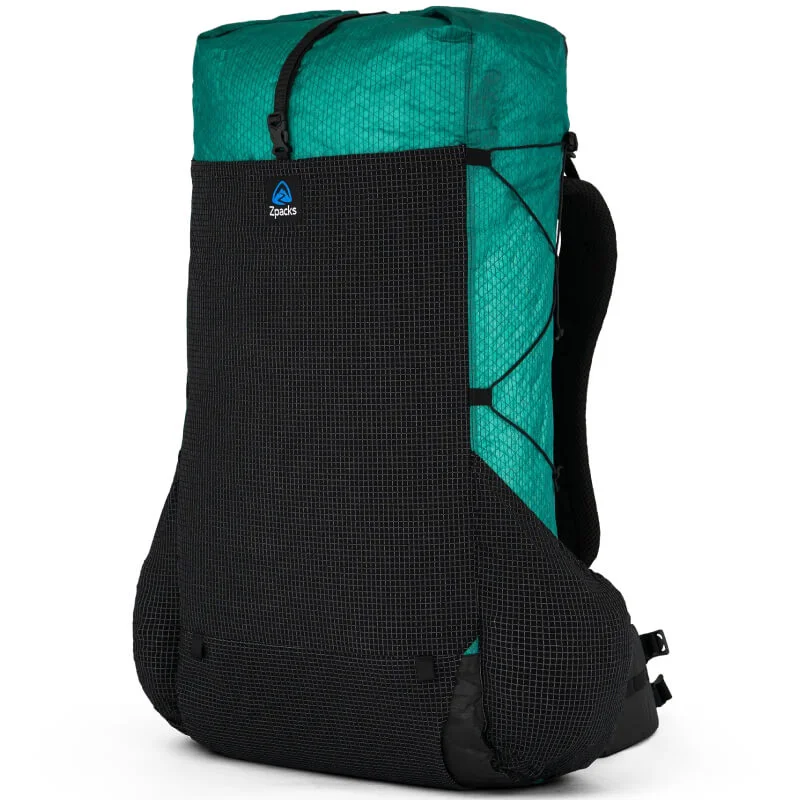
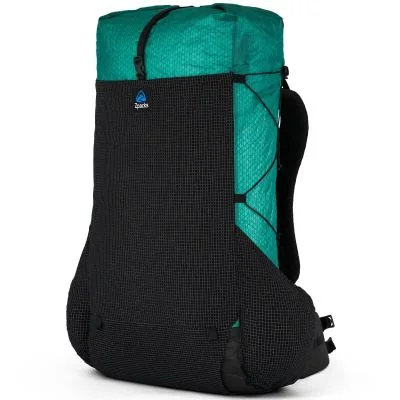
Zpacks Arc Pro 70 is the lightest featured option at 25.1 ounces. It costs $509 with hip-belt pouches, which are sold separately, and holds 70 liters: 57 in the main compartment and 13 outside. The curved carbon frame and sit-pad back panel help transfer weight; the source describes its comfort as strongest up to roughly 30 to 35 pounds. Its 35-pound maximum comfort rating makes it better suited to light, bulky loads—such as a zero-degree sleeping system and a puffy parka—than to very heavy carries. Challenge ULTRA TenX fabric is waterproof and seam-taped. The tradeoffs are a modest frame, trim durability and the added cost and weight of the pouches.
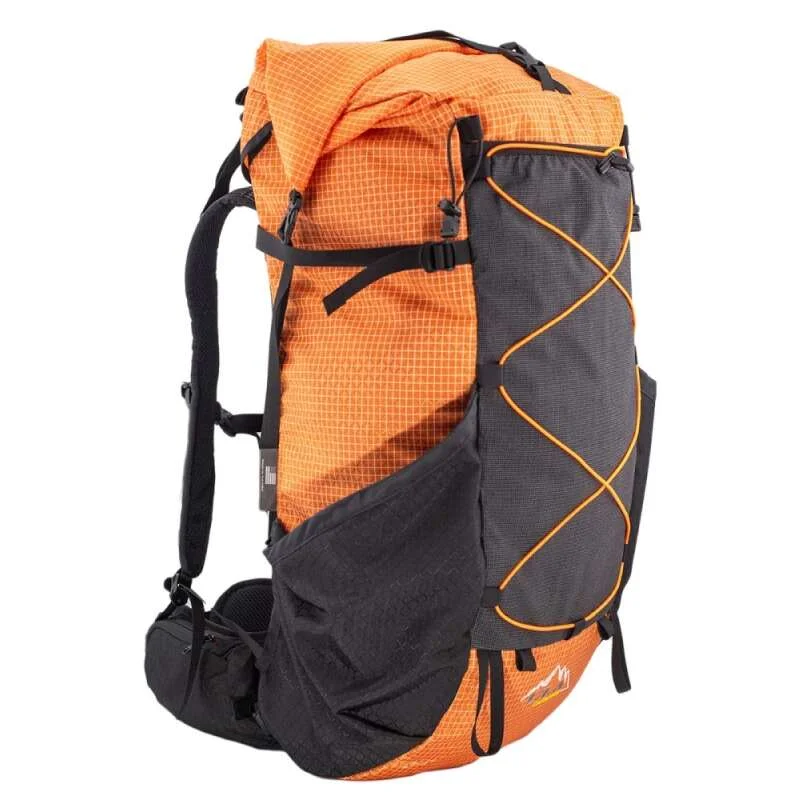
ULA Equipment Catalyst offers a lower-cost alternative at $319 in the detailed entry, with a 44.4-ounce weight and 76 liters total: 52 main and 24 exterior. The comparison table lists $320. Its Robic ripstop nylon is not waterproof, but the pack includes a ventilated back panel, load lifters and substantial external storage. A BV500 fits horizontally, and the stated load capacity is 40 pounds. The source describes it as a popular choice on the Pacific Crest and Appalachian trails. Like its ULTRA sibling, it doesn’t stand upright during loading.
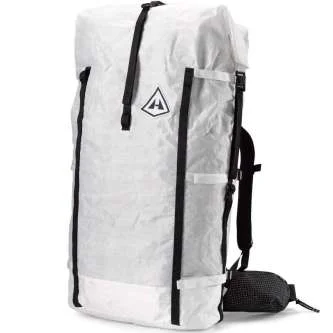
Hyperlite Mountain Gear Porter 85 has the largest main compartment in this group: 85 liters, with no exterior volume listed. The detailed entry gives a weight of 42.4 ounces and a $475 price; the comparison table records 42 ounces and $500. It’s built around a waterproof Dyneema dry-bag-style compartment and is aimed at climbing, canyoneering, skiing and bushwhacking, where open side pockets can snag or let gear fall out. Accessory pockets can be attached, though the source says they don’t match the size or usefulness of dedicated side pockets. The Porter has no load lifters and no back panel; its claimed load capacity is 60 pounds.
Choosing by load and trip
Big packs make sense when a smaller bag would force repeated compression of insulating layers or leave no room for the rest of the load. The source names winter backpacking, a week or more without resupply, carrying a full-size bear canister, base camping, packrafting, family gear, trail work and guiding among the situations that can call for expedition volume. Match capacity to the actual kit: extra space can help, but the pack still has to carry the total weight comfortably.
Frame design involves a tradeoff. Traditional large packs from Gregory and Osprey can add substantially more frame, cushioning and material weight than the ultralight models discussed here. That extra structure may ease pressure on the shoulders, while the added weight increases the load carried by the legs and back. The right balance depends on the pack’s fit, the weight and shape of the load, and the terrain. A stated load rating alone can’t tell you how a pack will feel on your body.
For lighter, bulky loads, the Arc Pro’s low weight and curved frame stand out. For a mix of substantial carrying capacity and accessible storage, the ULA Catalysts offer load lifters and hip-belt pockets; the ULTRA version uses waterproof fabric, while the original costs less and has a ventilated back panel. The Southwest 70 brings a lighter build and external pockets, while the Porter 85 favors a large, closed compartment for technical gear. Compare the detailed configuration, fit and intended load before deciding; price and listed volume vary between sections of the source.
ULA Equipment ULTRA Catalyst | Hyperlite Mountain Gear Southwest 70 | Zpacks Arc Pro 70 | ULA Equipment Catalyst | Hyperlite Mountain Gear Porter 85
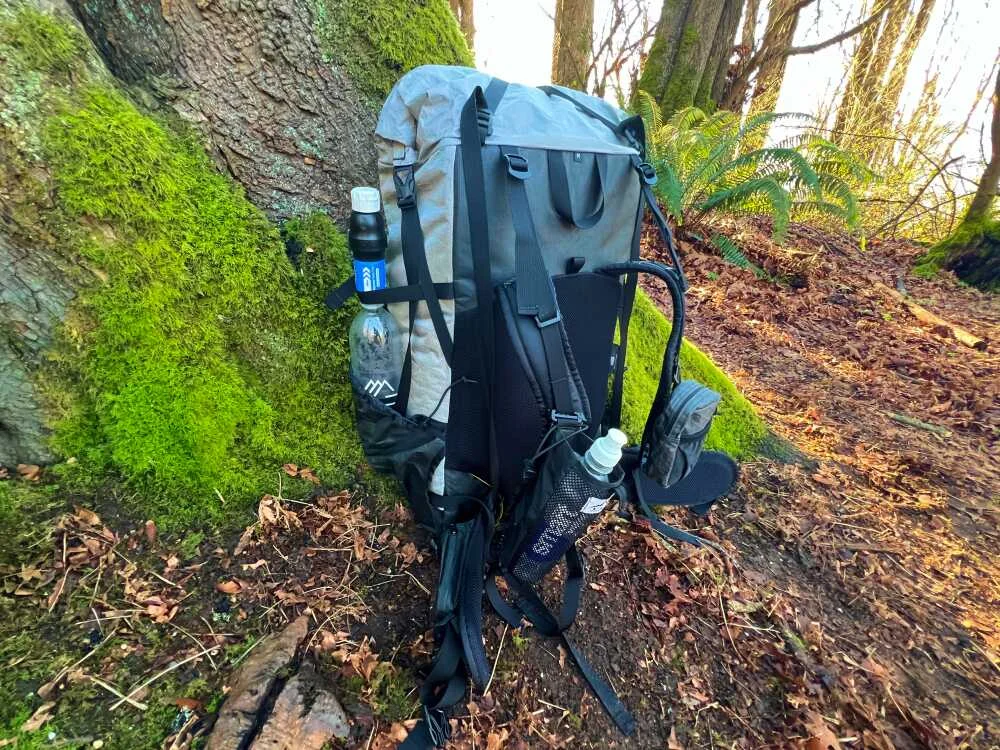
Images and product links accompany the source article. Prices, weights and capacities are reported as listed there and may differ across its comparison table and product descriptions.