From Pearl Pass Klunkers to E-MTBs: Mountain Biking’s Changing Spirit
Pearl Pass’s rough beginnings still shape mountain biking’s appeal, even as modern bikes promise more speed, power and assistance.
Mountain biking’s founding myth fits neatly on a modern e-bike’s screen: ride farther, climb faster, become a “cycling cyborg.” But the sport’s early appeal came from the opposite idea—taking an ordinary bicycle onto rough ground and seeing what happened. The distance between those impulses says a lot about how mountain biking has changed.
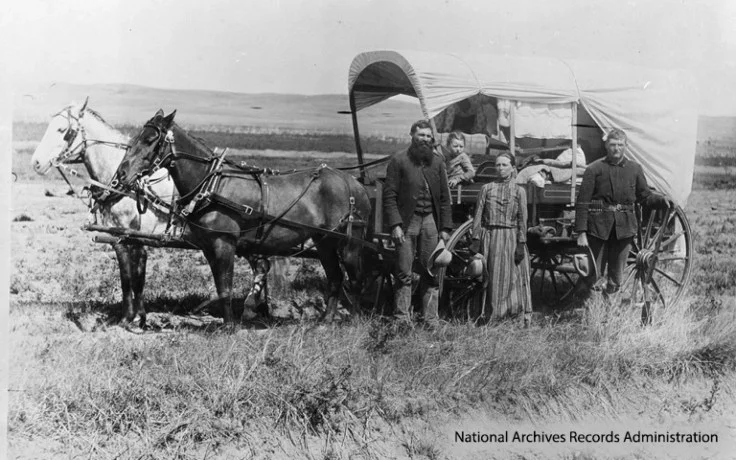
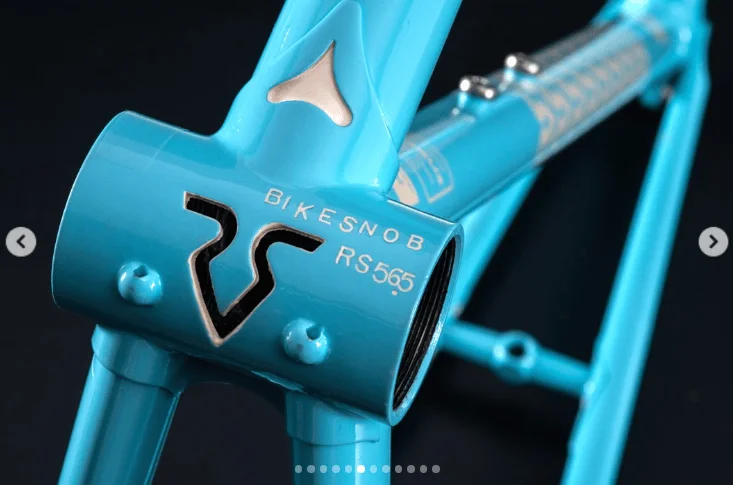
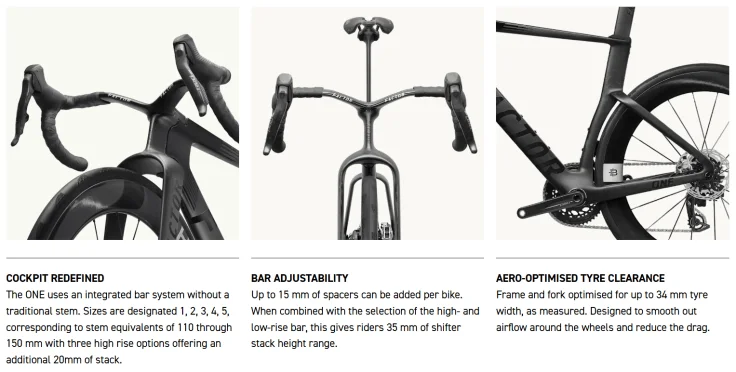
Road-bike design offers its own version of the divide. Some riders favor frames shaped around aerodynamic performance; others want a bicycle that looks and feels more familiar. The Farbman and Factor One represent very different visual approaches, though the source offers no specifications or test results to settle the question of how they ride.
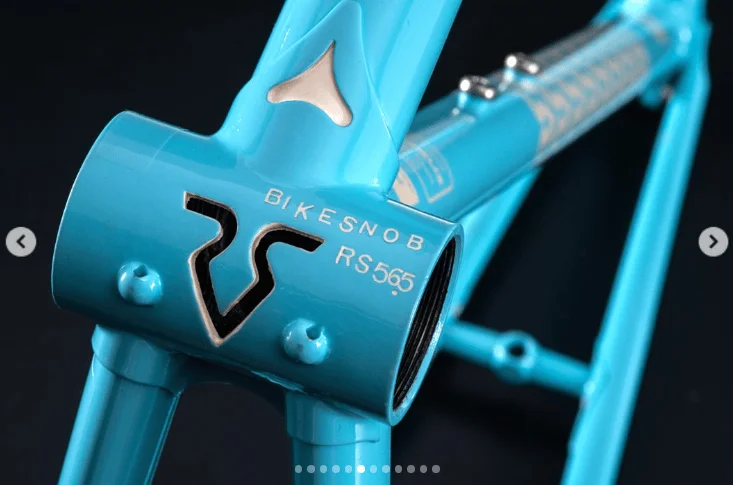
The article’s narrator prefers a less insect-like silhouette, joking that a road bike without “dick breaks” would be out of the question and calling the Factor One a more appealing alternative. The images carry much of the argument: one kind of design reads as sleek and mechanical, another as an insect’s mandible. That’s a matter of taste, while wind-tunnel data is a matter of performance; cyclists don’t always choose by the same measure.
There’s a broader question behind the frame jokes. How much of cycling’s identity comes from the machine, and how much from where people take it? The early mountain-bike story is often told through riders who brought bicycles onto terrain that wasn’t designed for them. Before a dedicated bike category existed, the route itself was part of the experiment.

Pearl Pass and the klunker years
A ride over Colorado’s Pearl Pass in September 1976 is one of the stories that gives that origin narrative its grit. Fifteen cyclists set out on “klunkers,” aiming to cross the 12,700-foot pass and reach Aspen. One account describes a 38-mile route that wrecked all but two riders’ bicycles; a separate account gives the distance as 39 miles over two days and the elevation as 12,705 feet.
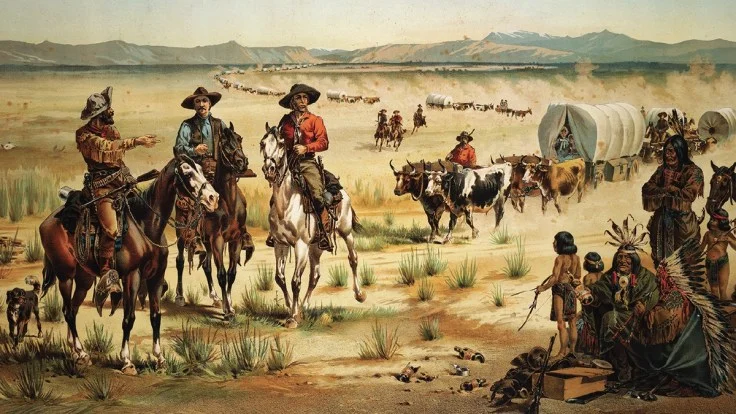
The second version says the group of 15 Crested Butte men and women arrived at the Hotel Jerome in Aspen battered by a “horrifying” descent but eager to repeat the outing the following year. Bob Starr reportedly joked to local reporters that the group wanted a grant from the National Geographic Society to ride in the Andes. The story is funny in retrospect, but the ride itself was a serious undertaking on rough ground, with bicycles that weren’t built for the job.
That distinction matters when retelling early adventure stories. The appeal is not that riders faced no consequences; the accounts describe damaged bikes and a punishing downhill. It’s that they found a new use for cycling by carrying the ride beyond the roads and equipment already familiar to them. The available accounts don’t say what became of the 13 riders who didn’t arrive with the first two, so there’s no basis for a more dramatic ending.
The Smithsonian’s account frames pre-category riding as part of the adventurous history of the American West, while other retellings place mountain biking’s beginnings in both Crested Butte and Marin County. One site is associated with a freewheeling, communal scene; the other with pushing the limits of the ride. Those stories help explain why the sport’s identity still prizes discovery and independence, even as its bikes become increasingly specialized.
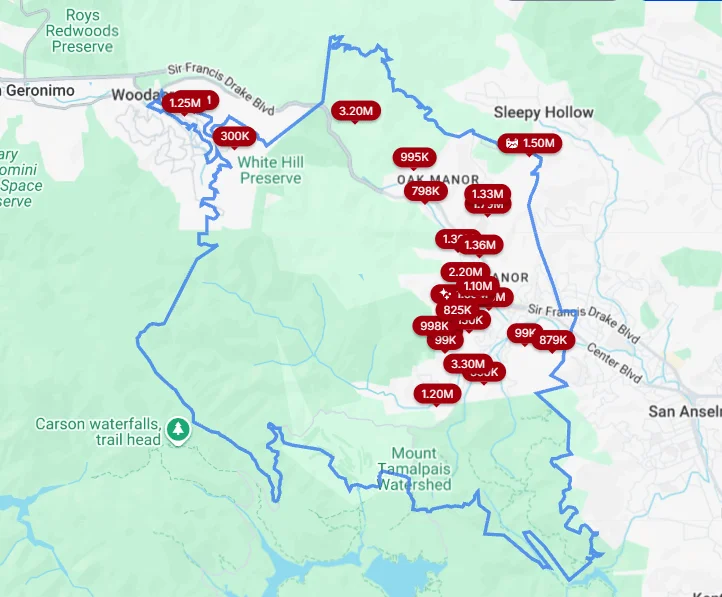
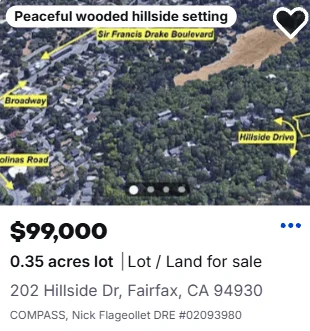
The telling can also romanticize its setting. The narrator notes that the places associated with mountain biking’s early years have become difficult to afford, then jokes about finding a $99,000 parcel with no house on it. The point is not a property guide; it’s a reminder that the romantic image of dirtbag life in famous outdoor towns can sit awkwardly beside their present-day prices.
For today’s riders, the practical lesson is simpler: a route’s history doesn’t describe current conditions. Pearl Pass’s 12,700-foot elevation and rough descent make the story compelling, but these accounts don’t provide present-day route information, trail access details or conditions. Anyone considering a ride needs current local information and a plan matched to the terrain, weather and their own experience.
More power, different expectations
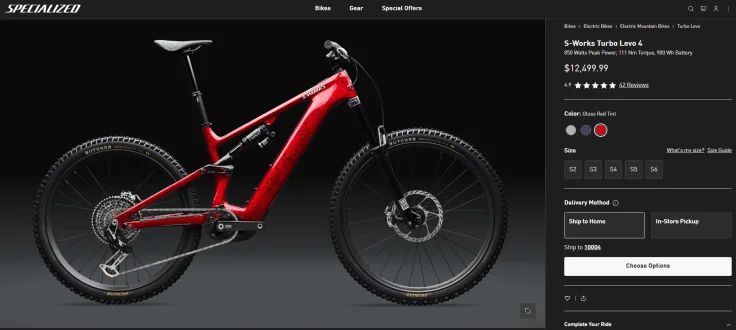
Modern equipment gives the sport a new kind of frontier. The article points to the $12,499.99 Specialized S-Works Turbo Levo 4, whose marketing promises to turn its rider into a “cycling cyborg.” That price and phrase mark a sharp shift from the klunker story: the machine is now a high-end product designed to extend what a rider can do, rather than a makeshift tool taken onto an unpaved route.

The joke about artificial intelligence taking over recreational cycling gives the narrator’s unease a comic edge, but the more grounded tension is between assistance and self-reliance. A powered bike can change the effort and distance a ride demands. Whether that’s the right tool depends on the rider, the outing and the experience they want; a slogan alone can’t answer that.
Mountain biking is sometimes described as “the new skiing,” while road cycling gets compared to golf. The narrator points out that ski resorts also host mountain-bike riding and teases the amount of travel and video preamble involved in reaching the trail. The comparison lands because both resort activities can depend on access, lifts or a drive to the starting point. Yet riding a bike downhill still doesn’t automatically make a trip an expedition.
The strongest thread from Pearl Pass to the e-MTB isn’t a single frame shape or power system. It’s the choice to ride with purpose, understand the terrain and decide what kind of experience the equipment should support. Mountain biking’s adventurous reputation will hold up best when the stories keep both parts in view: the freedom to explore and the care needed to do it well.
Factor One · Smithsonian account of early mountain biking · Another account of the Pearl Pass ride · Specialized S-Works Turbo Levo 4
===