Four Standout Builds at Bespoked Osaka: Aya Bikes, Blue Lug and More
From a carefully sized Ghooost ATB to Cicli Barco’s integrated steel road bike, four Bespoked Osaka builds connect craft, heritage and fresh ideas.
Four bikes at Bespoked Osaka showed how much character comes from the decisions behind a frame: who it’s built for, which details carry a maker’s history, and how far a builder will go to make a design work. Aya Bikes tailored an ATB to its rider; Blue Lug and Toyo revisited a BMX inspired cruiser; Cook Paint Works turned familiar shop textiles into paint schemes; and Cicli Barco routed hydraulic lines through a traditional steel road bike.
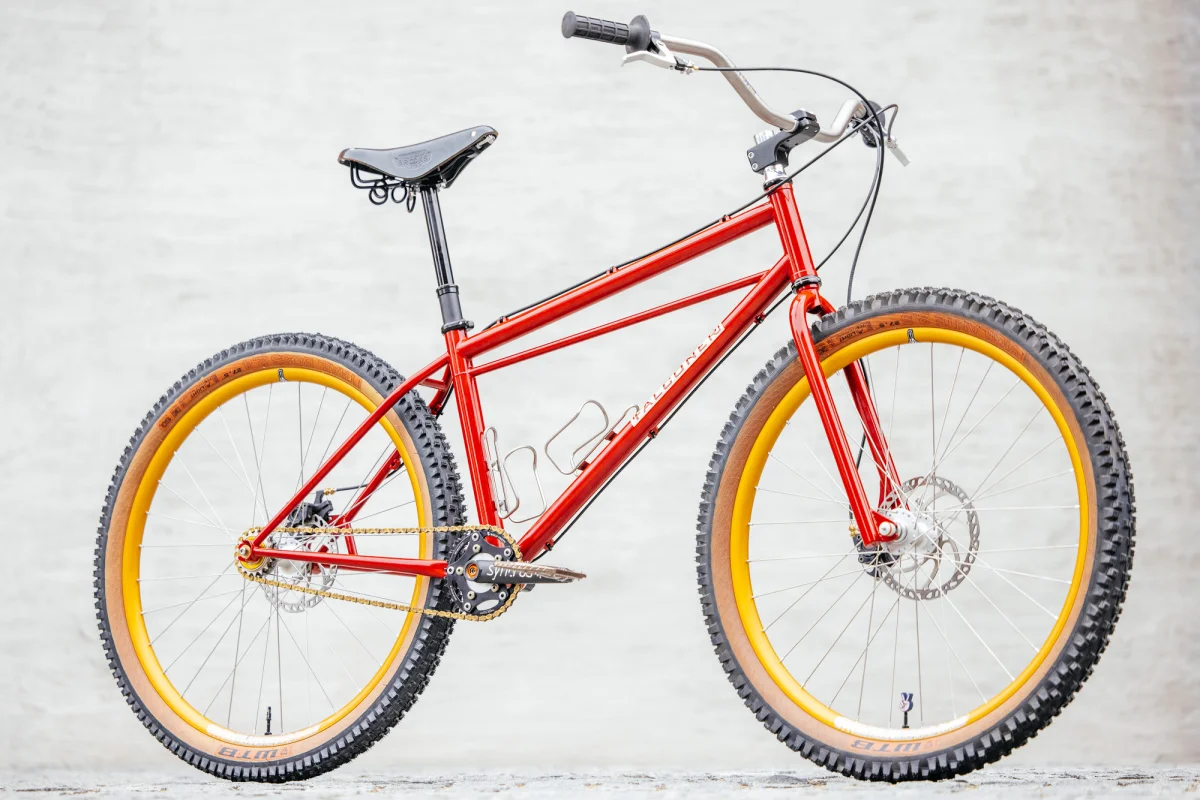
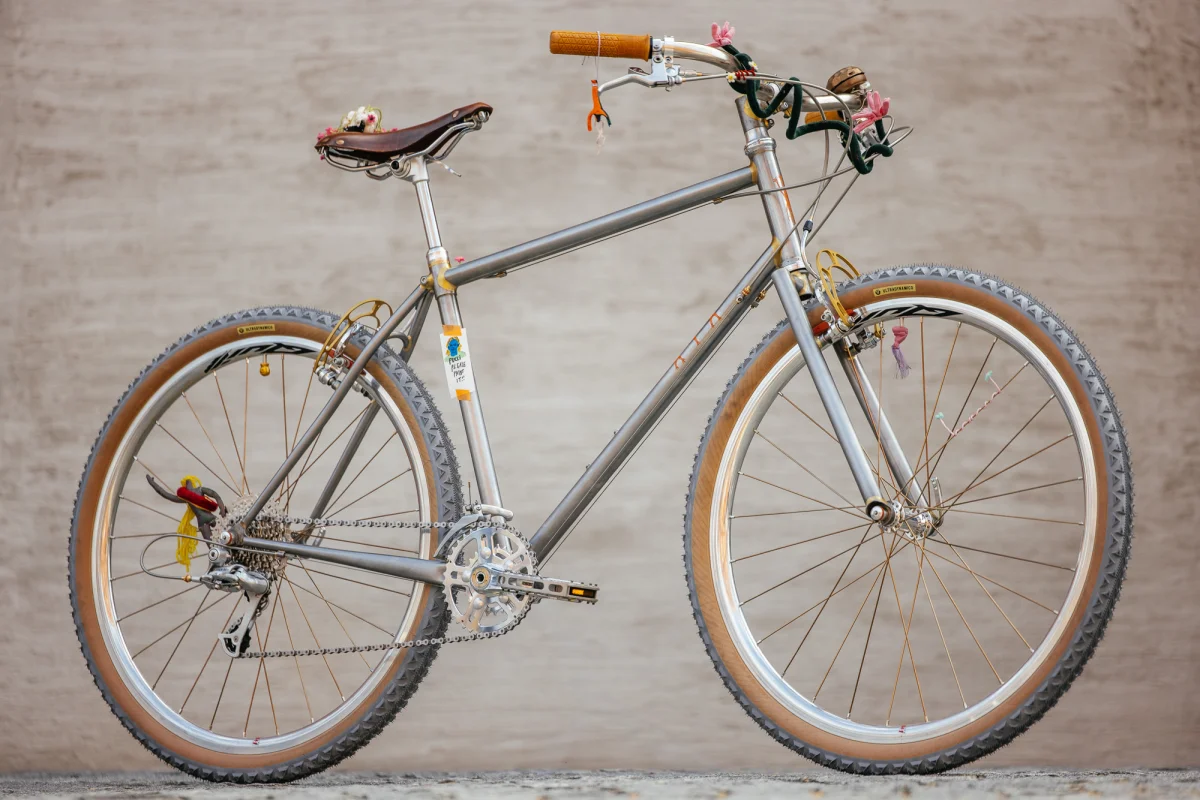
Aya Bikes builds around the rider
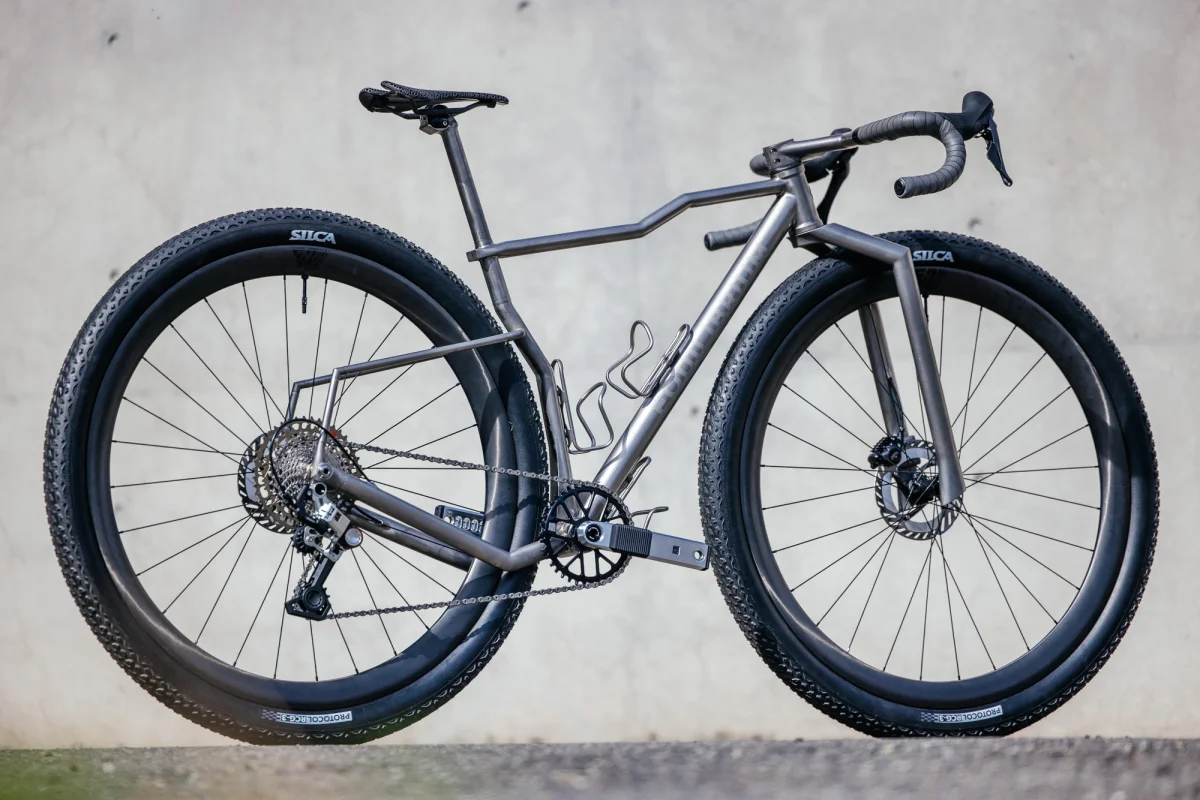
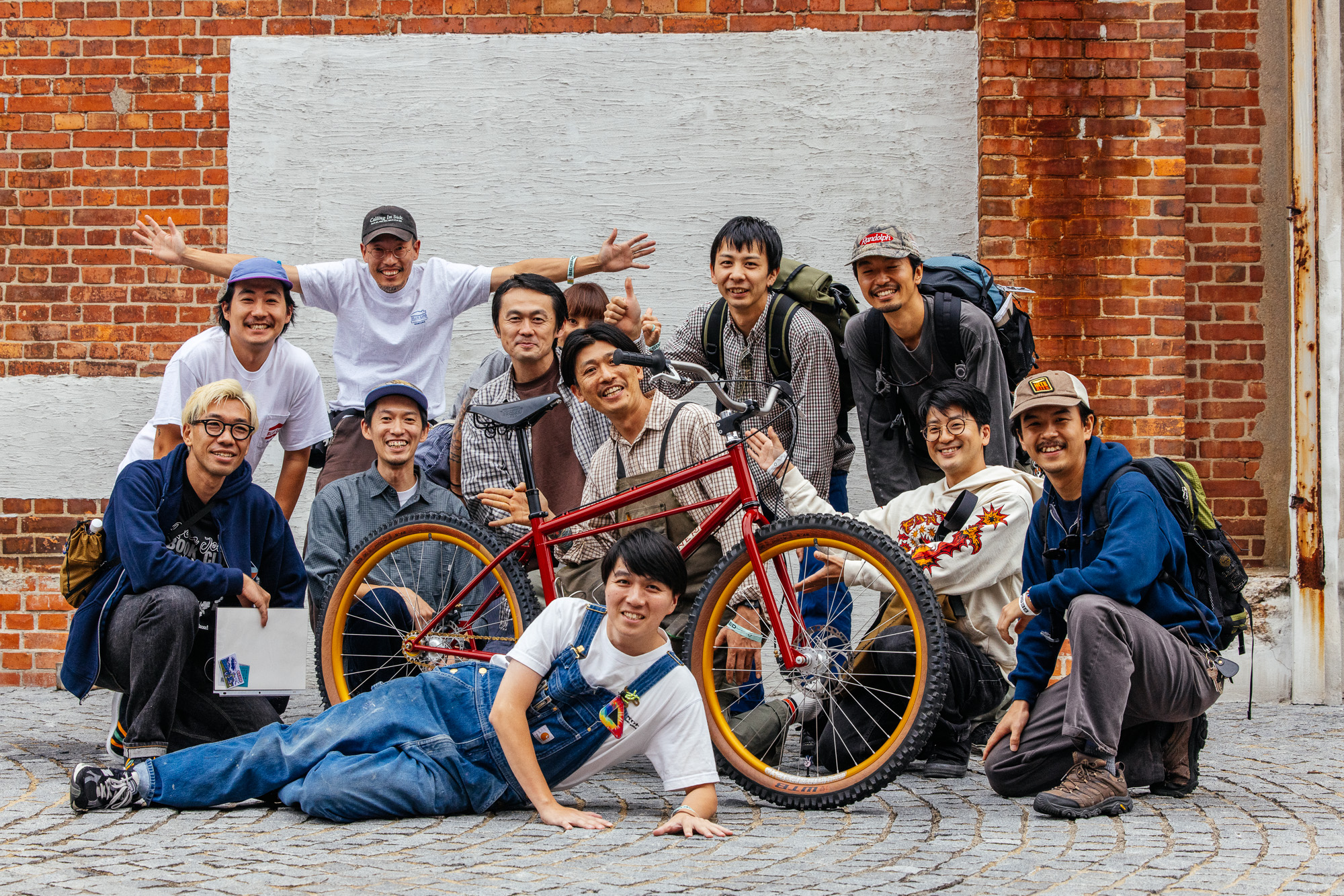
Aya Akamatsu, based in Himeji City, trained at Tokyo College of Cycle Design and spent four years building Sim Works Doppo frames after three years of study. At the show, she presented a new Ghooost ATB for Mai Ohara. The project began with a practical fit problem: many ATBs and gravel bikes on the market feel too large for Japanese women. Aya set out to refine the frame’s size and proportions for shorter riders, with Mai as the first client for this design.
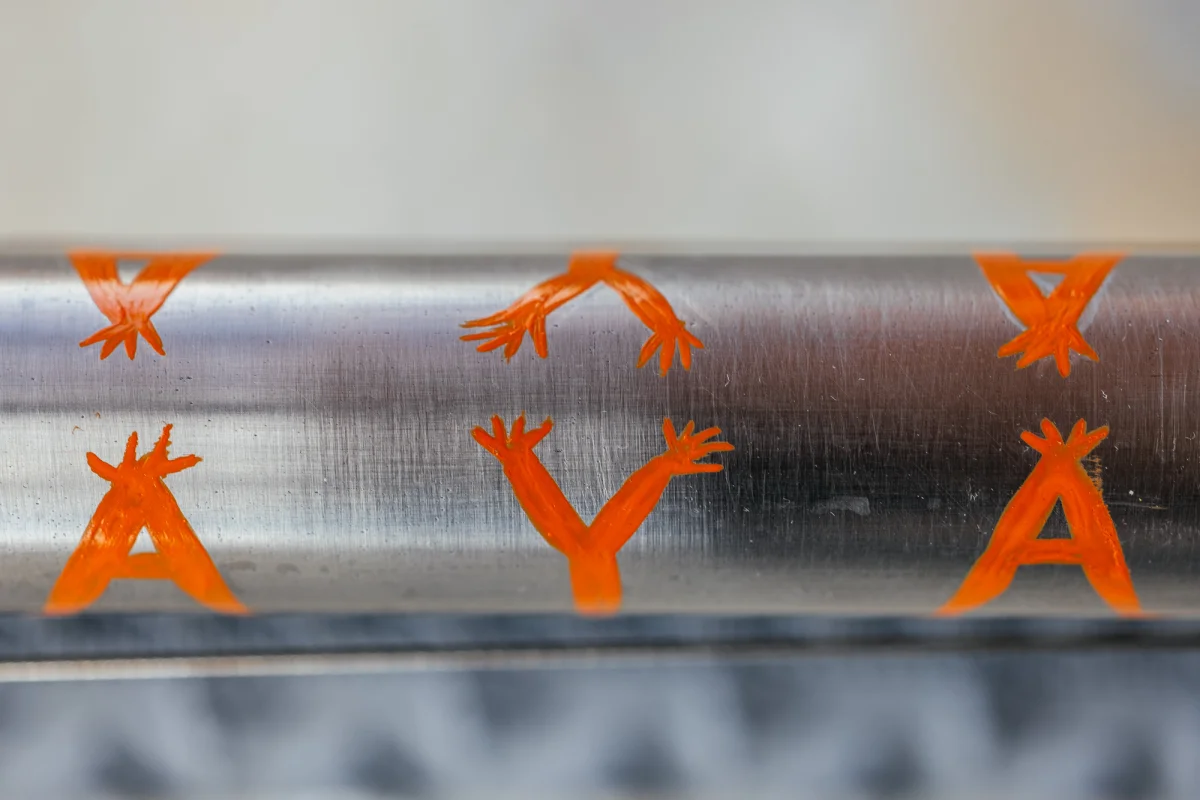
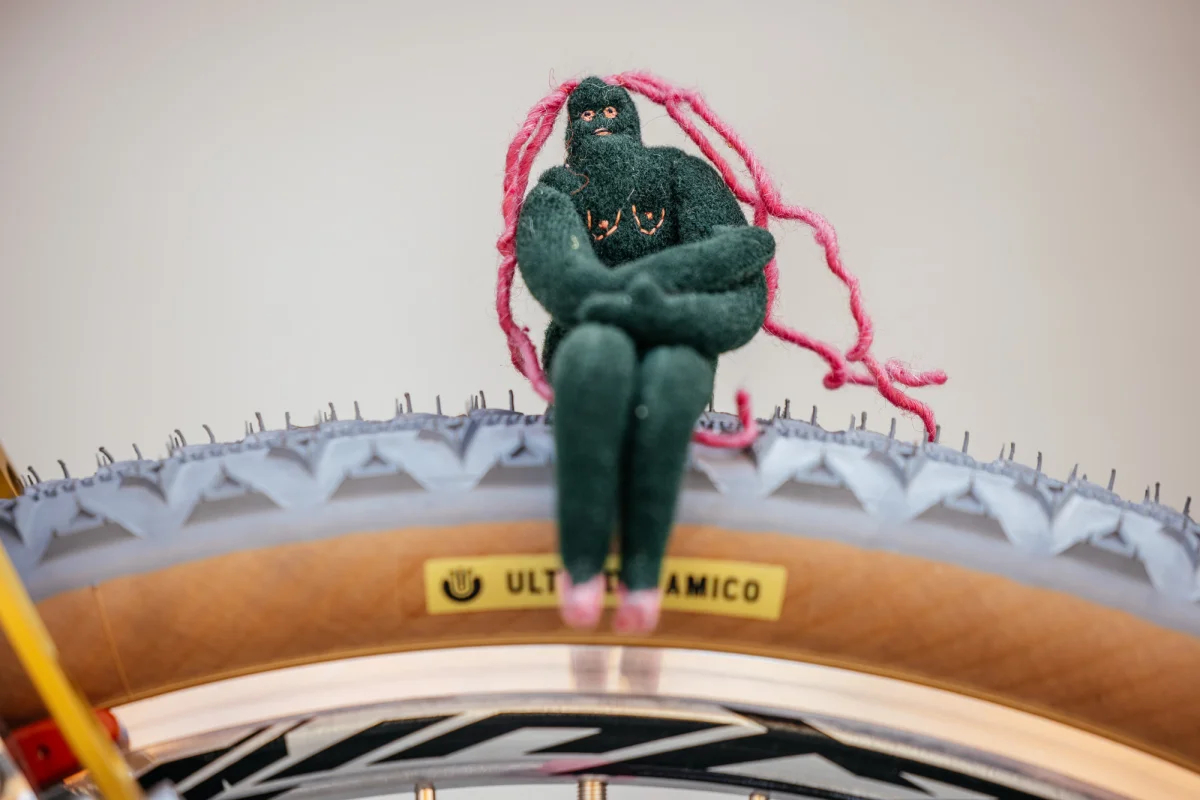
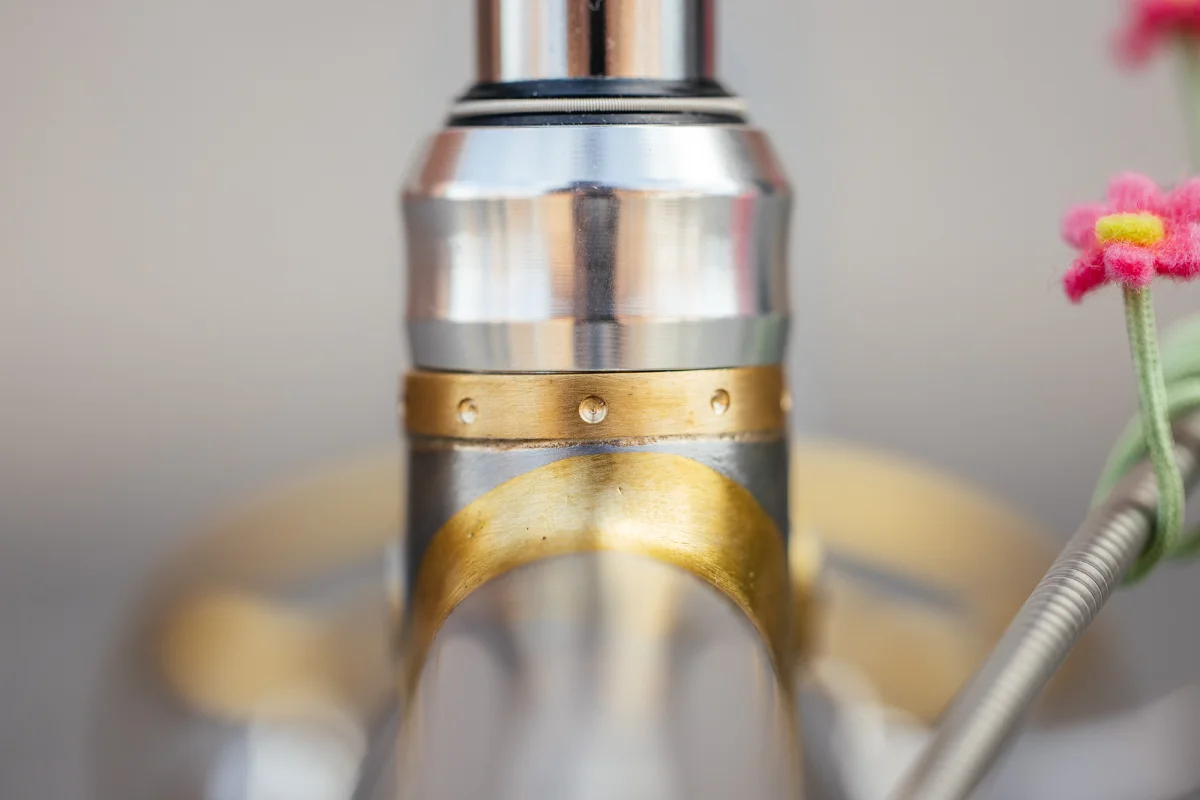
The frame’s small details make that close collaboration visible. Aya added brass reinforcement rings pierced with tiny holes, a pattern drawn from Mai’s artwork. She also built a stem specifically for the frame, completing the bike as a matched design rather than a collection of separate choices.
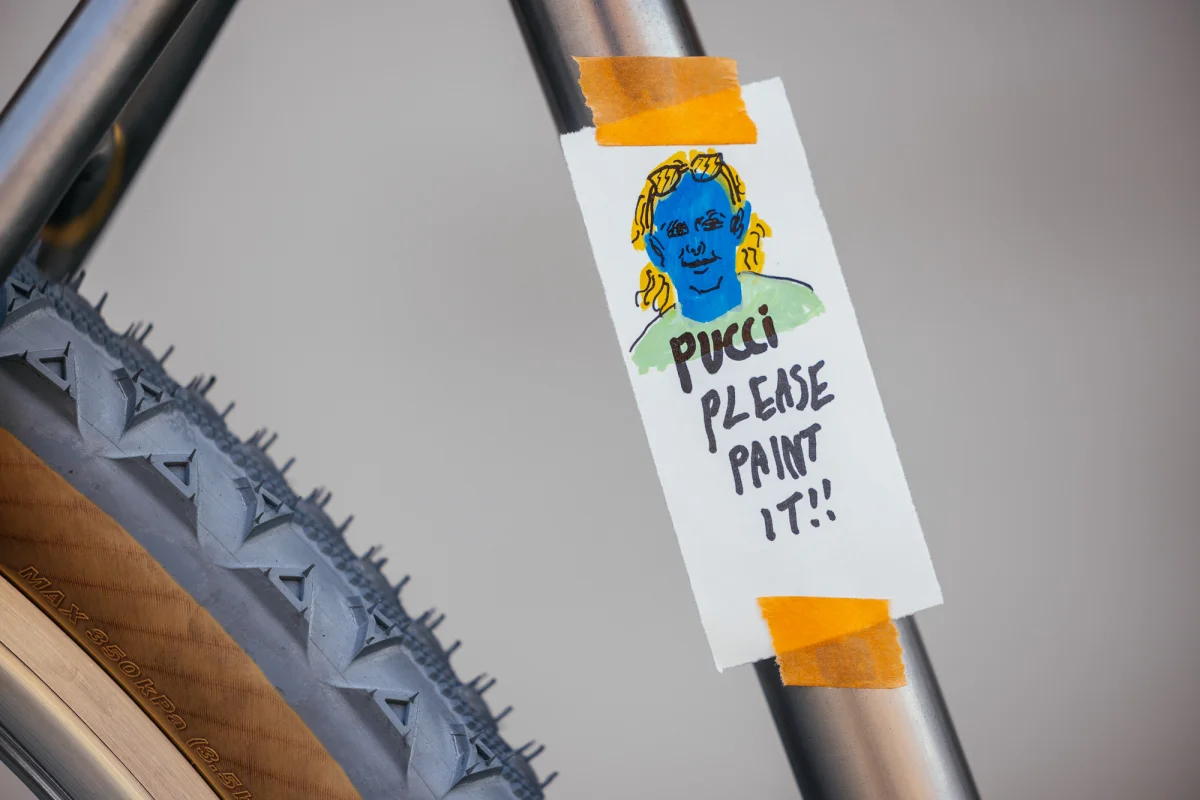


Mai finished the show bike with playful illustrations and creatures, along with a note inviting Jonny Pucci to paint it in Japan.

Mai, Aya and their friend V, who interpreted between Japanese and English, spent a busy weekend at the event. The next meaningful chapter is out on the road: the frame’s fit choices and handmade details will meet the riding the bike was built to support.
Blue Lug and Toyo revisit the Pro Cruiser
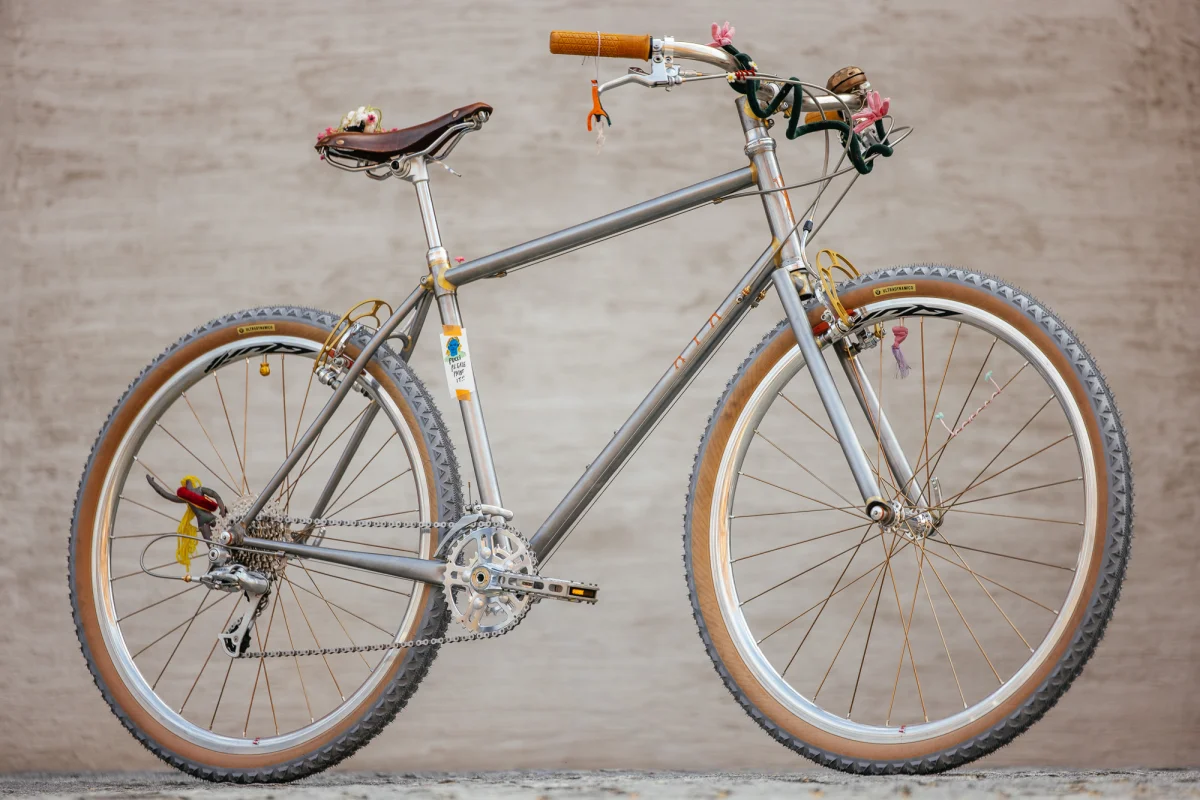
Blue Lug’s stand featured a Pro Cruiser homage called “Chukar,” made with Toyo from designs by Cameron Falconer. Falconer has recently stepped away from framebuilding; when Blue Lug’s Tani asked him to build a frame, he passed the drawings to Mr. Ishigaki at Toyo. That handoff let the design keep its original reference while placing the fabrication with a Japanese builder whose history fits the project.
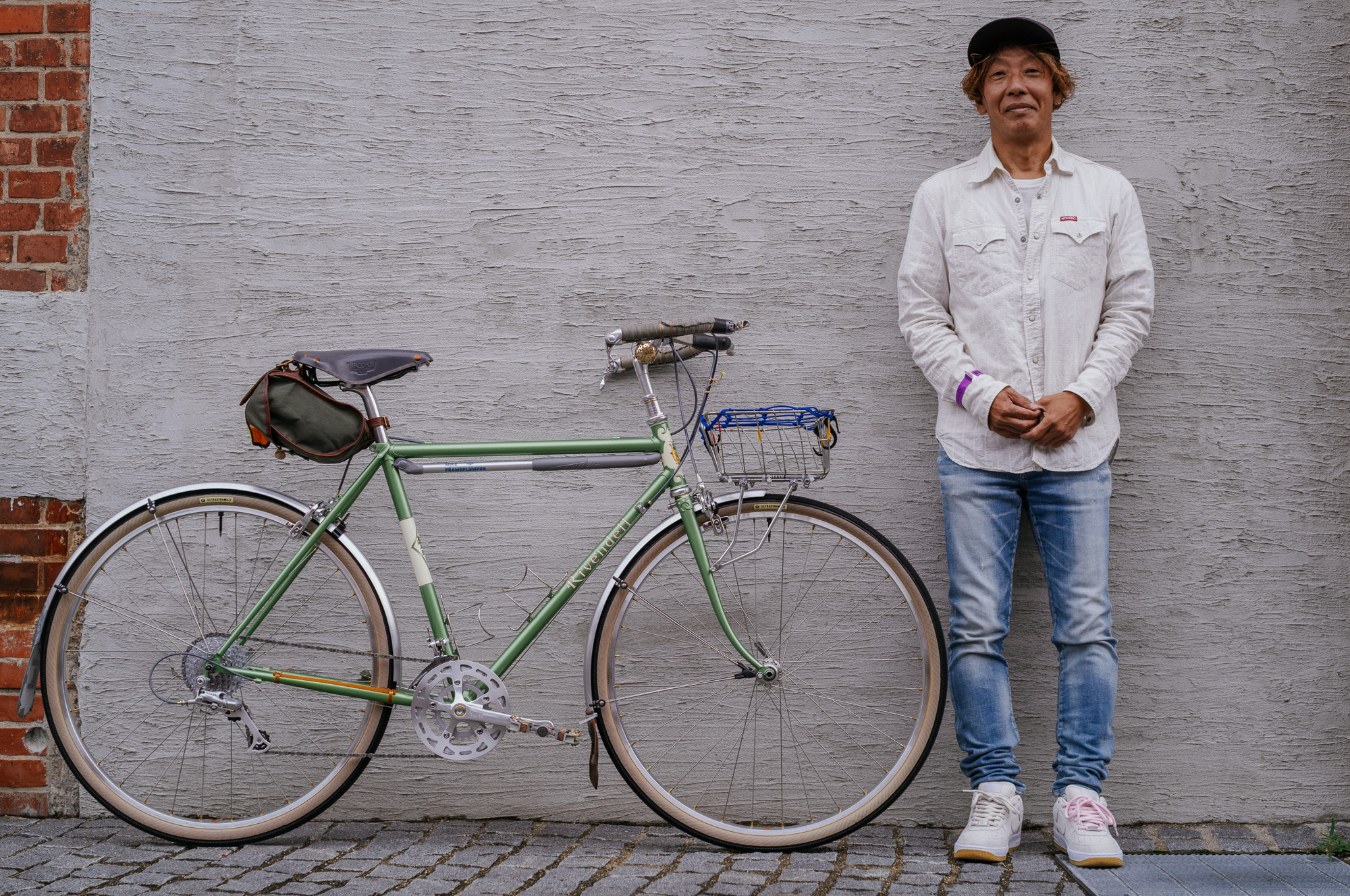
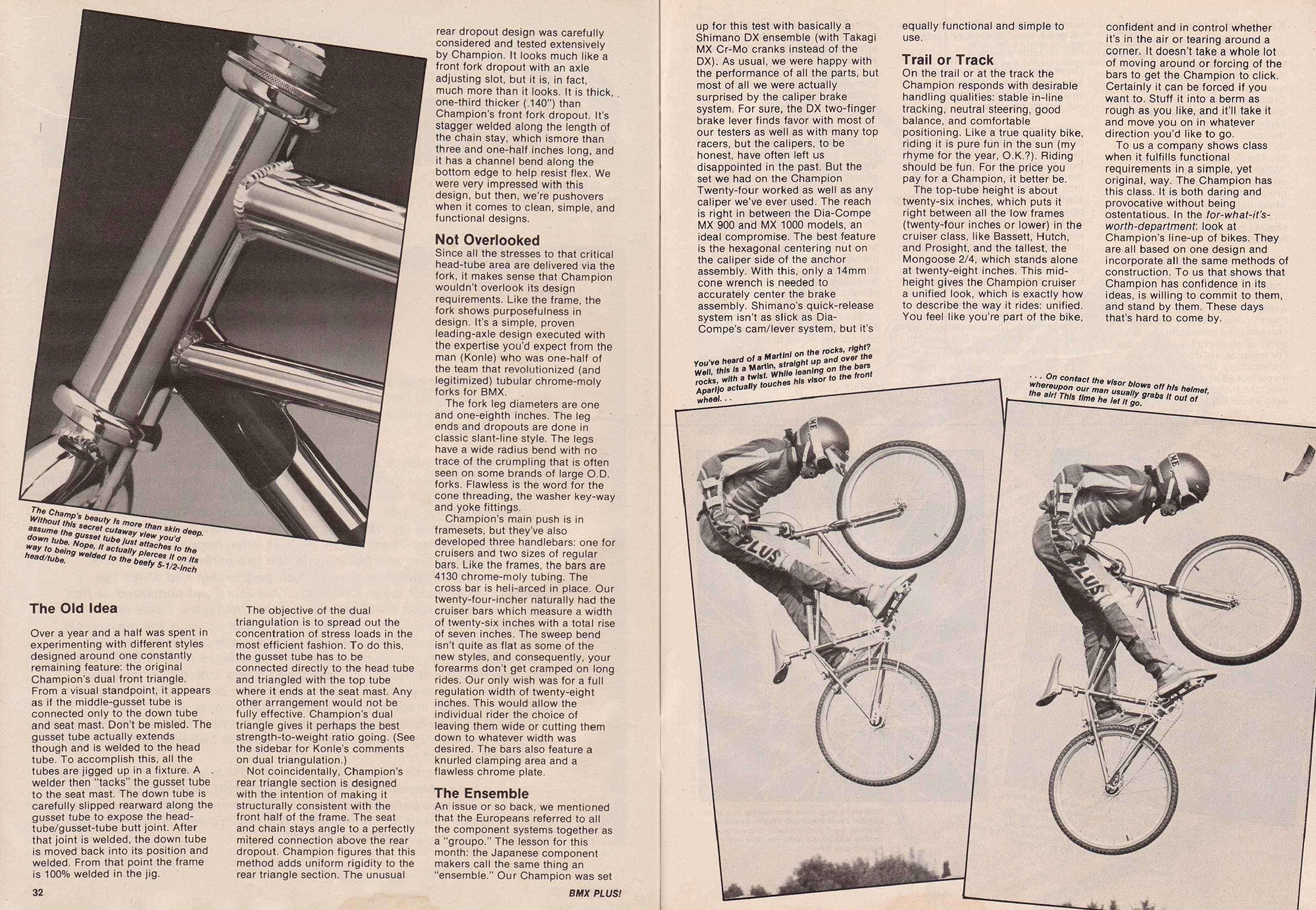
Mr. Ishigaki is pictured at left with a special Japan-built Rivendell he made for Blue Lug, planned for a small batch in 2027. The Champion BMX frame at right shows the downtube piercing that informed the Chukar.
Toyo has built bikes since the 1980s and was among Japan’s early mountain bike makers for other brands. Its work includes the first Specialized Stumpjumpers: after Mike Sinyard bought a Ritchey frame and sent it to Japan to be copied, Toyo produced Specialized’s first mountain bike. That background makes Toyo a natural fit for a project rooted in earlier bicycle design.
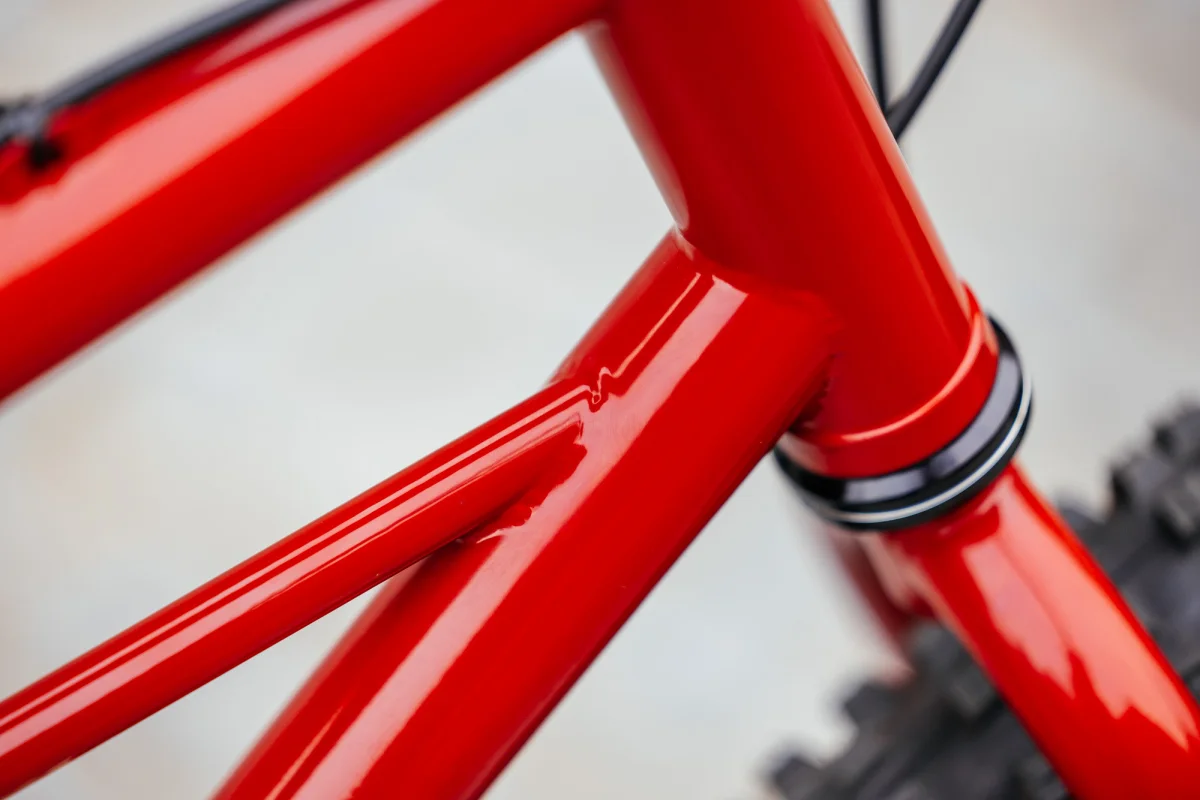
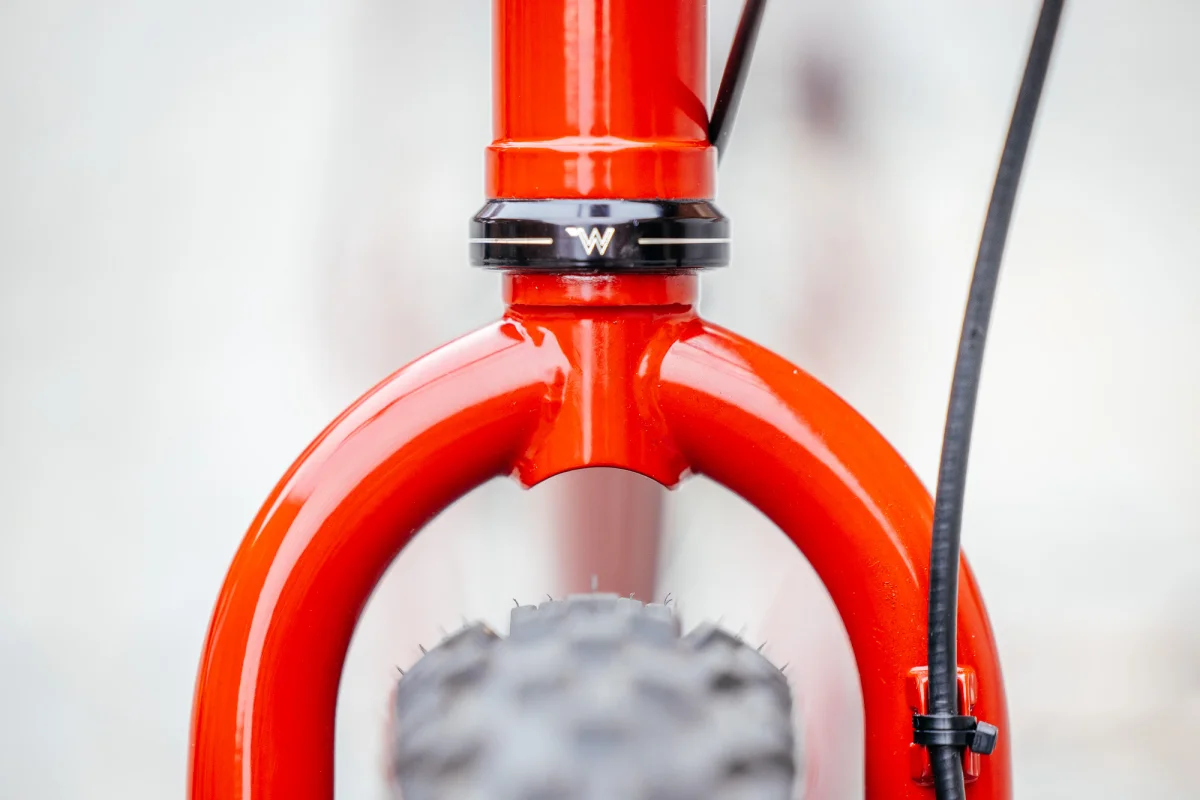
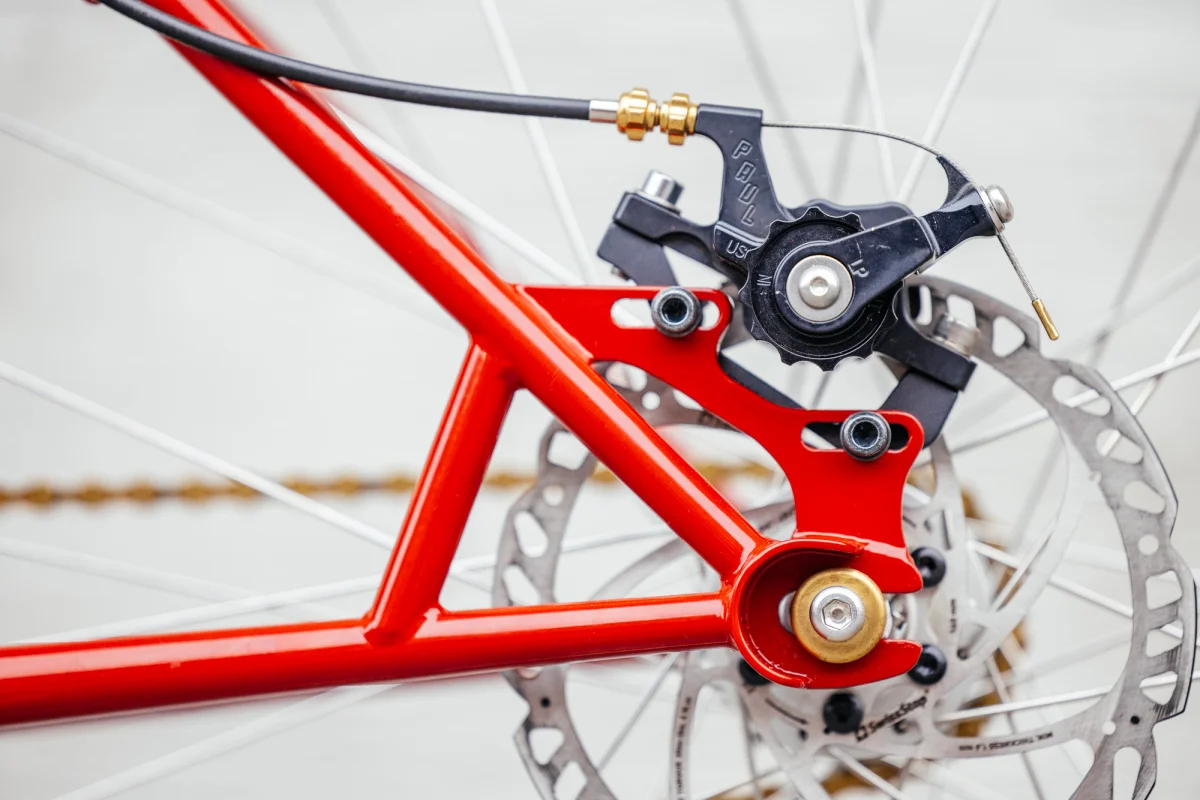
The most direct nod to the source design is a pierced downtube, made with the diagatube detail seen on the Champion BMX that inspired the Pro Cruiser homage. Blue Lug plans a small production run next year. The show bike points to what makes this kind of collaboration work: the drawings retain Falconer’s design, while Toyo’s build brings its own long experience to the frame.
Cook Paint Works finds patterns close to home
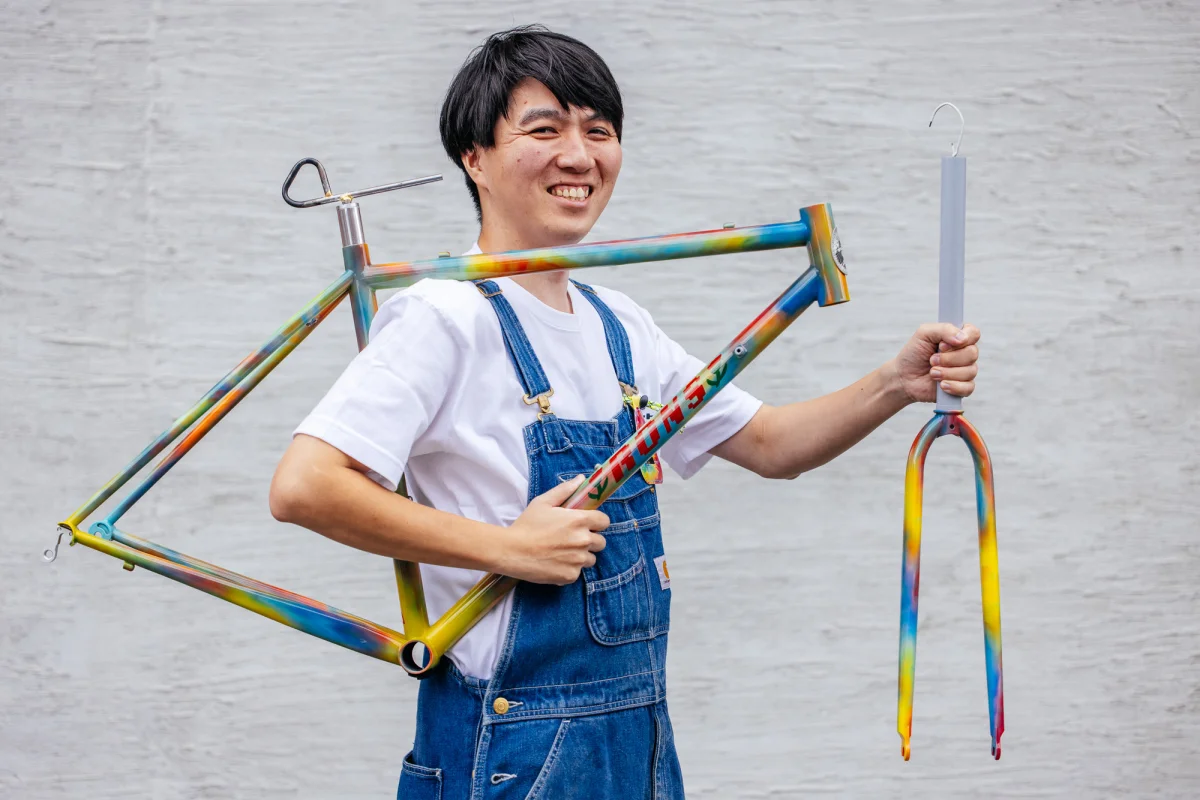
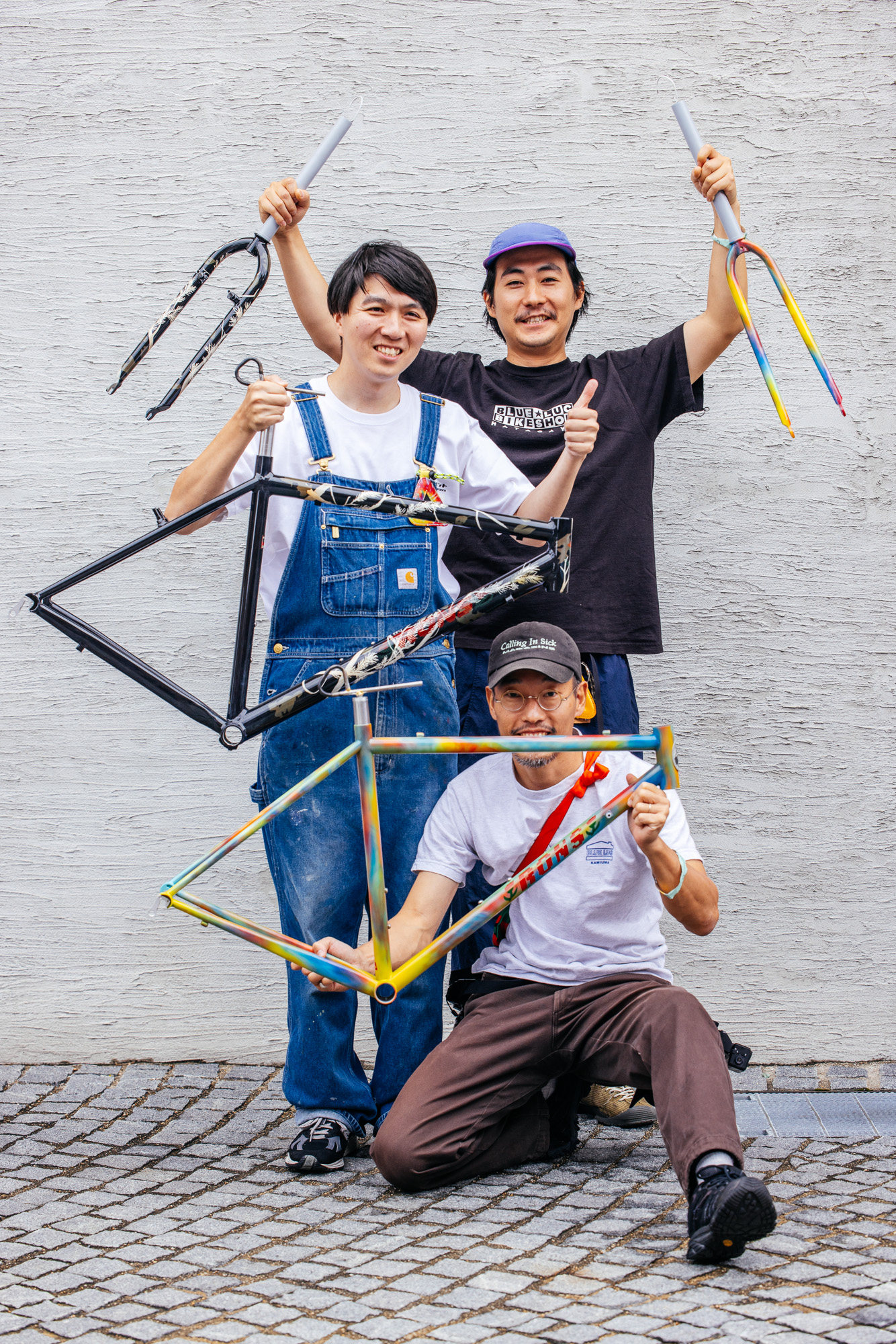
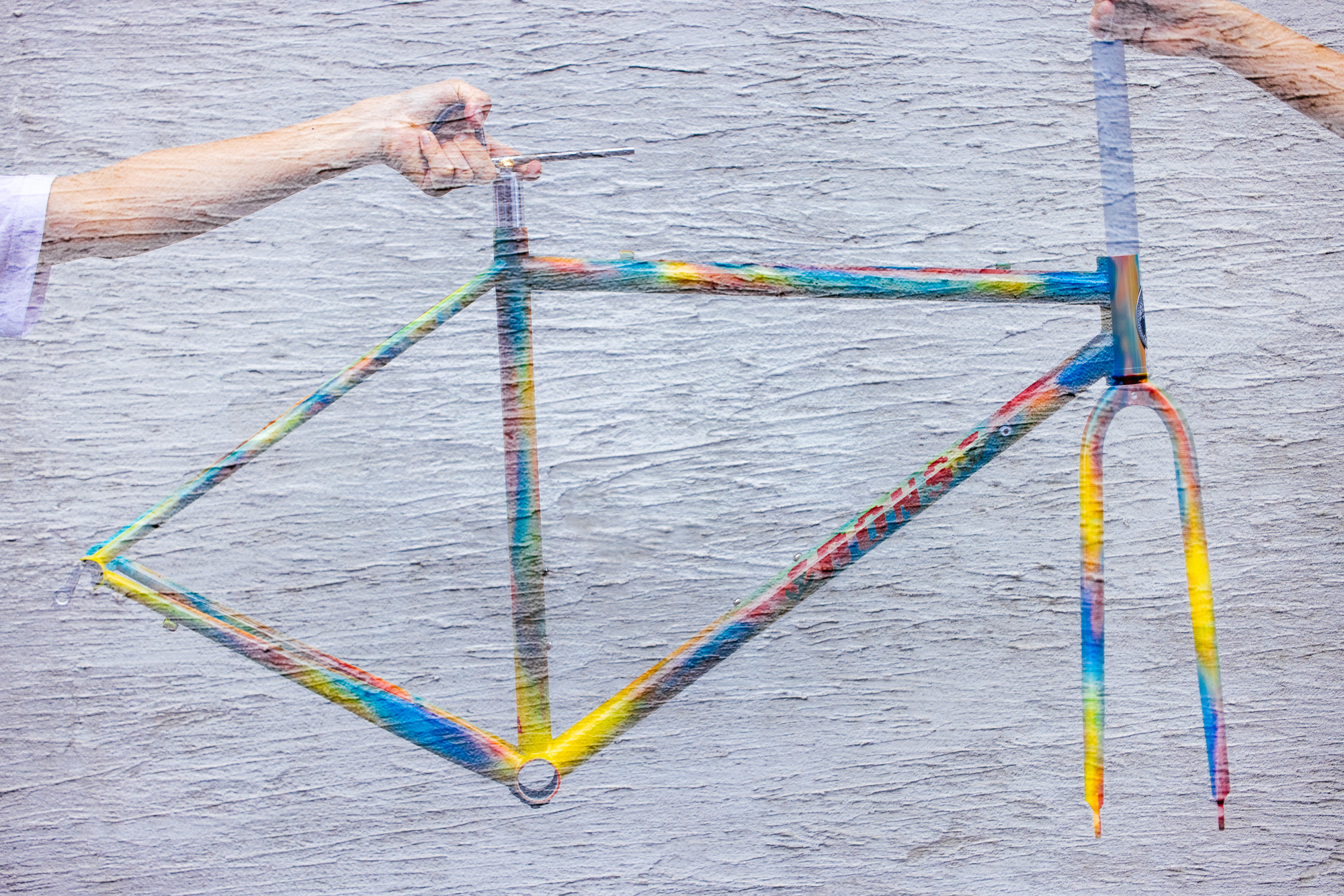
Blue Lug’s in-house paint shop, Cook Paint Works, has continued its collaboration with Ron’s Bikes following a limited run of frames painted with San Diego artist and bicycle painter Jonny Pucci. For two more bikes, Konno-boy of Cook looked to sewn goods around the Blue Lug shop, turning everyday materials into the visual starting points for distinct finishes.
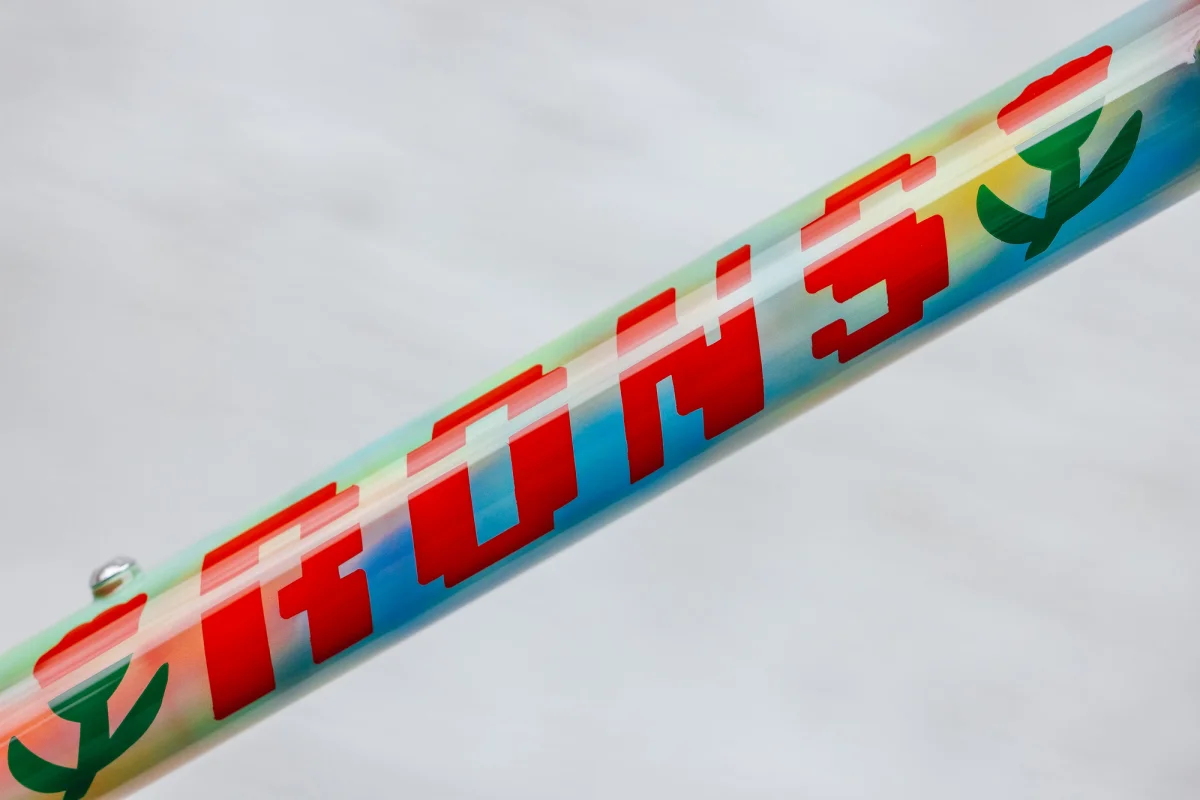
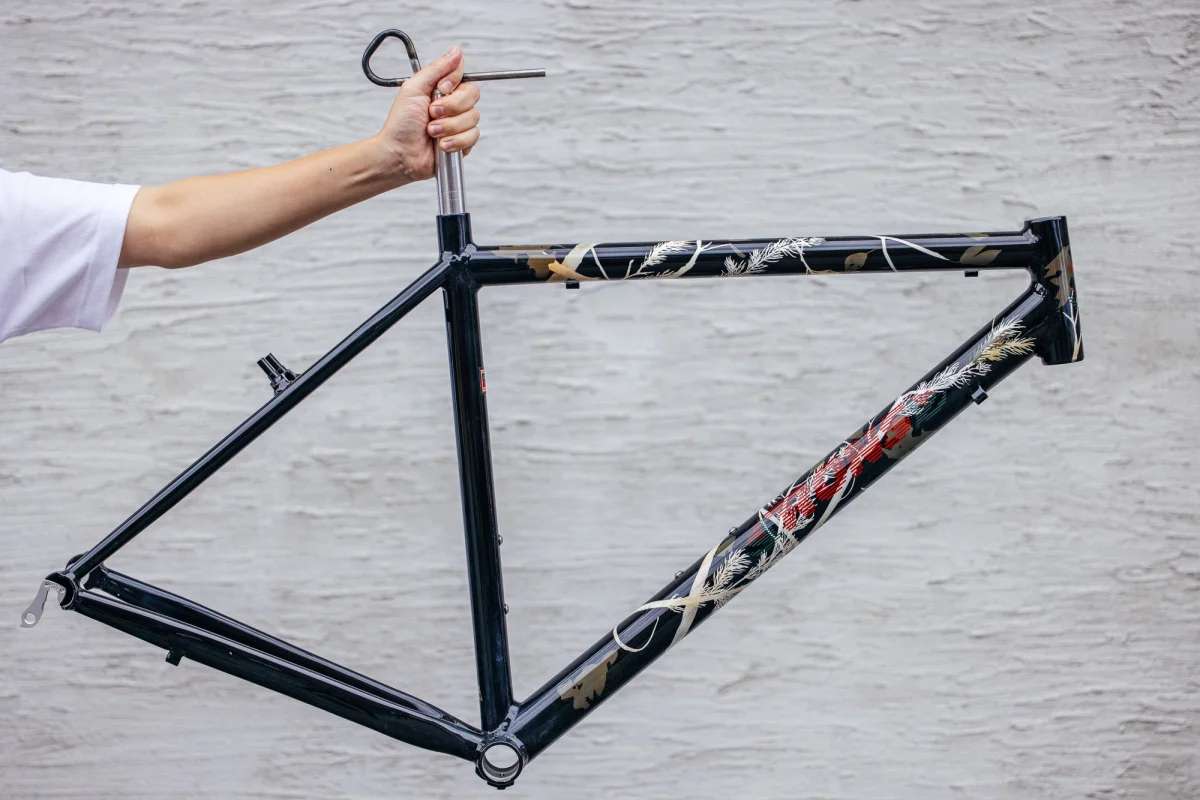
A Darren Larkin-built steel CR1, a long-reach road bike for caliper brakes, takes its colors from a tie-dye seat cushion Konno uses while working. The Frank the Welder-built Alumax II wears “Night Tree Camo,” based on a pattern on Shtak messenger bags made by Jag that Konno uses. Each scheme starts with something familiar in the shop, then moves it onto a different surface and scale.
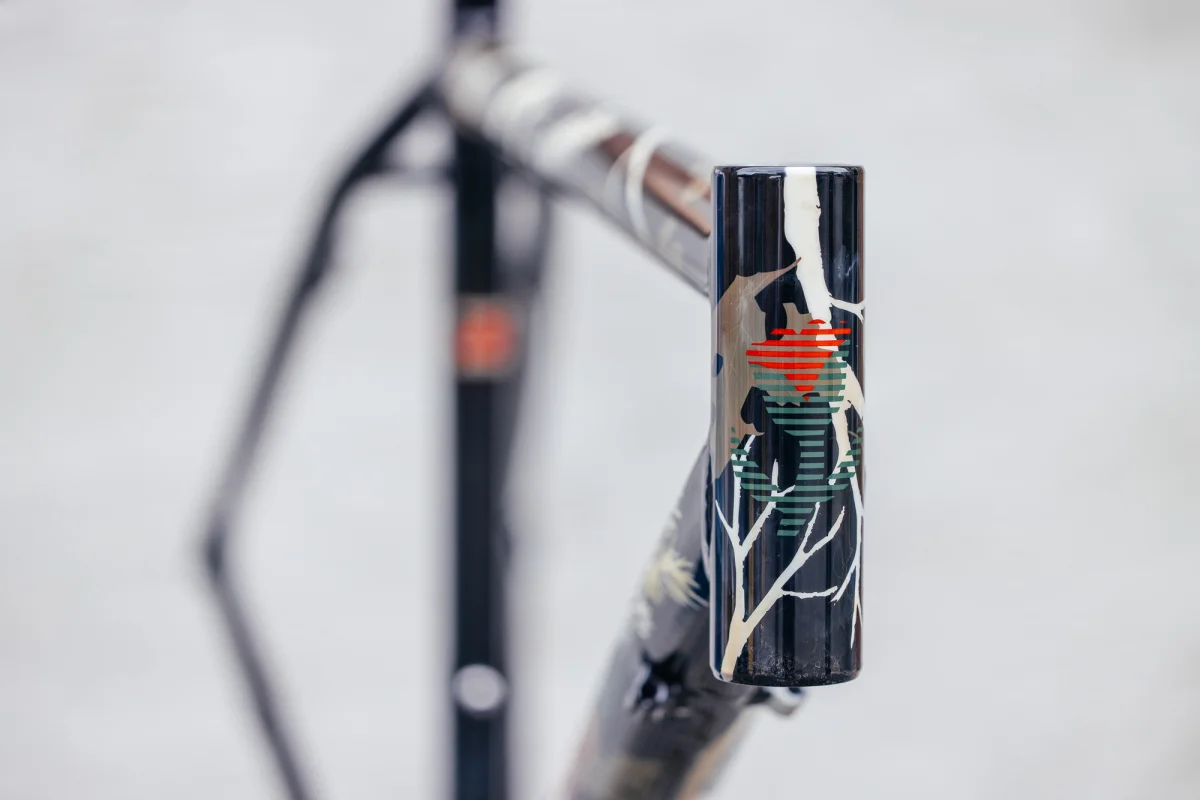
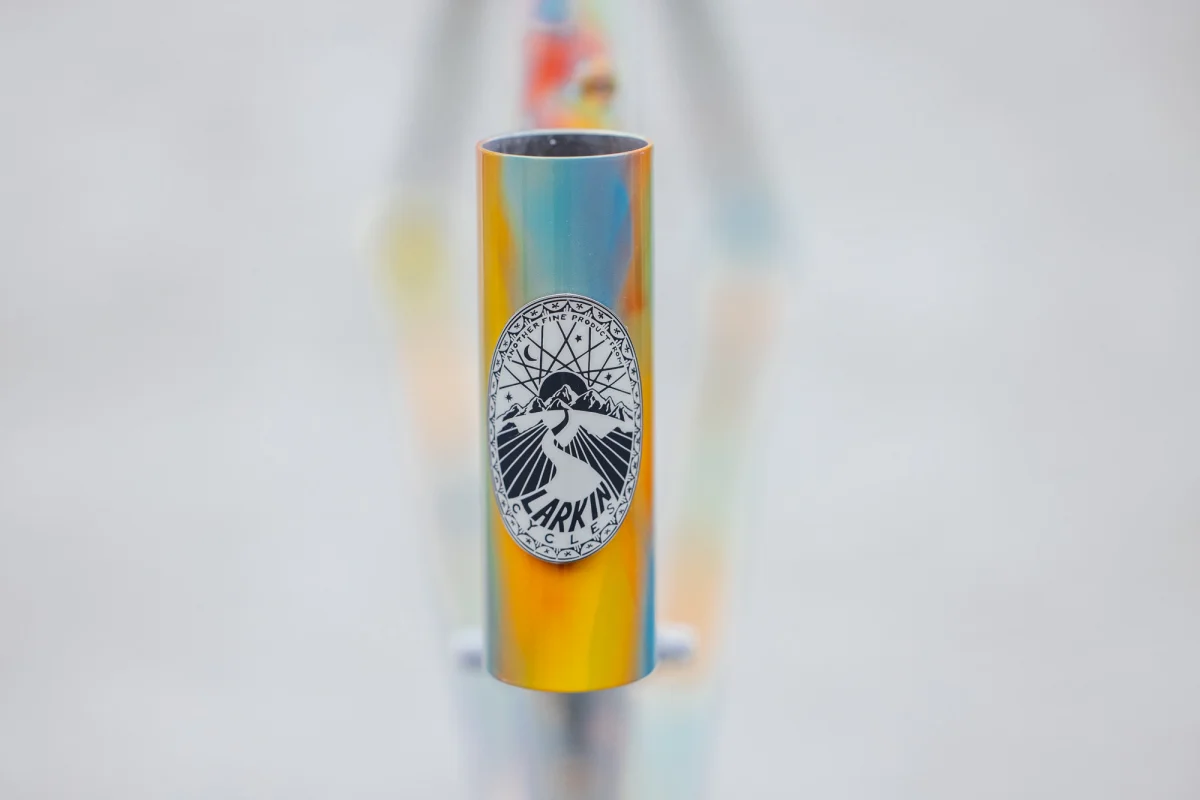
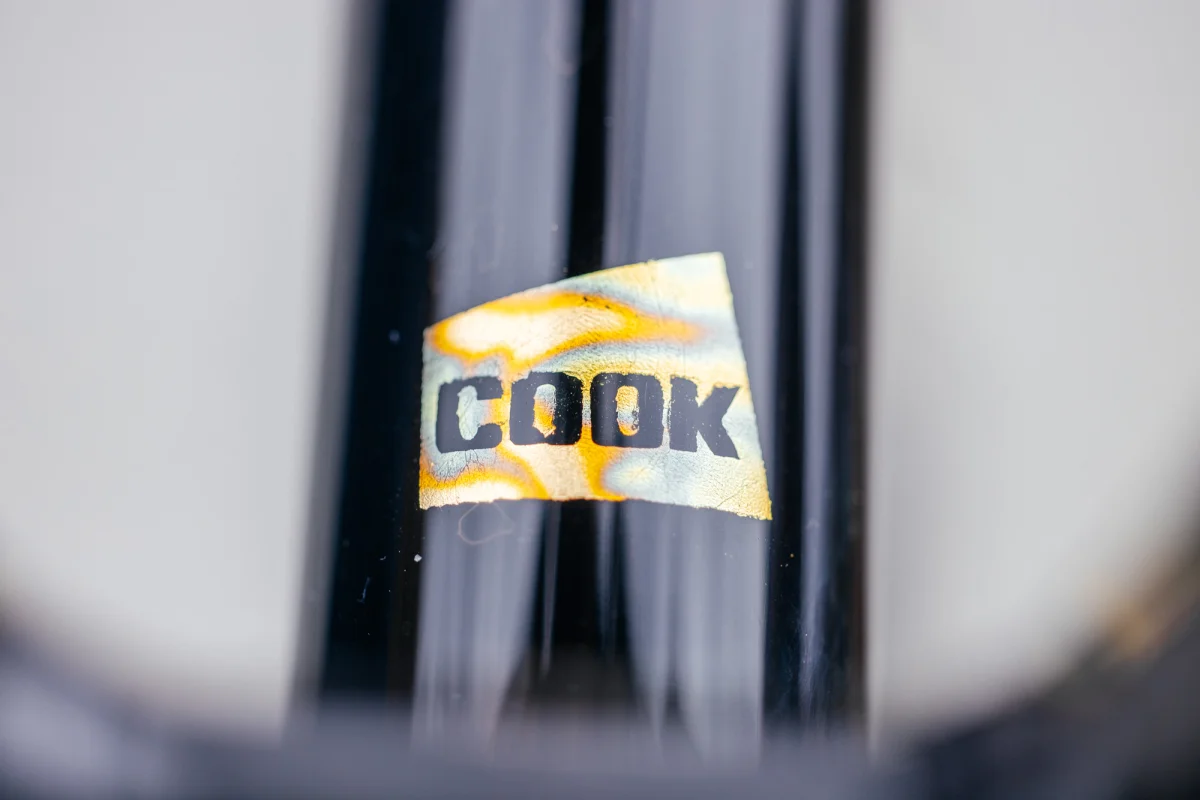
On the Alumax II, Cook’s logo appears in gold leaf, a finish Konno reserves for projects he especially likes. It gives the frame a subtle focal point without overwhelming the camouflage pattern.
Cicli Barco brings integration to steel
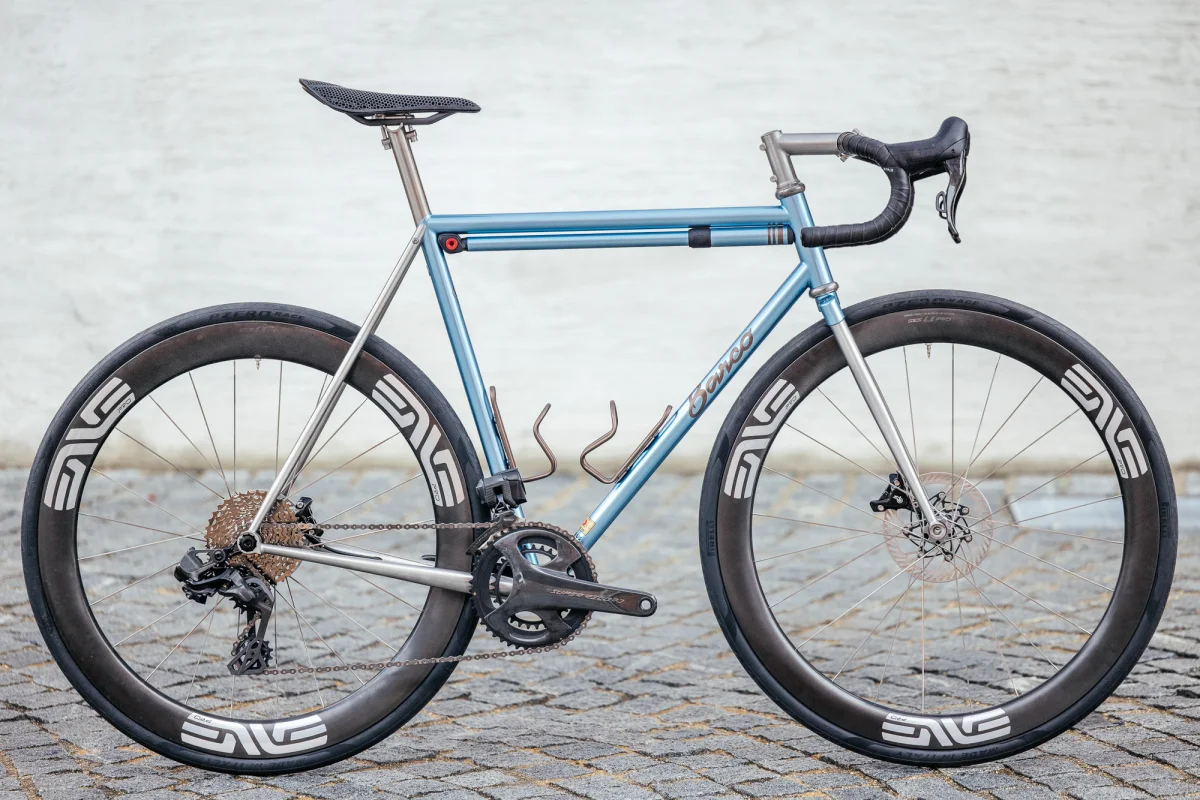
Cicli Barco’s Viva Integrated Disc Road tackles a demanding packaging job: routing hydraulic brake hoses through Ritchey bars, the stem and the head tube while keeping the proportions of a traditional steel road bike. The builder, based in Piazzola sul Brenta, Italy, shows that an integrated cockpit can be paired with classic frame lines and a steel fork.
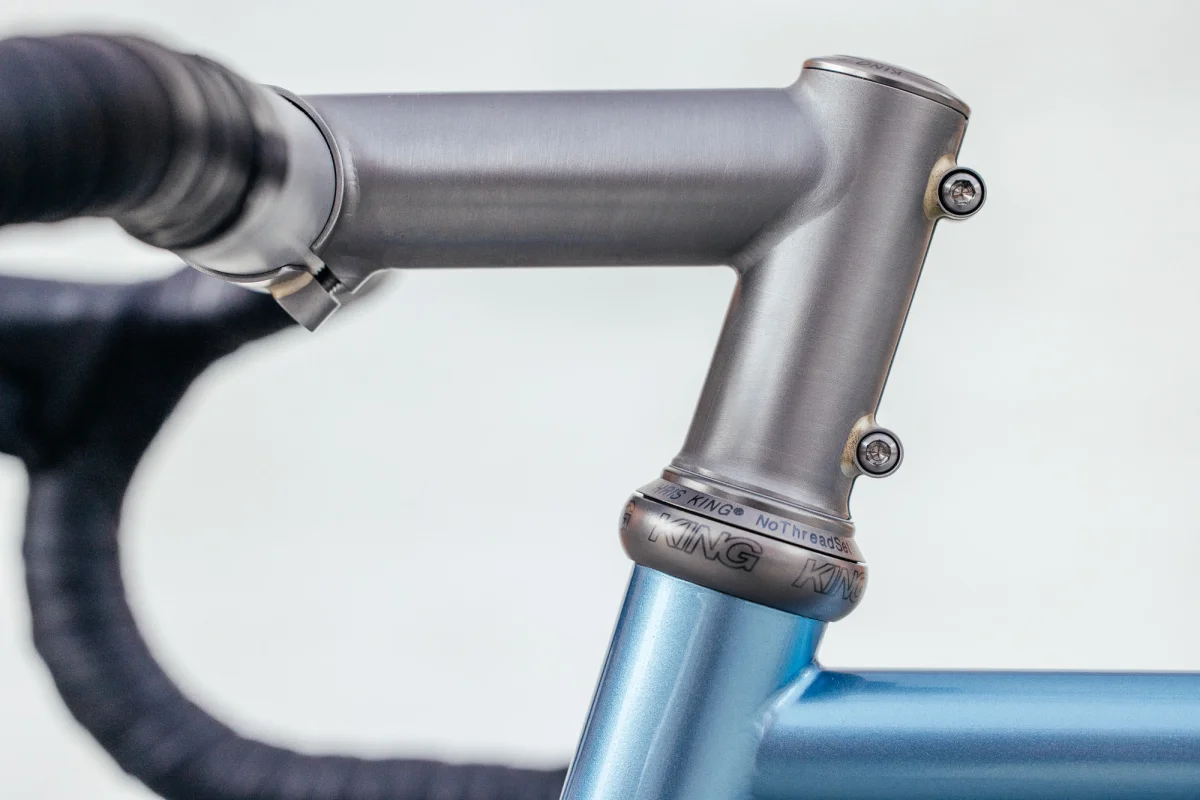
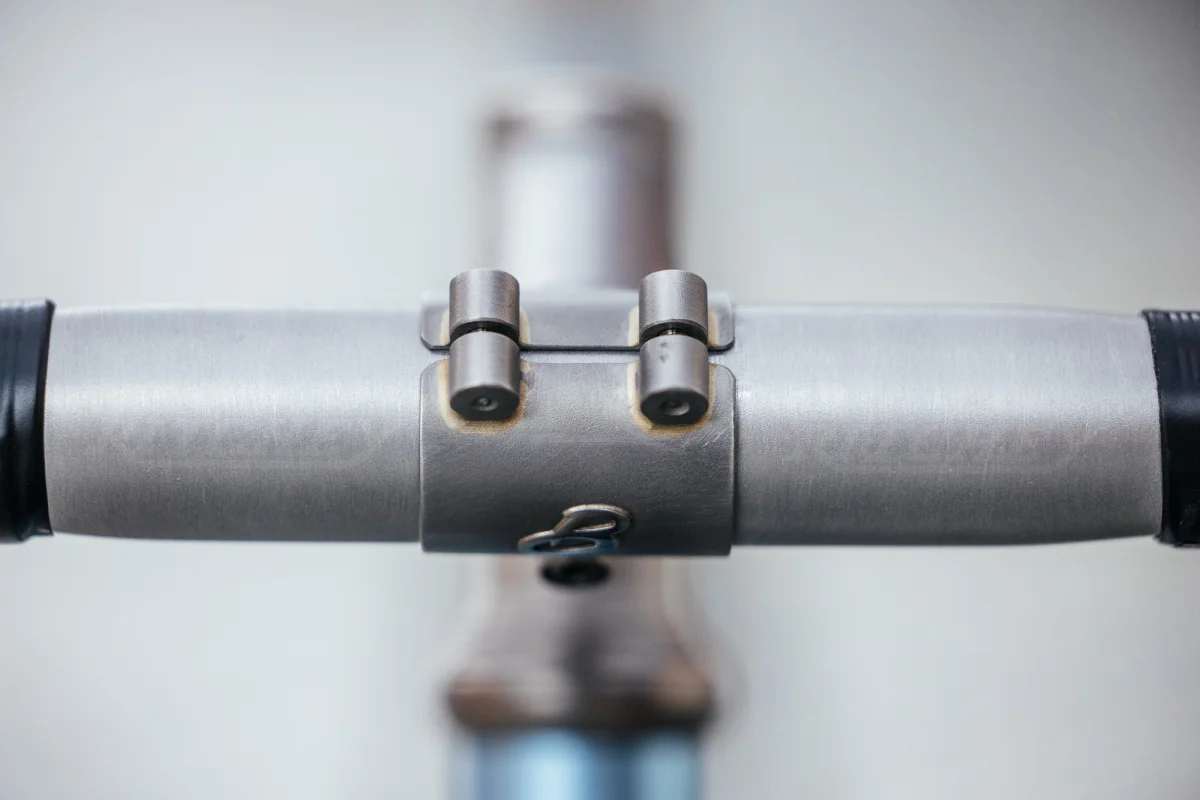
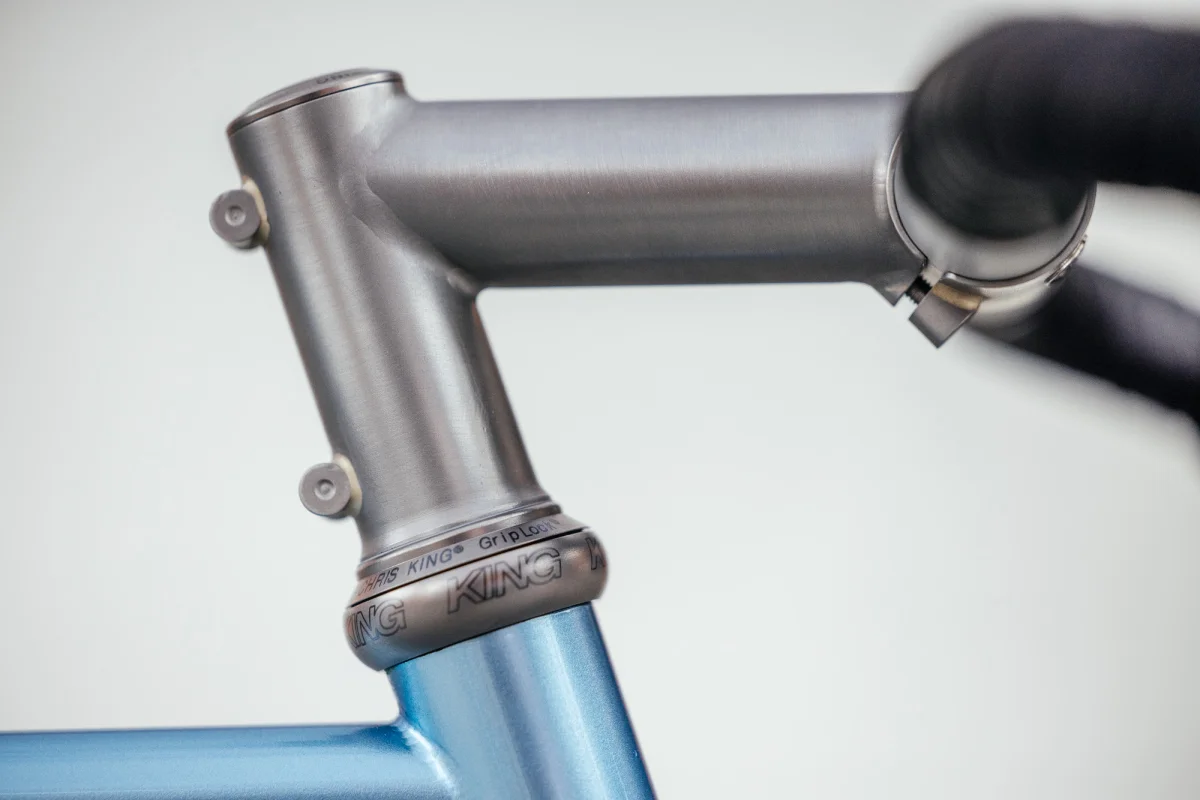
Gianluca Barco described the routing as a slow, careful process. When asked for a view of the hose arrangement, he winced at the memory of fitting it all inside the frame. The hidden work is central to the bike’s clean exterior, and the display offered few clues to the time and patience the task required.
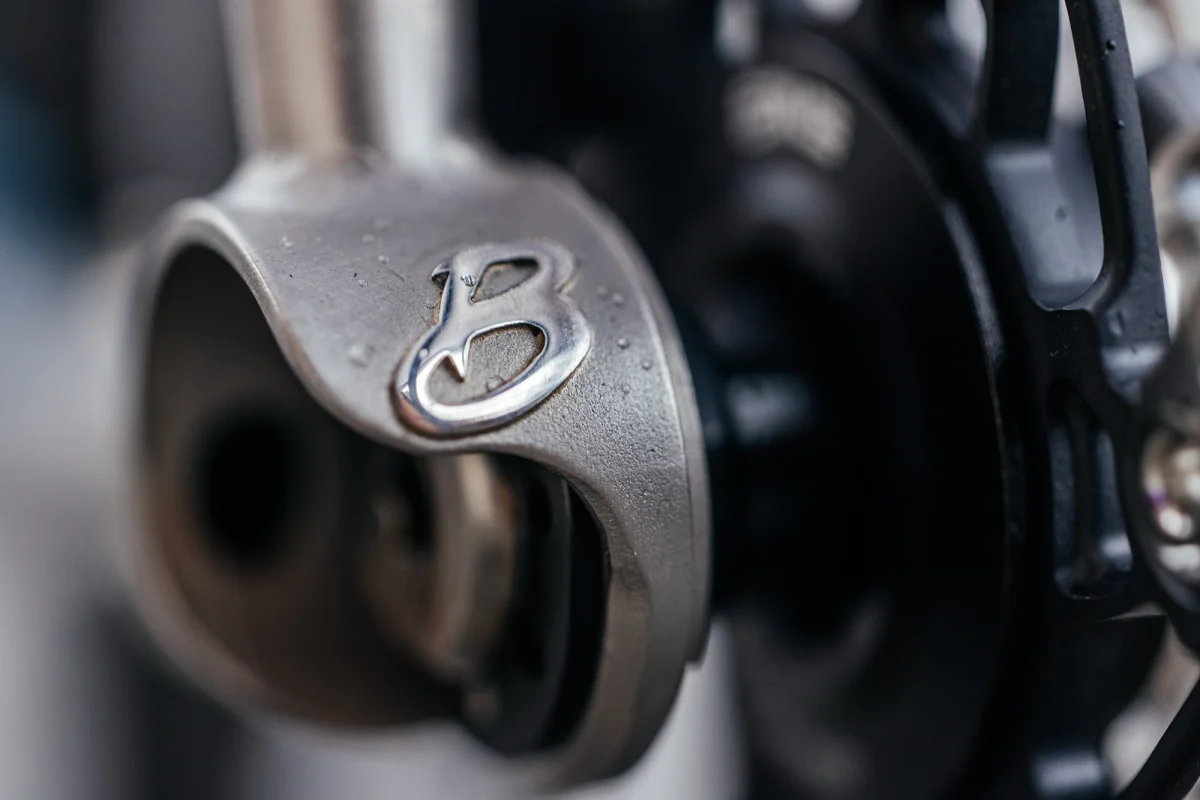
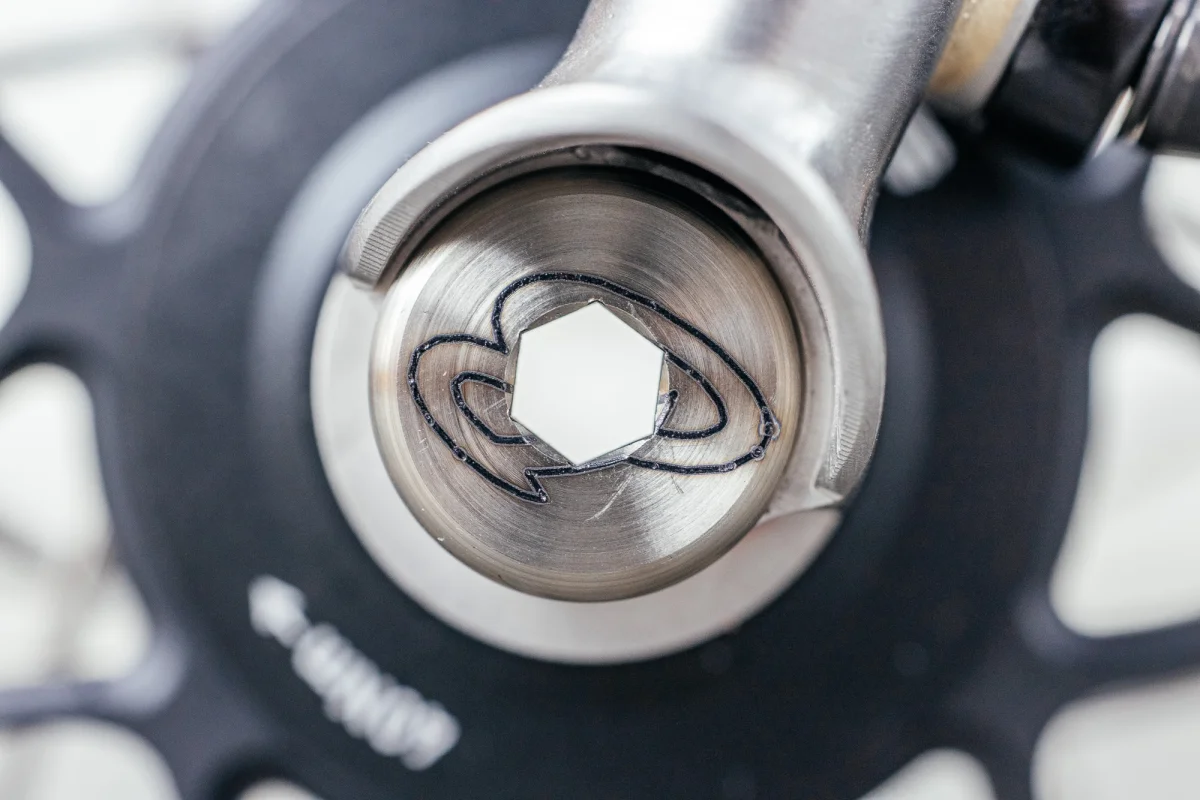
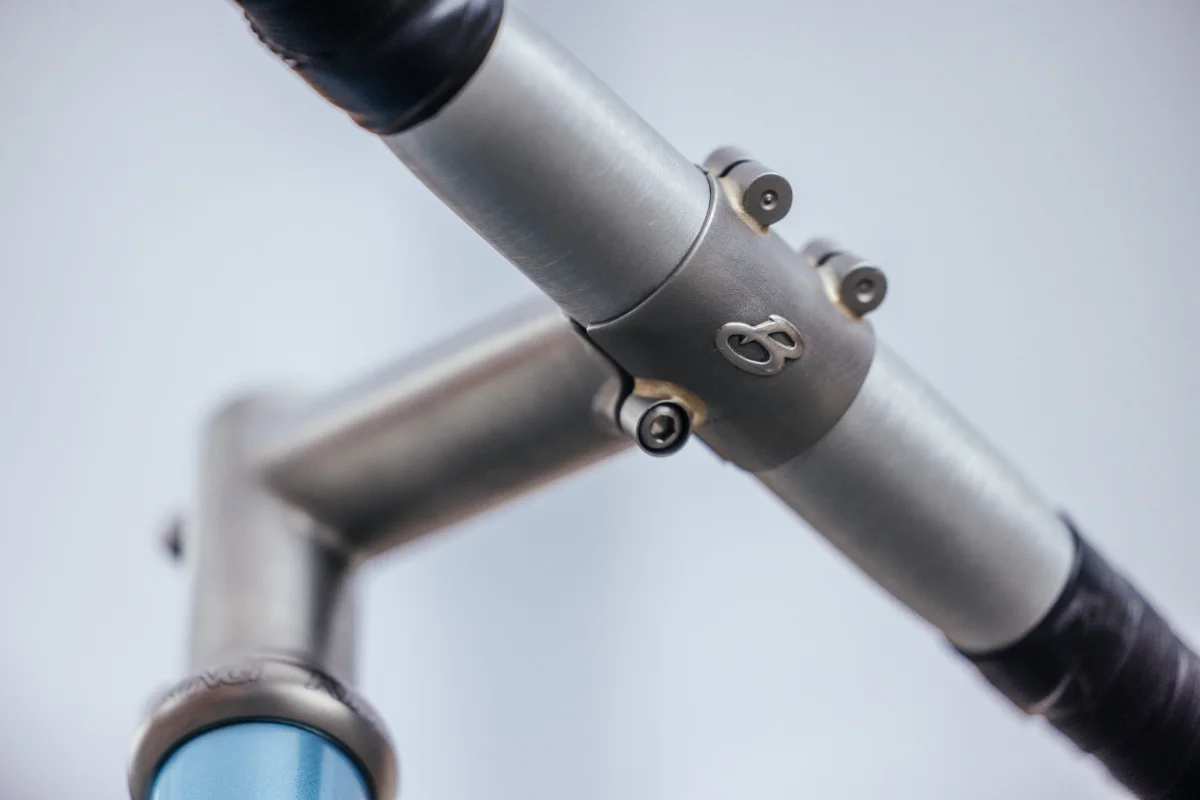
The stainless steel frame carries Barco signatures in restrained places: a “B” beneath the stem, on the ends of the custom titanium thru-axles, and across the dropouts and bottom bracket. The details connect the modern build to Cicli Barco’s history making bikes for larger brands over several decades.
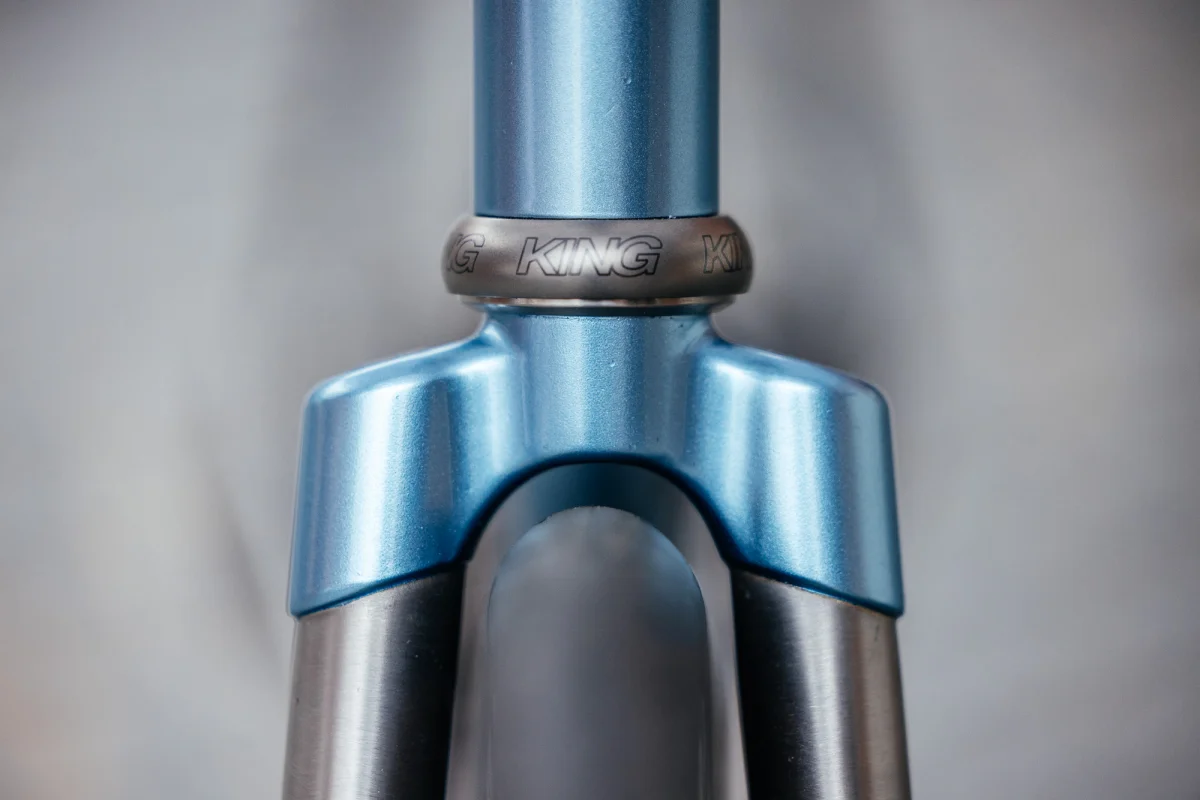
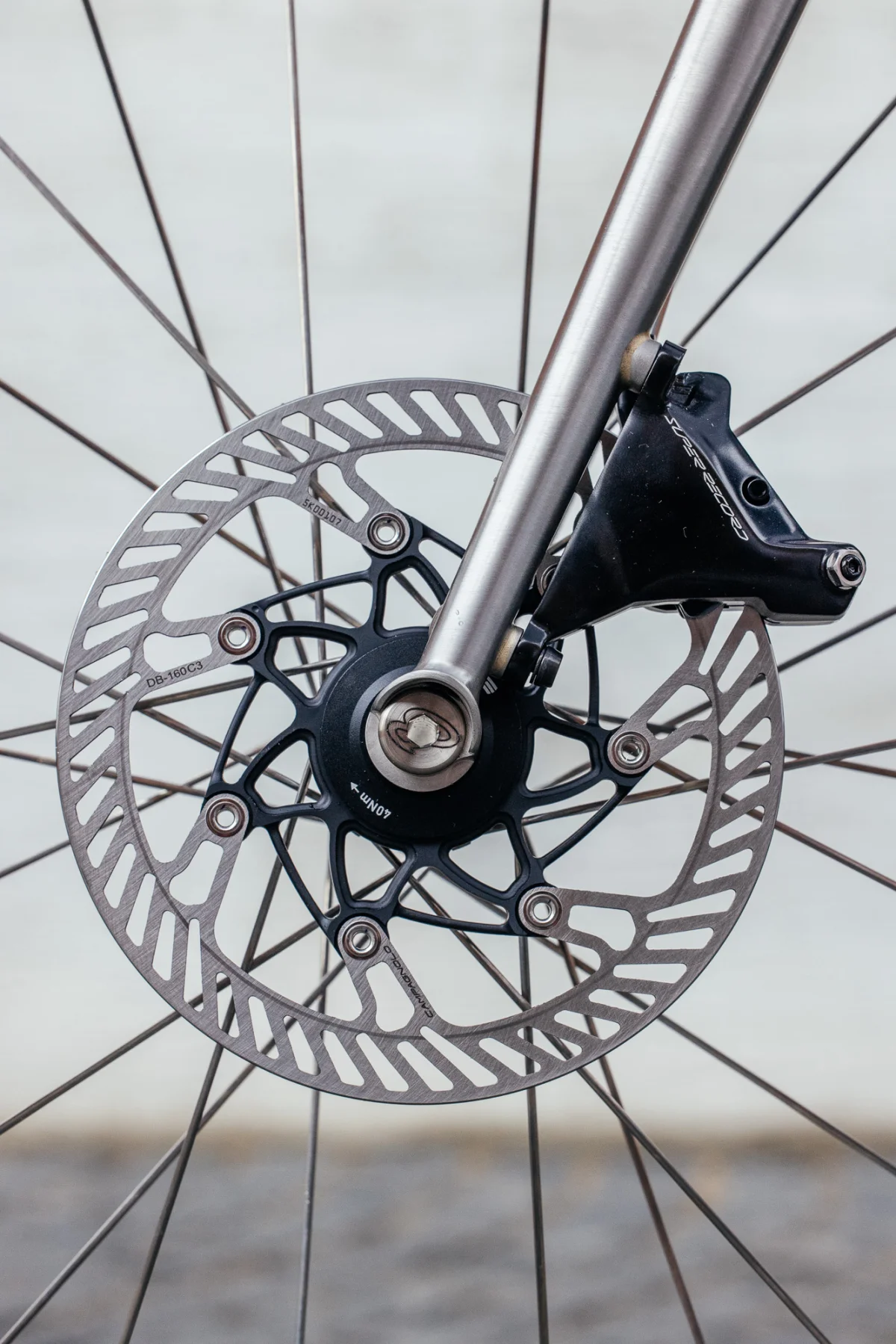
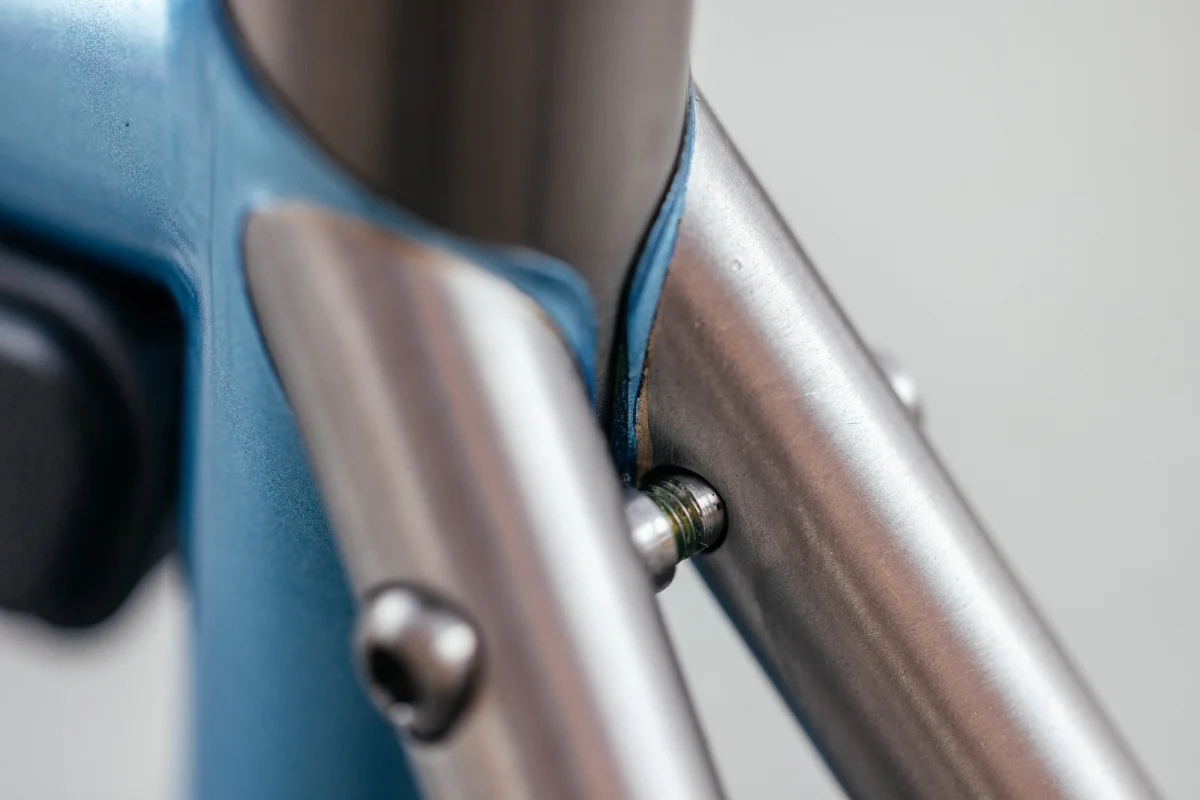
An off-center compression slit in the stem and titanium hardware at the fastback seat cluster add further signs of careful design. The stainless fork keeps the bike’s proportions balanced while the cockpit carries the modern braking setup. It was one of the show’s standout road bikes: a reminder that new routing demands can fit within a familiar steel silhouette when the build gives the hidden details as much attention as the visible ones.
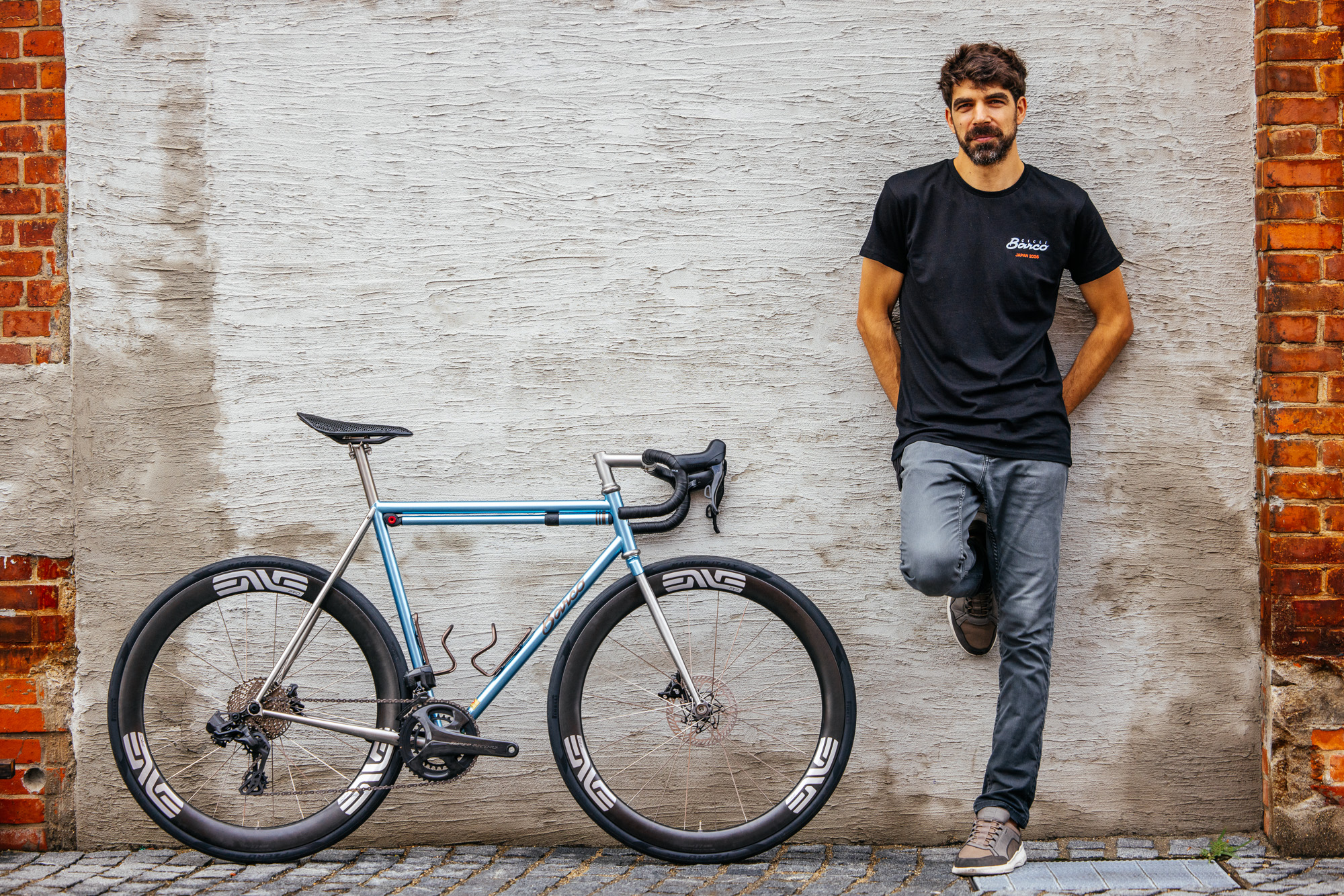

The four builds share an interest in details that do real work: a frame shaped around its rider, a design handed between makers, paint drawn from daily objects and hoses concealed within a traditional form. Bespoked Osaka put those choices on display, and the rides that follow will show how each idea holds up beyond the stand.