Bespoked Osaka 2026 Brings Japanese Framebuilding Into Focus
At the Glion Museum, Bespoked Osaka gathered Japanese and international builders, familiar cycling names and a distinctly local feel.
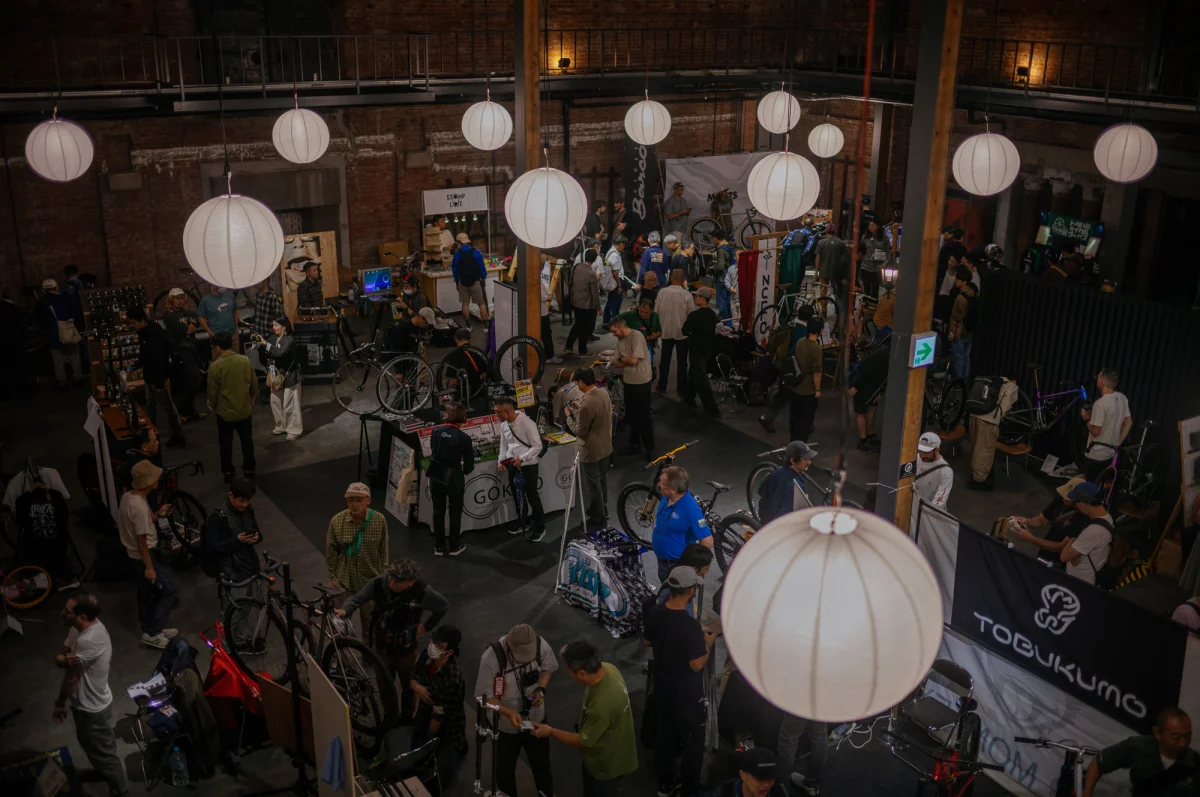
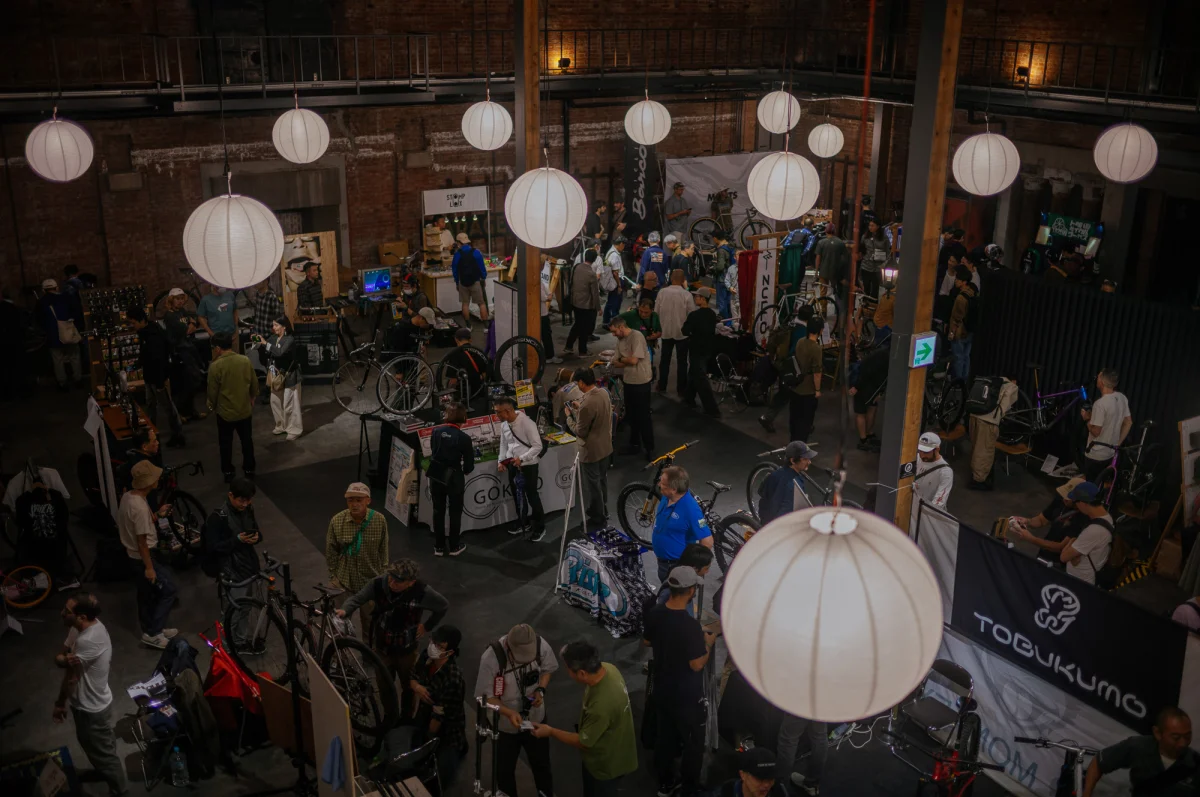
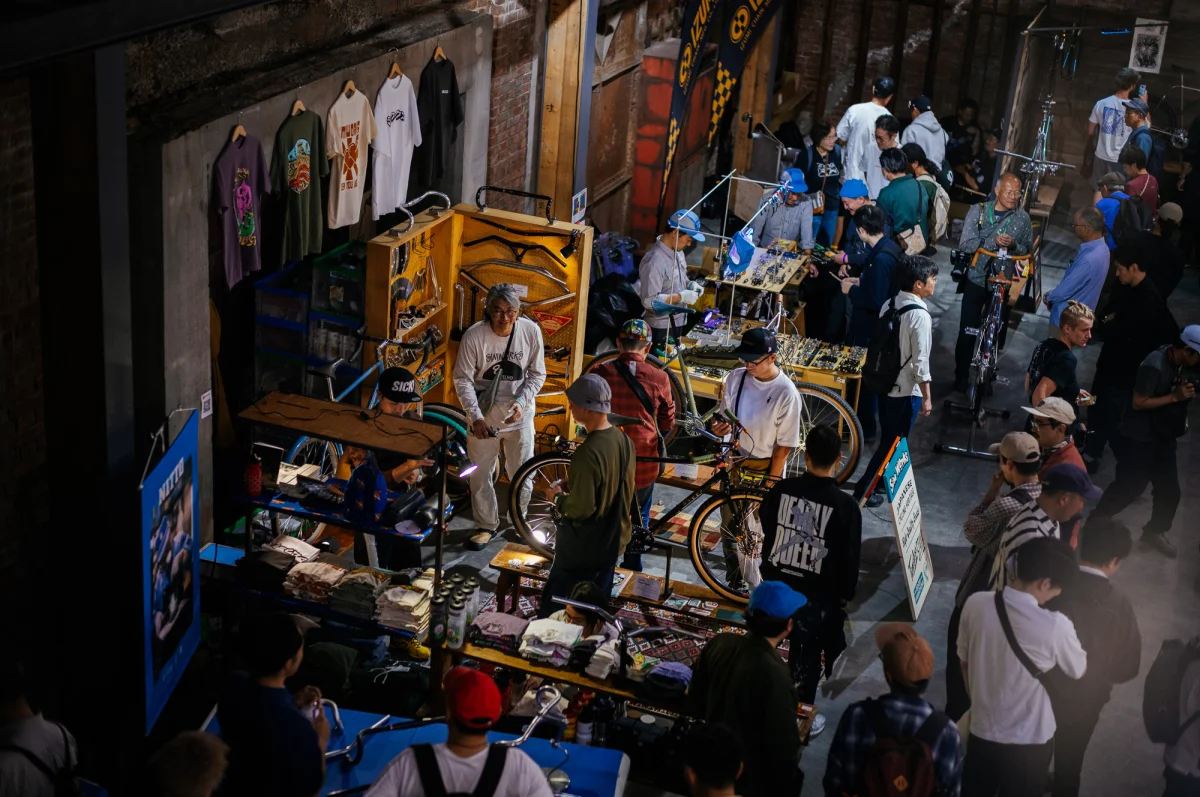
Bespoked Osaka made its case through the people and ideas gathered under one roof. The showcase at the Glion Museum brought Japanese framebuilding into closer view, alongside makers and cycling businesses from across the Asia-Pacific region and Europe. For a visitor arriving after two other Bespoked showcases that year and three framebuilding shows in total, the strongest impression was how global craft could feel rooted in one place.
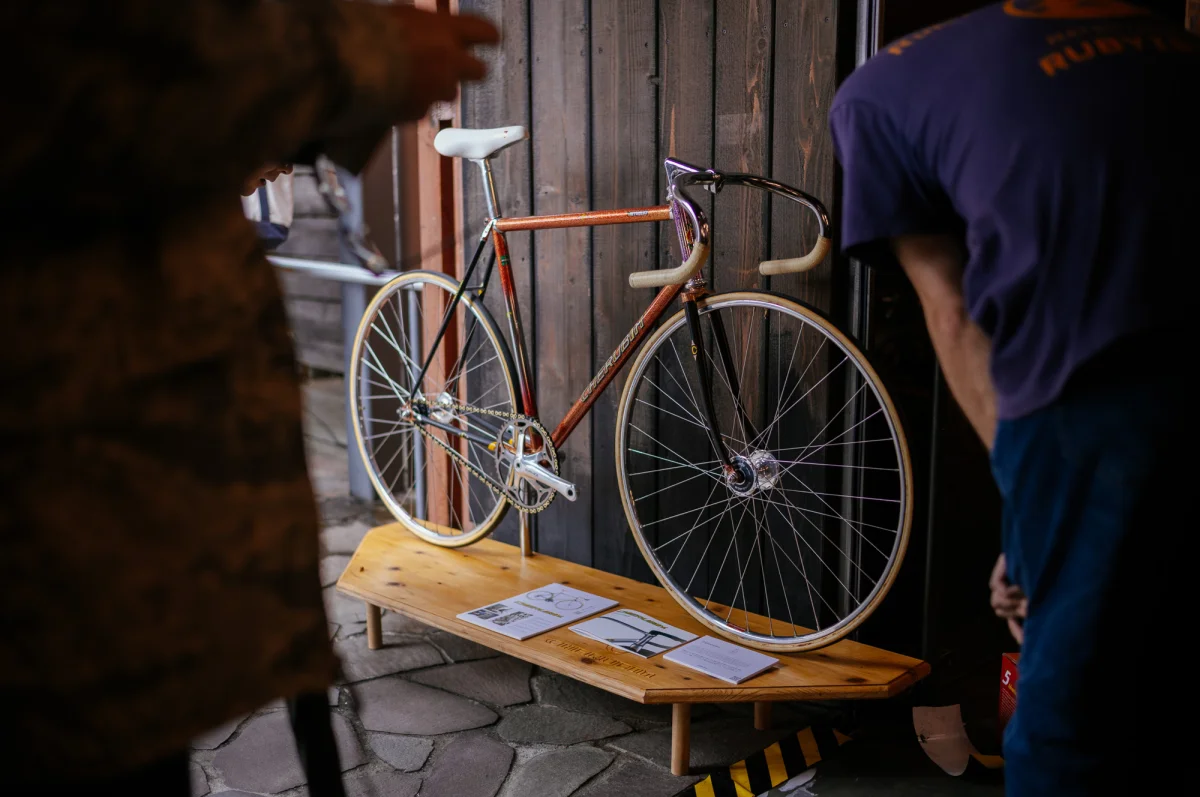
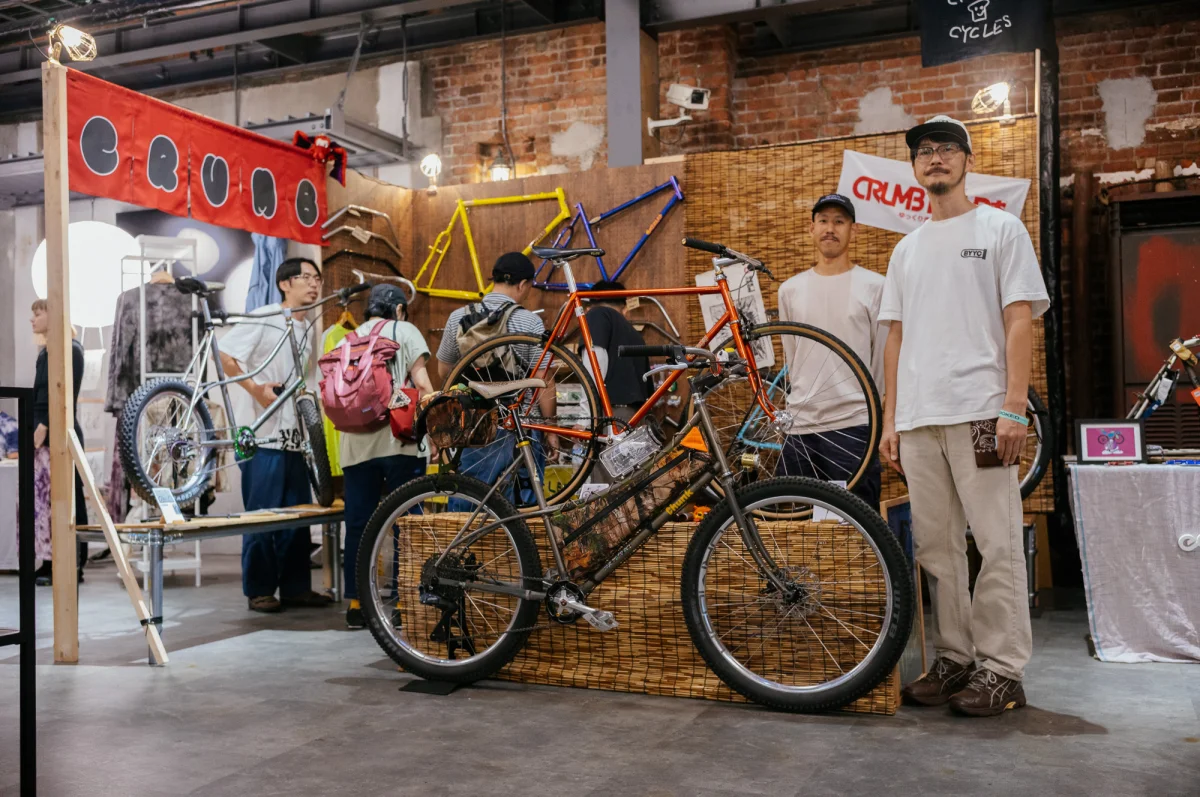
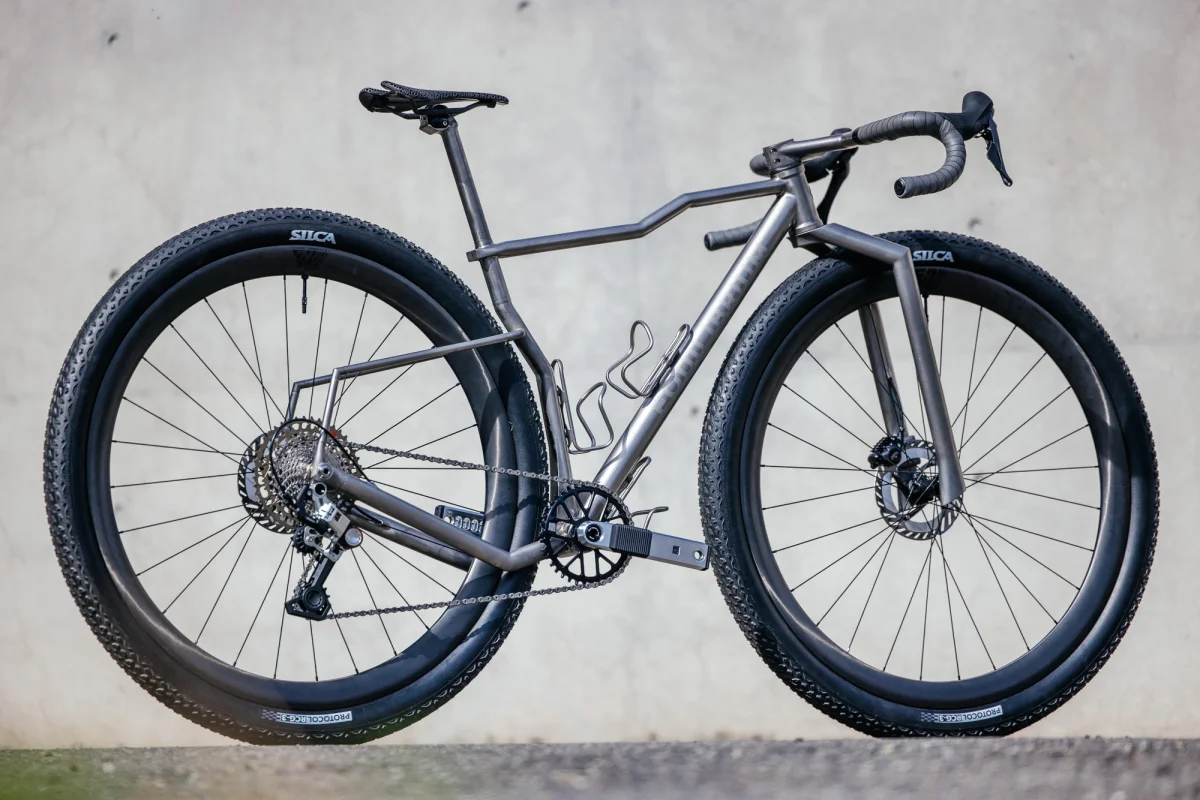
I came in expecting the bikes to reflect Japan’s affinity for traditional forms: quill stems, classic randonneuring designs and details shaped by long-distance riding. I also expected to see younger builders rework those references through modern all-terrain bikes and touring machines. The display met that expectation, while making clear that no single style could define the room. Old and new approaches shared space, and their differences gave the showcase much of its character.
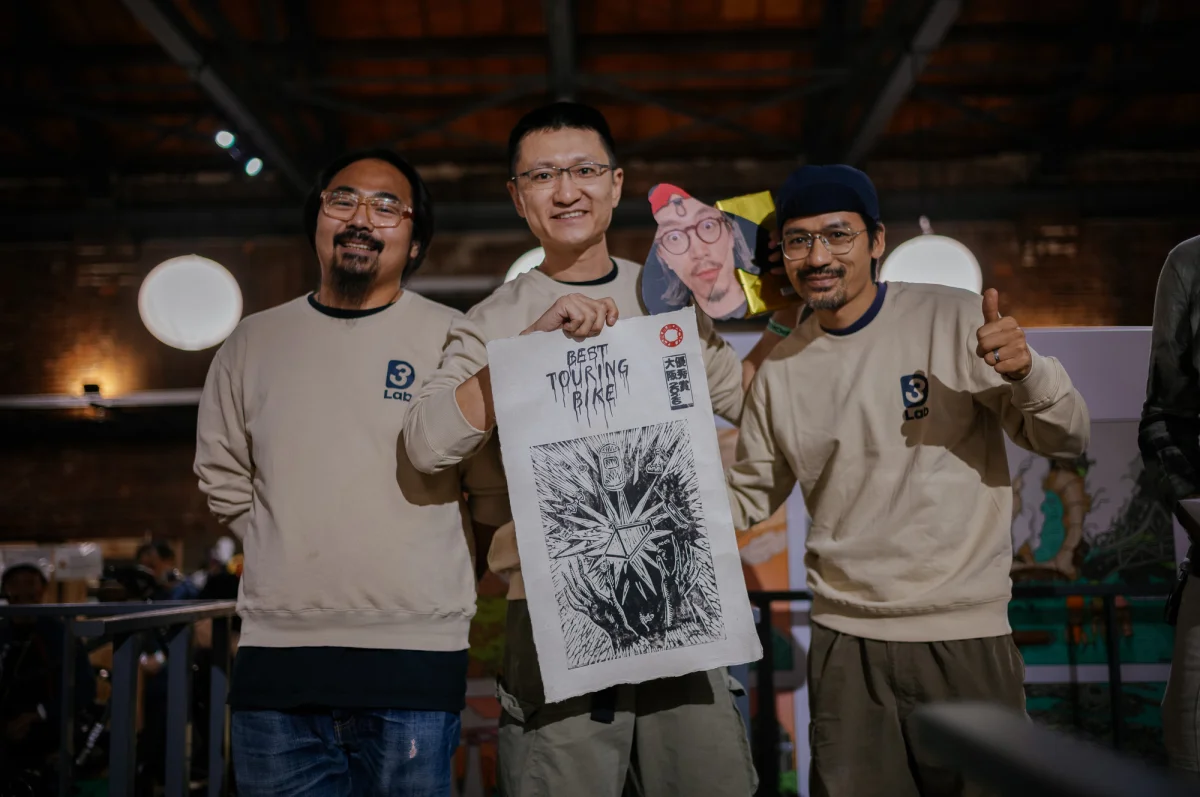
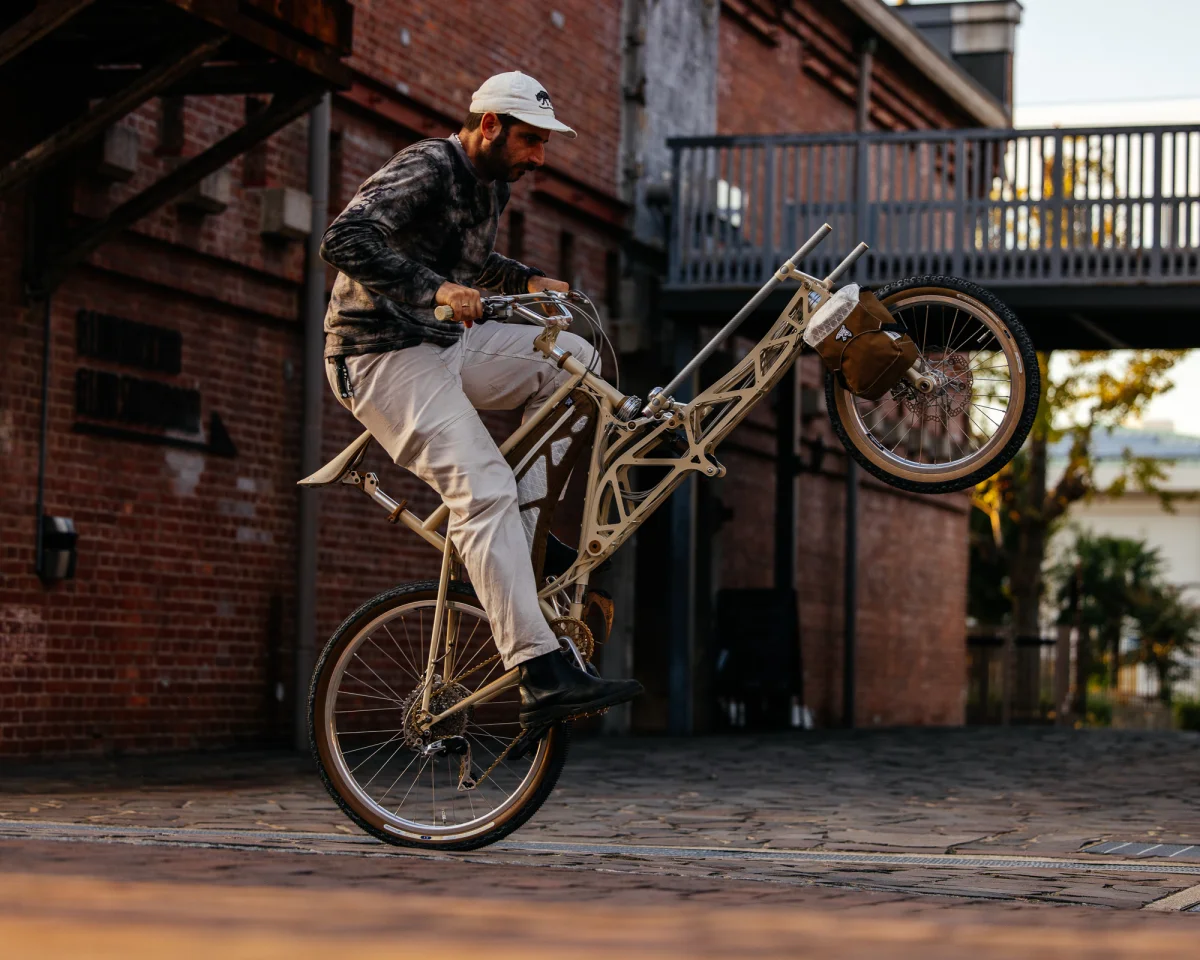
Petor Georgallou’s vision for a Japan-based Bespoked came through in the range of participants. Established names including MKS, Nitto and Honjo appeared alongside specialist shops Circles and Blue Lug, with builders at different stages of their careers represented as well. Asia-Pacific makers D3 and Prova added regional breadth, while European framebuilders helped connect Osaka to the wider craft community that has long made Bespoked feel international.
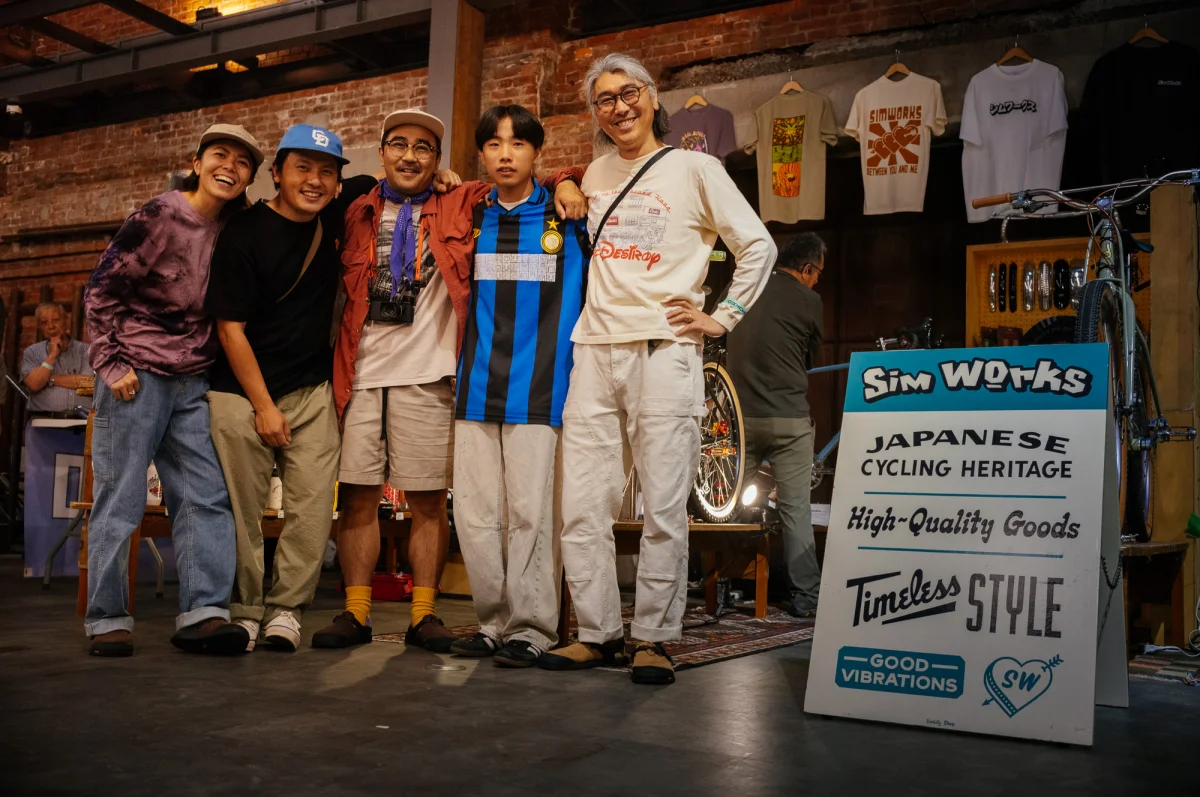

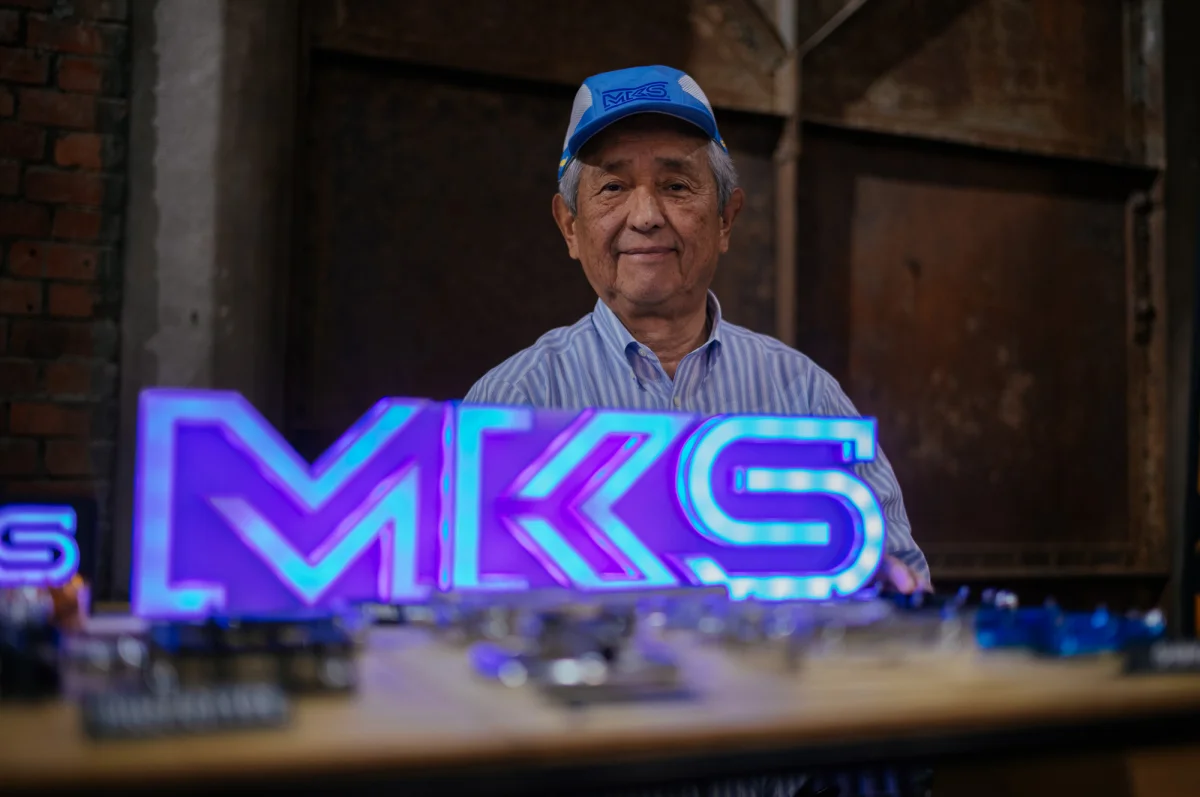
That international mix didn’t flatten the event into a traveling version of another showcase. Osaka gave it a particular atmosphere. The city felt more relaxed and slower-paced than Tokyo, and dining, shopping and entertainment were a short subway ride from the venue. After hours among frames, components and conversations, the city offered room to unwind without taking the focus away from the bikes.
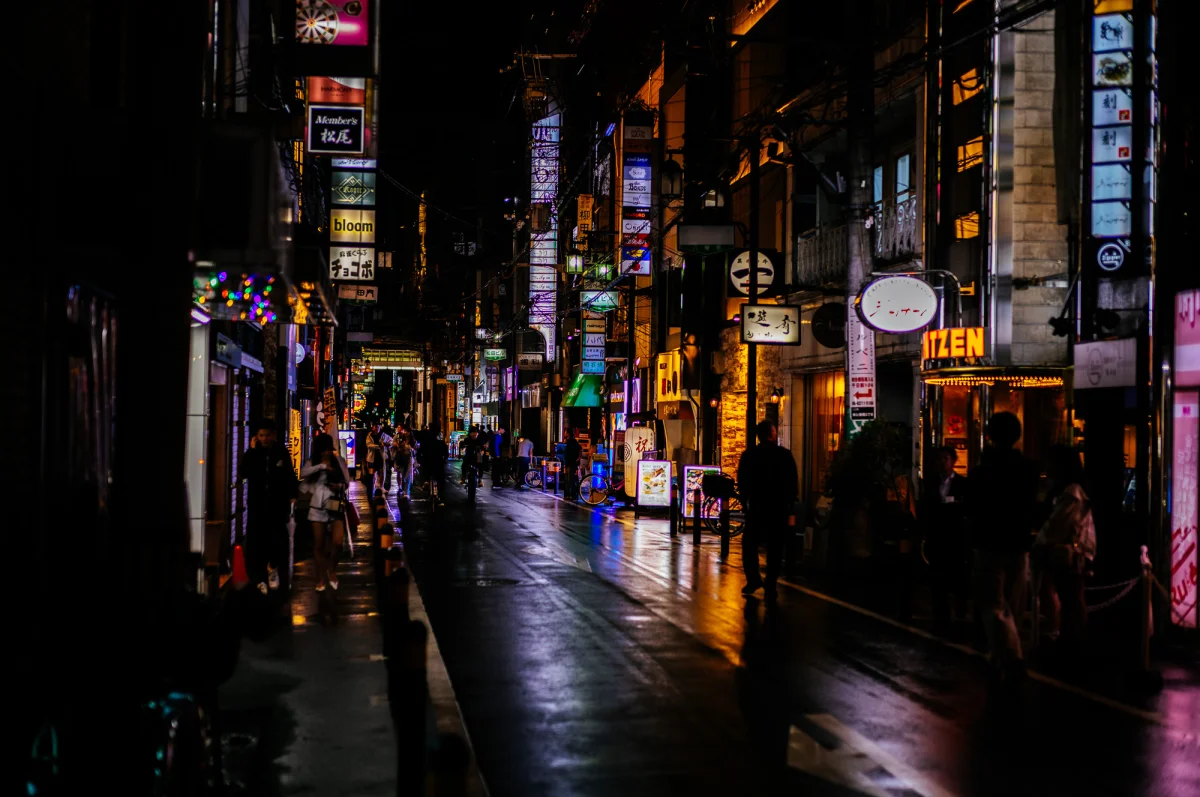
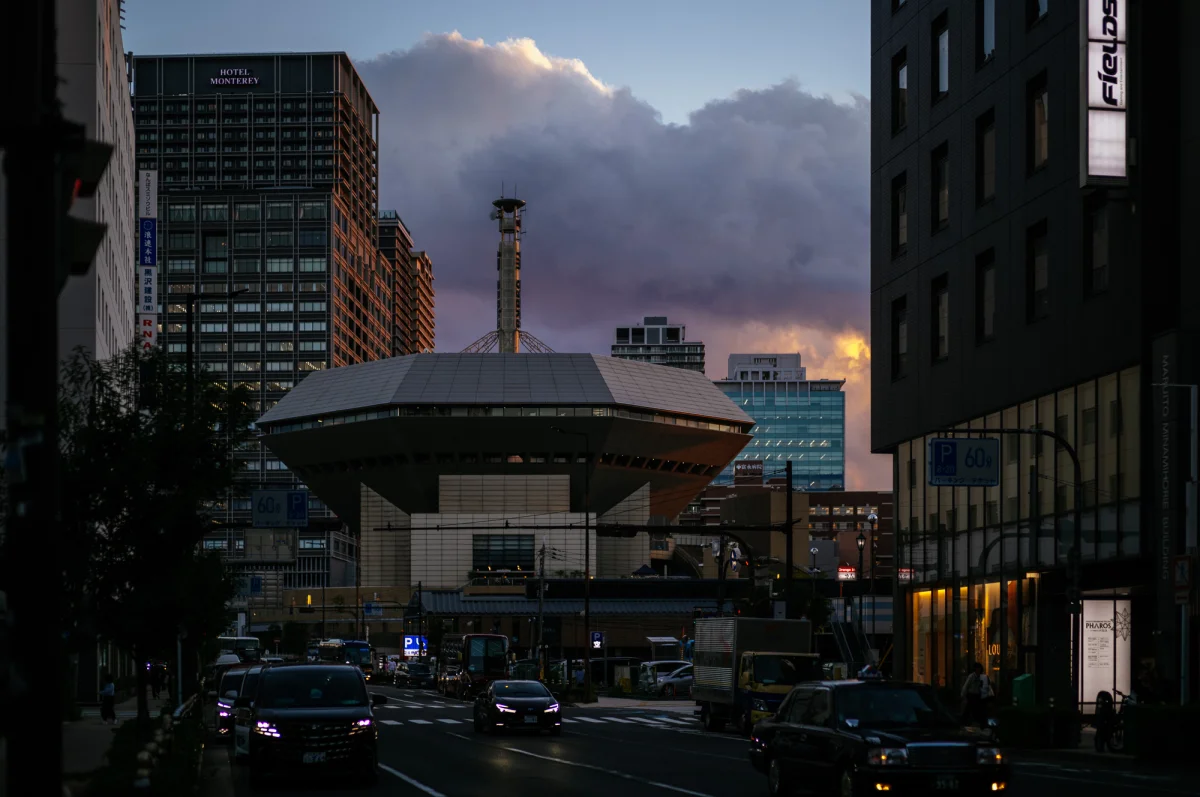
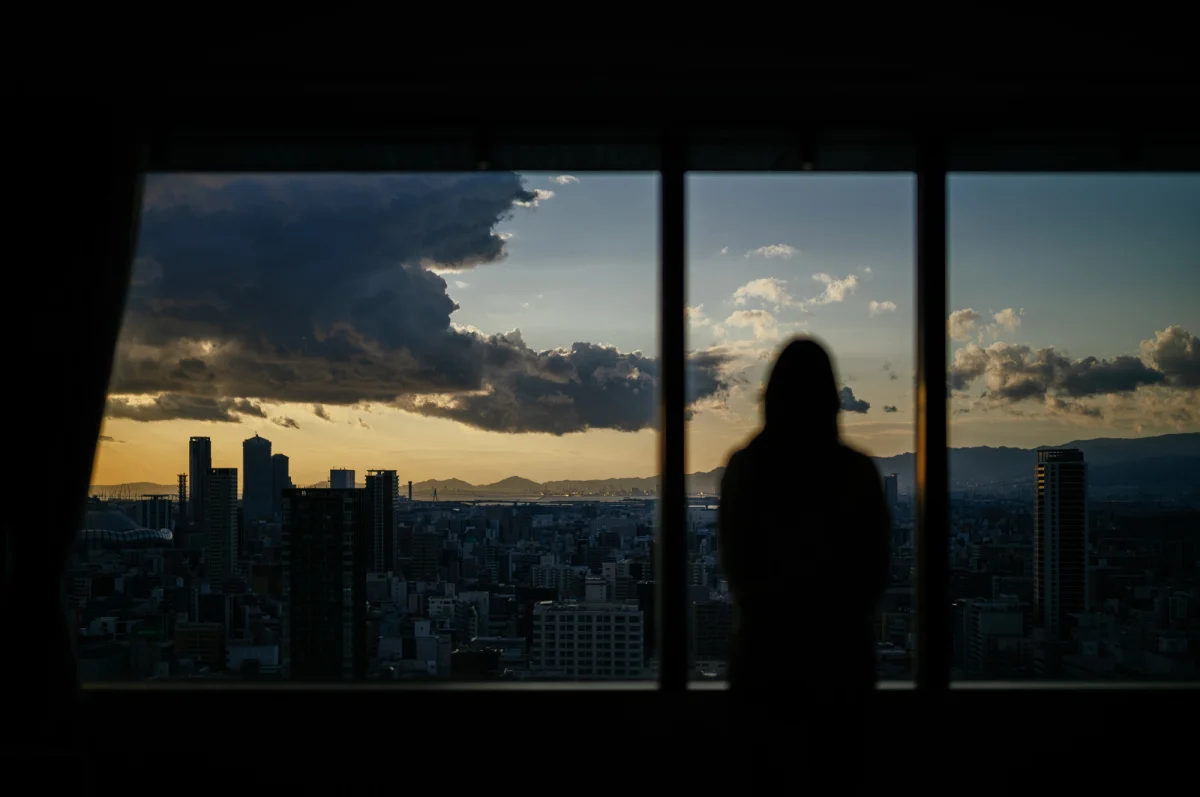
Osaka’s scale and energy made the visit feel like more than a trip between the hotel and the museum. Its expansive, vibrant streets and local spots gave each evening its own pace. That setting mattered: a framebuilding showcase depends on close looking and unhurried conversation, and the city’s quieter rhythm extended that feeling beyond the exhibition space.
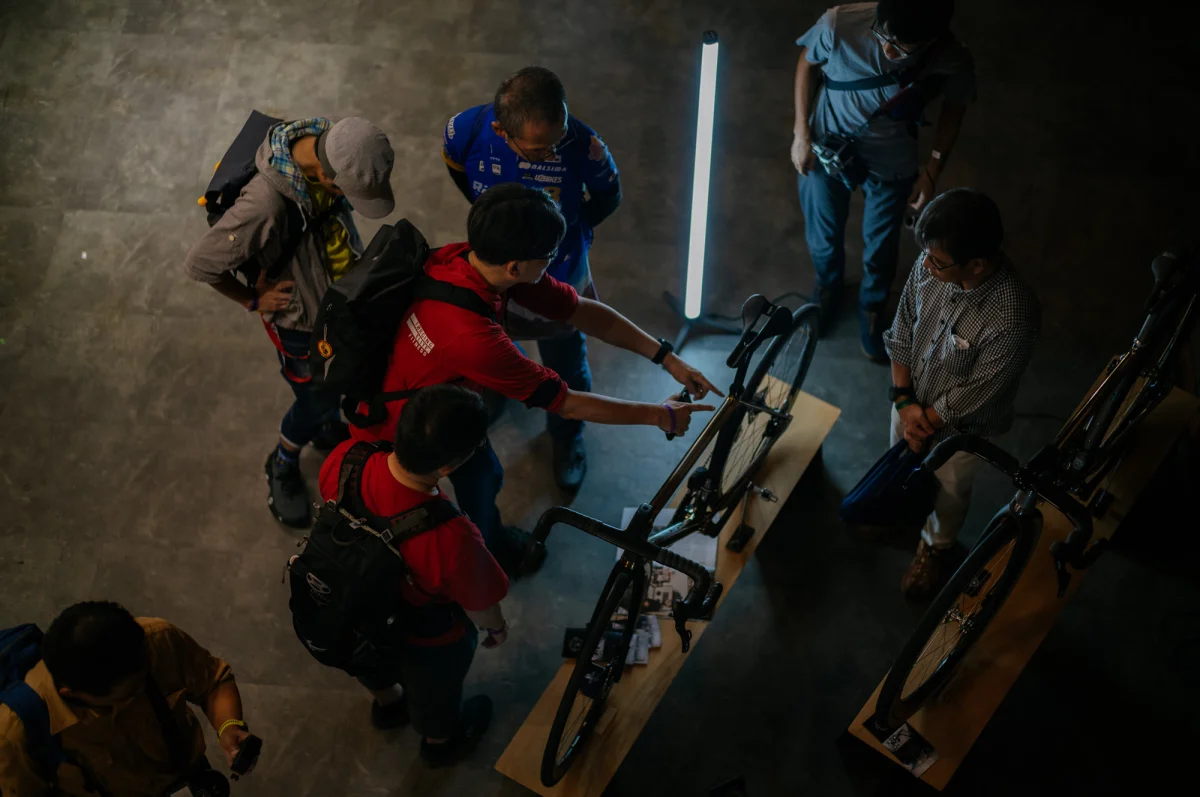
My clearest takeaway was a deeper appreciation for Japanese builders I had previously known mainly by name. Seeing their work in person changed the scale of that connection. Cherubim stood out in particular: decades of making bicycles that draw attention at framebuilder gatherings have earned the brand a lasting place in that community, and encountering it on home ground felt especially meaningful. The show offered a chance to see familiar work in a setting where its local roots were close at hand.
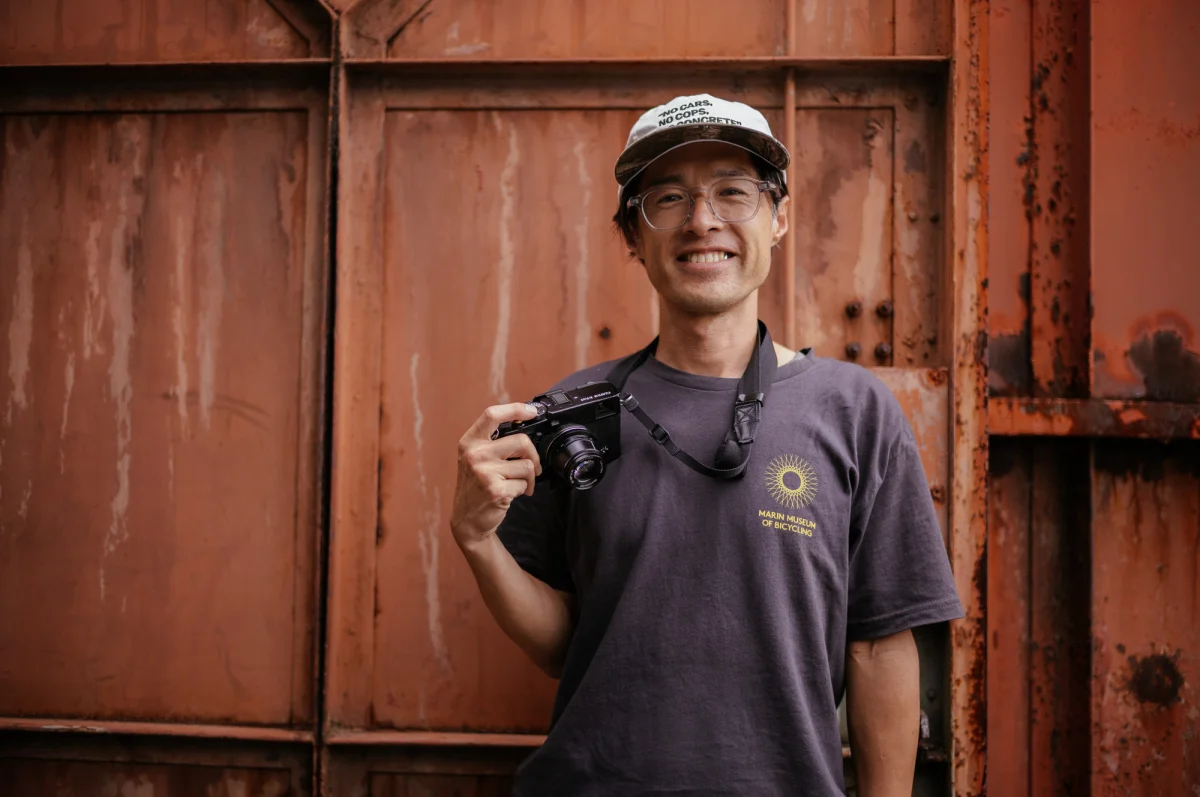
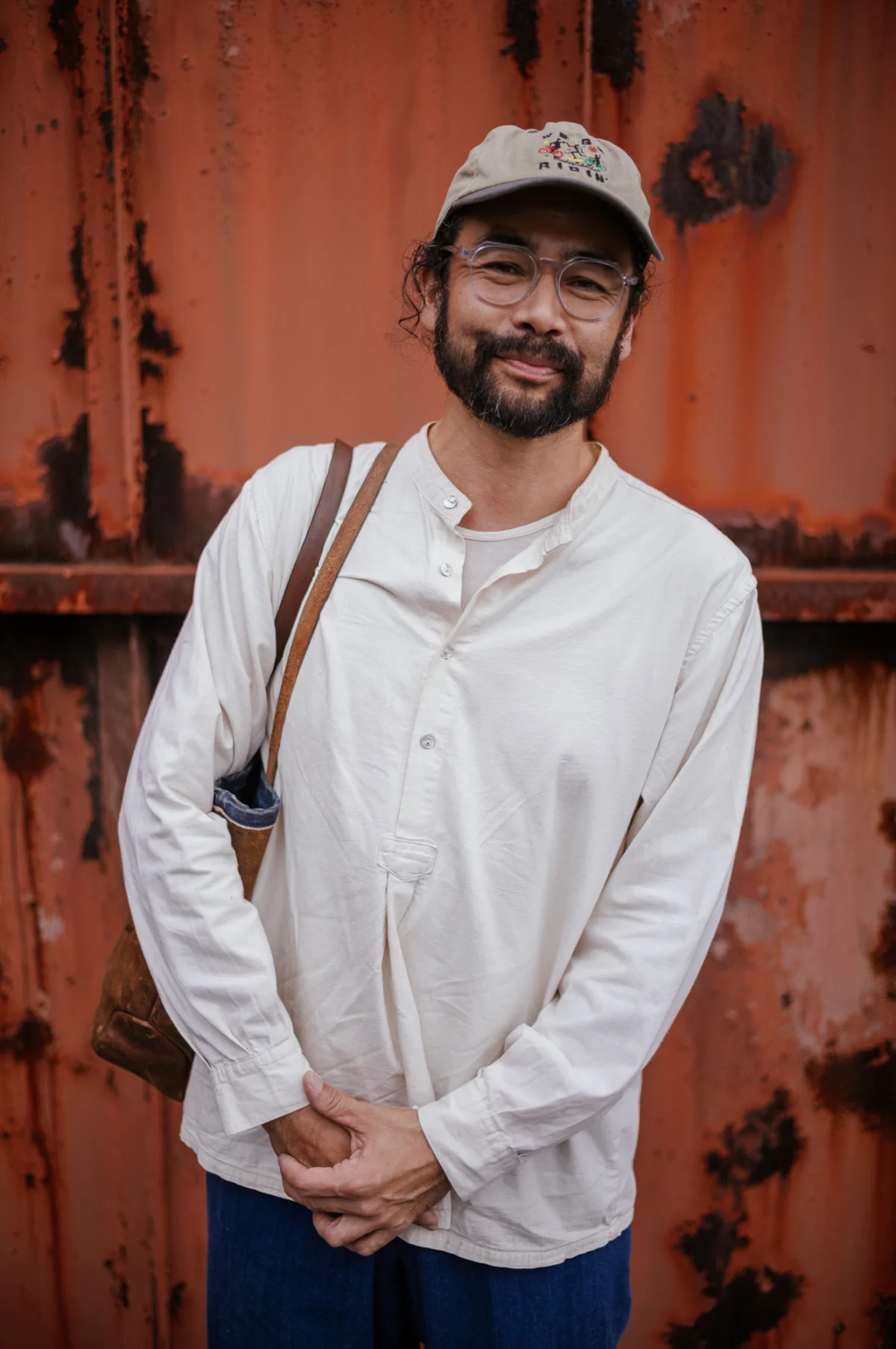
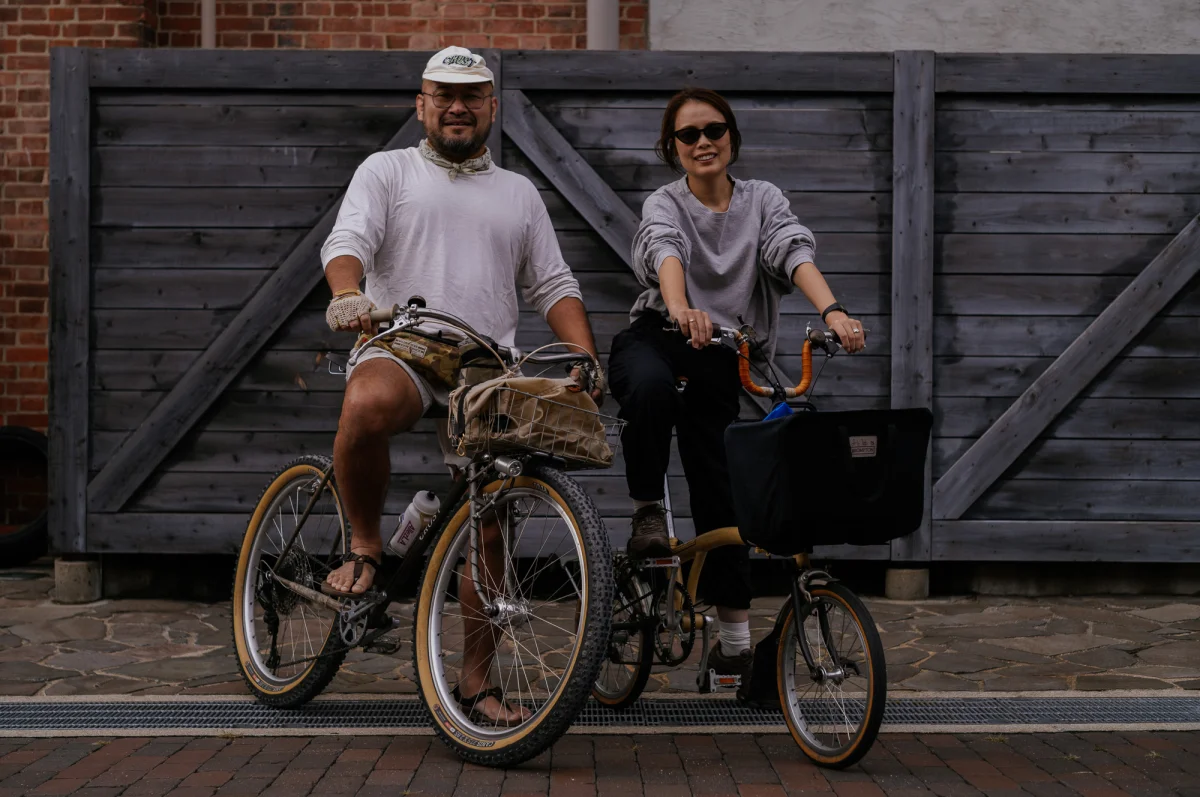
The connections around the bikes were part of the experience, too. Readers of The Radavist and longtime followers from the Prolly is Not Probably days stopped to say hello, and those conversations made the event feel personal. The Circles and Sim Works teams helped make the trip possible, while Blue Lug brought its own lively presence—including an employee bike parking display that could hold its own as a show within the show. The Crumbworks team helped keep the mood easygoing.
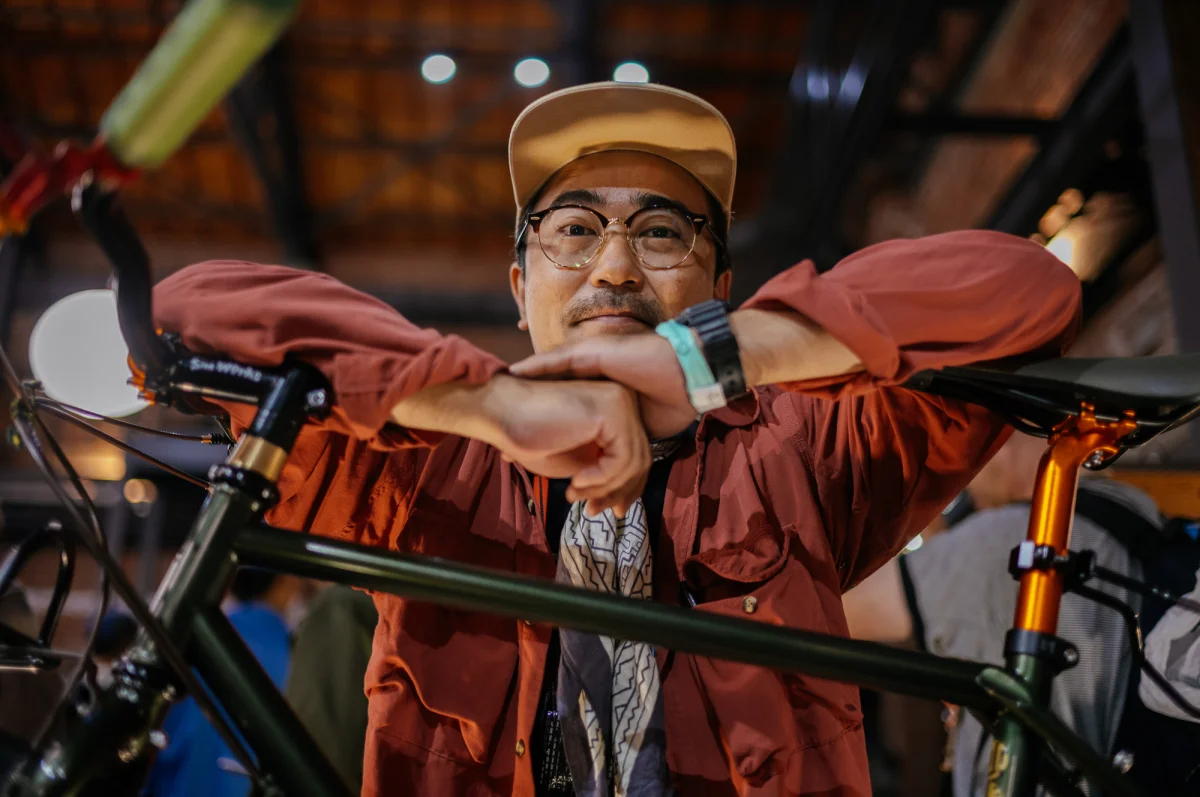
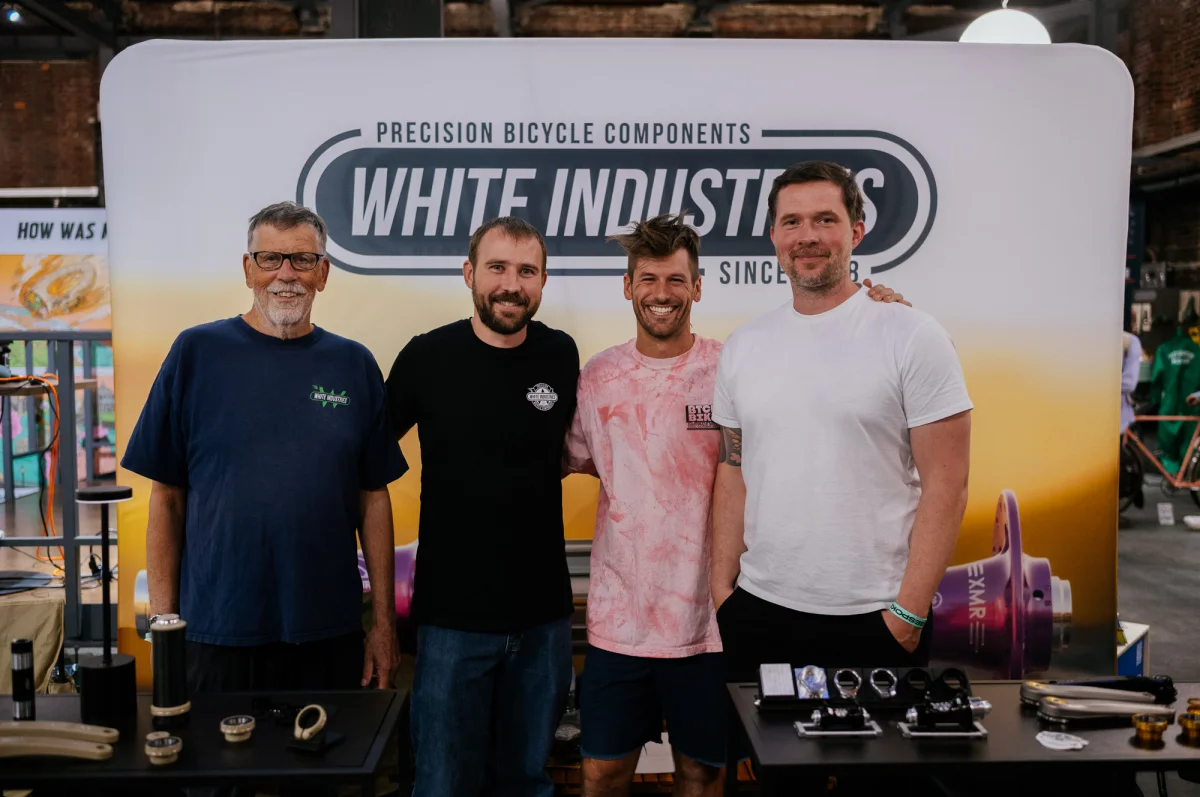
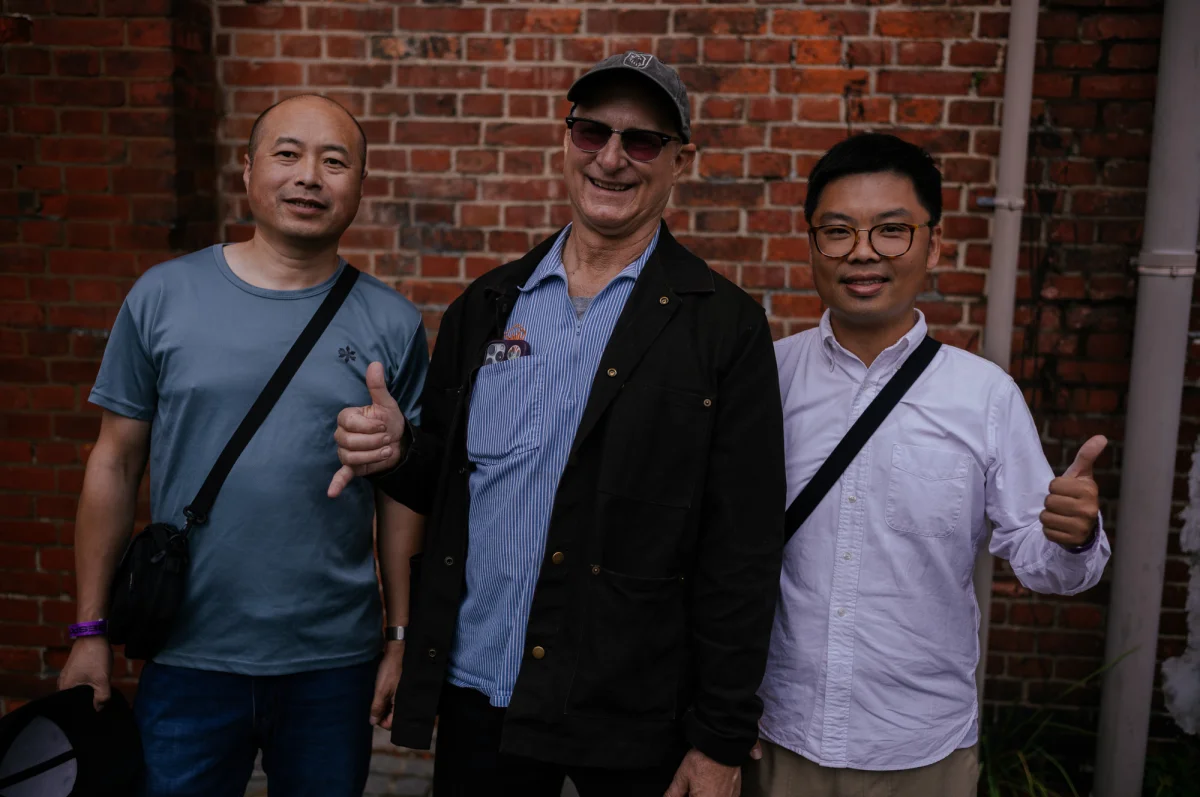
There’s a personal reason these gatherings matter to me. Readers who click through, comment, share posts and keep conversations going across borders give this work its purpose. Documenting makers in cycling has become the work I most want to do, and Bespoked brings that purpose into sharp focus: it puts the people, objects and shared attention in the same room.

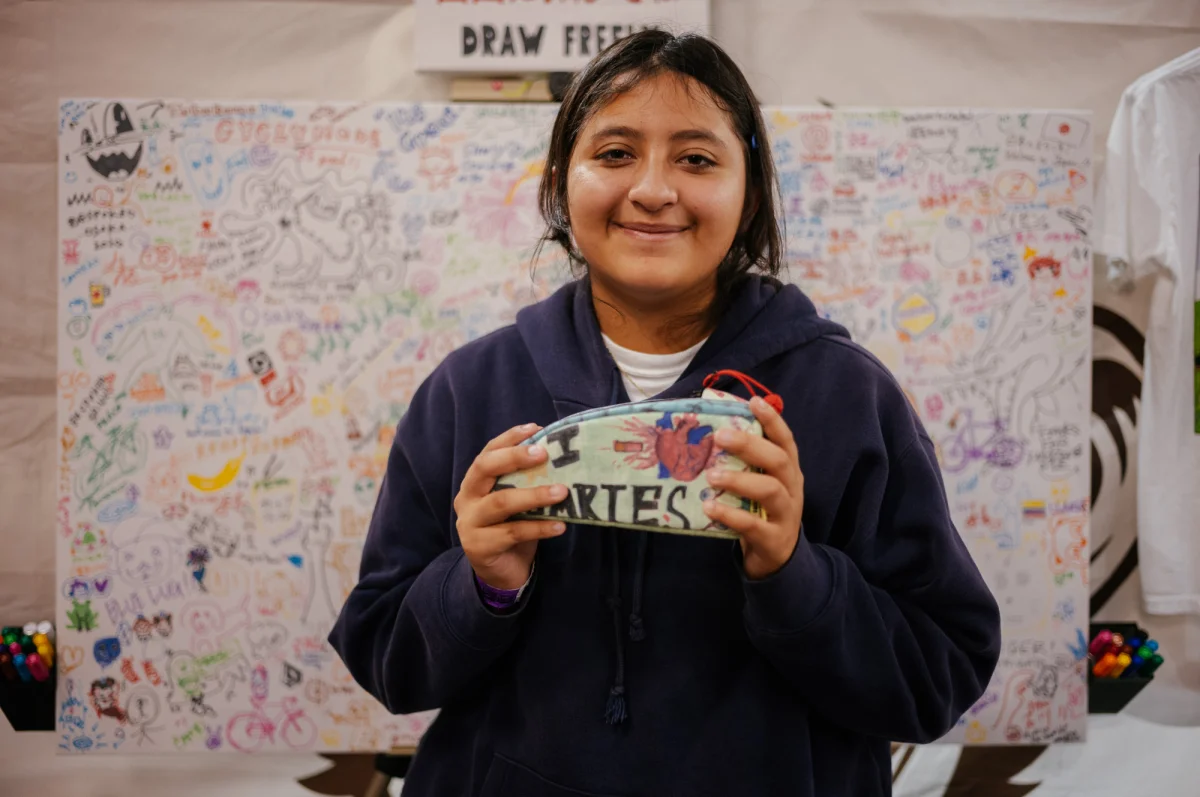
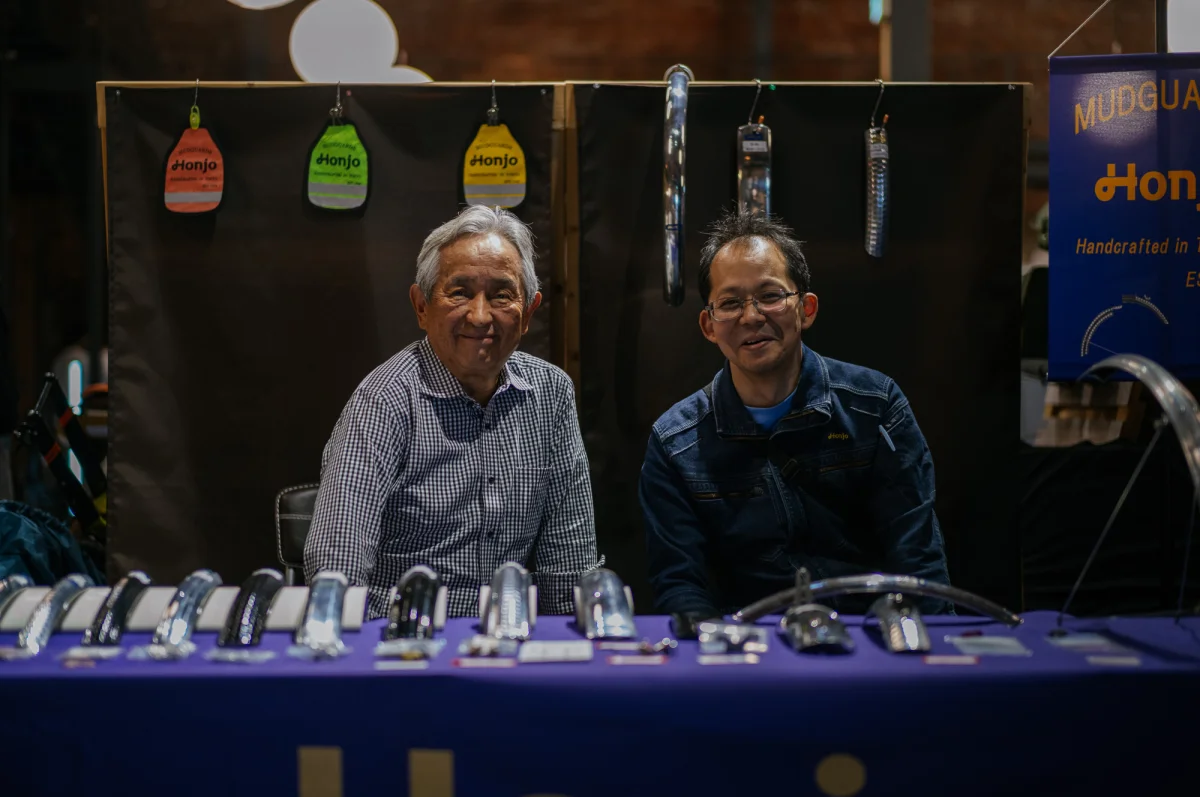
The Japanese concept of ikigai, 生きがい, is often translated as “reason for being.” One way to consider it is through four questions: What are you good at? What do you love? What does the world need? And what can you be paid for? The idea needn’t be reduced to a business calculation. Here, it offers a way to think about the work behind a bicycle: skill built over time, a desire to make, and a willingness to serve a need that might be hard to name until someone makes the thing that answers it.
That framework fits the framebuilders and the people who document their work. A handmade bike can be both a technical object and the result of a maker’s long-held interests; a showcase gives those objects a place to be studied, discussed and understood in context. For me, recording that work is a source of fulfillment. Bespoked Osaka brought that sense of purpose together with a generous welcome from visitors and makers in Japan and beyond.

The event leaves me looking forward to returning to Osaka next year. Its mix of regional character, international craft and personal encounters made this edition memorable, and the work on display gave me new reasons to keep paying attention to Japanese builders.
Coverage of the 2026 Bespoked Osaka showcase was supported by Circles Japan. The showcase also included Circles and Sim Works.