Handbuilt Bikes at Bespoked Osaka: Six Standouts in Craft and Design
From a nimble cargo hardtail to a custom Kyoto road bike, these Bespoked Osaka builds show the range of handmade cycling.
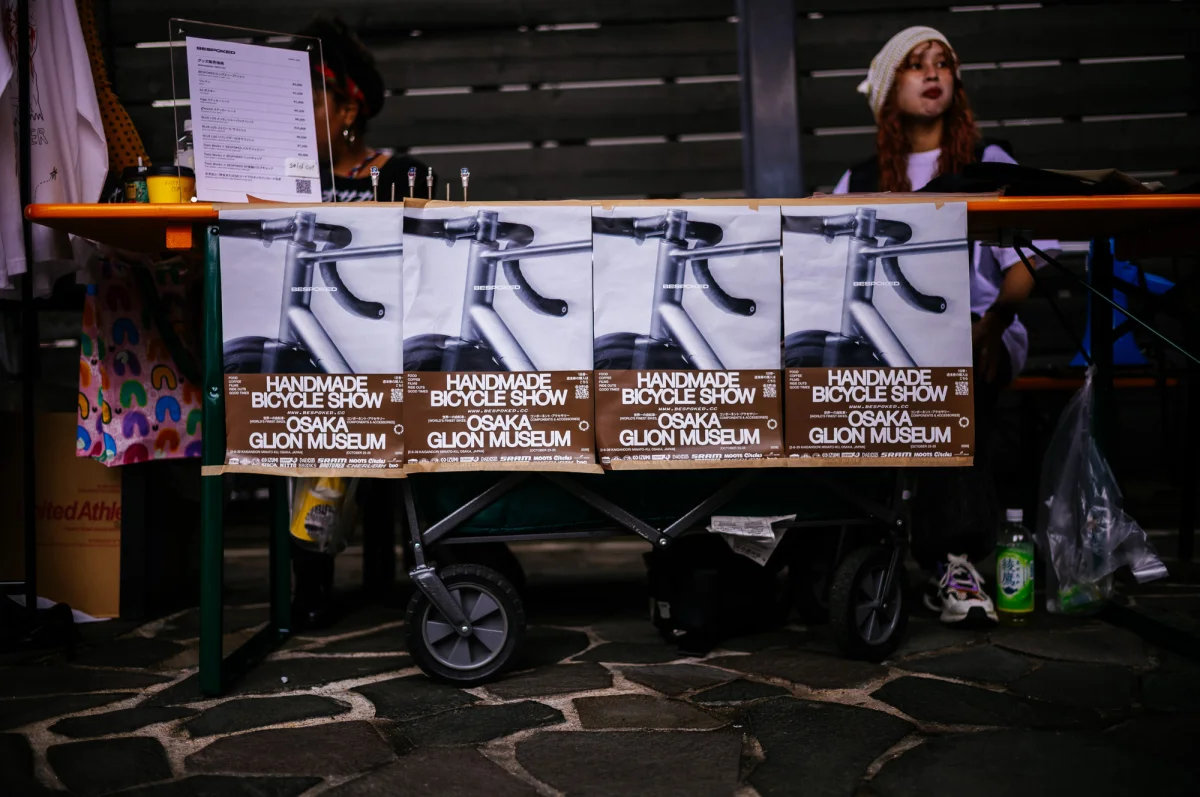
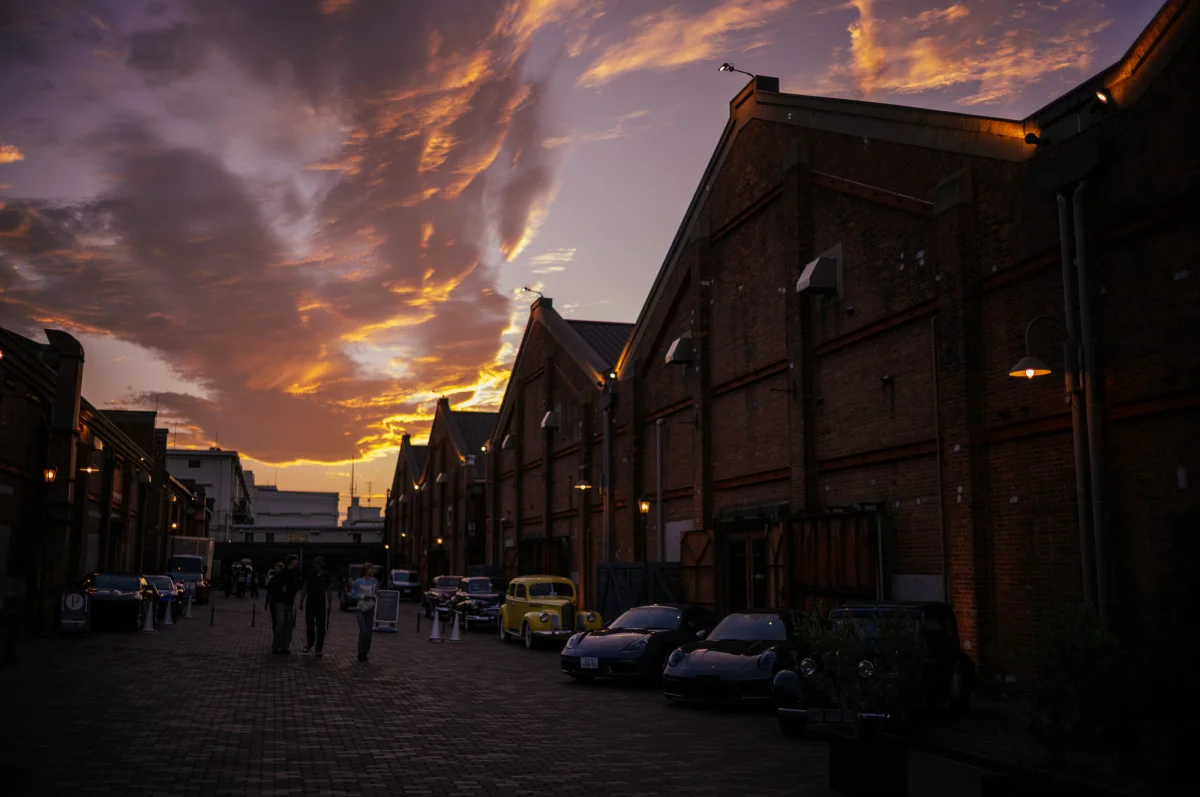
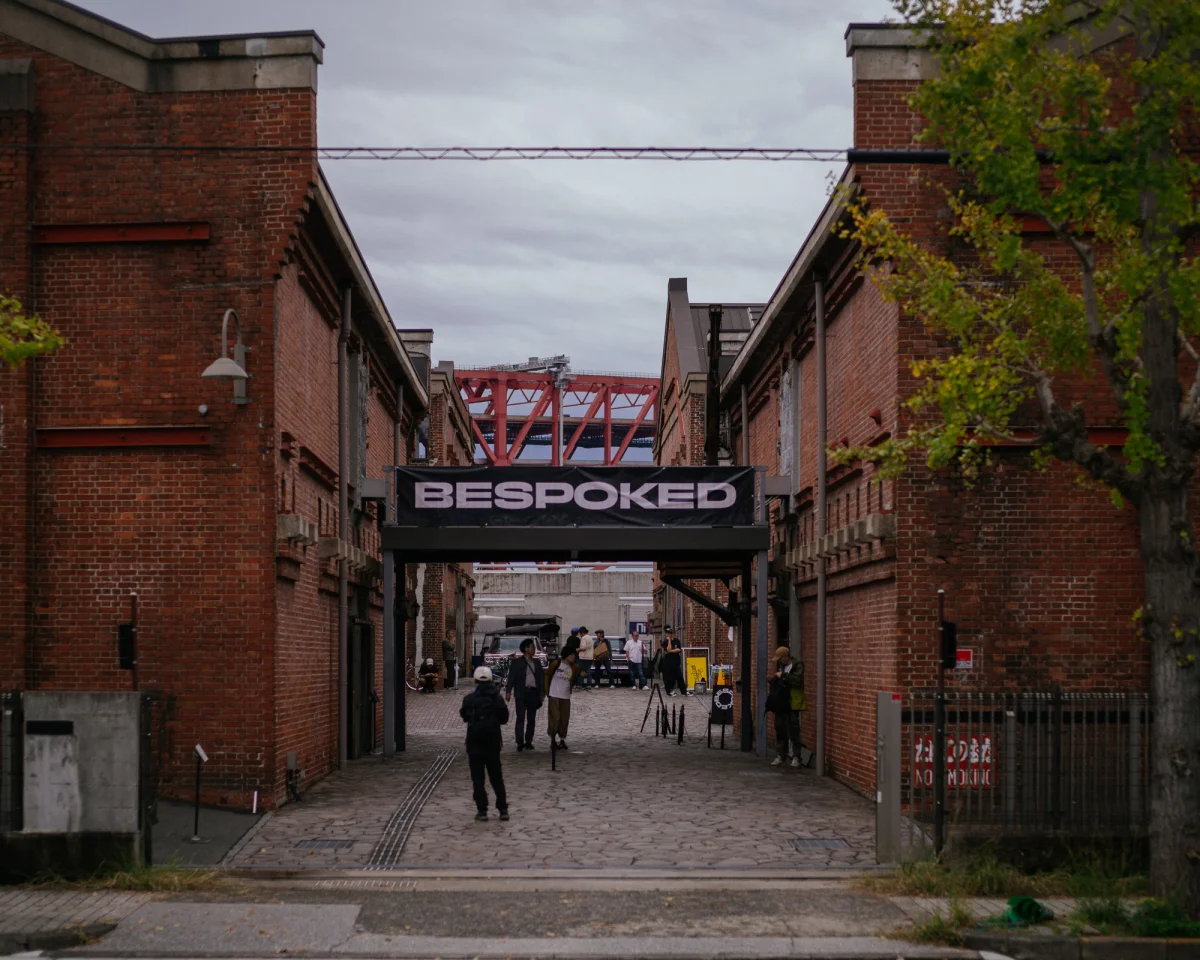
Bespoked’s first show in Japan brought international framebuilders to Osaka, where six bikes made a case for handbuilding’s range: practical touring, experimental cargo design, sculptural track geometry and road bikes shaped around individual riders. The setting suited the mix. The Glion Museum occupies a 10,000-square-meter site built in 1923 as a port authority, with pre-war brick and timber across four buildings. Two adjacent buildings held the show, among a collection of classic and modern cars.
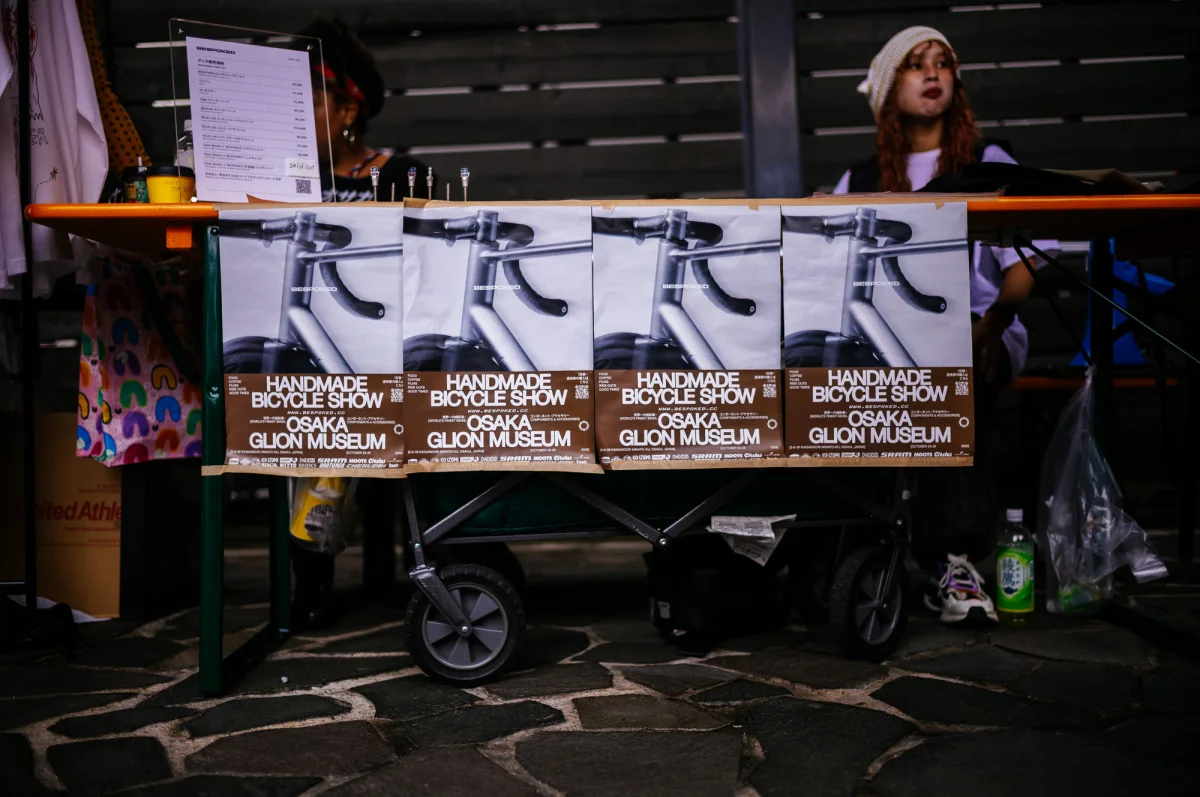
A venue built for contrasting ideas
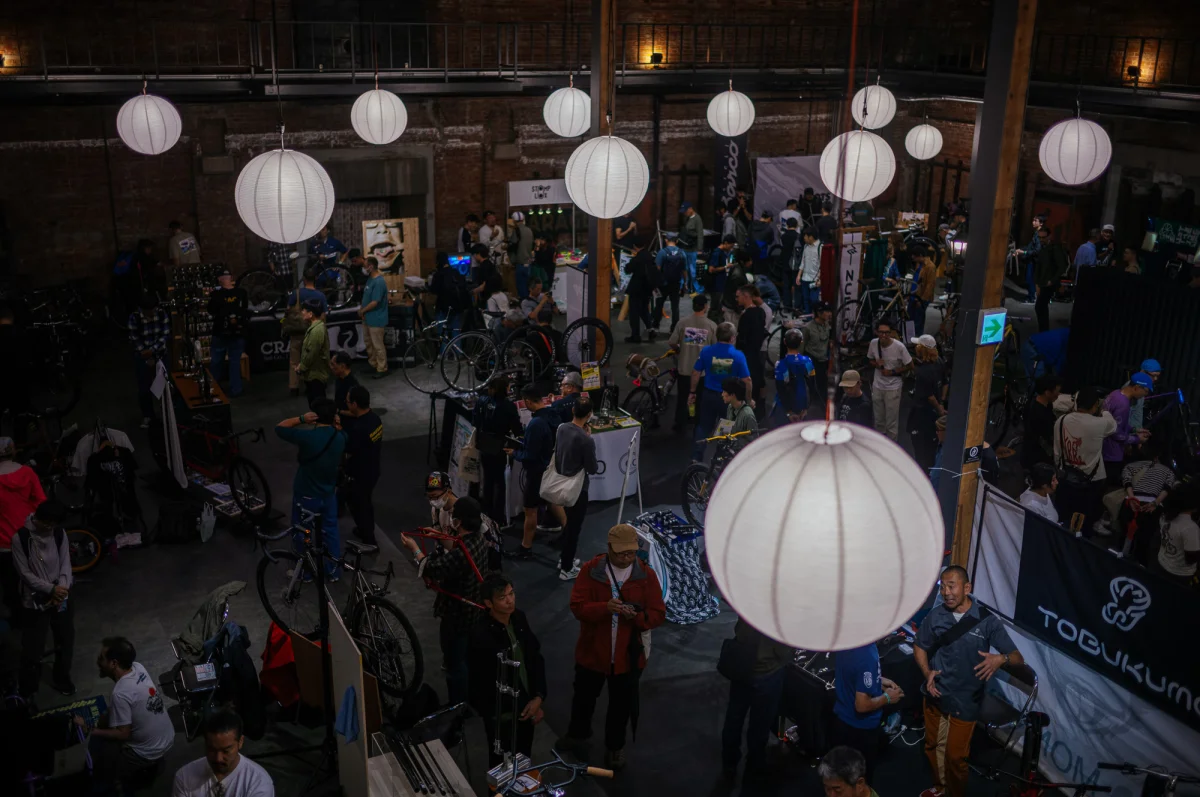
By Friday morning, builders and industry attendees had filled the museum spaces. The bikes ranged from classic road and touring designs made to Japanese standards to experimental European work. That variety is the point of a framebuilding show: familiar forms share the floor with builds that test what a bicycle can carry, how its lines can be made, and who its fit can serve.

Velo Après: a touring bike with room to tailor
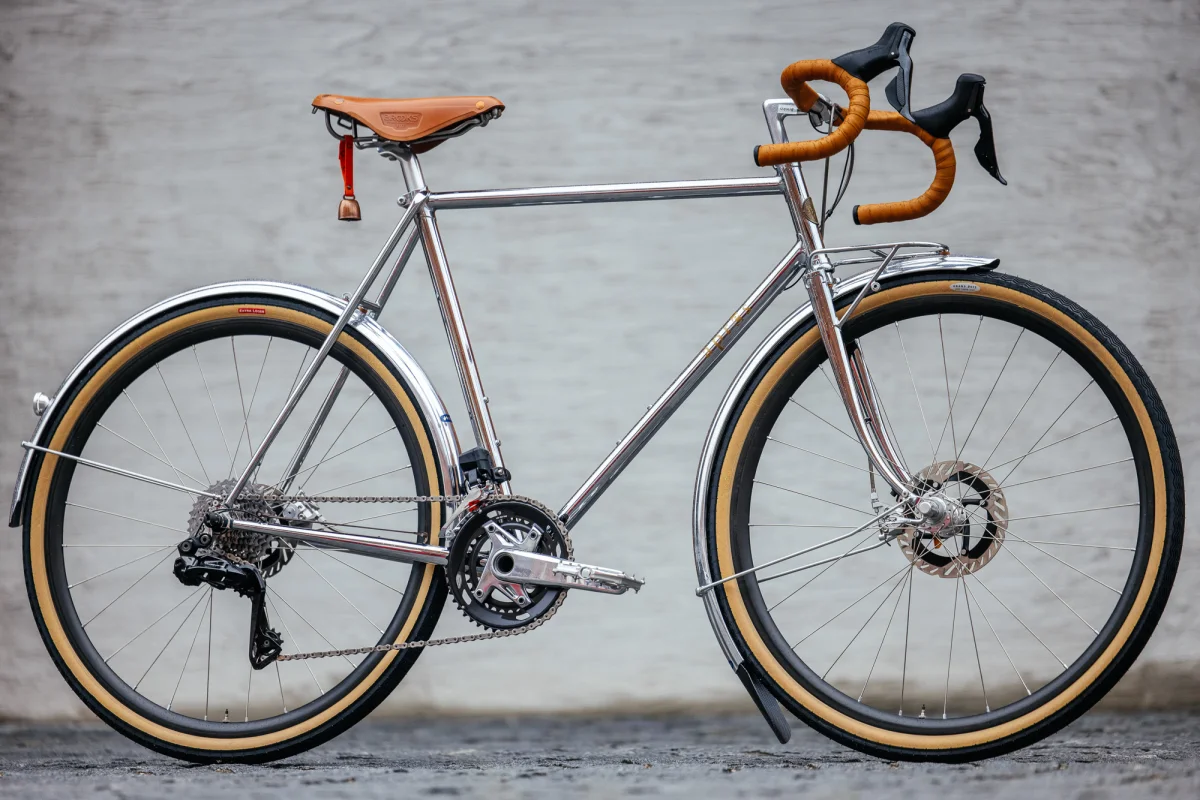
Velo Après builds French-inspired touring and randonneuring bikes with two complete-bike specifications. The Standard, equipped with Shimano Claris, costs around $3,000 US; the Special, with a higher-end groupset and saddle, is around $3,500. Raijin Works handbuilds the frames to Velo Après’s specifications. Buyers can choose from ten colors, seven set sizes, and disc or rim brakes.
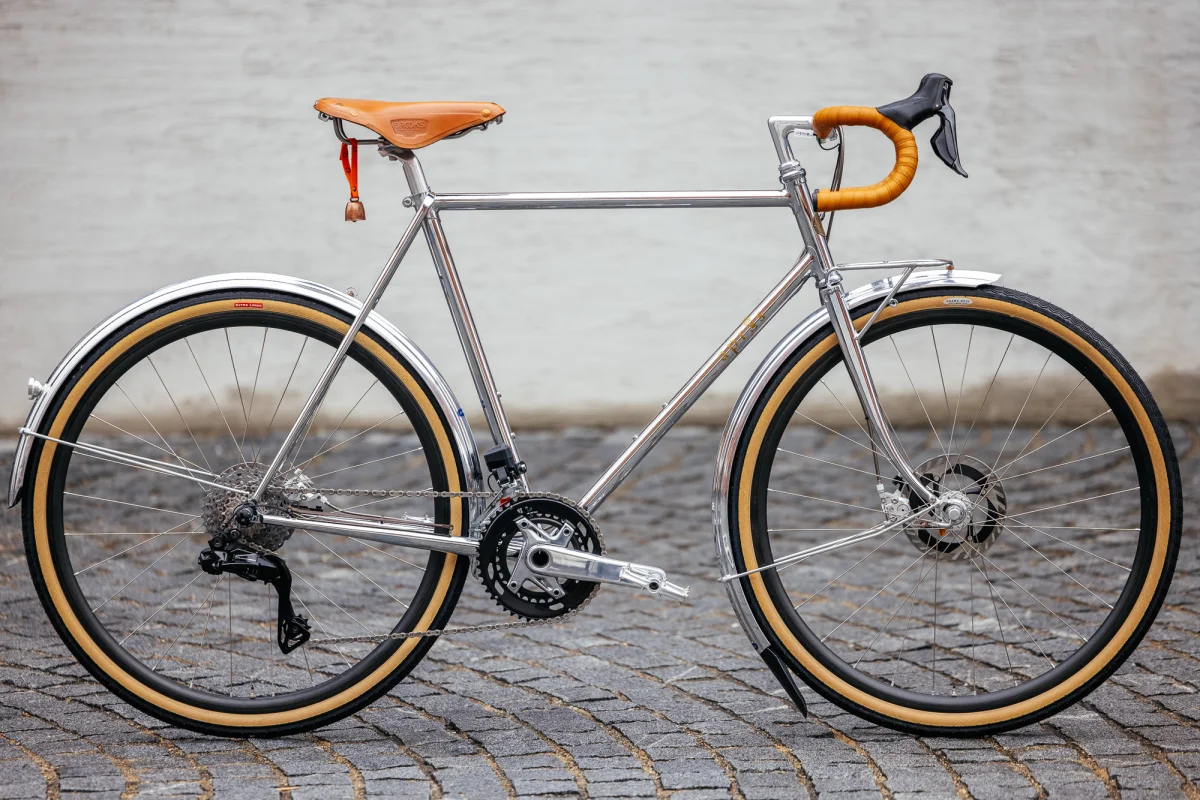
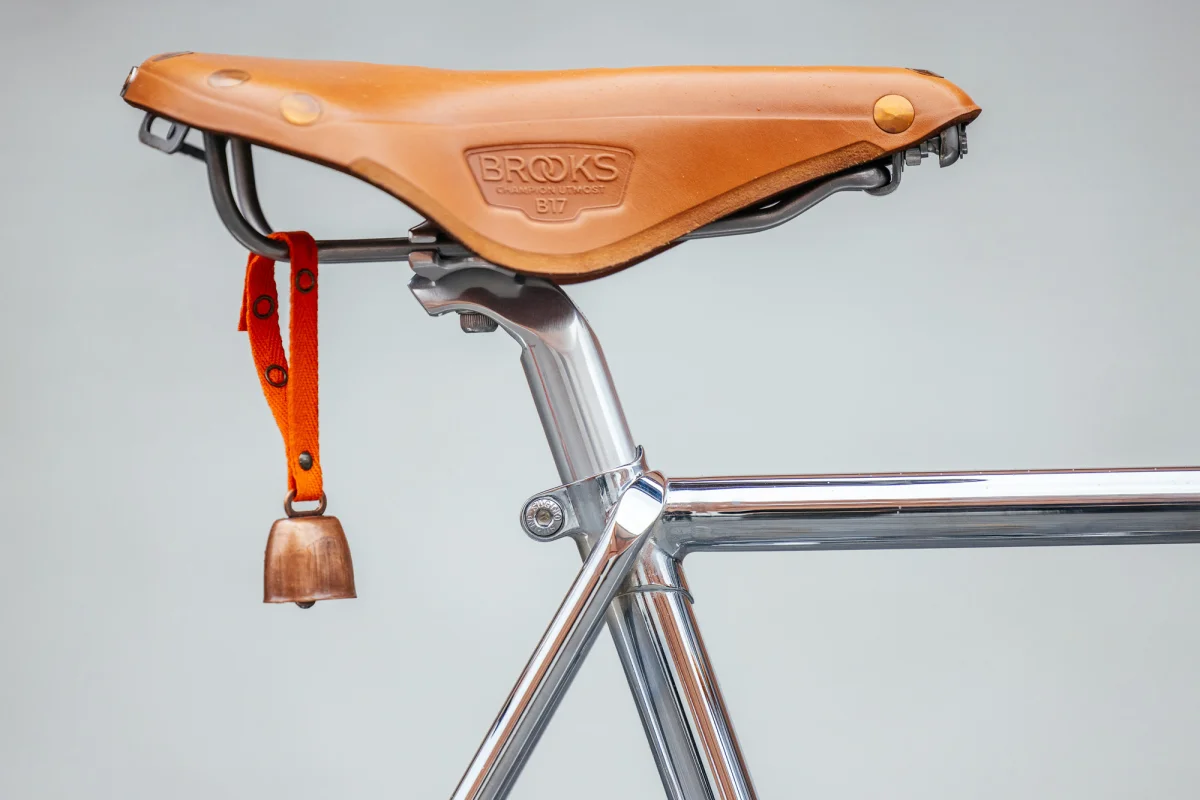
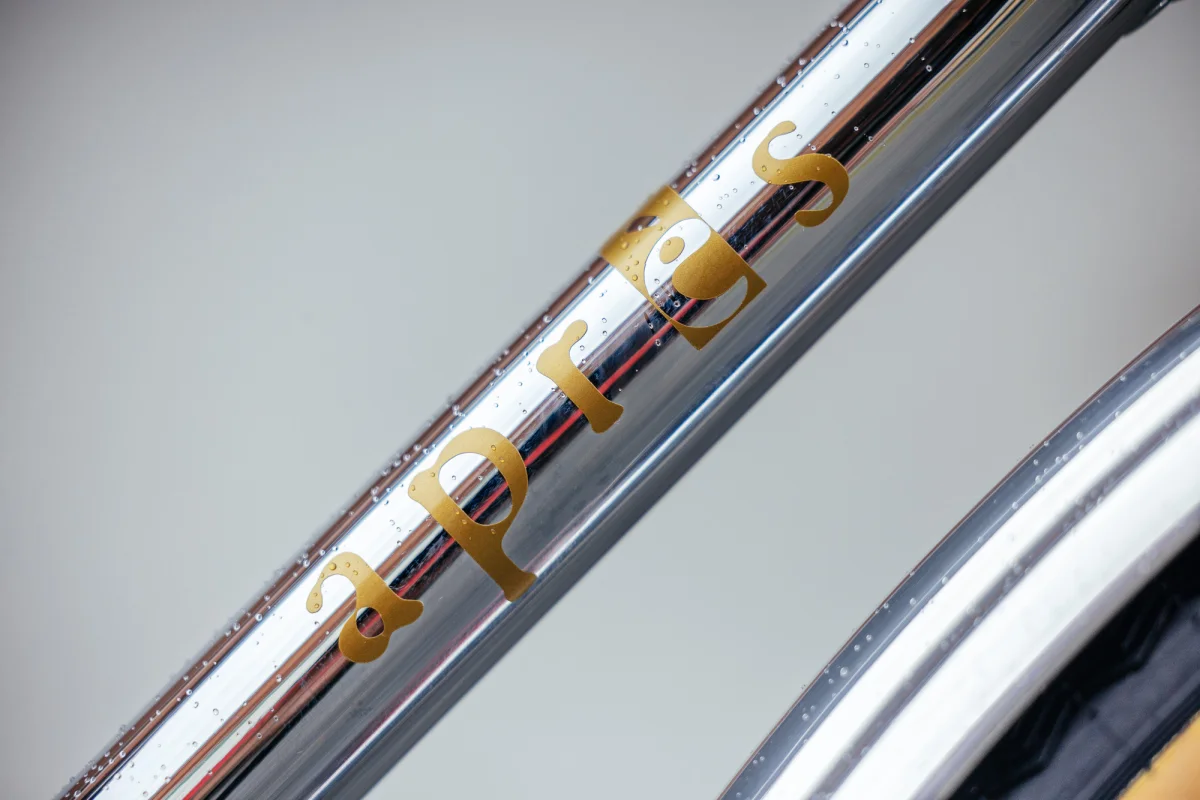
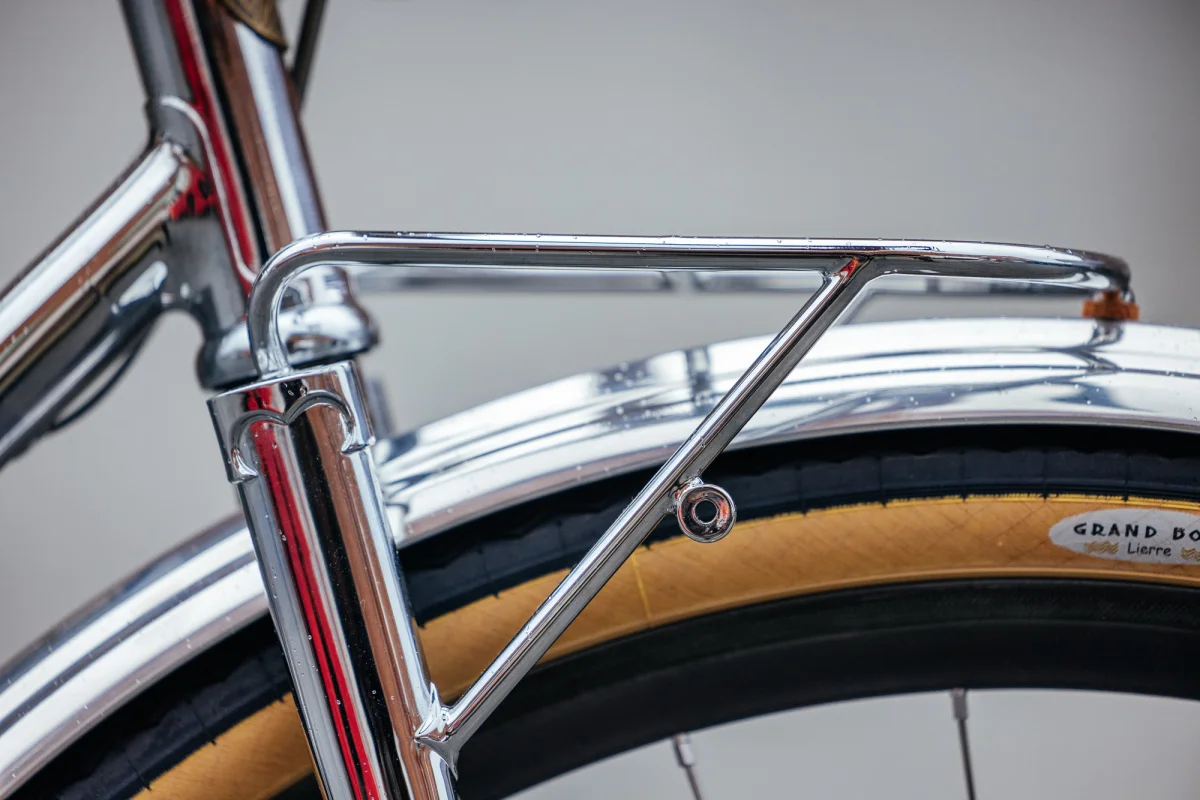
Optional equipment includes front and rear racks and other touring accessories. The example on display wore a front randonneuring rack. Japanese Kasai tubing is selected for its ride feel, with the builder describing a fork that planes and a frame that moves with the rider. The options make the bike adaptable to different touring setups while keeping its classic outline.
D3 Lab Moridge: cargo bike as a structural experiment
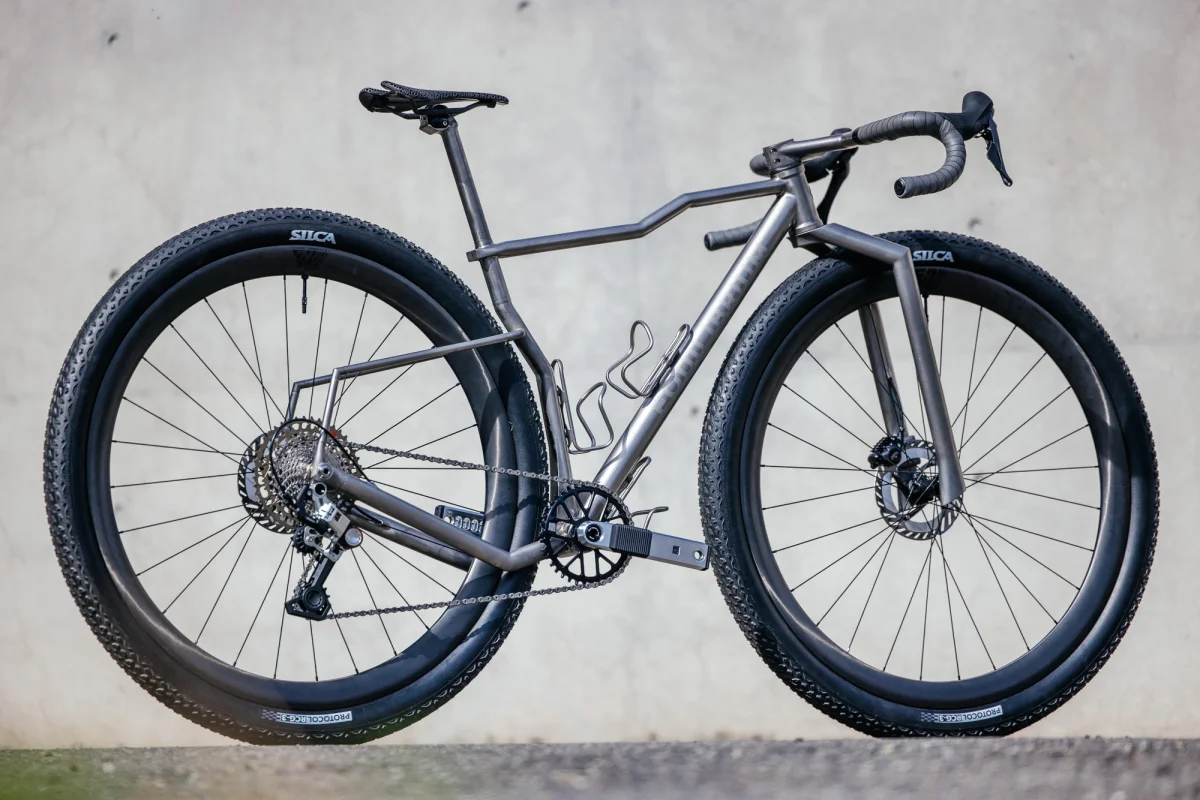
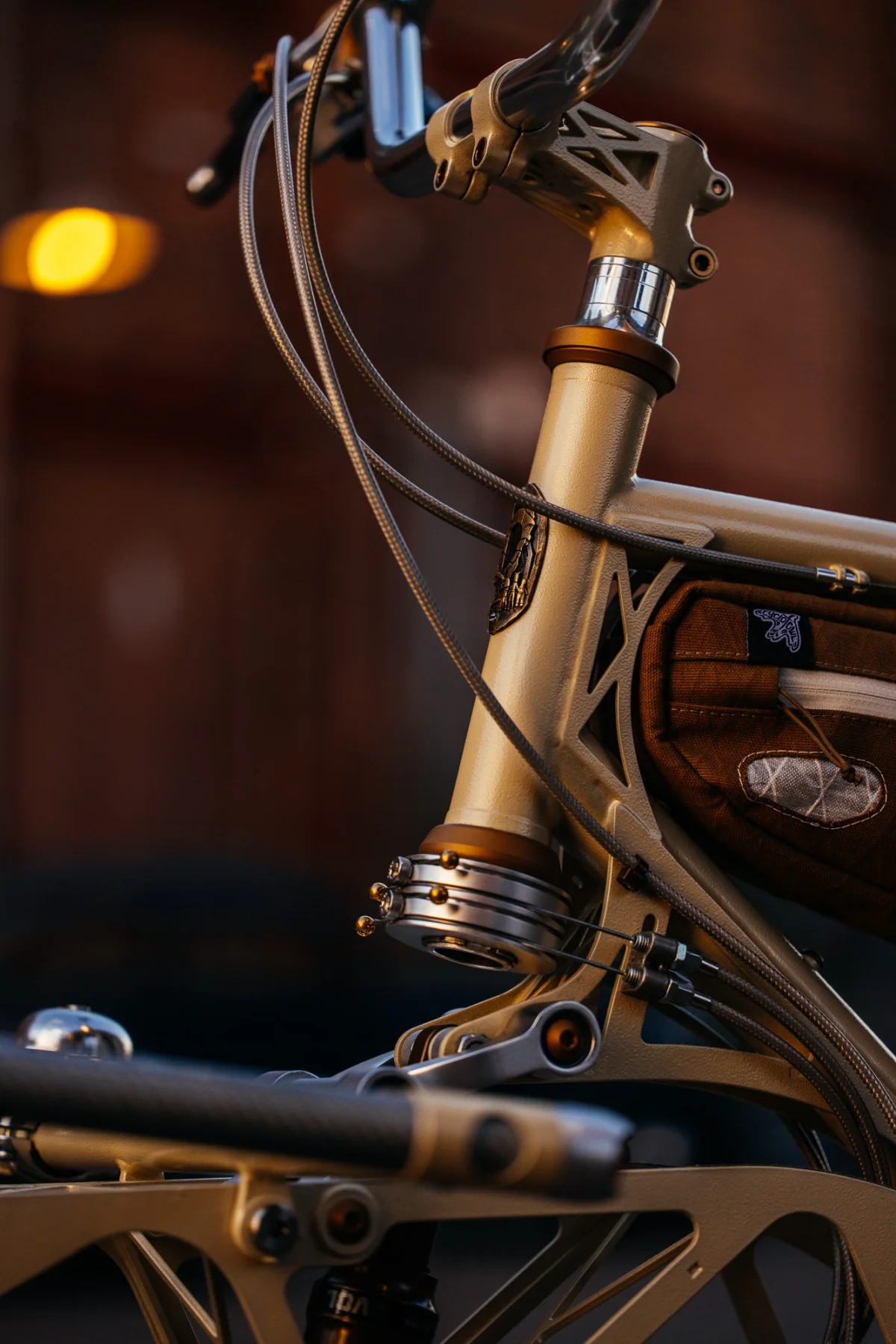
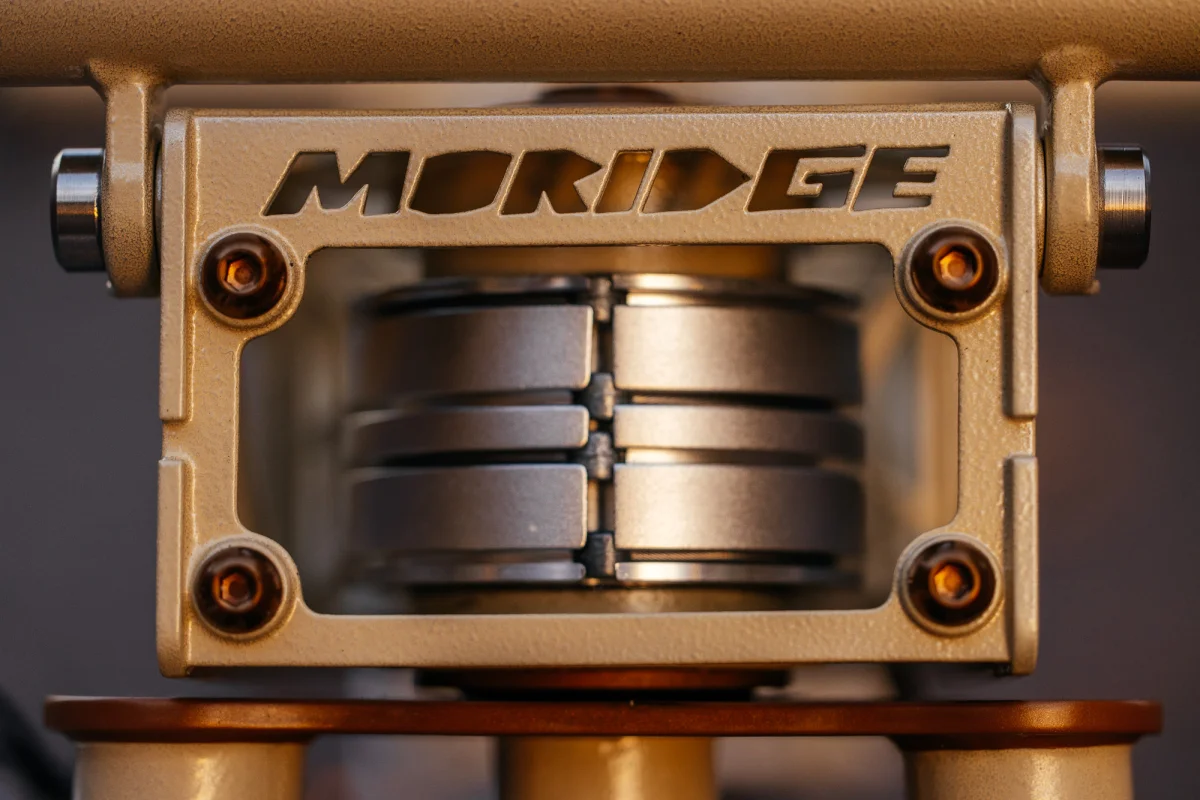
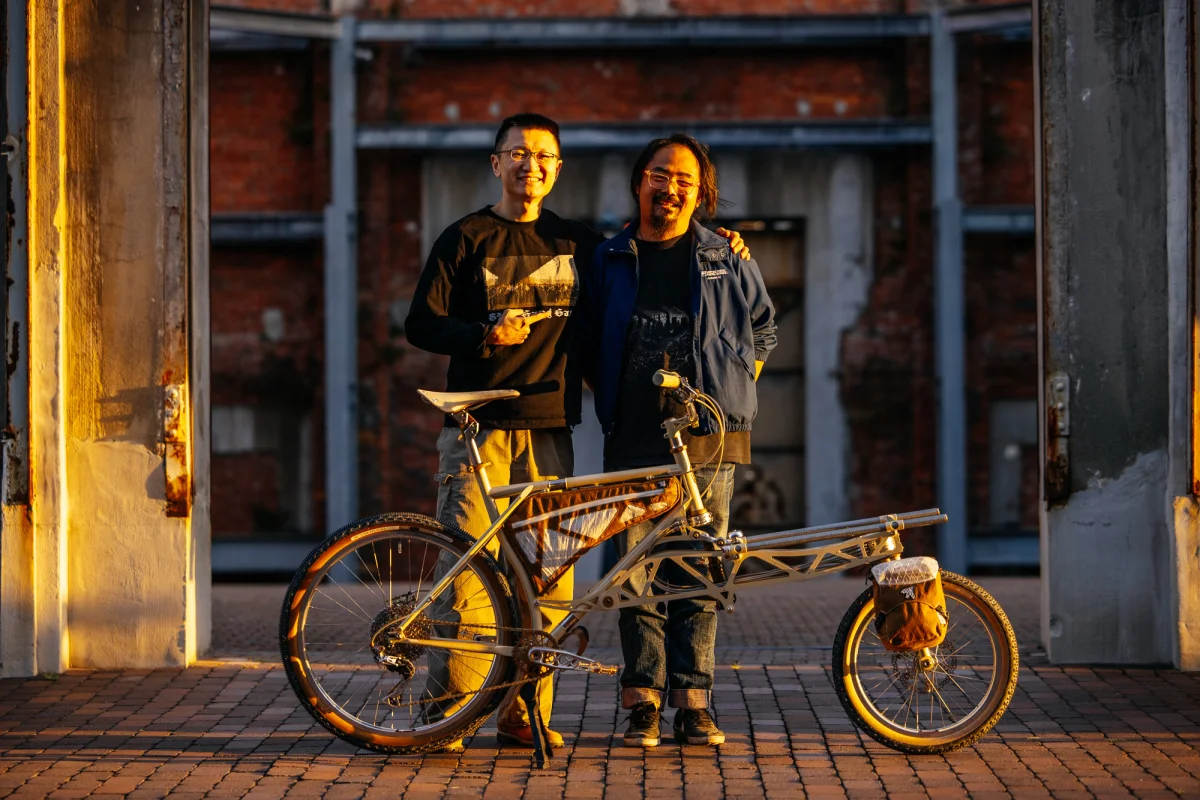
Beijing-based D3 Lab’s Moridge hardtail cargo bike combines two construction approaches: brazed tubing and a laser-cut truss structure for the front platform. Its name blends “Mobile Bridge,” a reference to the front support’s inspiration in bridge design. The result is a cargo build whose frame architecture is central to both its look and its purpose.
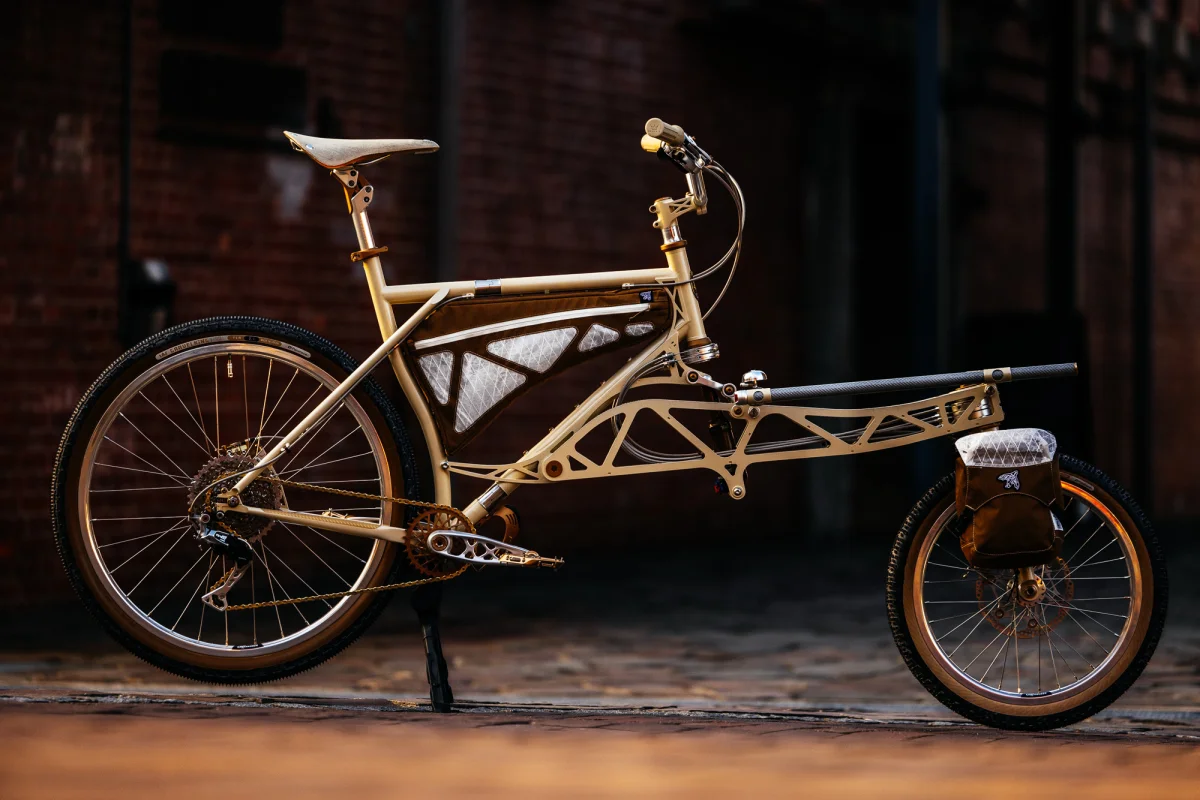
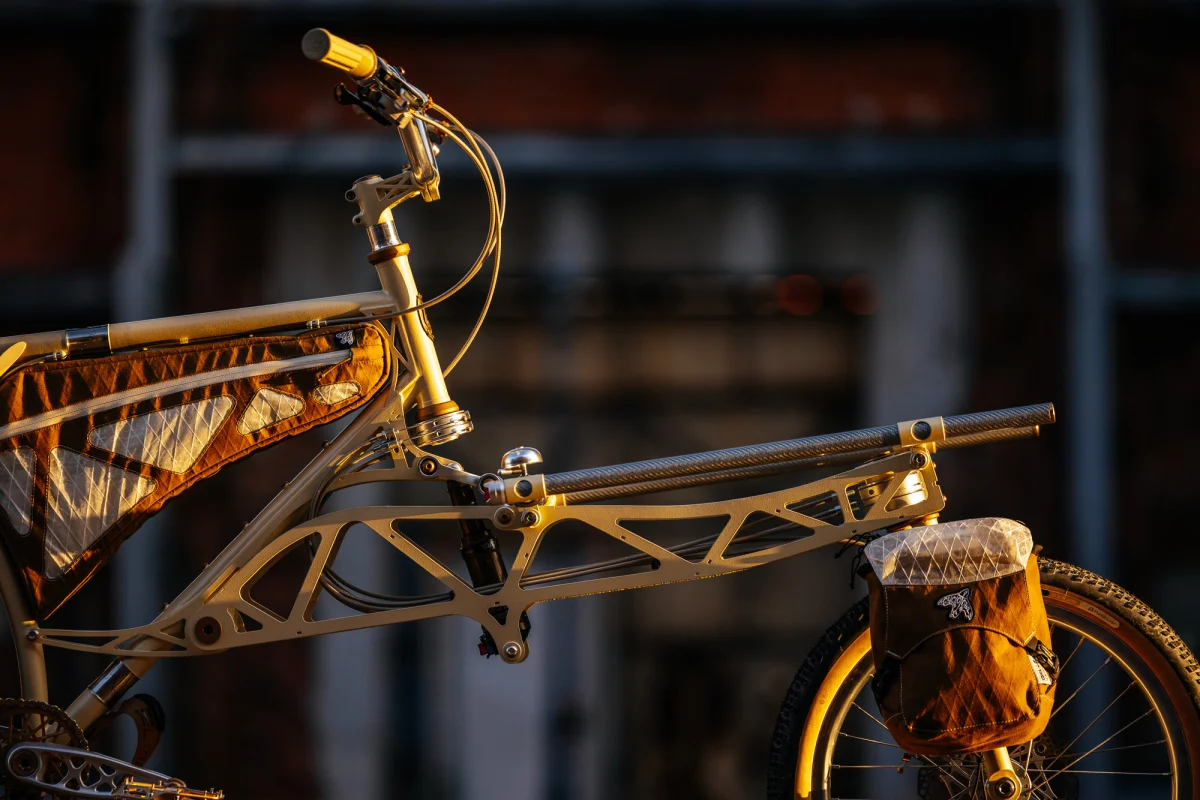
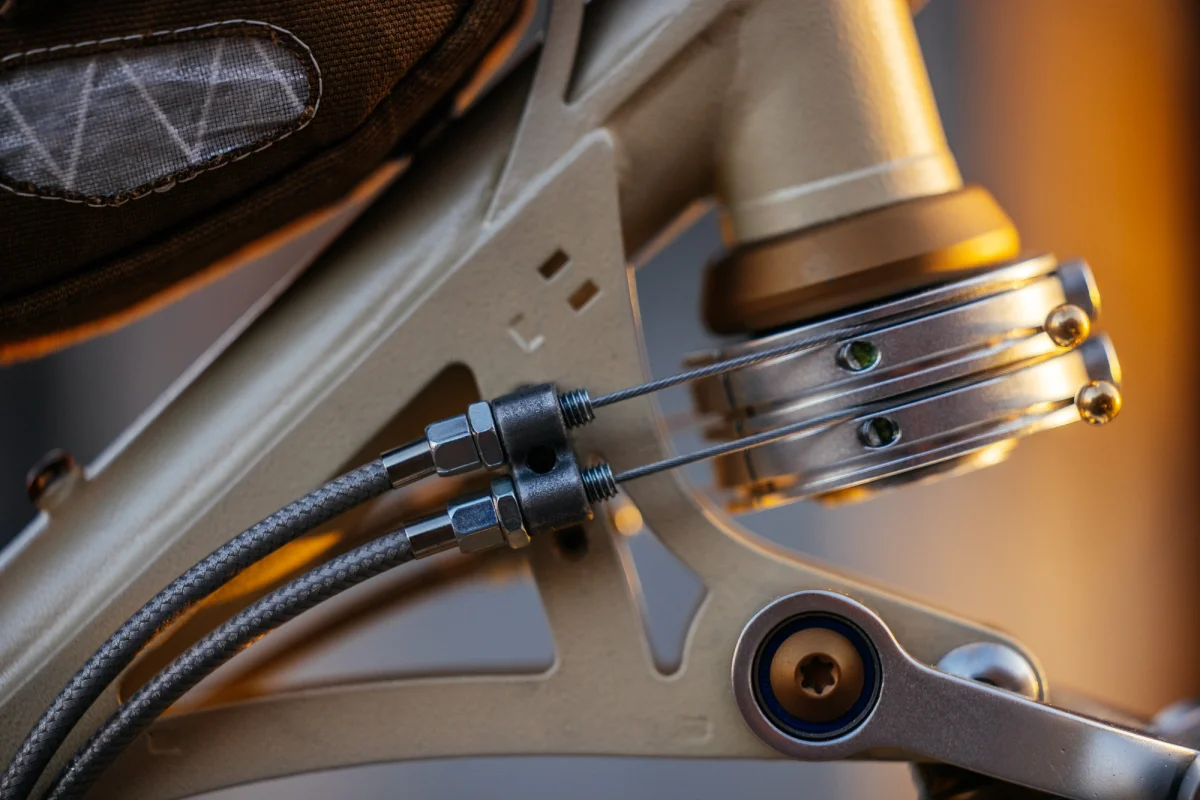
The design borrows from triple-triangle track bikes. A kinked seat tube and dropped seat stays bring the rear wheel close to the bottom bracket, a layout intended to make the bike nimble and maneuverable. Up front, a 120 mm travel shock is intended to absorb impacts while the bike carries a load. Steering runs by cable rather than a push rod, with barrel adjusters allowing adjustment.
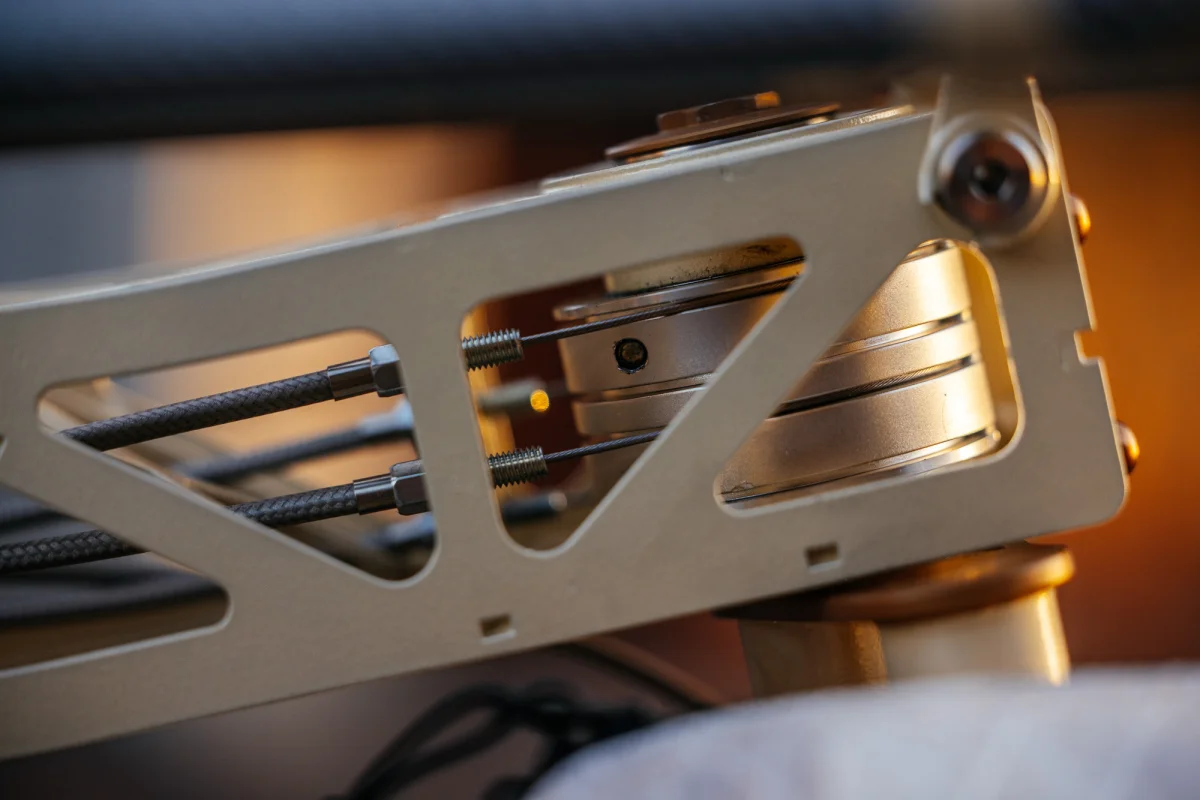
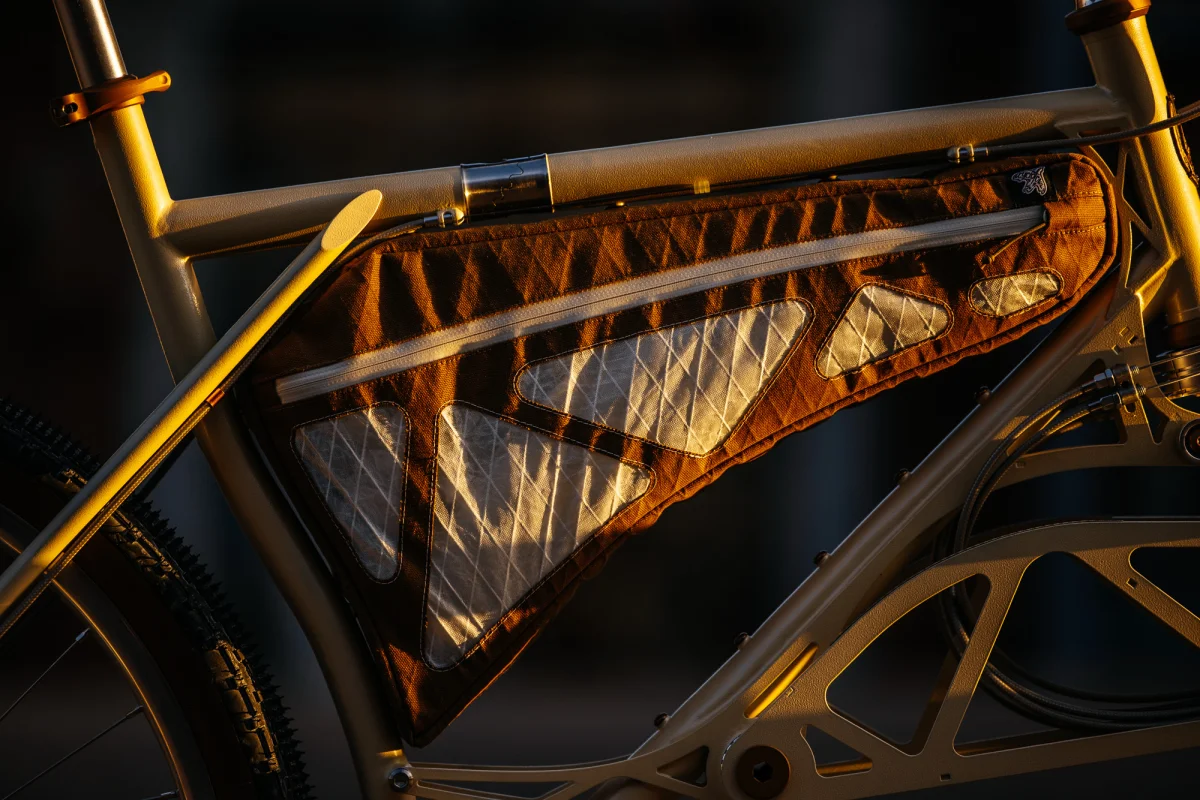
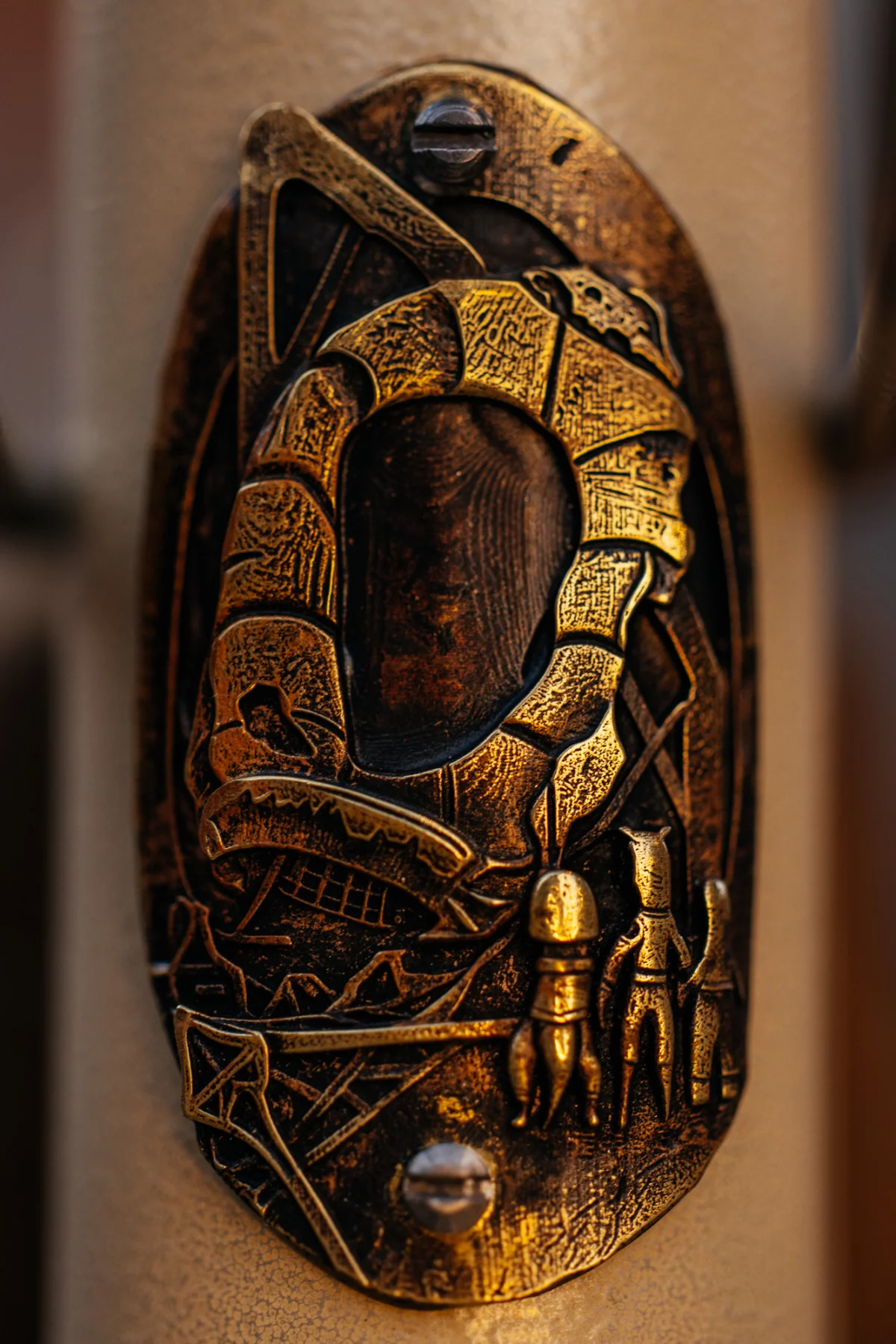
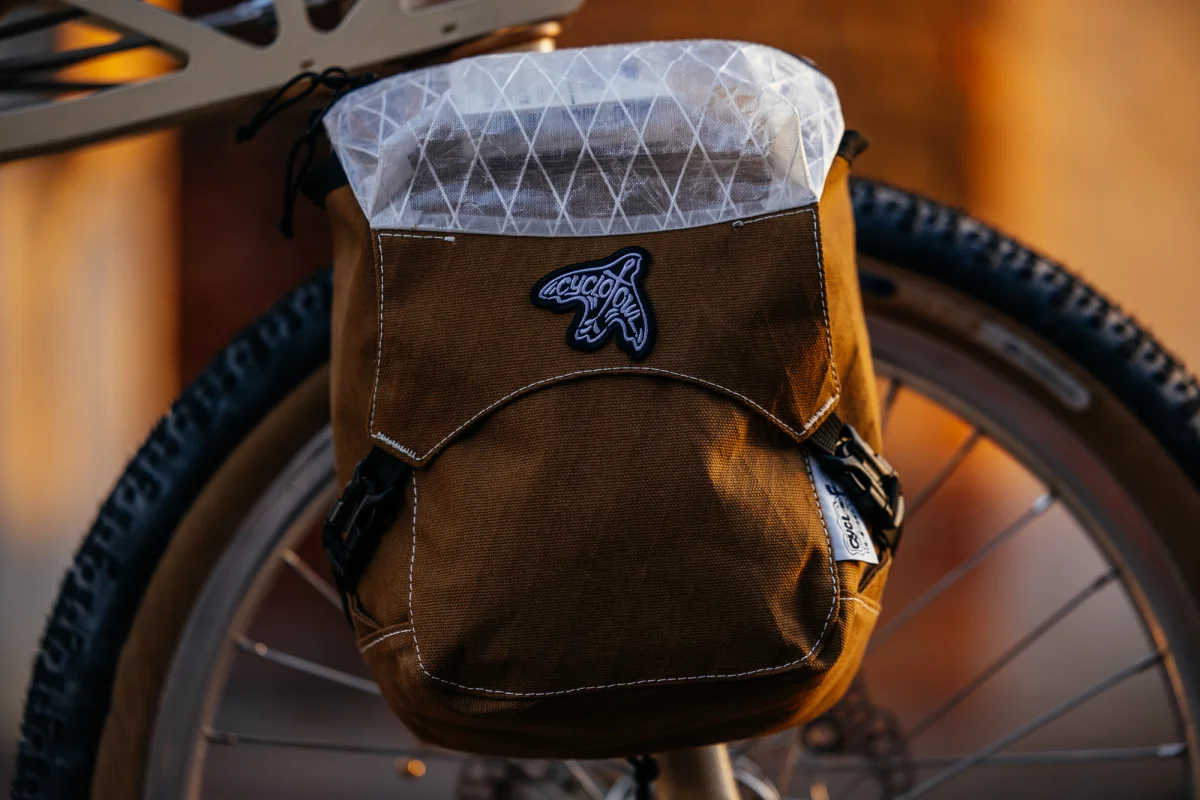
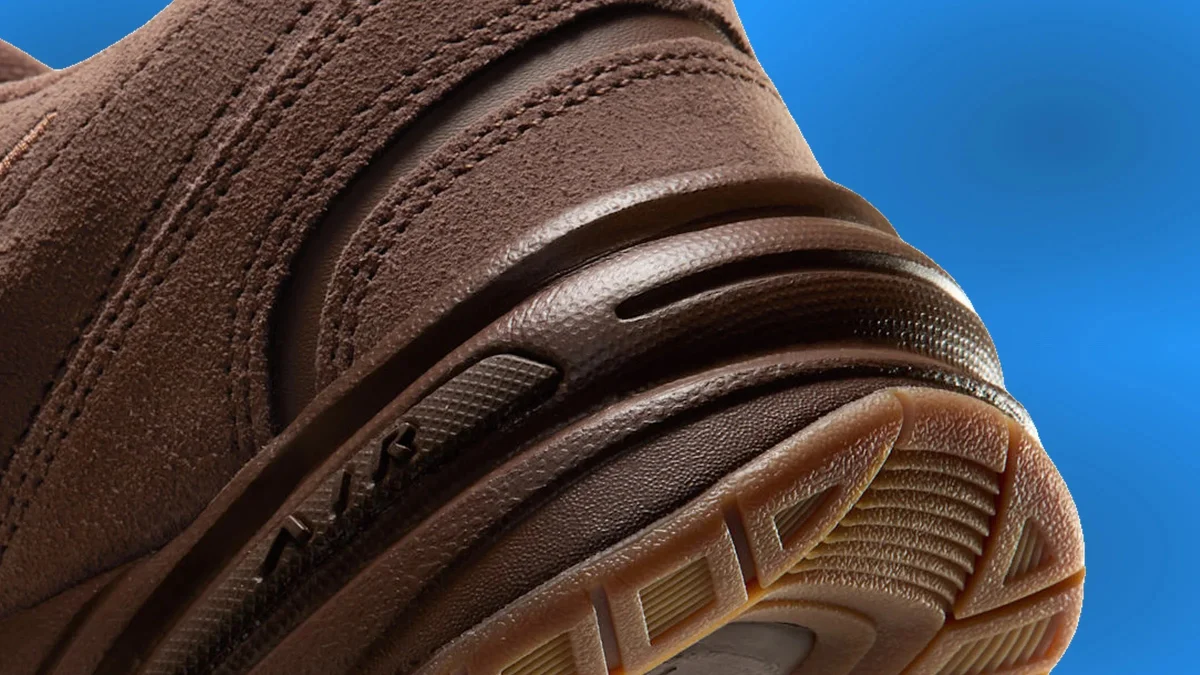
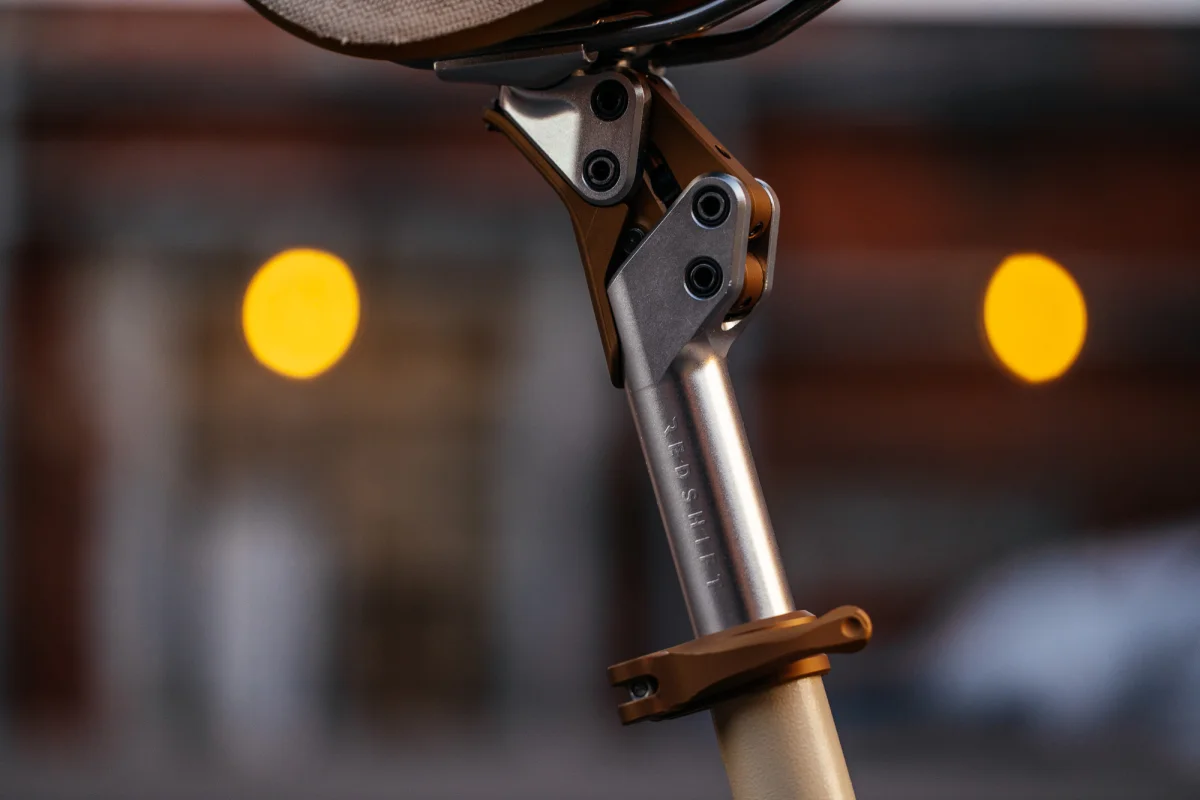
The finish gives the one-off build another layer of personality. The frame is powder-coated, while its brown parts are Cerakote; bag maker Cyclofowl selected the colors and designed a comic about D3 Lab’s origin story, featuring a crashed alien ship. That story also appears on the head tube badge. Components including a Redshift ShockStop post were stripped and Cerakoted to match D3 Lab’s stem and riser bar. Truss triangles recur across the frame and bags.
Project D Lustra: a track bike drawn as one line
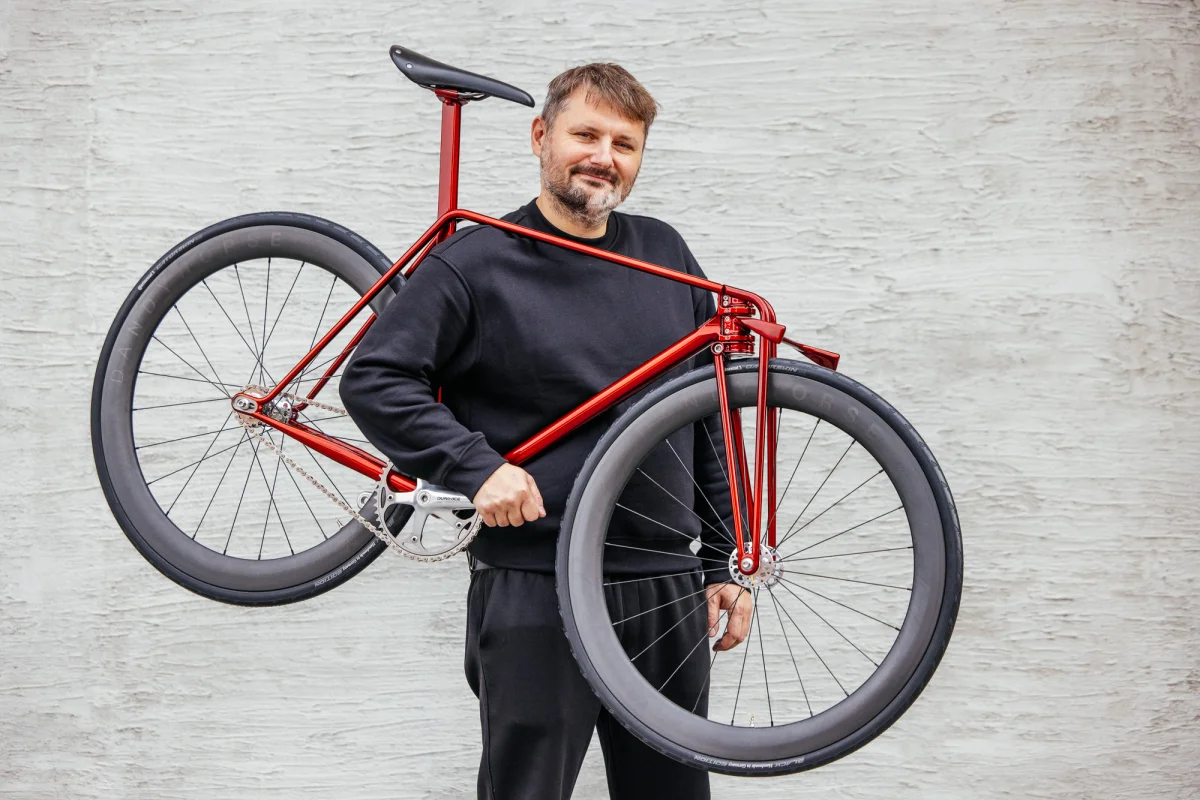
Łódź-based engineer Dominik Dominiak built the Lustra low pro track bike around a continuous visual path. The idea began with a red Cherubim by Shinichi Konno that Dominiak saw at a NAHBS event. For the Osaka show, he sketched a design that carries a line from fork to top tube, then through the seat stays and chainstays before splitting toward the seat and down tubes. “Lustra” means a summary of one’s skill set in Latin and “mirrored” in Polish.
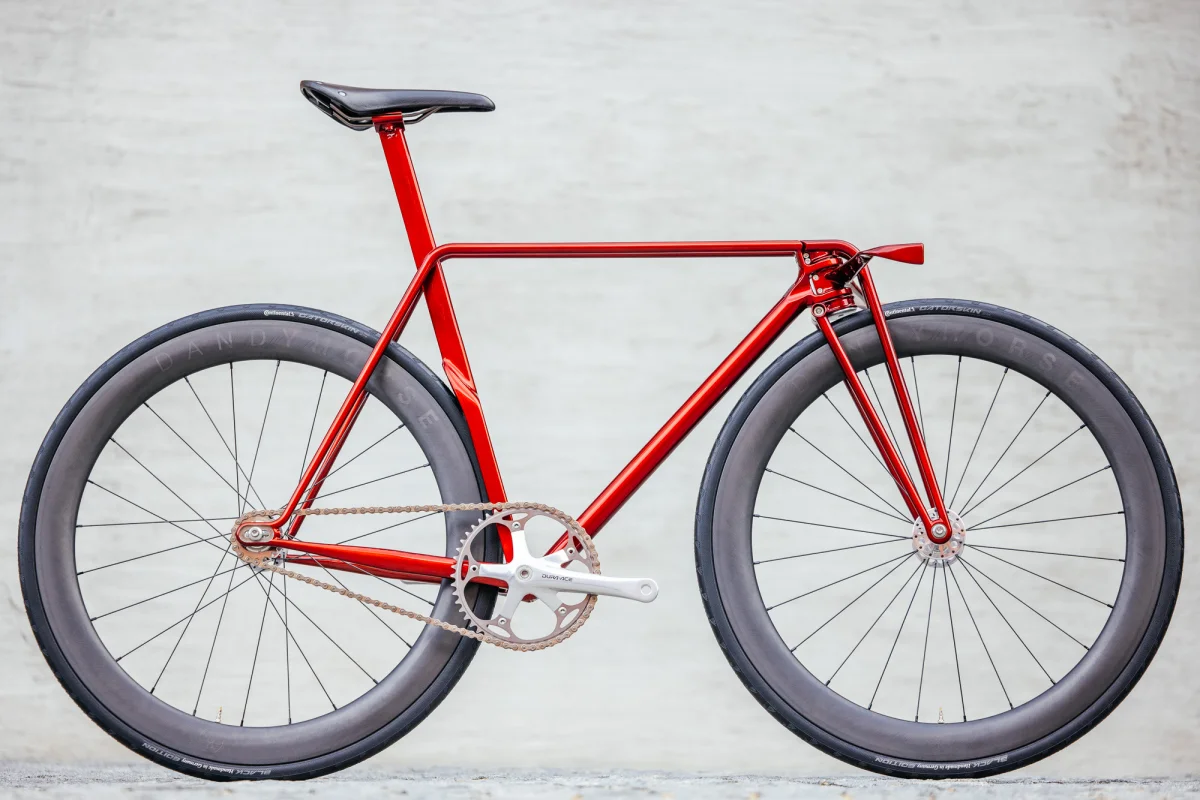
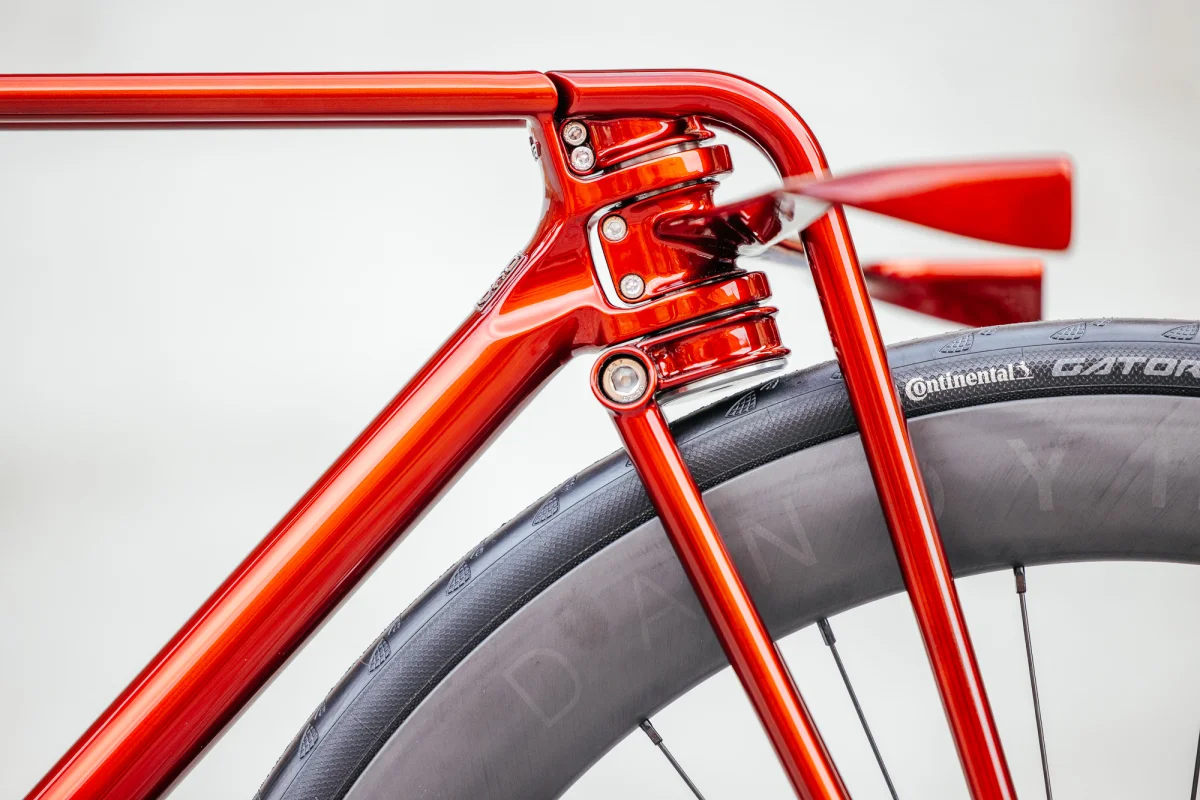
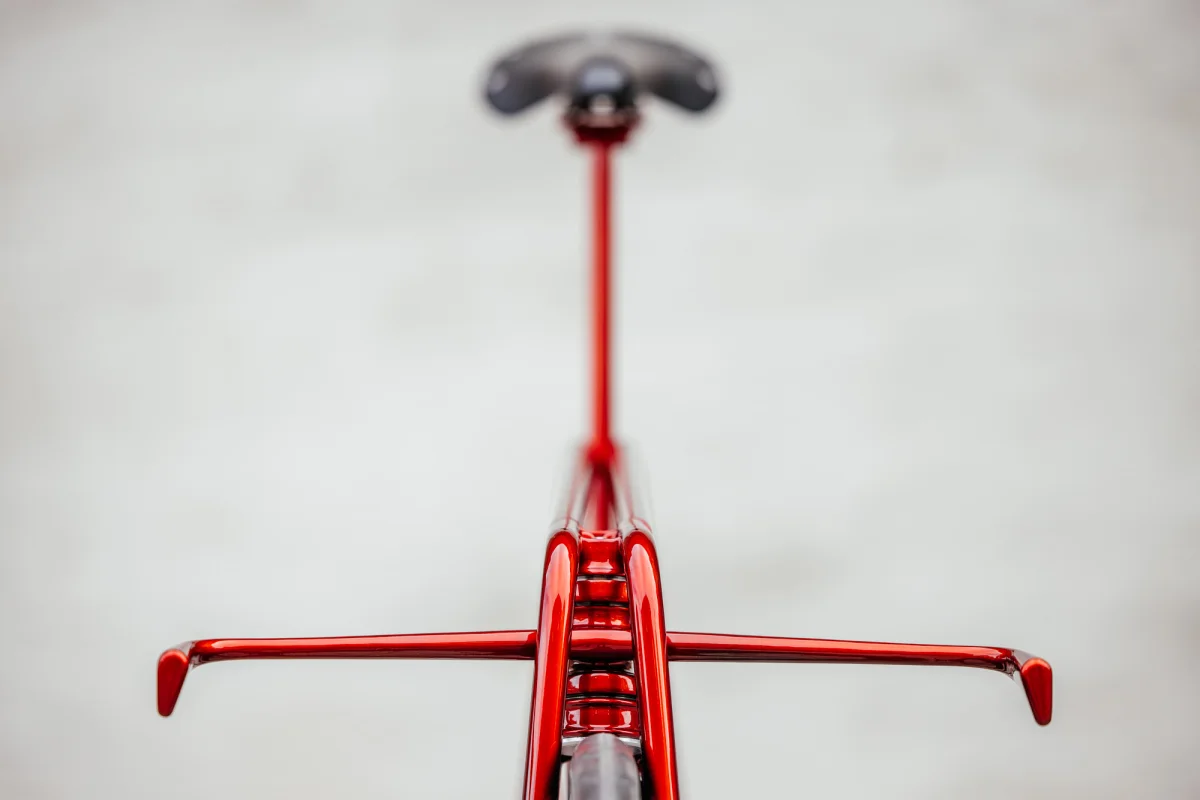
The low top tube gives the bike a dramatic profile, but the fit reflects Dominiak’s road position: the bullhorns put his hands where the drops sit on his road bike. He designed the setup to preserve that hand position while lowering the top tube. He didn’t have pedals at the show, so the bike couldn’t be ridden there.
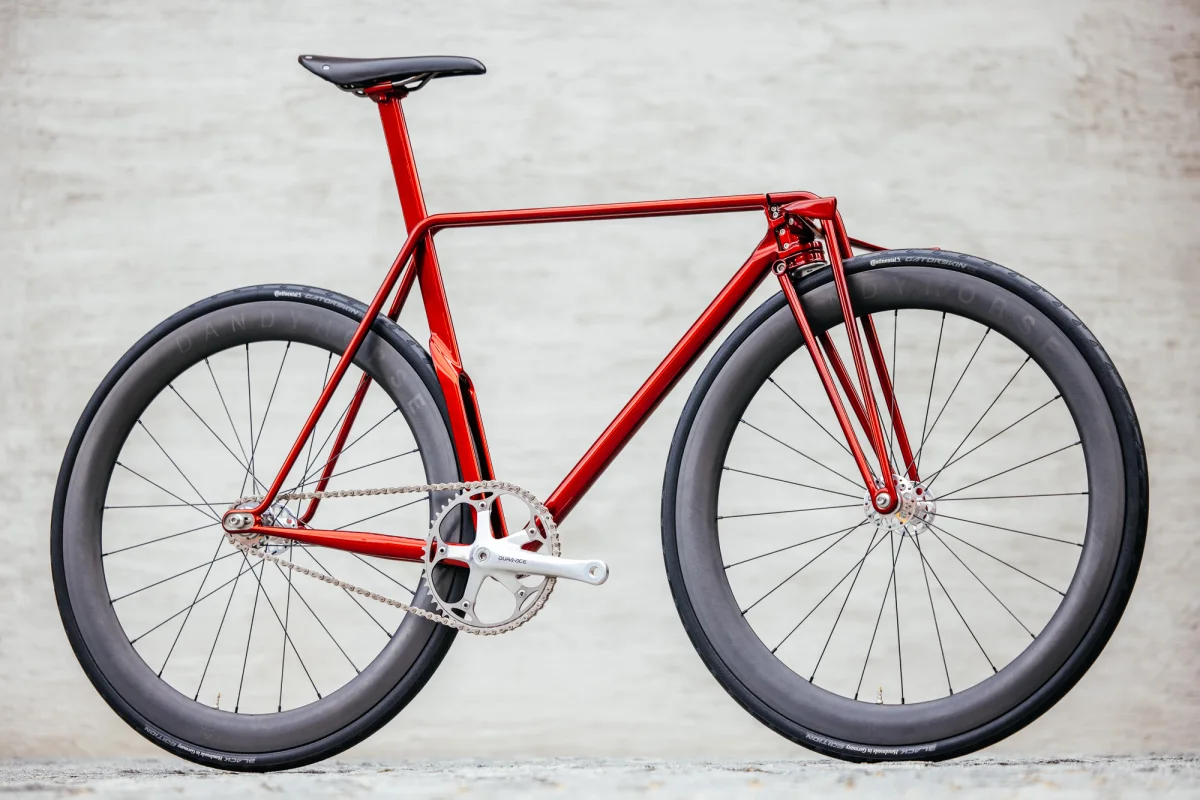
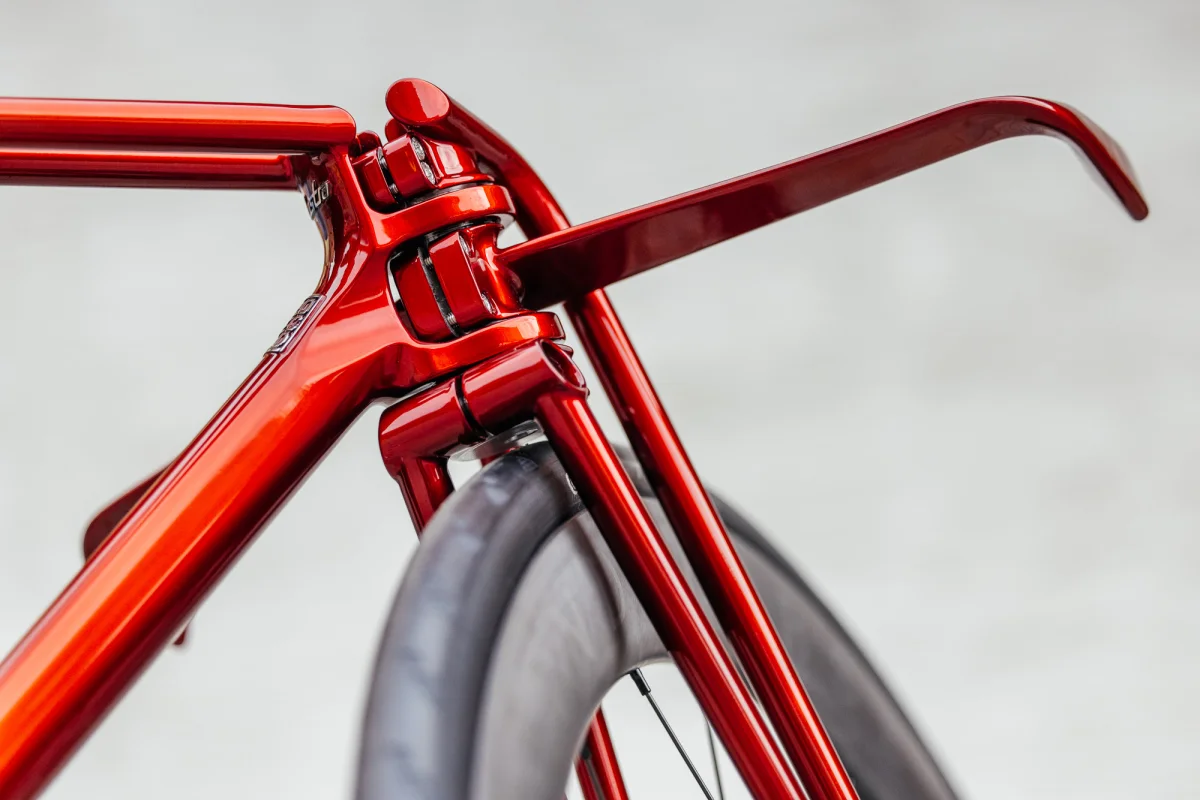
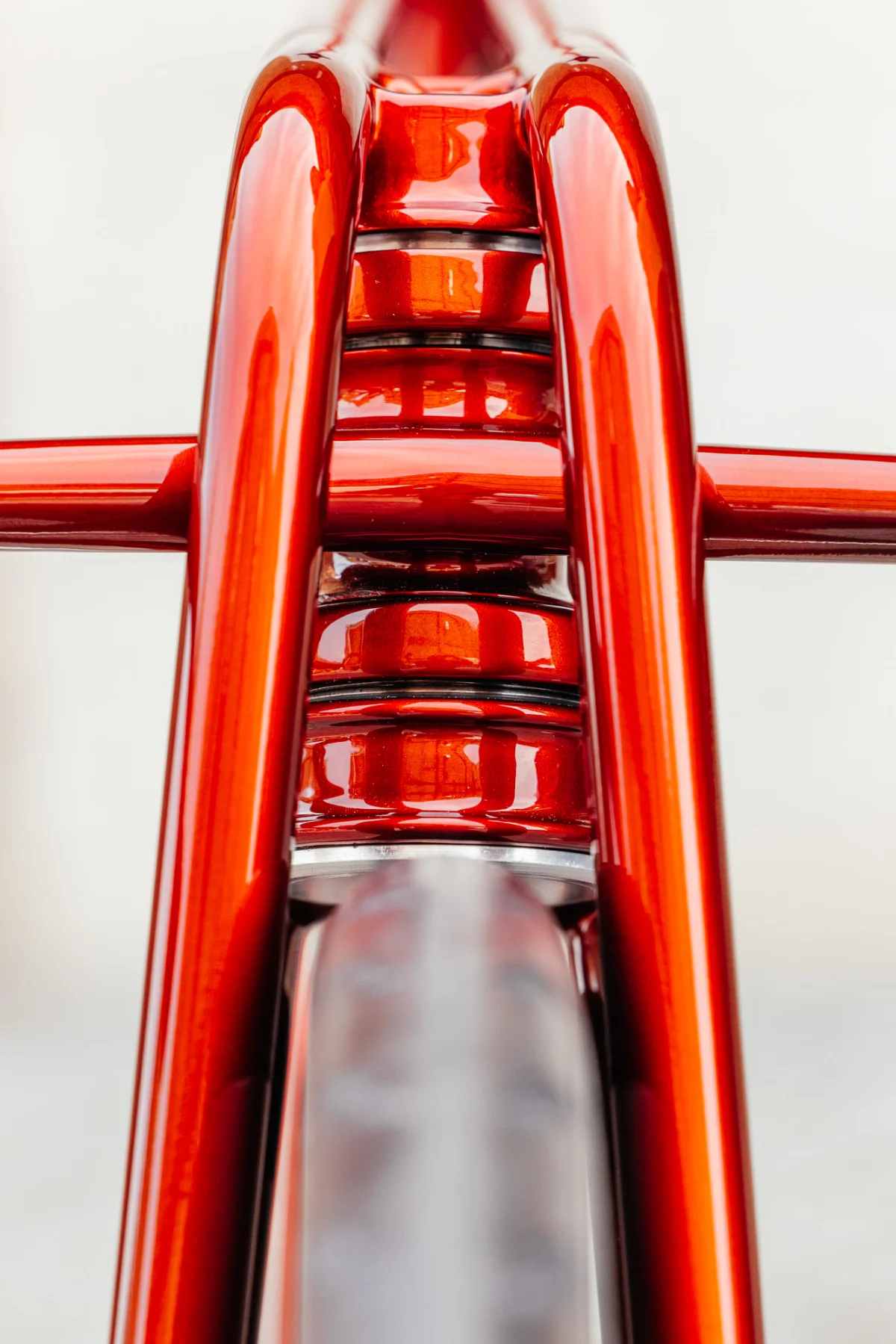
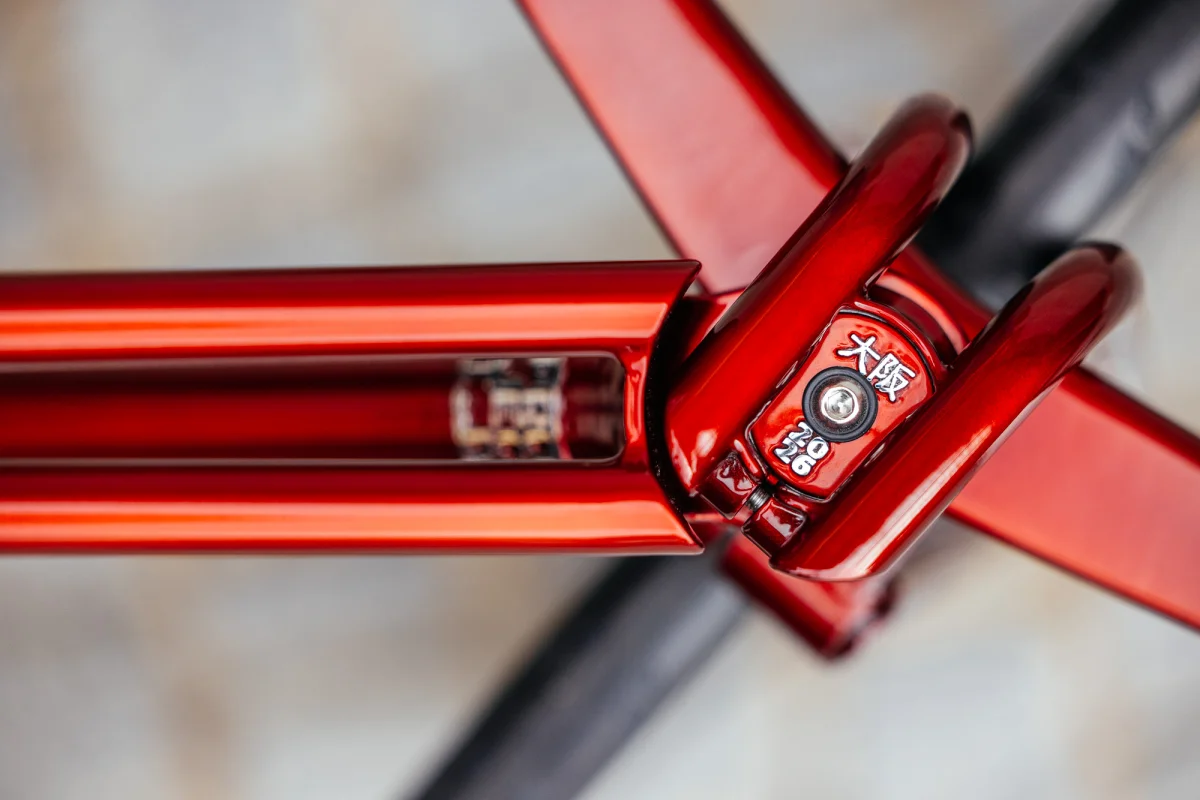
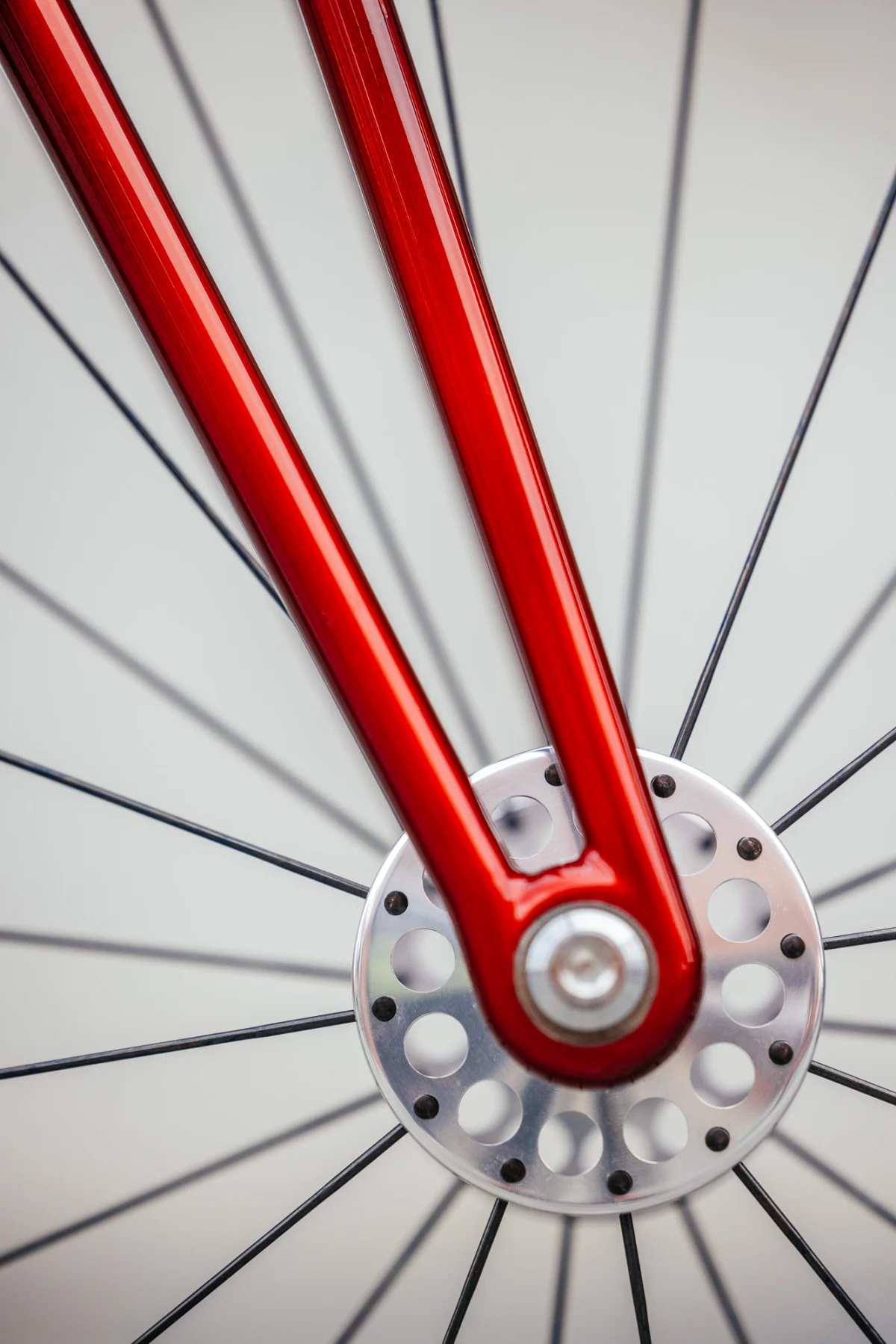
The steering assembly rotates around a radius while preserving the frame’s uninterrupted appearance. Seams are concealed at the rear of the head tube, leaving its front free of visible bolts. Seven layers of paint give the frame its red finish. A teardrop seat tube and reflective surfaces sharpen the rear profile, while the track and fork ends carry the same attention to detail.
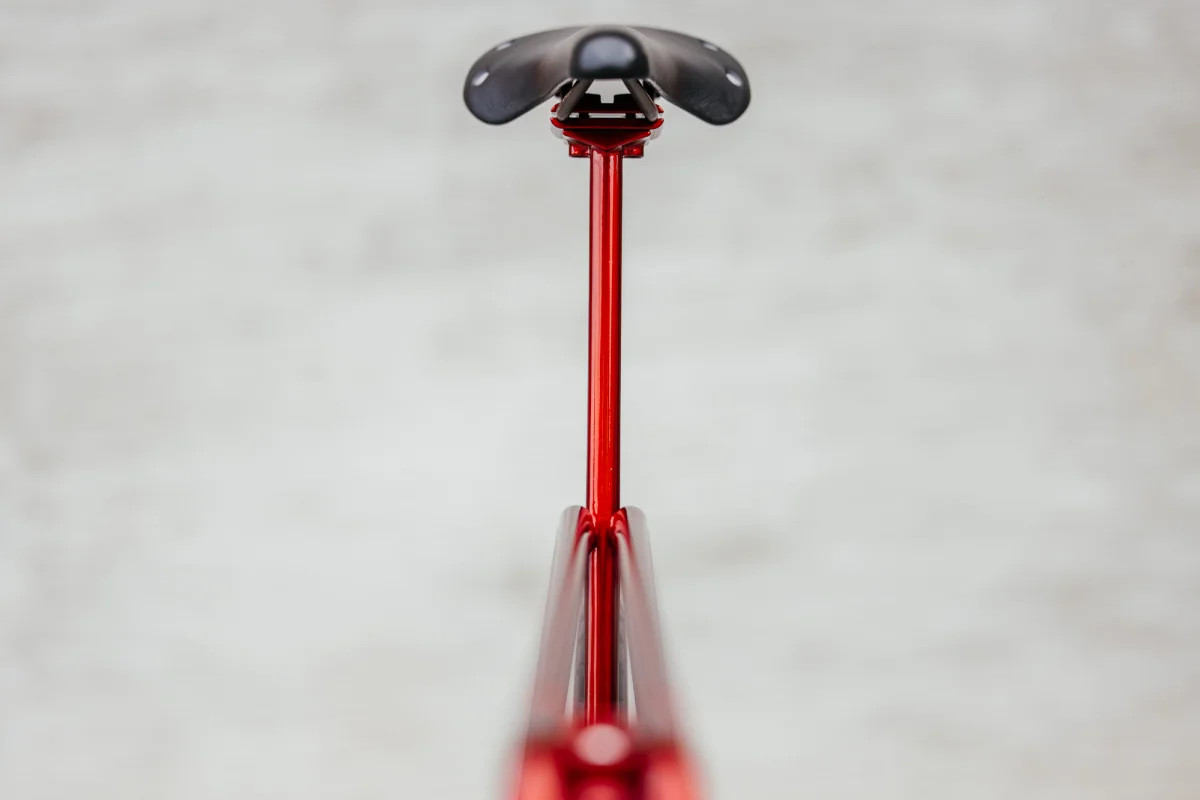
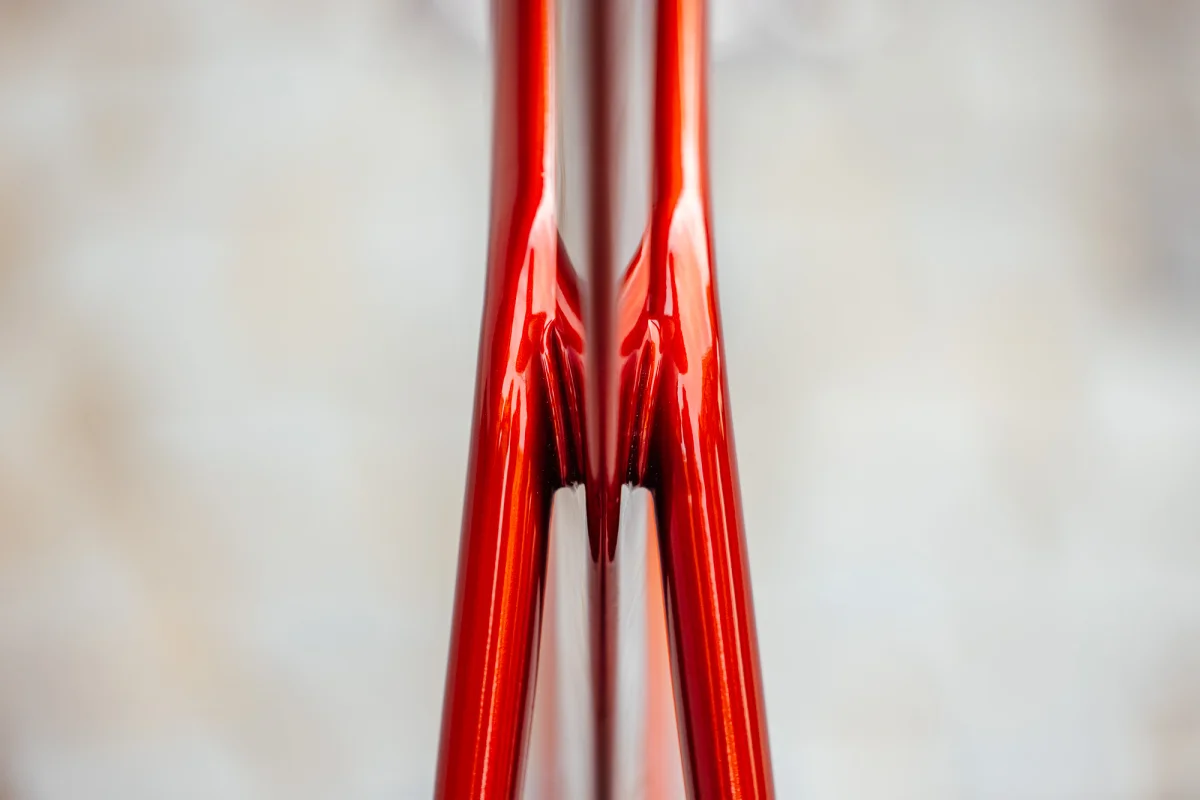
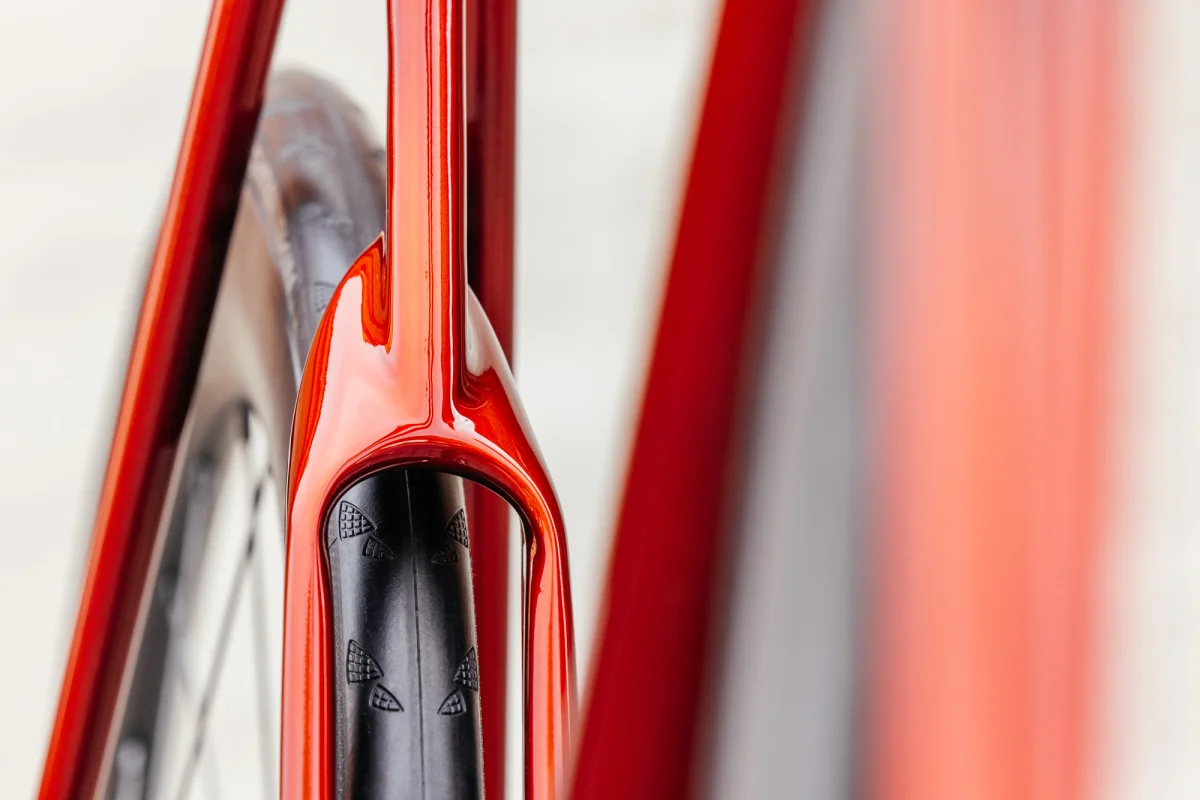
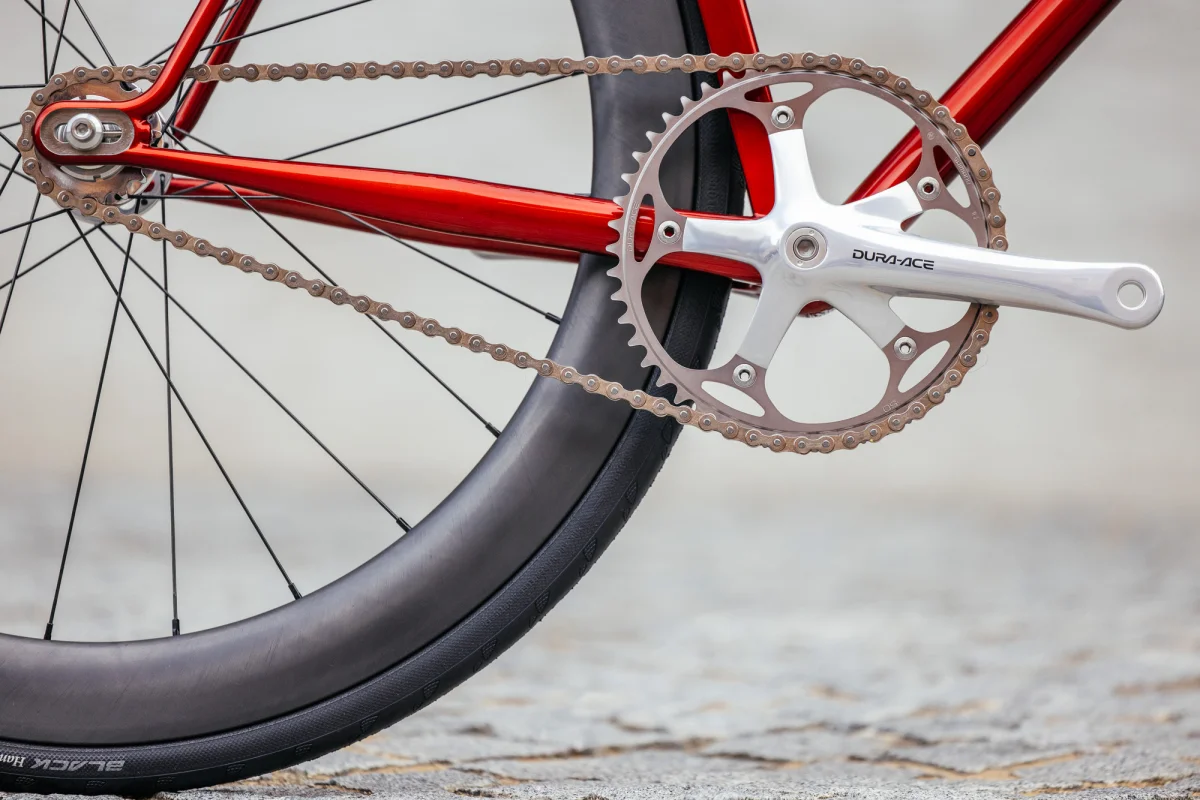
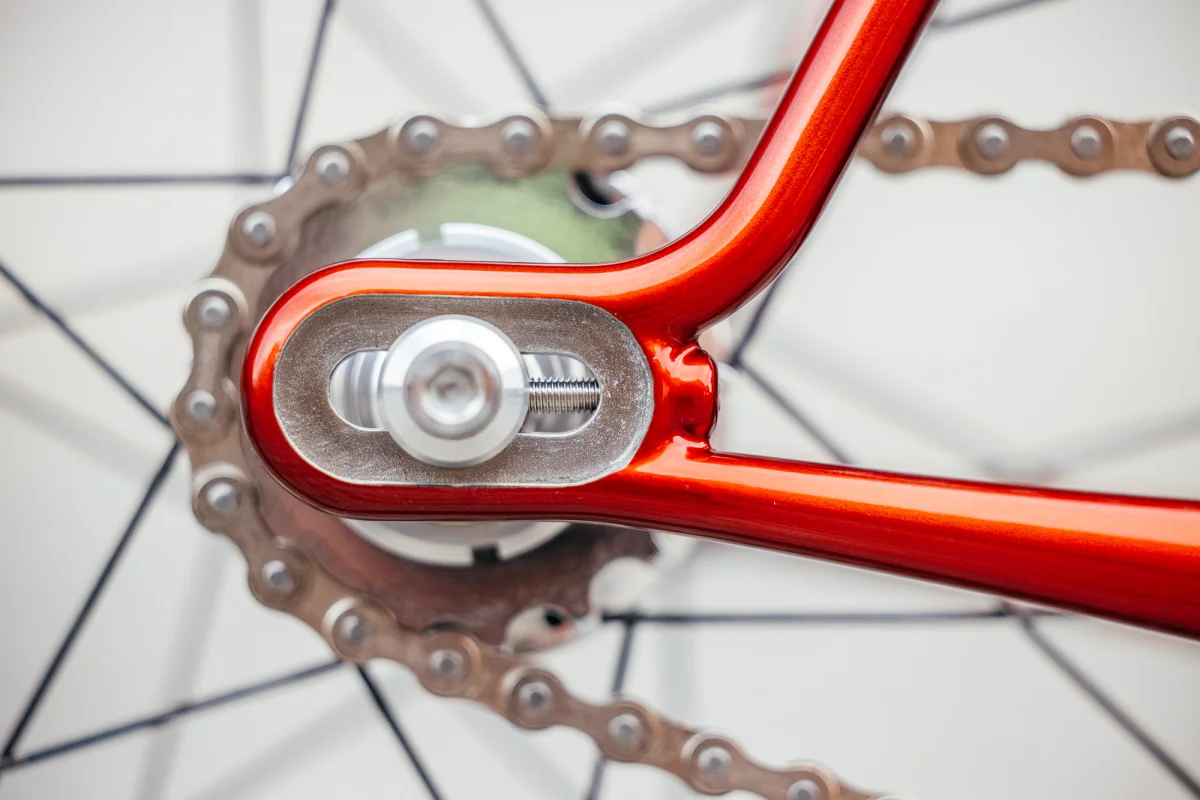
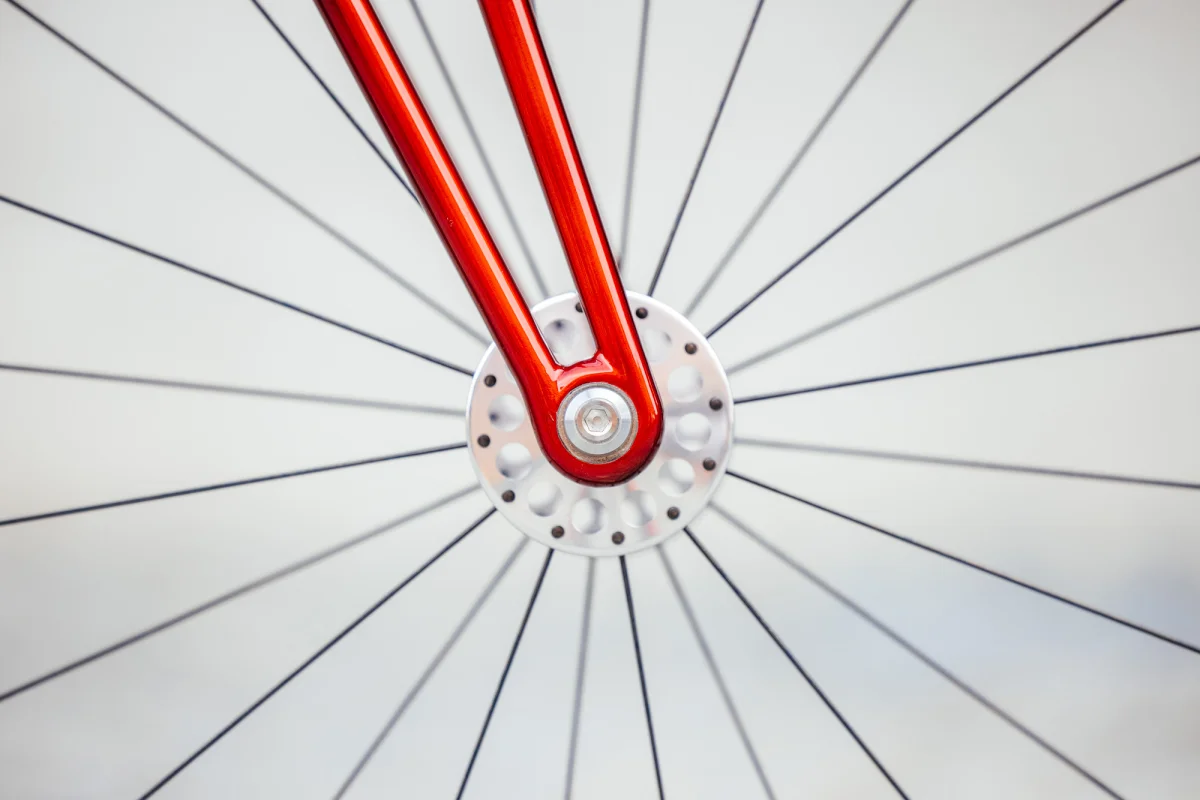
The Lustra is a working bicycle as well as a study in form, and it is for sale; contact Dominiak for inquiries. Project D · @ProjectDBicycles
Prova Evoluto: titanium with custom fit and finish
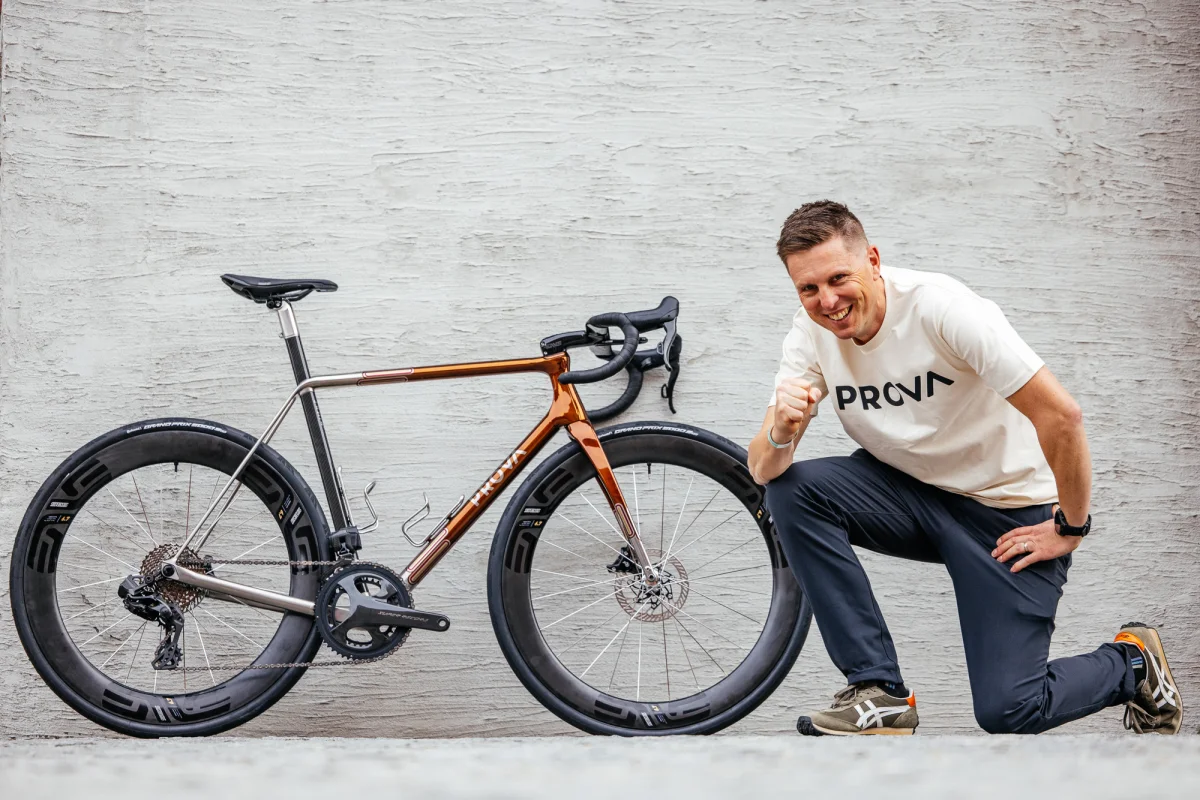
Melbourne’s Prova Cycles is led by siblings Mark and Kelly Hester. Their process also involves wheelbuilder Dan Knives of Superbe Velo Service, who builds each customer’s wheels, and painters at Velo Craft. The Evoluto, shown in Osaka, is the latest step in Prova’s road design, drawing on lessons from its Integrale and Speciale platforms.
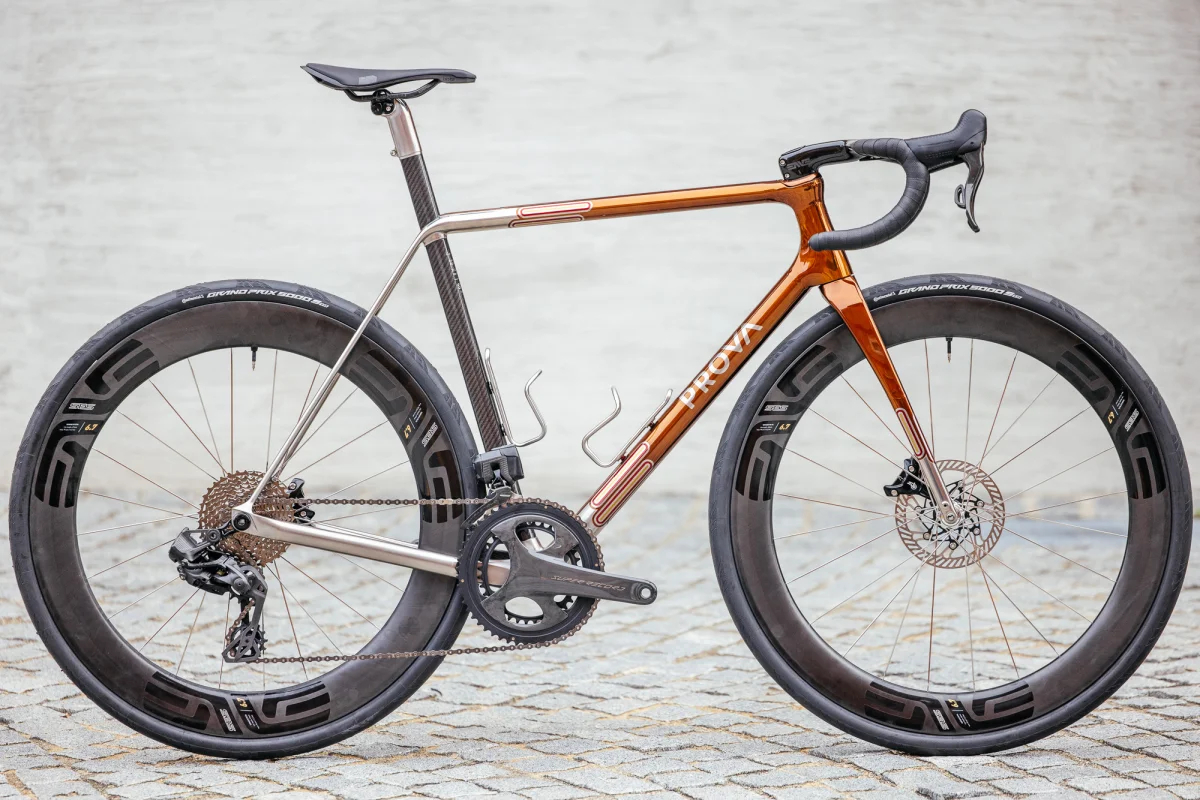
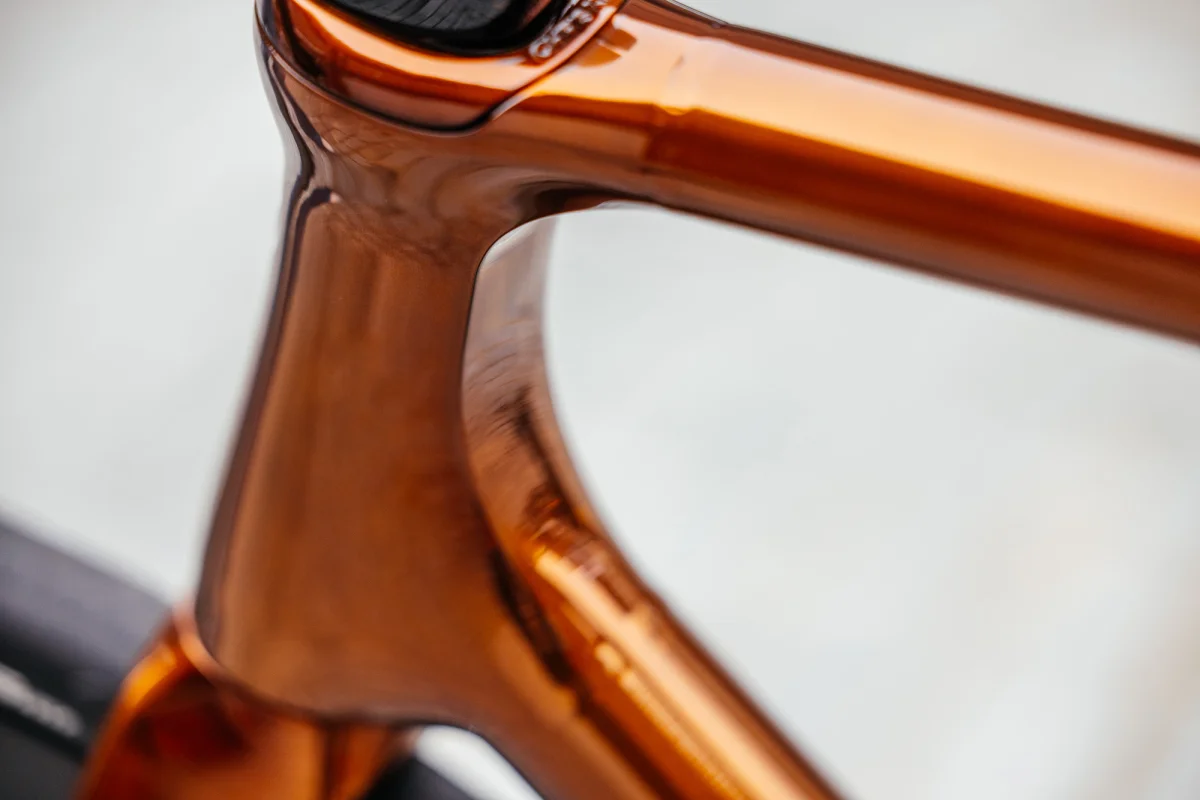
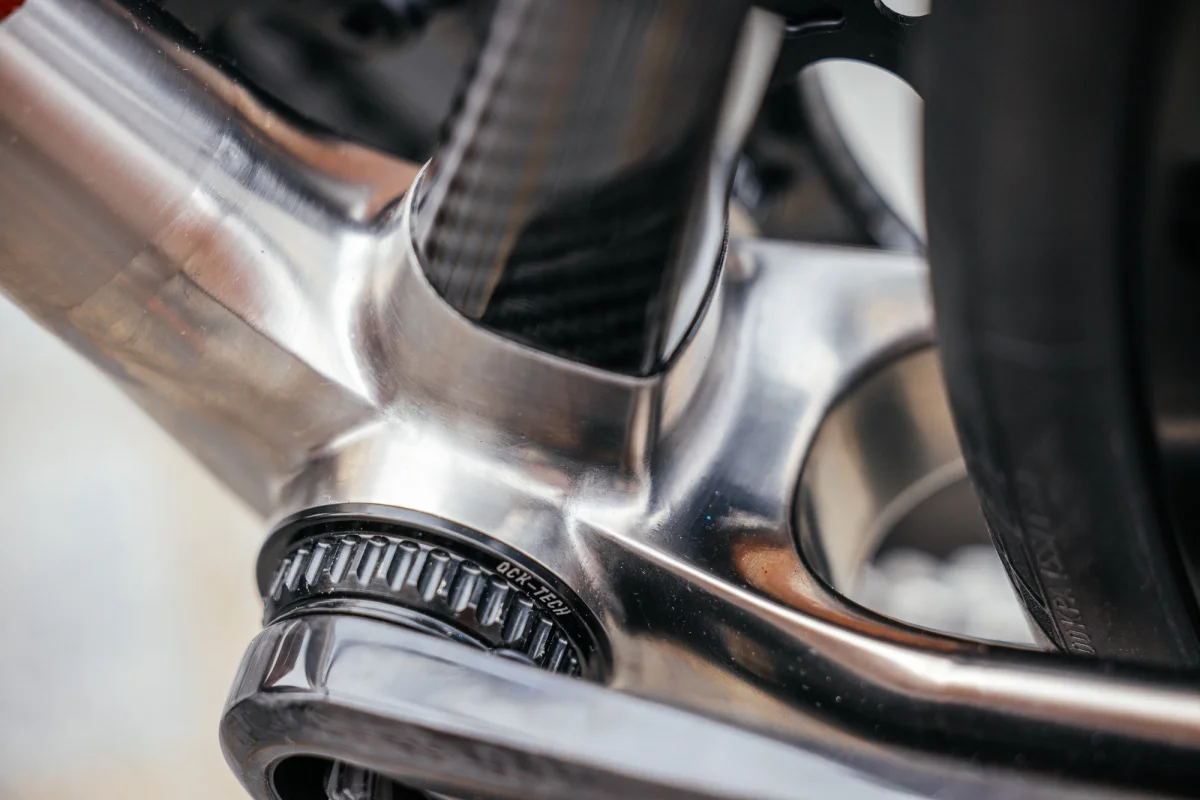
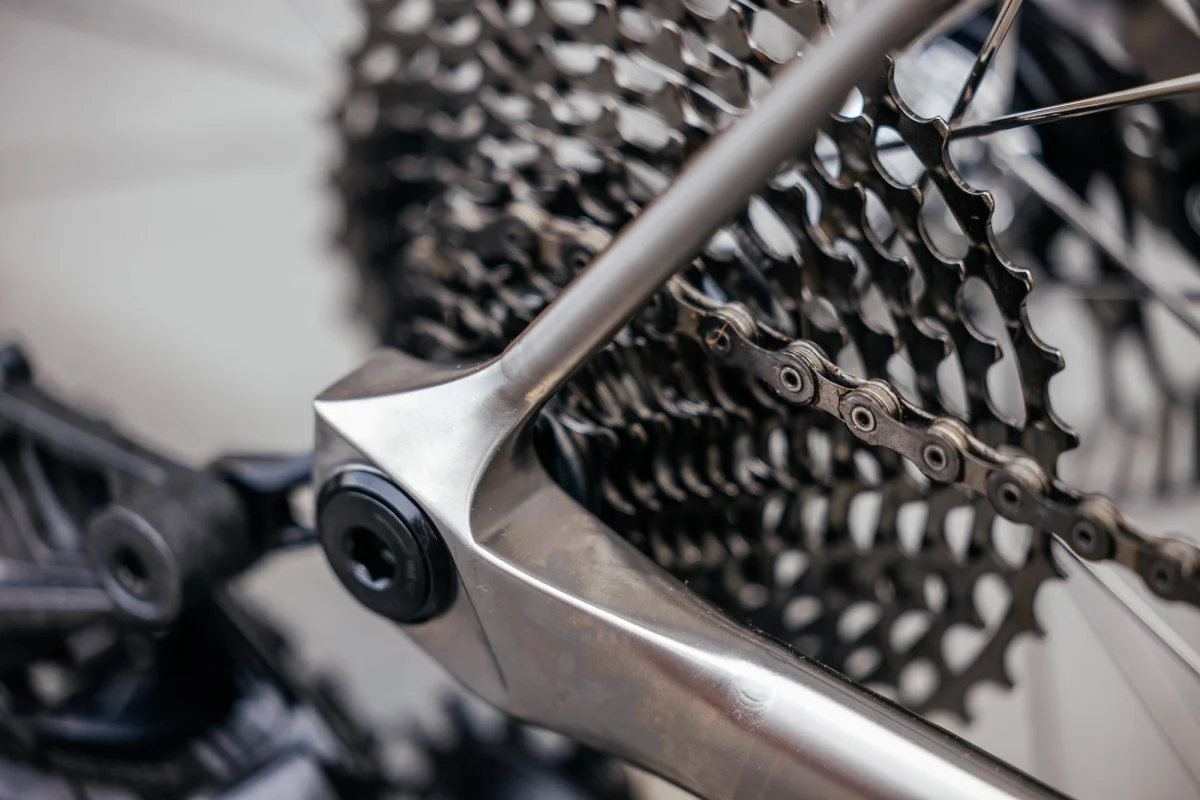
Mark designs the models in CAD, using spline lines to carry a visual edge from the head tube to the dropouts. The Evoluto adds distinctive head tube and bottom bracket designs. Because each Prova is custom, the frame can be specified for 35 mm or 40 mm tires and paired with either an Enve integrated carbon fork or a Prova titanium fork.
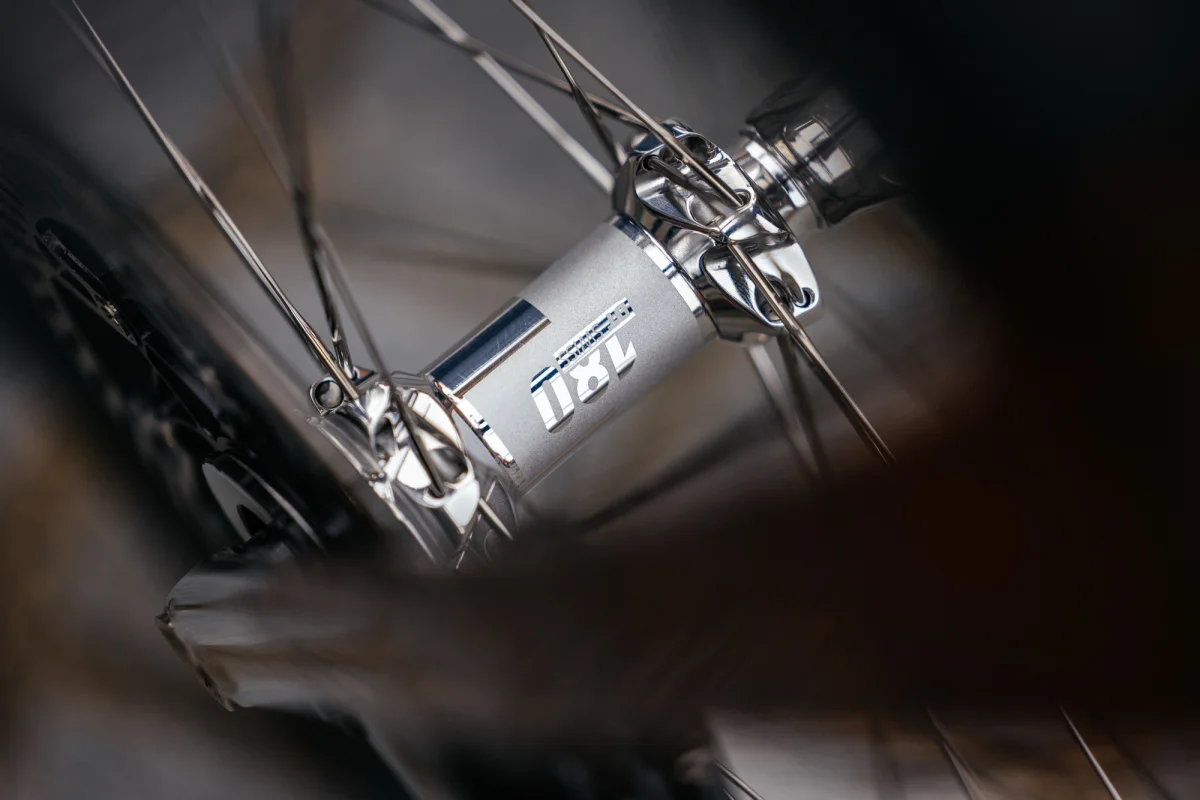
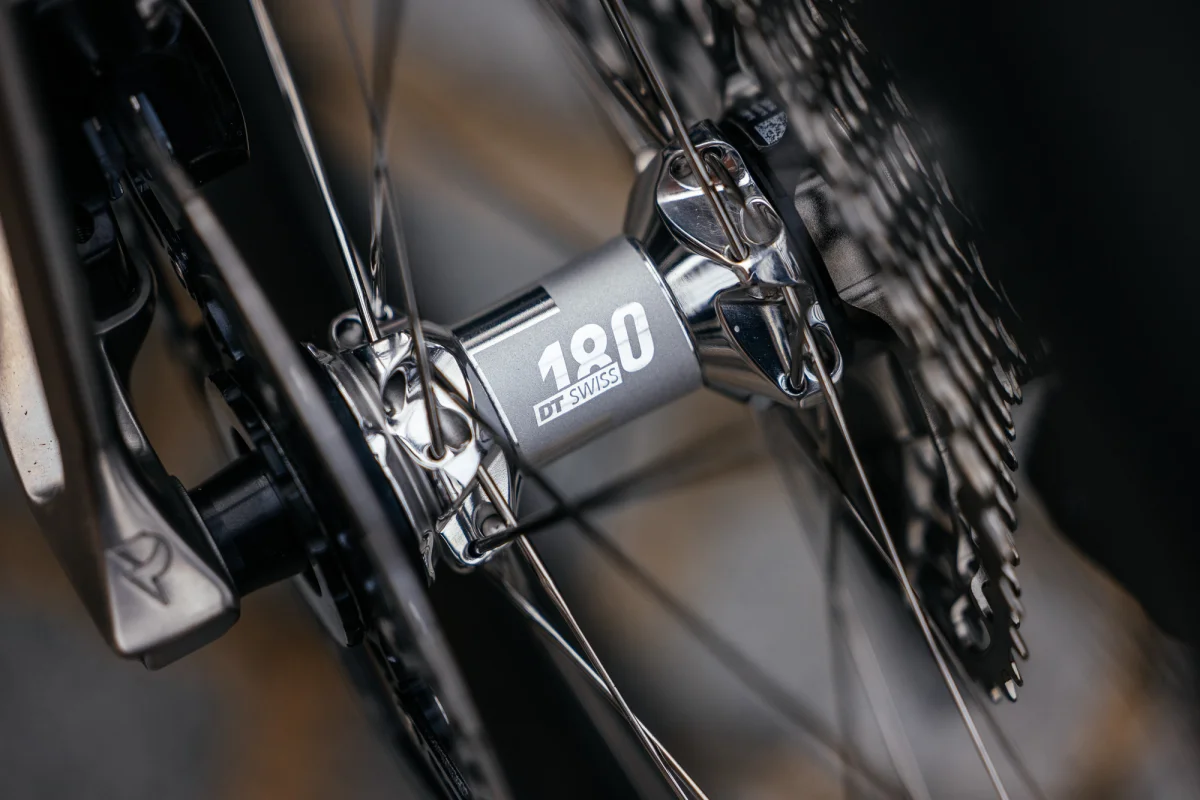
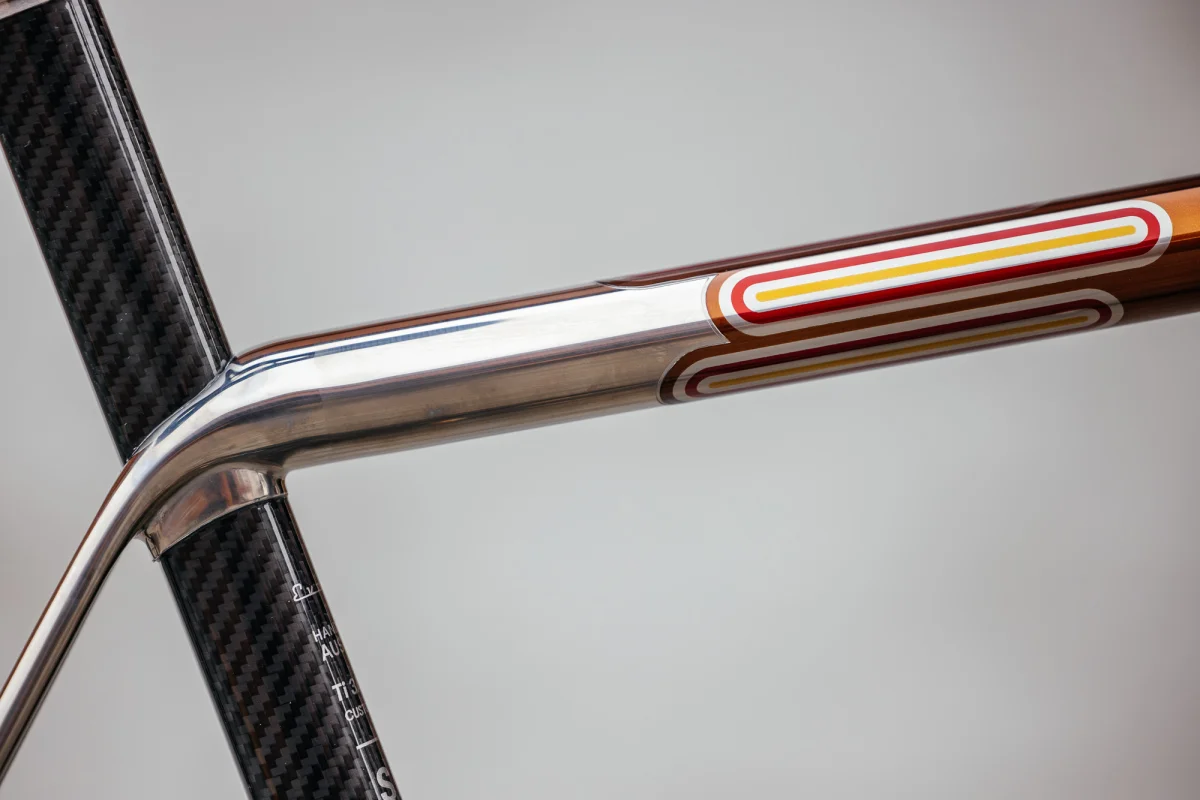
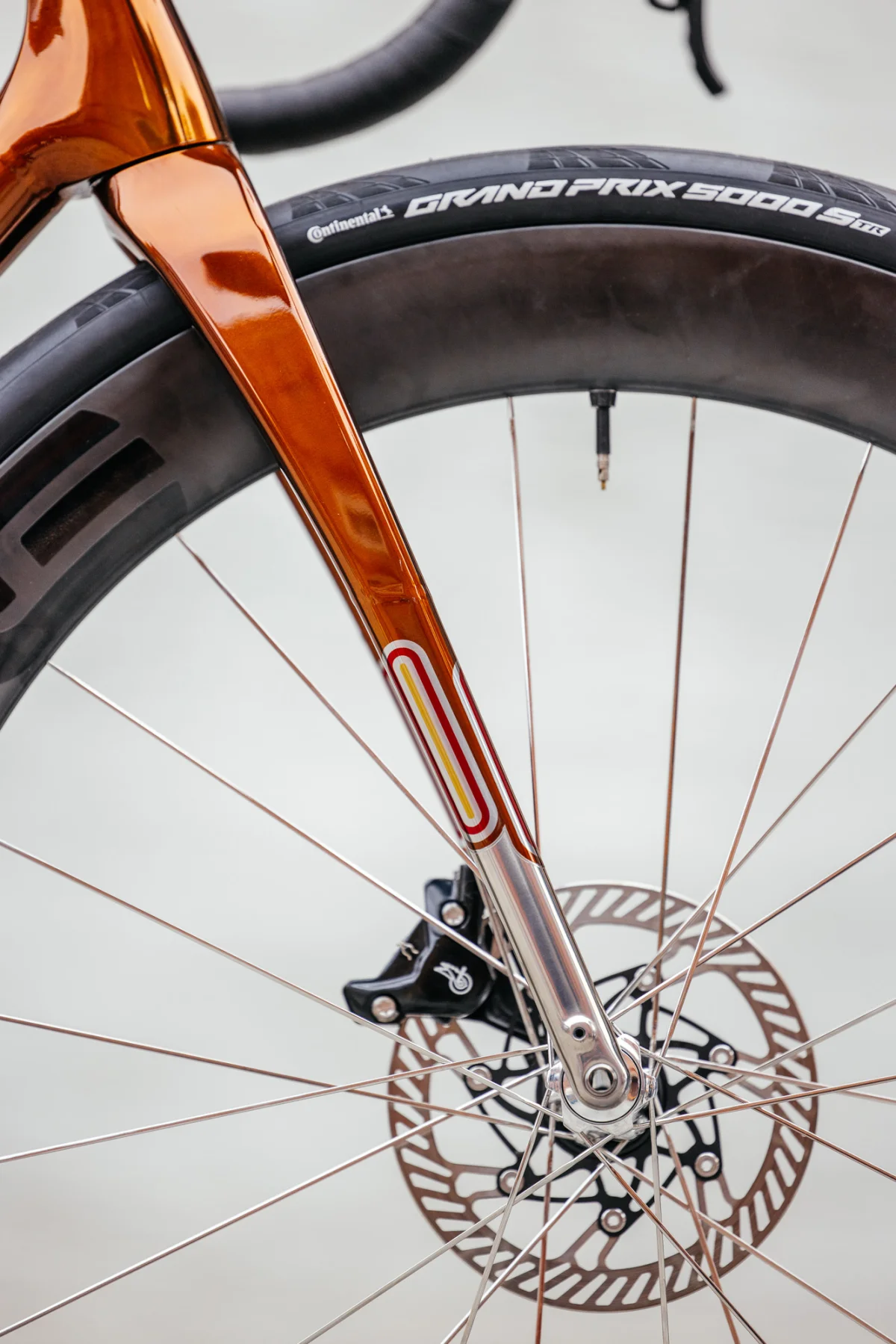
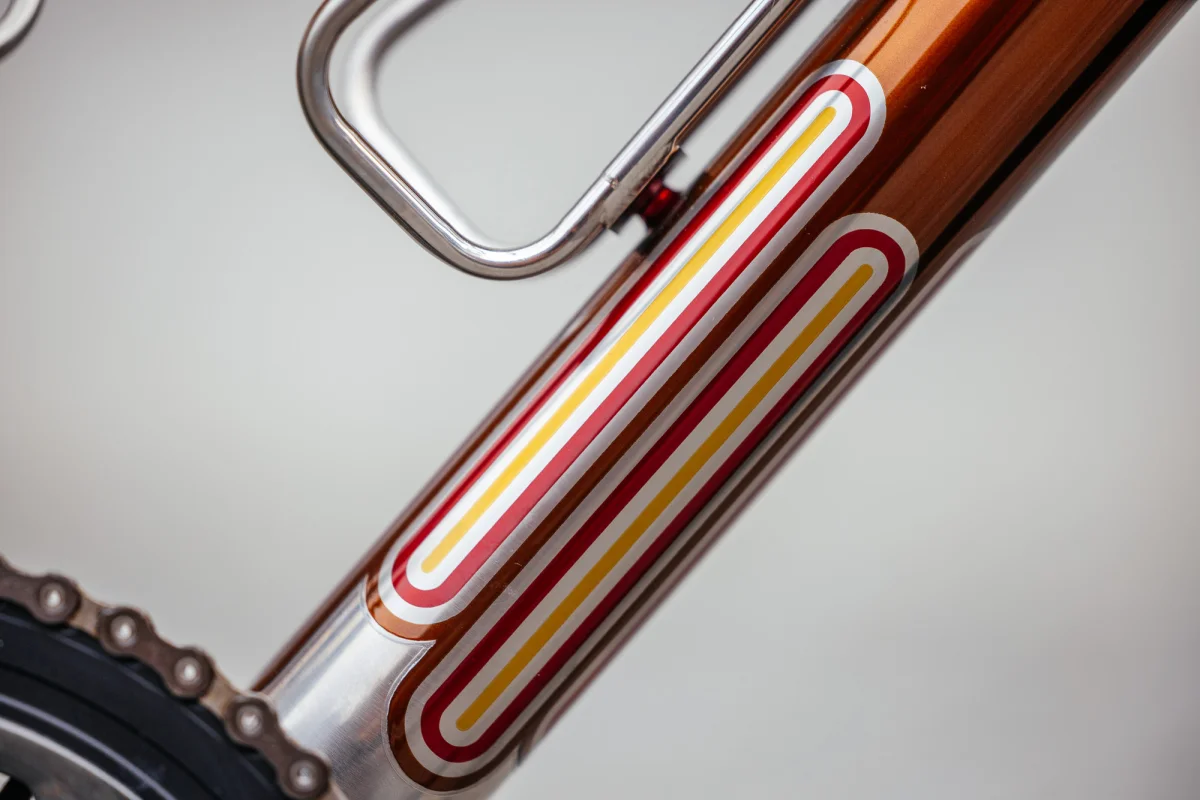
Knives polished the DT 180 hubs, and Mark etched the logos back onto their surfaces. The paint is a first foray into graphics for a builder better known for simple colors and ombré fades: circular box lining draws on Japanese fans. Velo Craft’s masking and linework keep the pattern crisp, with 2 mm of clearcoat edging intended to protect its sharp outline.
Prova Evoluto · Prova Cycles background · Superbe Velo Service · Velo Craft · @ProvaCycles
Sour and Tailfin: cloud-inspired all-road setup
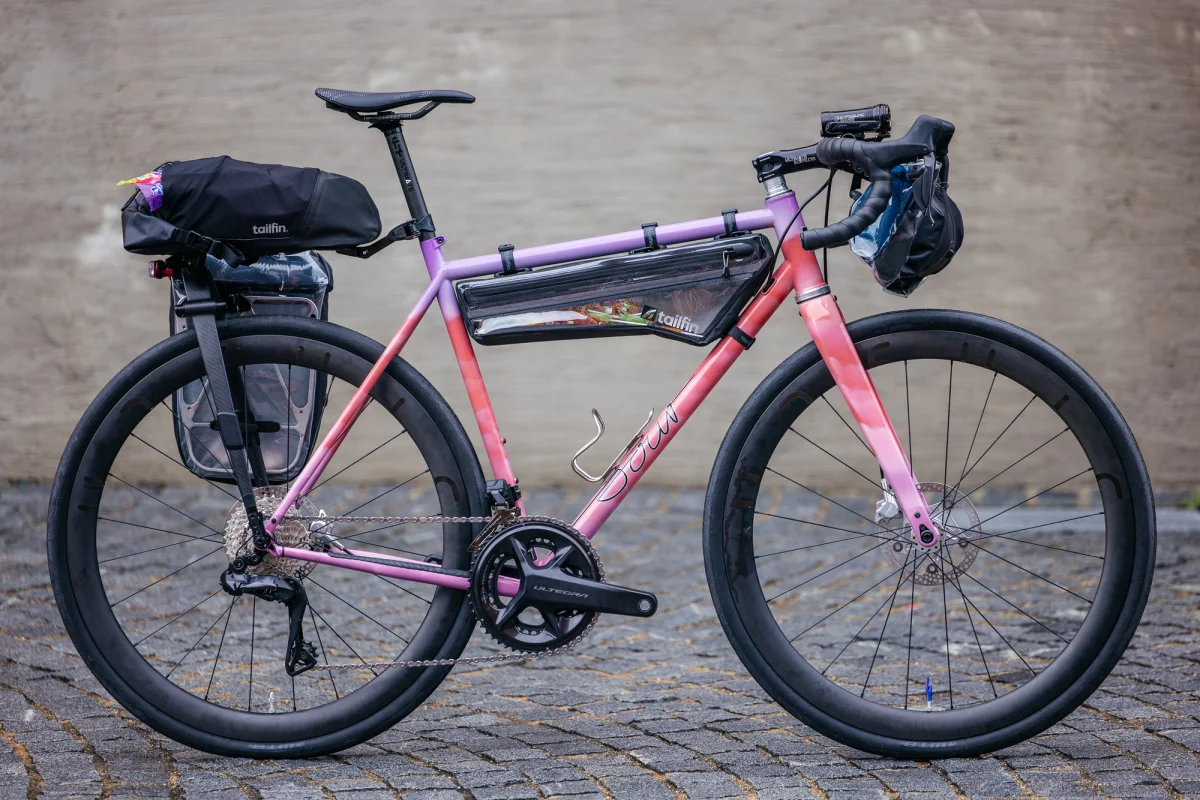
Tailfin marketing director James Bracey worked with Dresden’s Sour Bicycles on a one-off finish for the Space Cake all-road bike. Cumulonimbus clouds and sunset light informed the paint, which fades from lavender to pink. Custom Tailfin R&D bags complete the build and expose the aluminum structures used in each model.
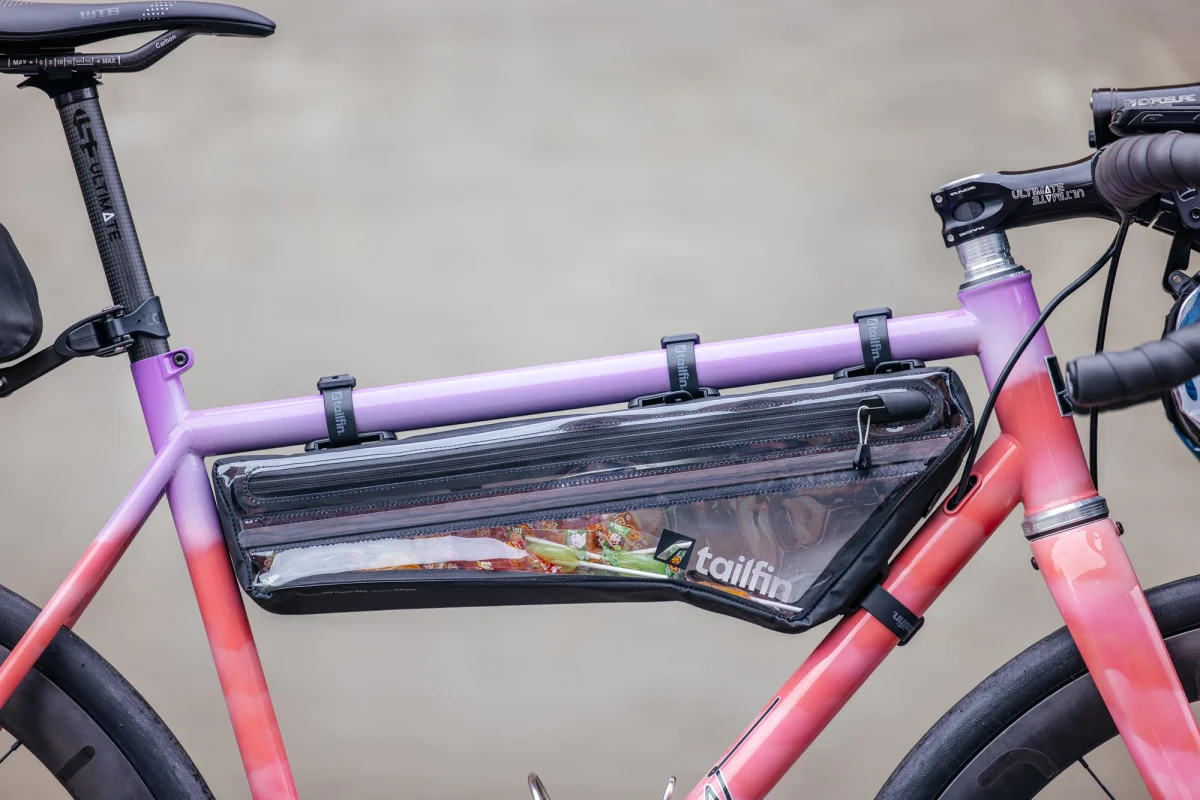
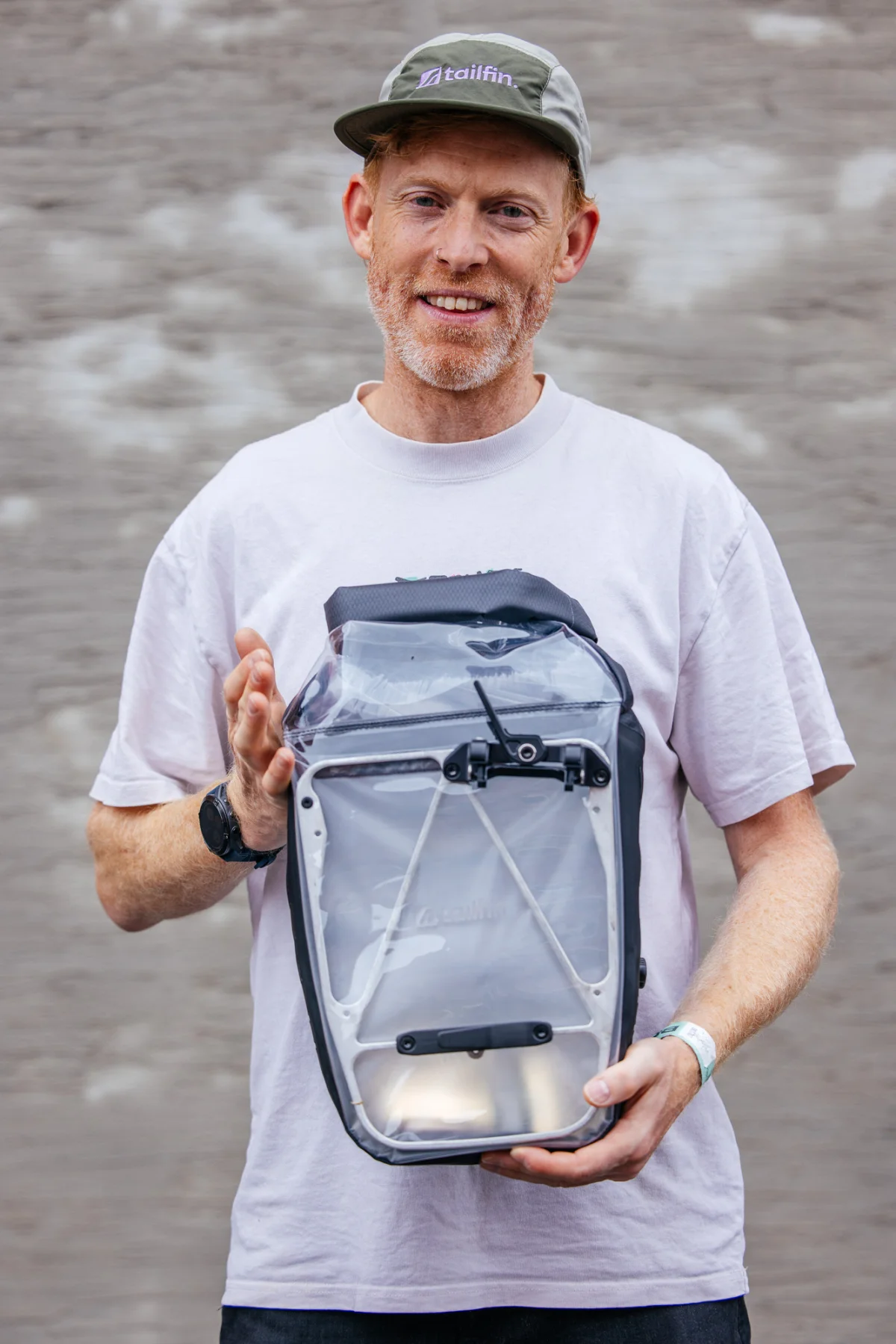
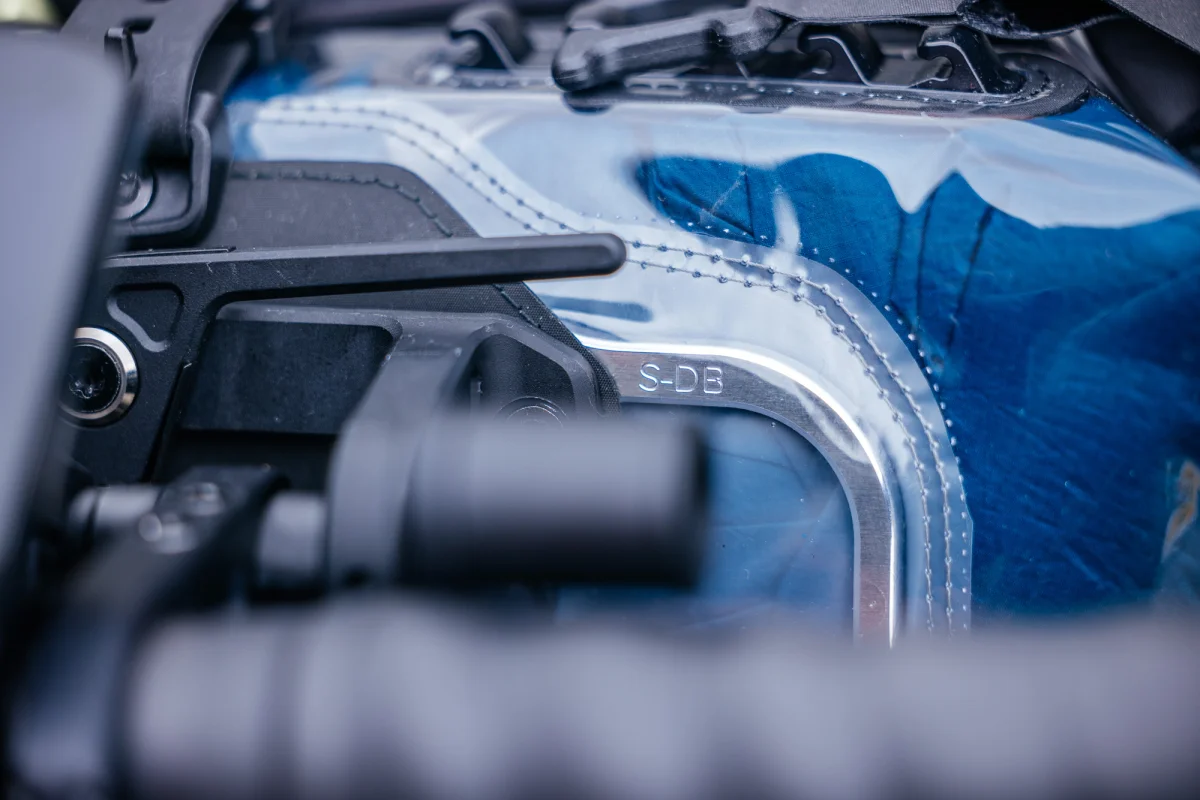
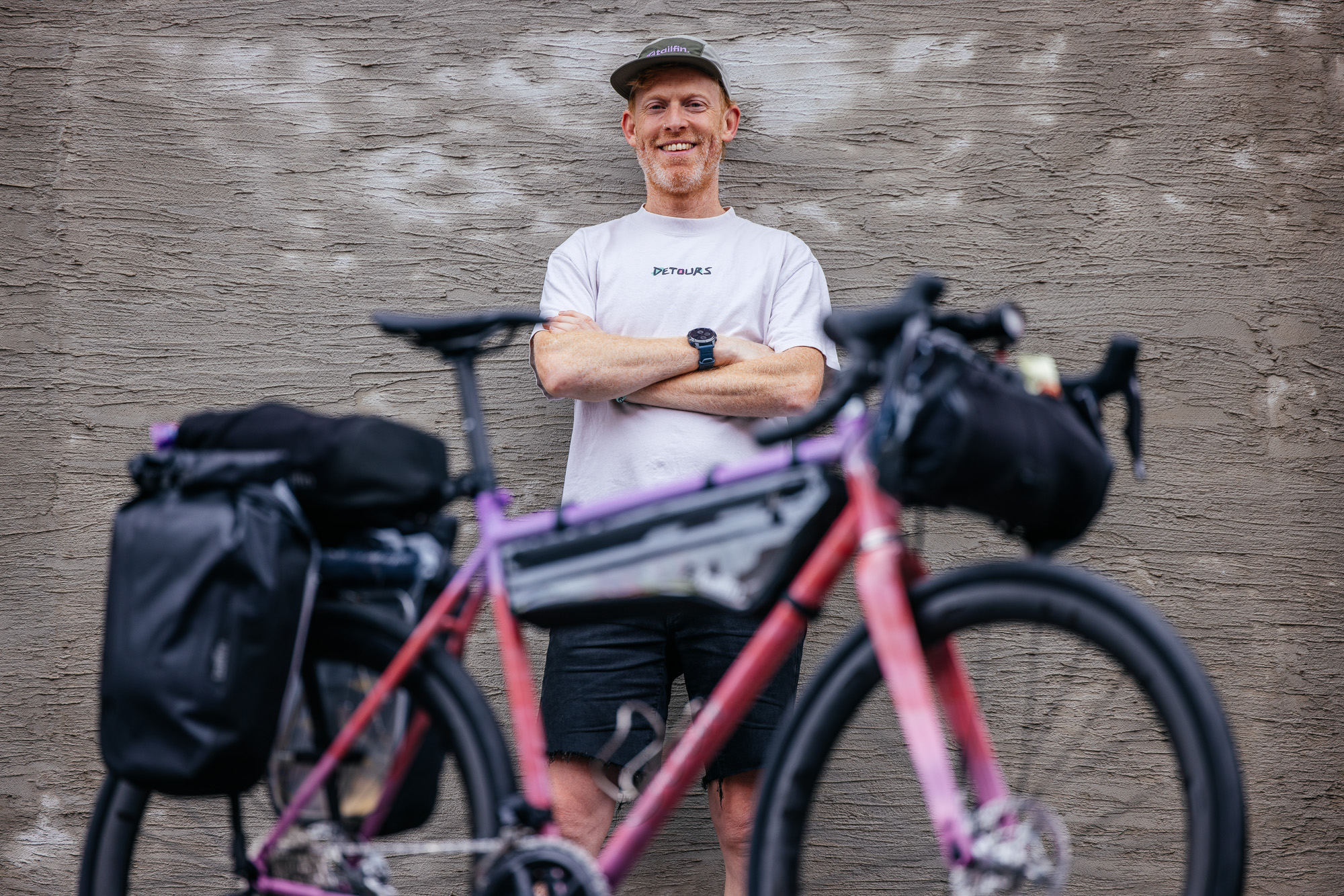
Bracey said customers had previously asked for bags with visible aluminum structures because they make packed items easier to locate. Here the gear is part of the visual composition, but the detail also speaks to practical use: a touring setup has to make its contents accessible as well as carry them.
Sour · Tailfin · Space Cake · @SourBicycles · @Tailfin
Vigore Kyoto: a road bike built by the next generation
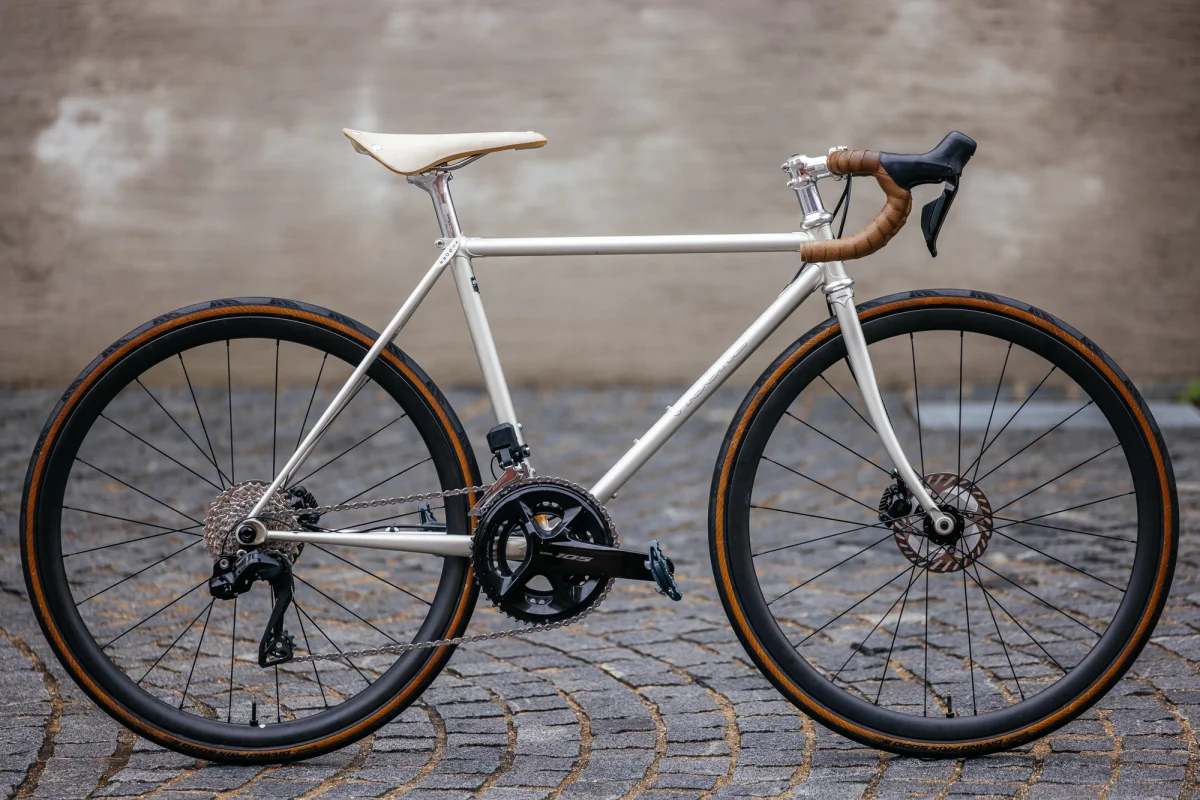
Vigore began in Kyoto in 1929 as Kataoka Bicycle Shokai. Shiro Kataoka started building bikes under the Vigore name in 1968; today, his son Masato and granddaughter Yuki are Kyoto’s only bespoke framebuilders. Yuki’s new road bike at the show was her own build from beginning to end.
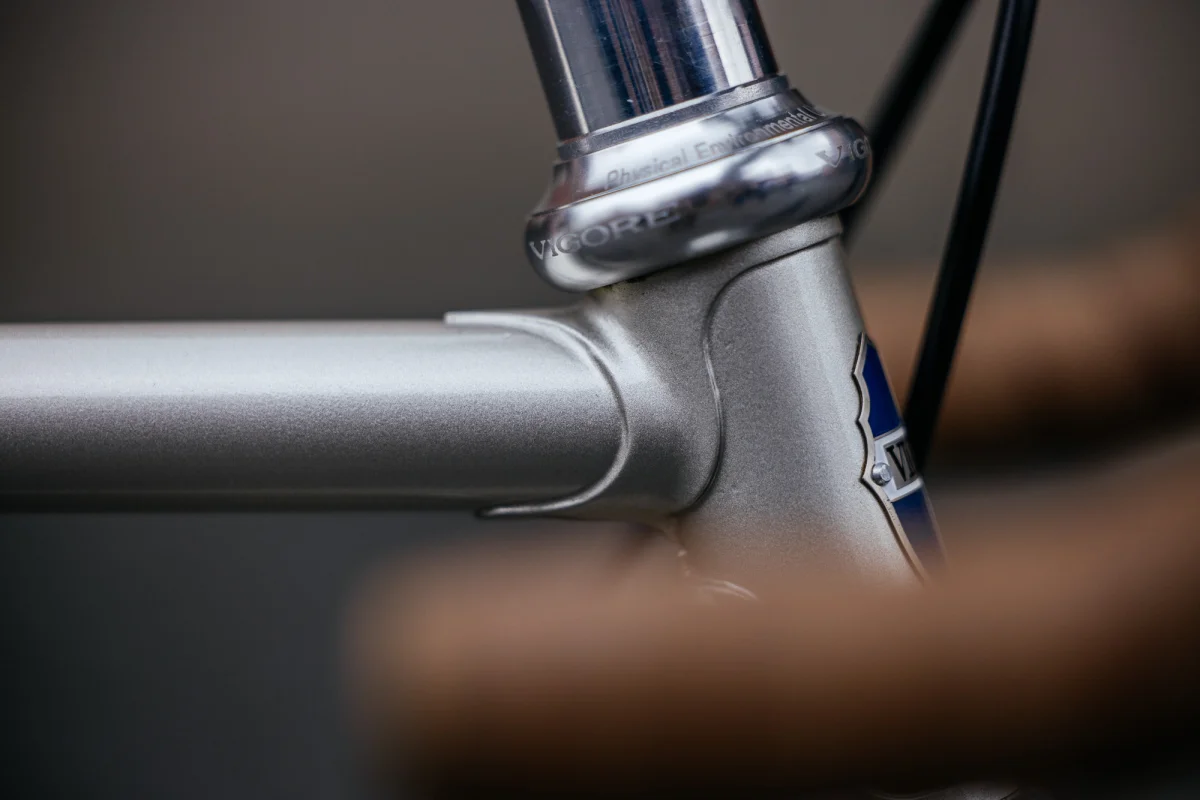
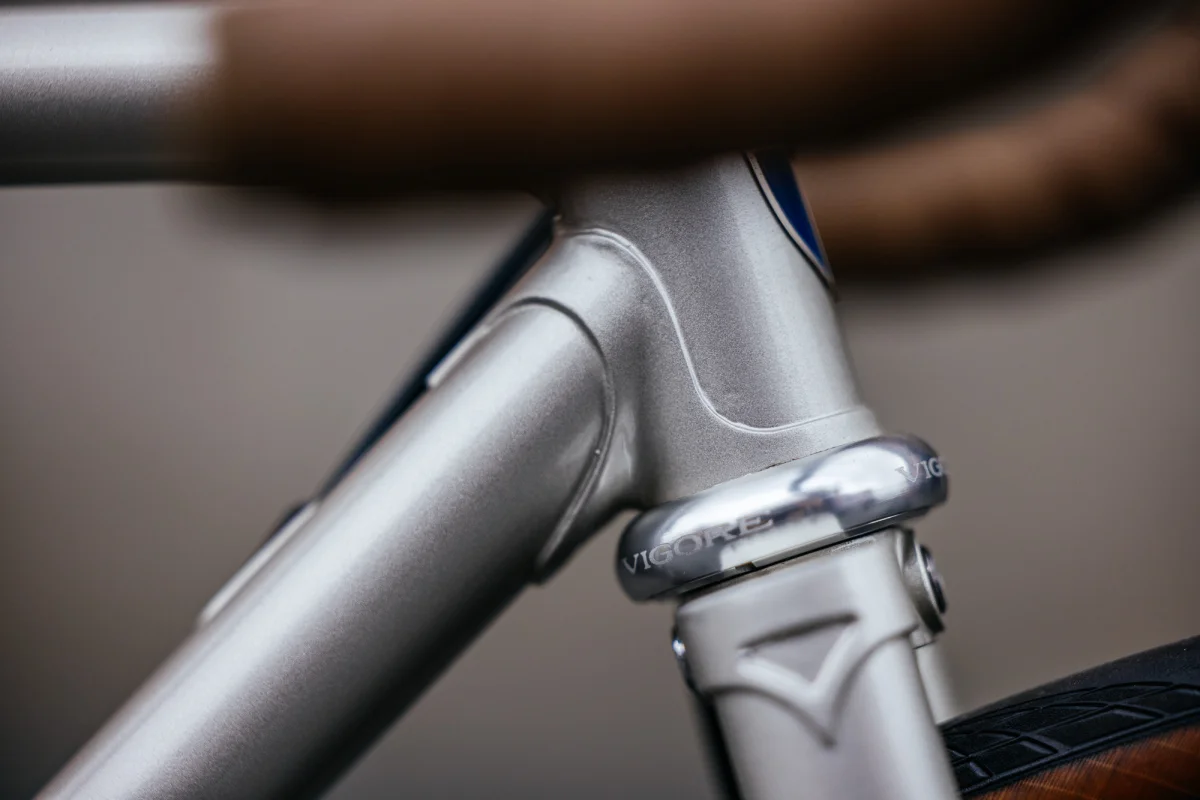
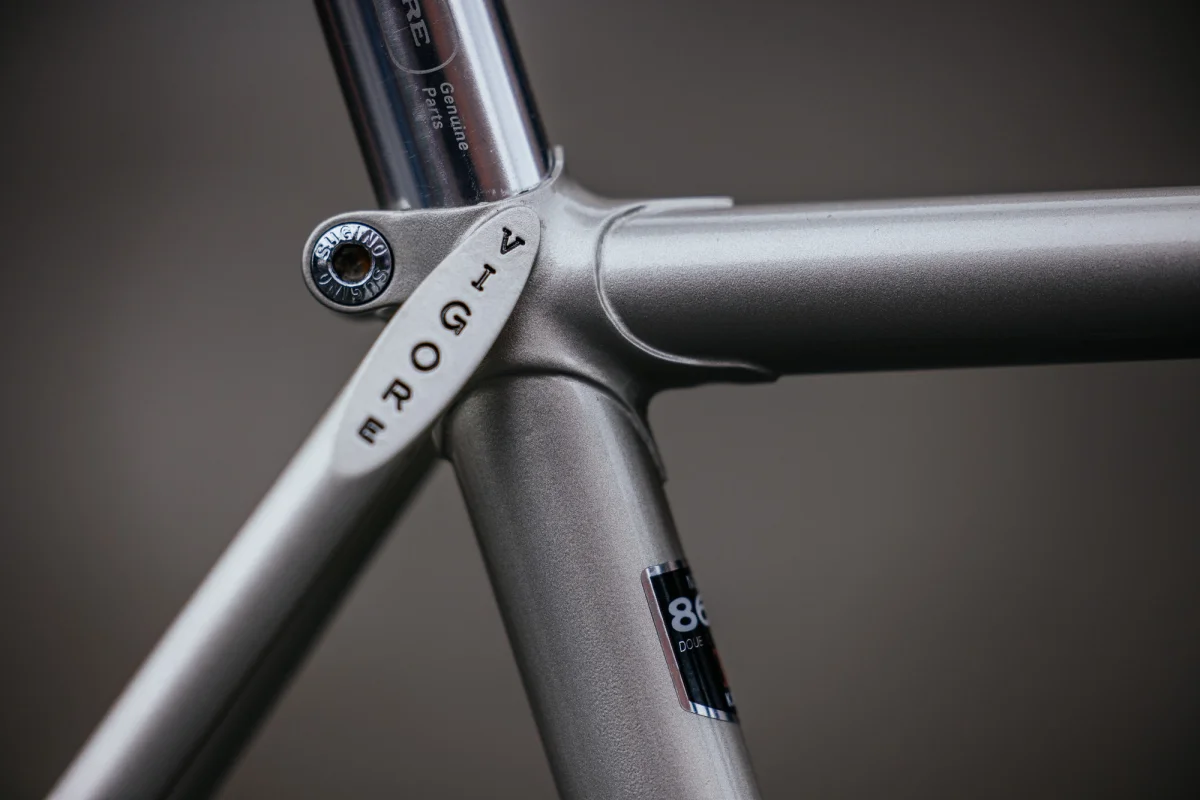
She learned framebuilding from her father five years ago and has been refining her idea of an ideal road bike since. The design is aimed at shorter riders, using 650b wheels to preserve the proportions of a larger frame. A slightly higher bottom bracket supports the bike’s pedaling character, while the overall silhouette stays balanced.
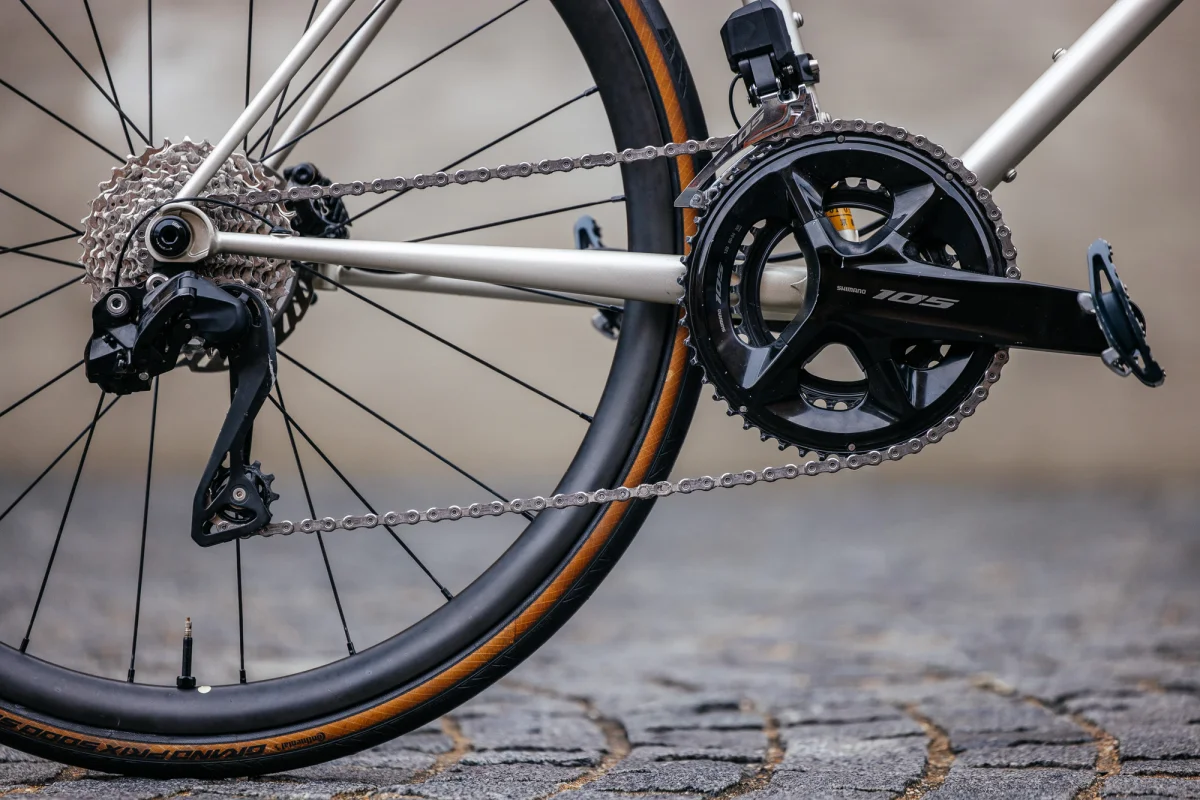
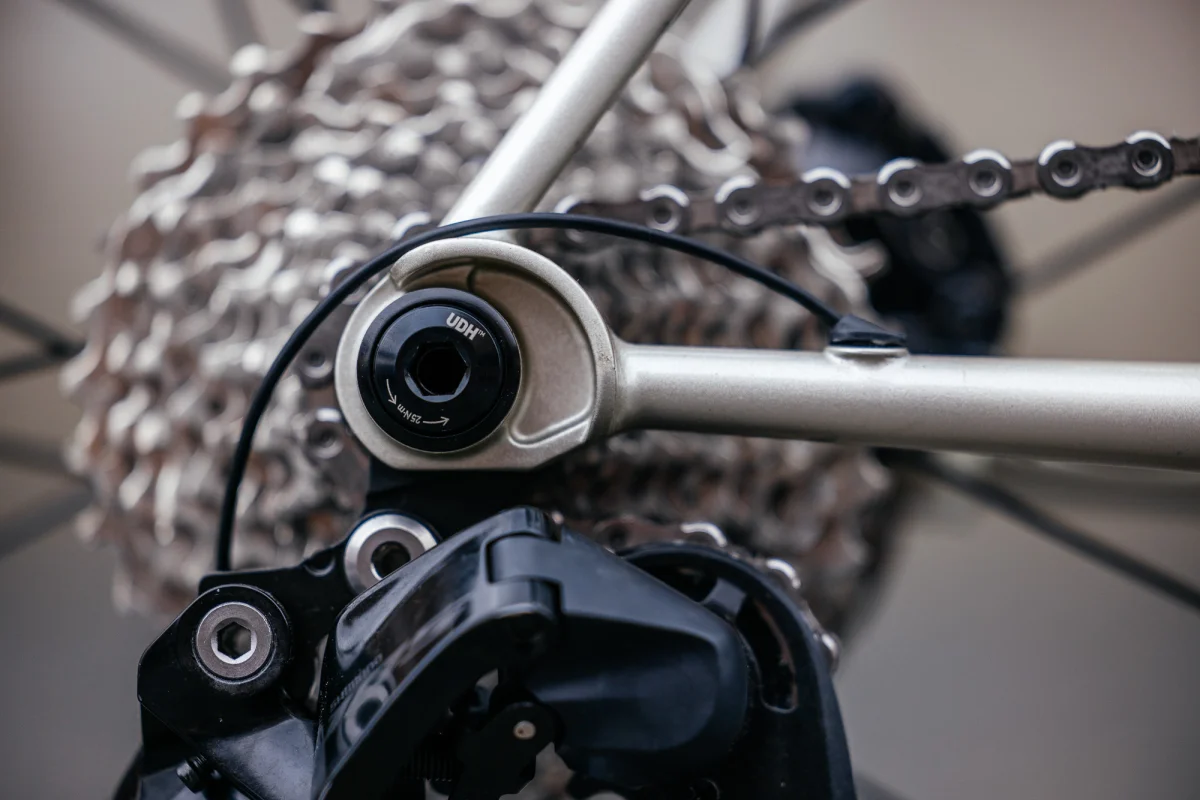
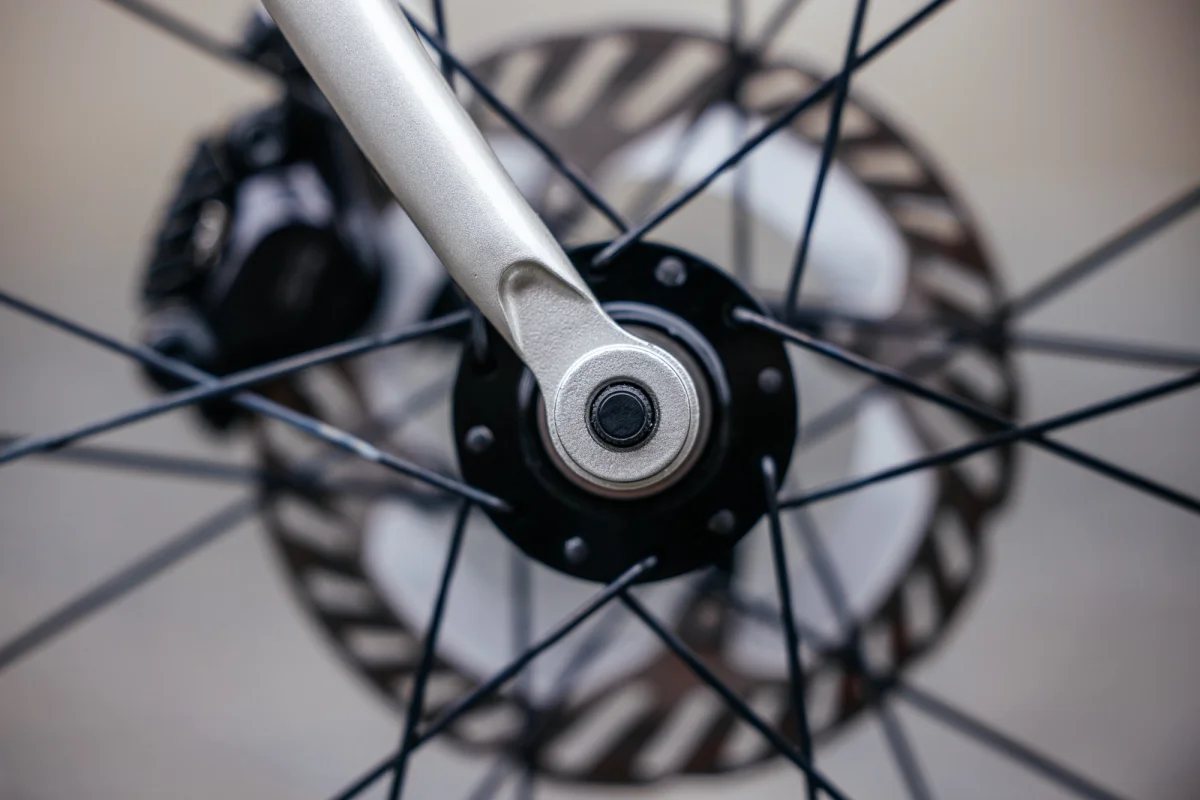
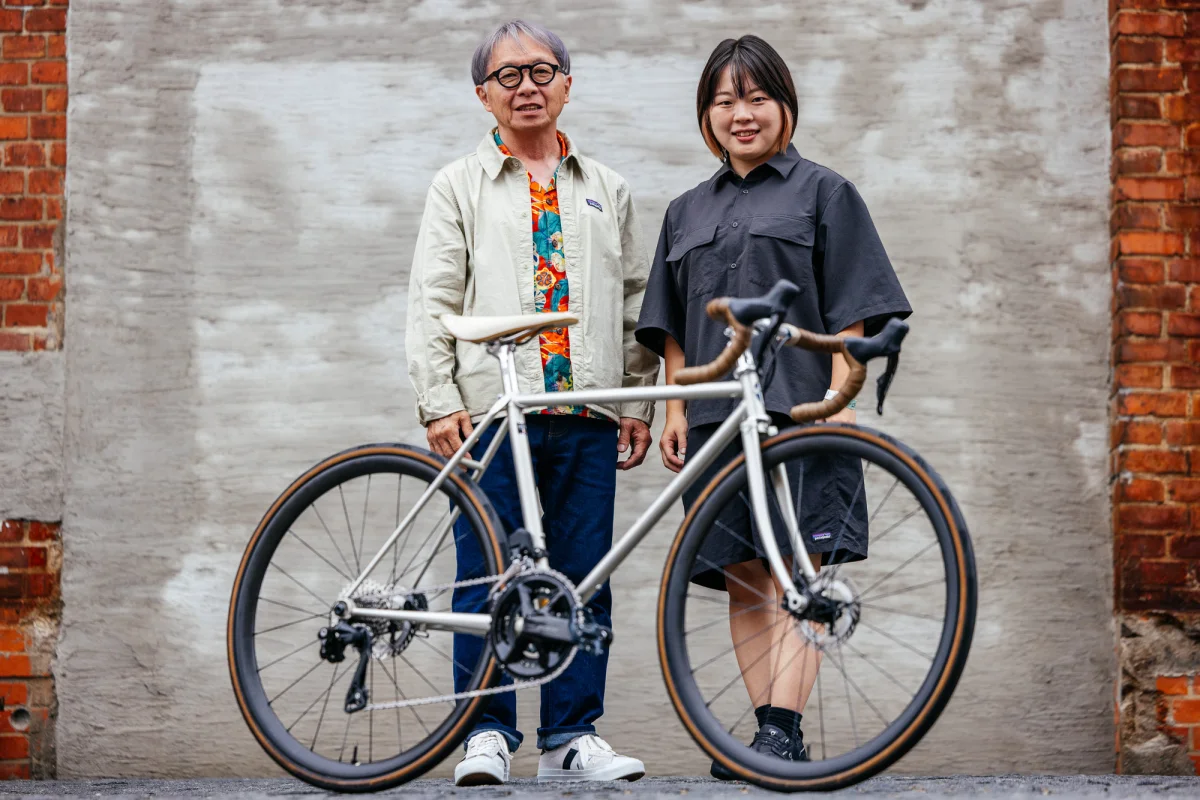
With the mountains around Kyoto in mind, Yuki designed the frame for modern groupsets. UDH dropouts allow a full-mount SRAM kit, while Shimano 2x is another option. Disc brakes are intended for controlled braking on mountain descents, and the fork’s elegant curve nods to traditional road frames. The bike brings a family craft tradition into a contemporary setup without losing the maker’s own point of view.

The six builds make the Osaka show’s appeal easy to see: each starts with a different riding need or design question, then carries that idea through the frame, components and finish. Circles Japan sponsored The Radavist’s Bespoked Osaka coverage and independent reportage.