Sean Higgins’ 1992 Vertebra Full Suspension Prototype Resurfaces in Colorado
An abandoned 24-inch mountain bike led Sean Higgins to Fort Collins framebuilder Jon Lebsack and a rare 1992 Vertebra prototype.
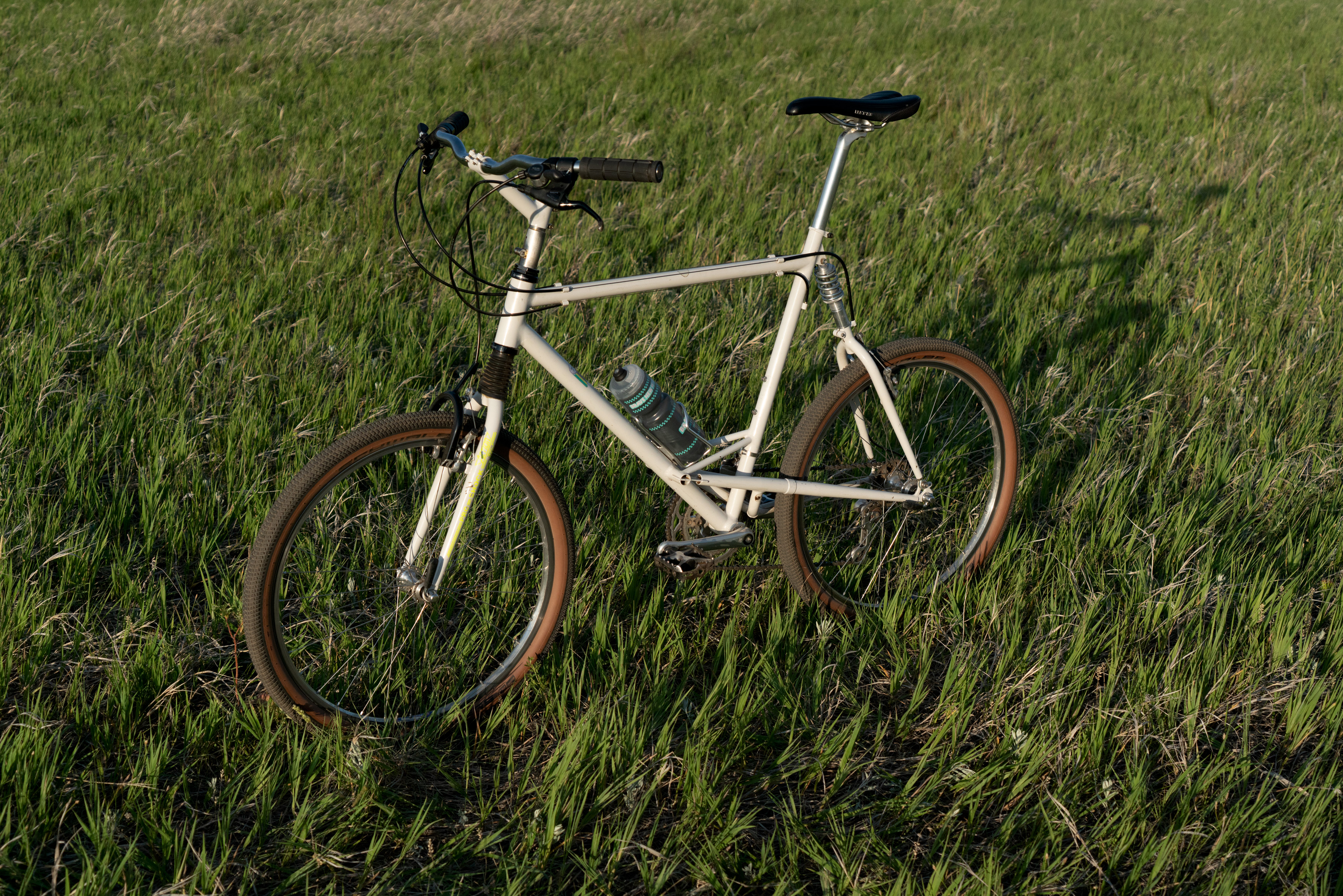
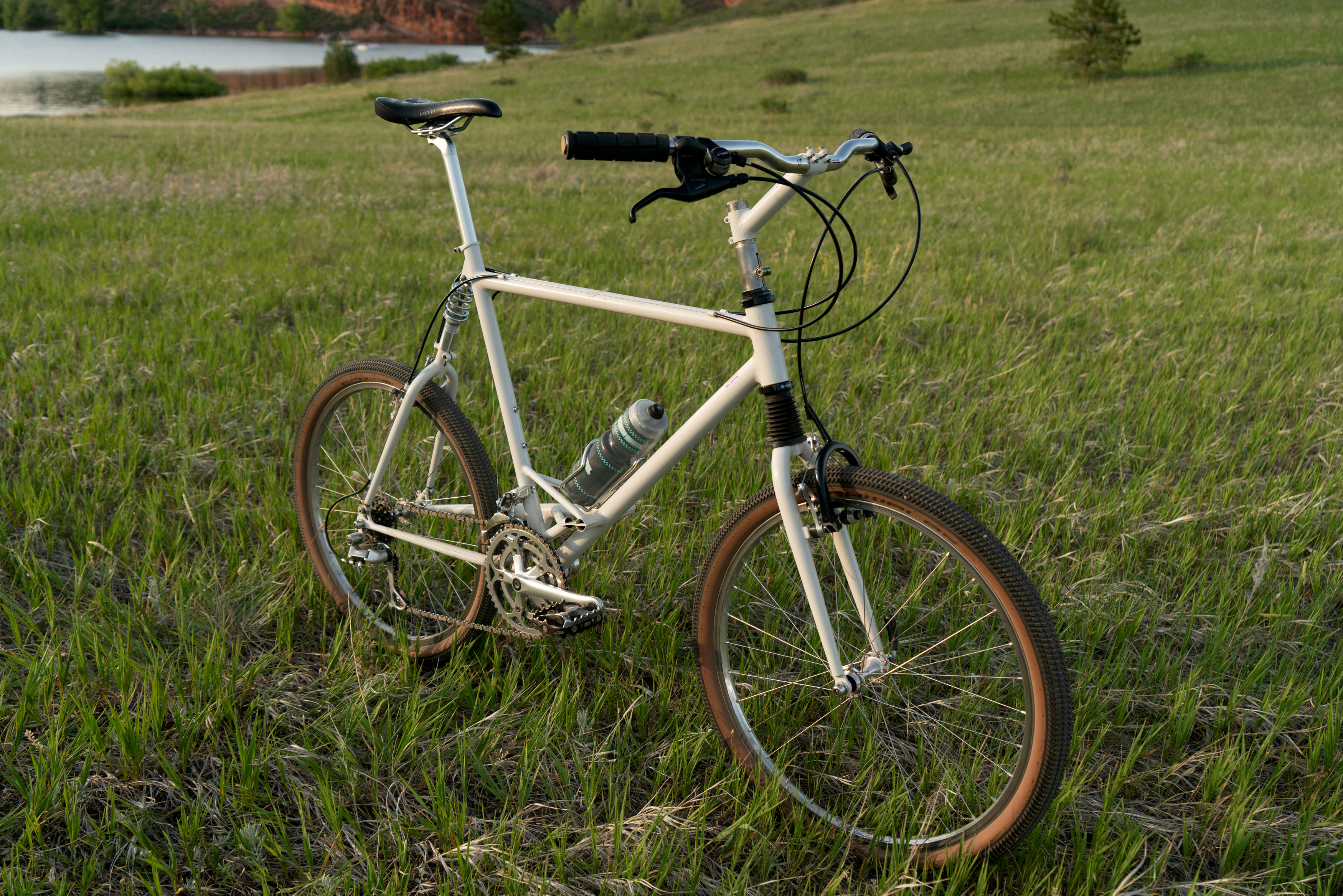
A white mountain bike left in a Fort Collins alley turned out to be a 1992 prototype from a little-known chapter of Colorado framebuilding. Sean Higgins initially wondered who had abandoned it. The search led him to its builder, Jon Lebsack, and to a compact full-suspension design that still makes people curious when Higgins rides it around town.
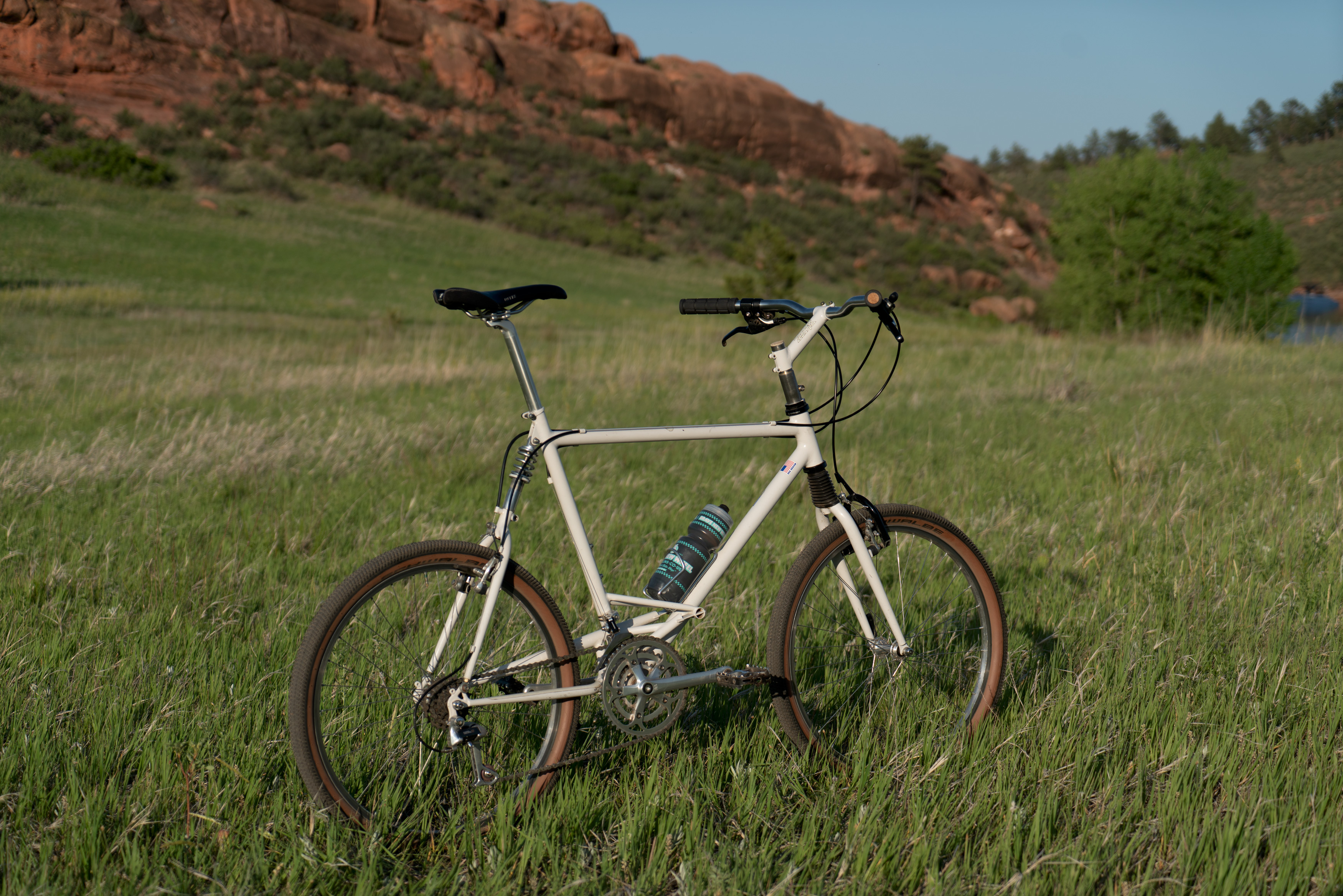
Higgins, whose work can be found on Instagram, found the bike close to home and began tracing its history.
A strange find in the alley
Higgins first heard about the bike from his partner, Kari, who spotted it leaning against a fence during a neighborhood walk. It was still there a few days later, so he went back for a closer look. At first, its raised chainstays and unusual proportions brought a Richard Cunningham-designed Nishiki Alien to mind. A closer inspection ruled that out: this was a much more individual machine.
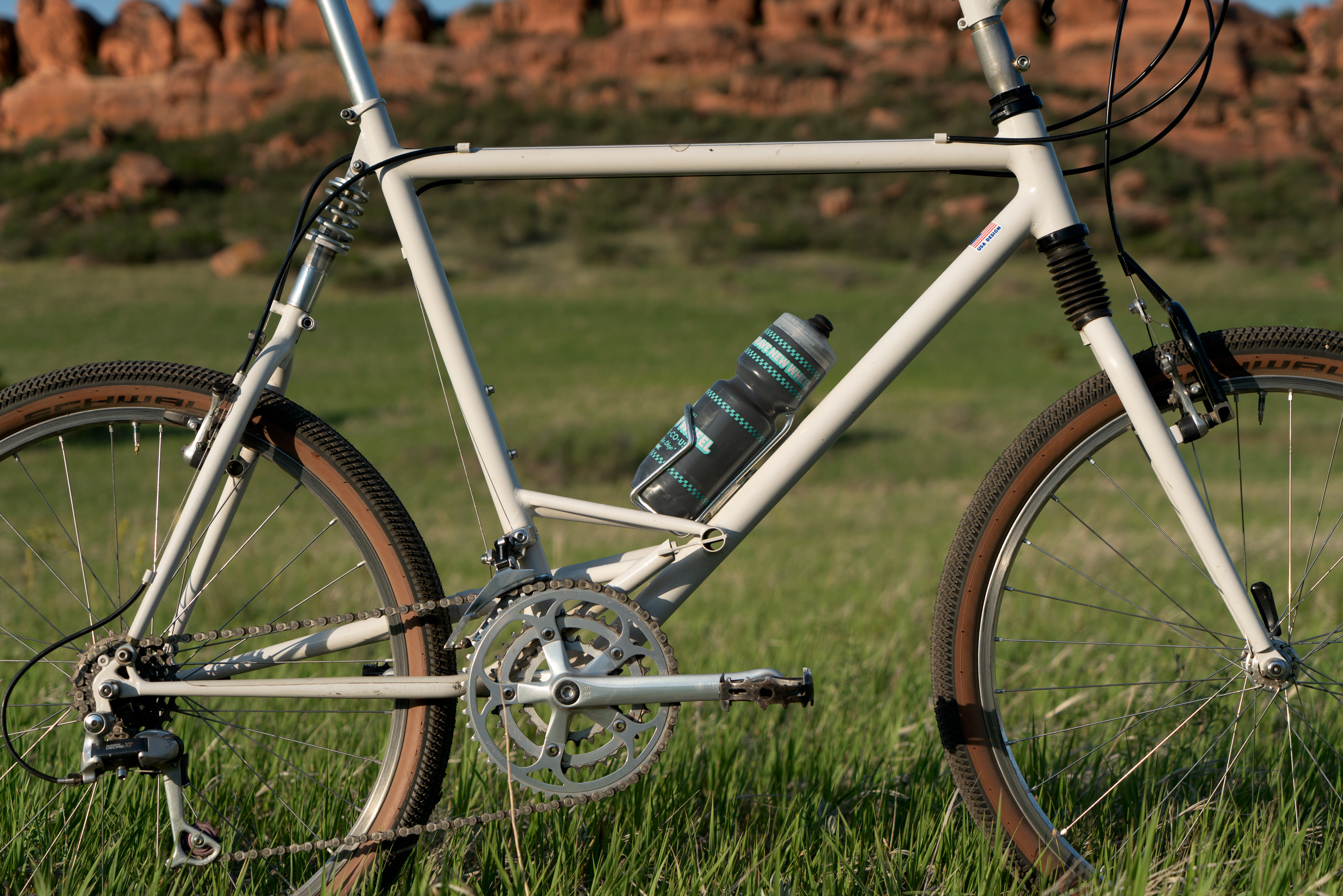
The tires were flat and badly dried out, but the bike appeared to have period Shimano XT components, Specialized flag cranks and a handmade full-suspension frame. Higgins knew vintage mountain bikes, yet the frame offered no familiar maker’s mark or serial number. He eventually decided to take it home, hoping he could identify the builder and find its owner.
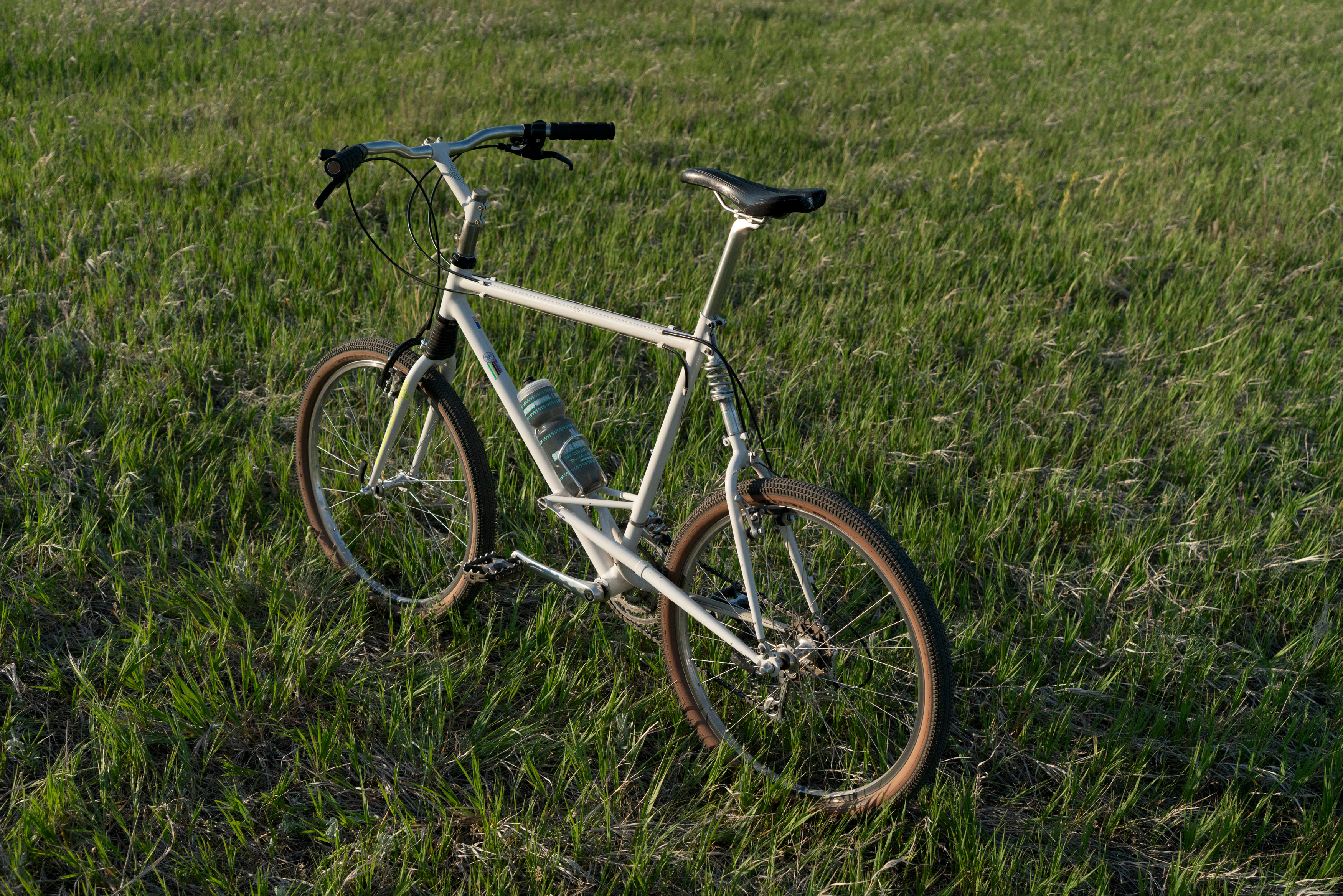
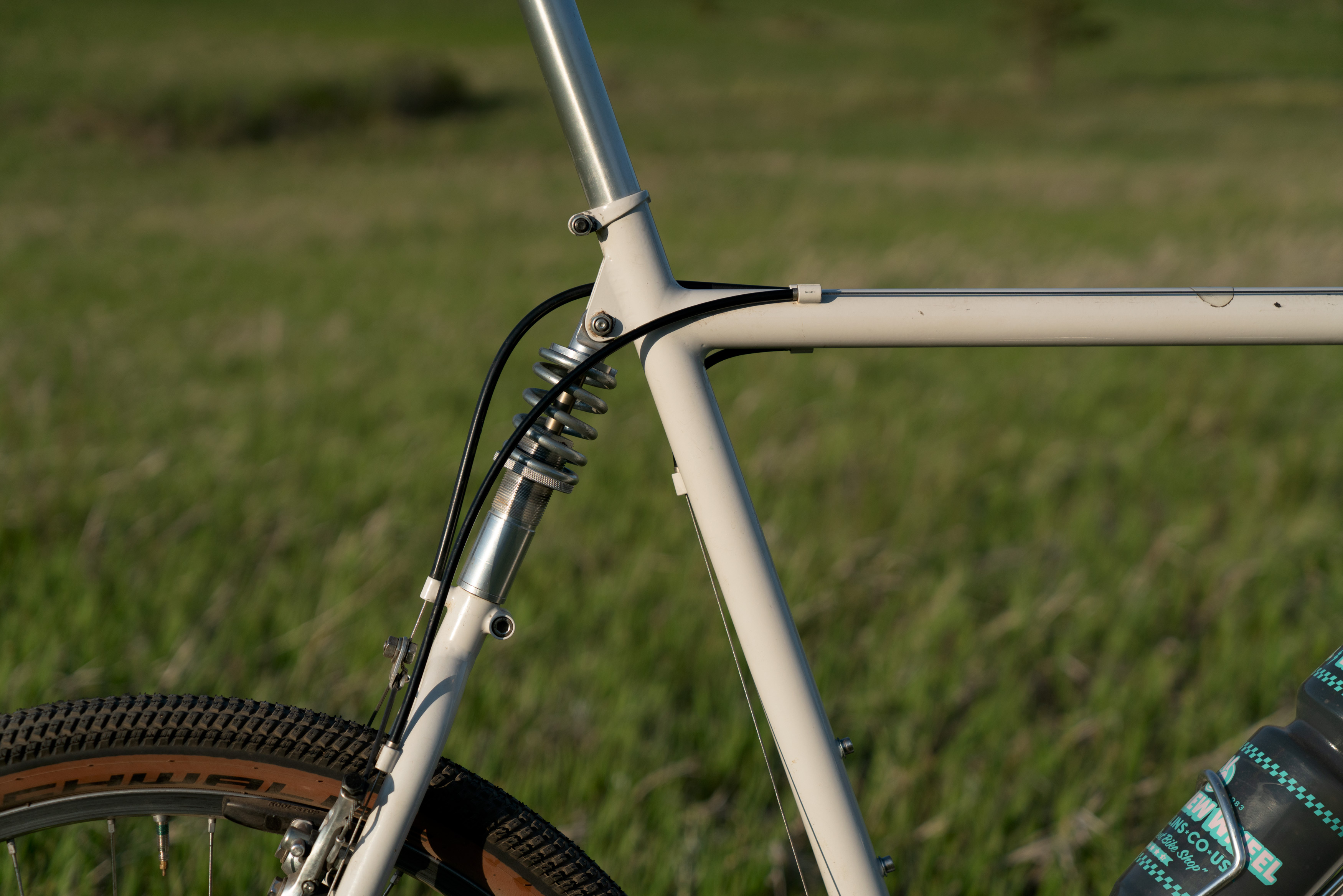
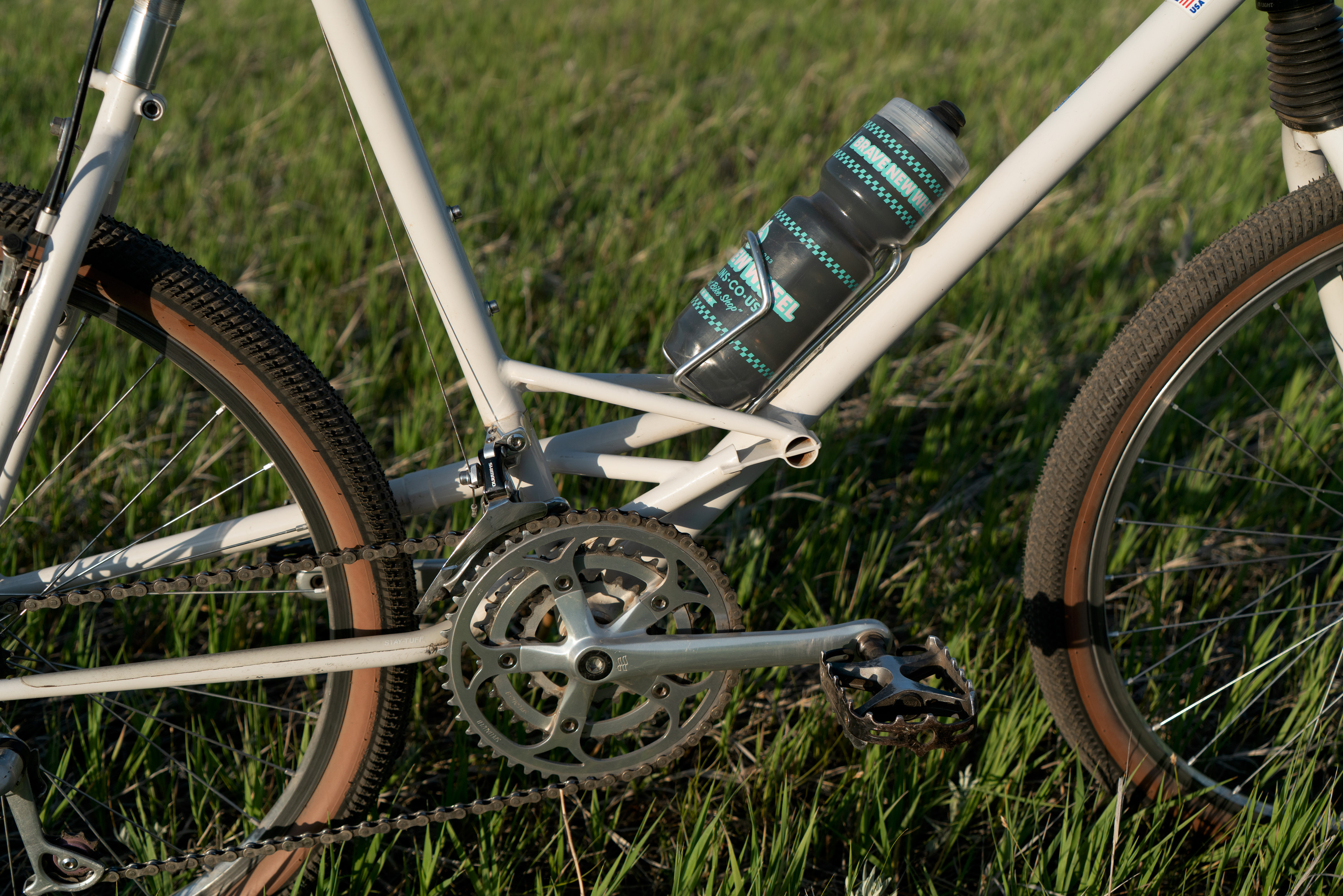
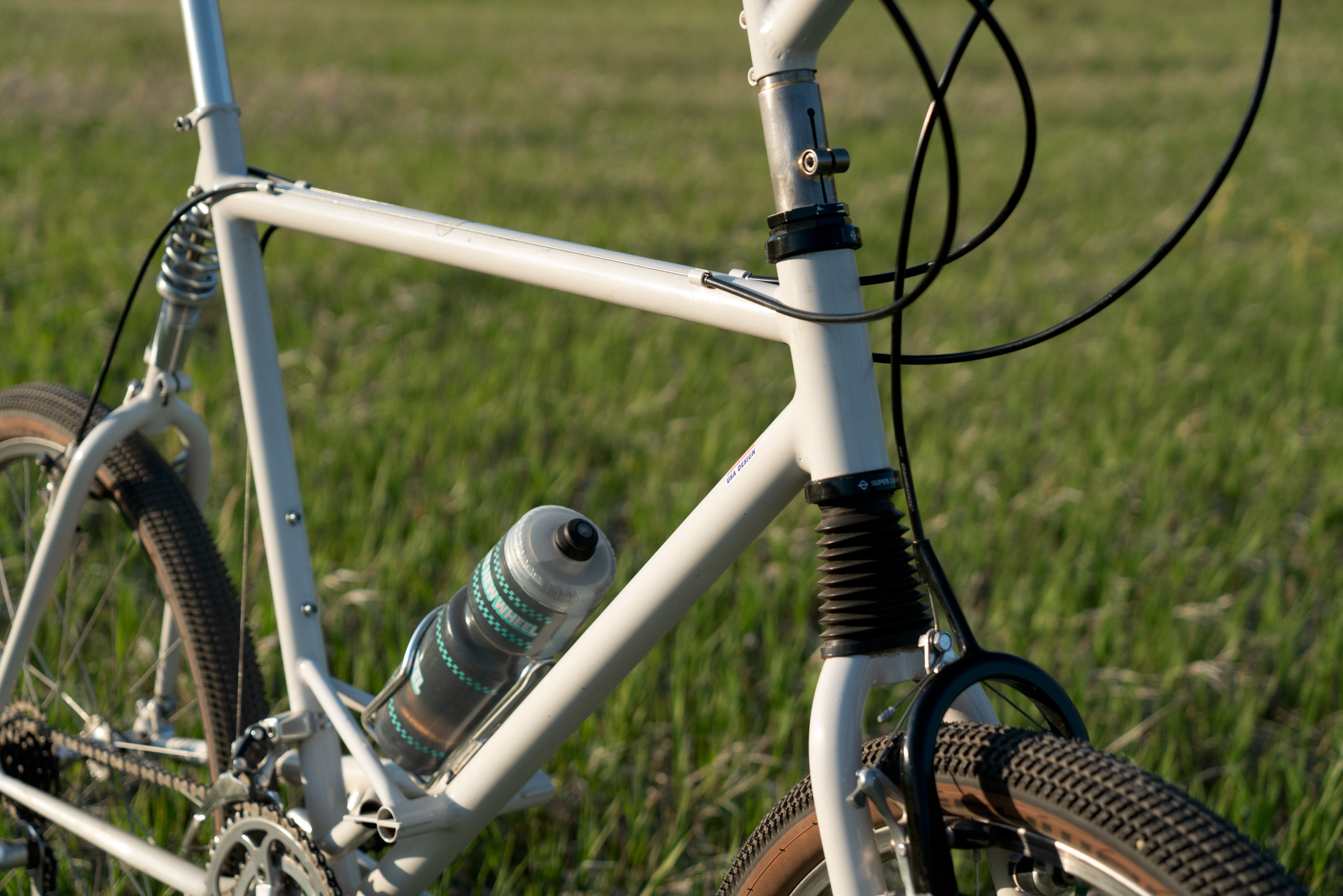
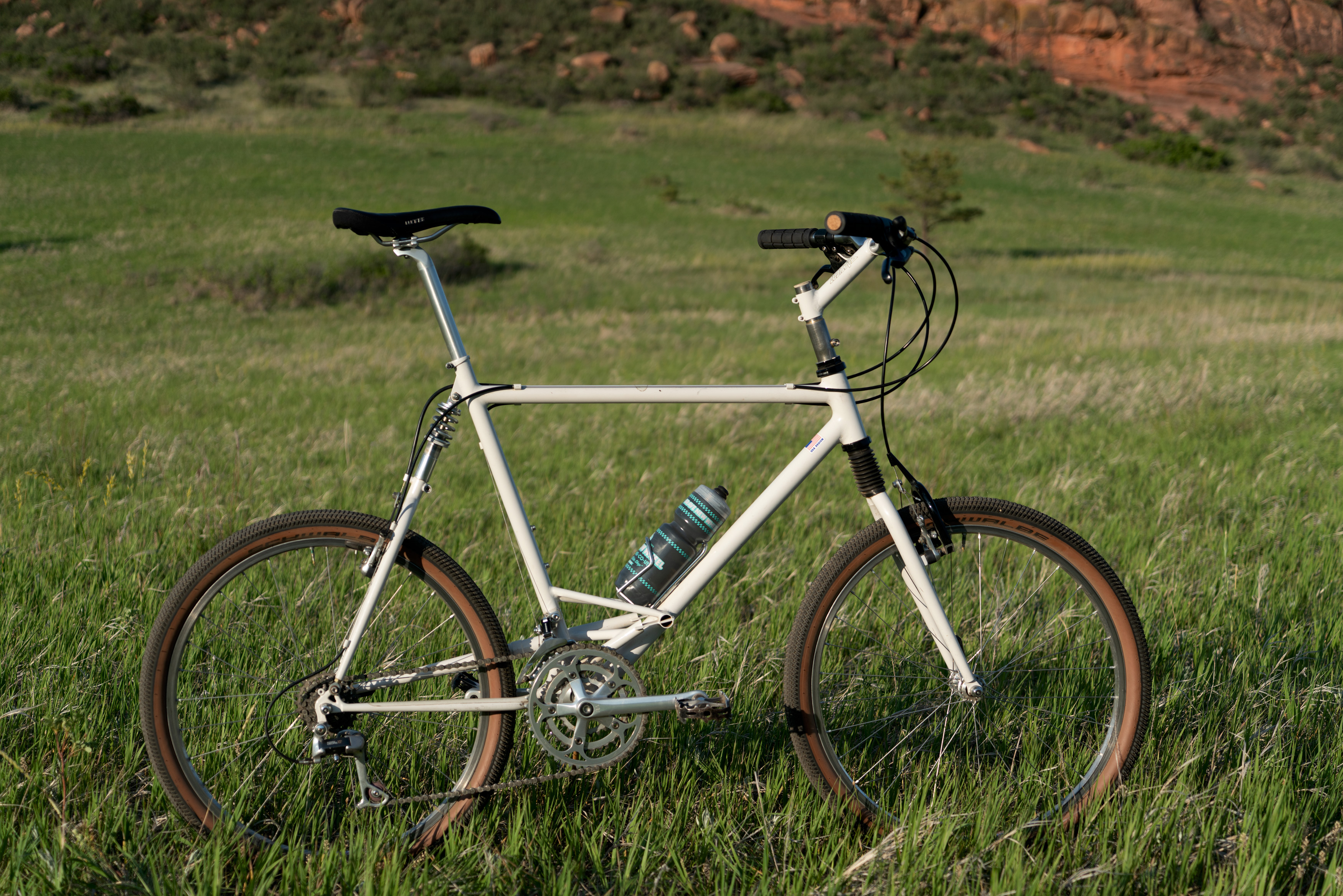
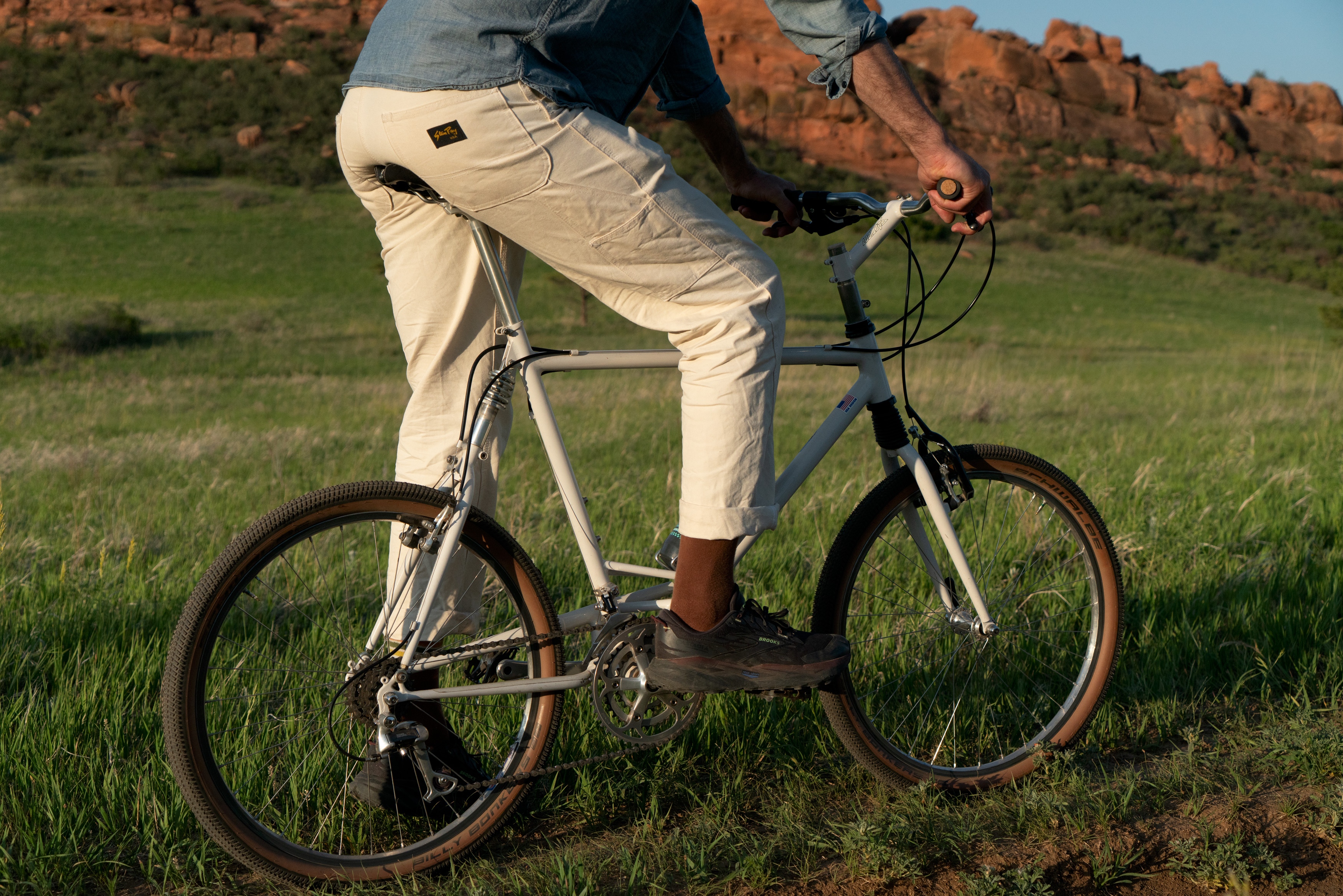
One clue came from the fork’s peeling decals: Higgins identified it as an Action Tec, a design that predated the Cannondale HeadShok. The frame’s suspension layout was harder to place. Rather than a conventional pivot, it uses a flexible steel section for the swingarm’s movement. Then Higgins noticed the 24-inch wheels. Their smaller diameter helps explain the bike’s proportions and leaves room for suspension parts to sit in line above the wheels.
Following the framebuilding clues
The intricate bends in the swingarm suggested an experienced builder, rather than someone trying a one-off frame without much fabrication background. Higgins wondered whether the bike’s maker could also help identify its previous owner. With no spare 24-inch tubes at home, he inflated the cracked tires and rolled the bike to Brave New Wheel, a nearby shop in Fort Collins.
Brave New Wheel co-owner Johnny Daggett didn’t recognize the bike, but shop staff took turns checking it out and riding it around the block. Their verdict was practical: it felt lively and suited to popping off curbs or riding urban trails. Daggett offered to ask around, took photographs and passed them to local collector Jeff Nye. Nye recognized the frame and connected Higgins with its maker.
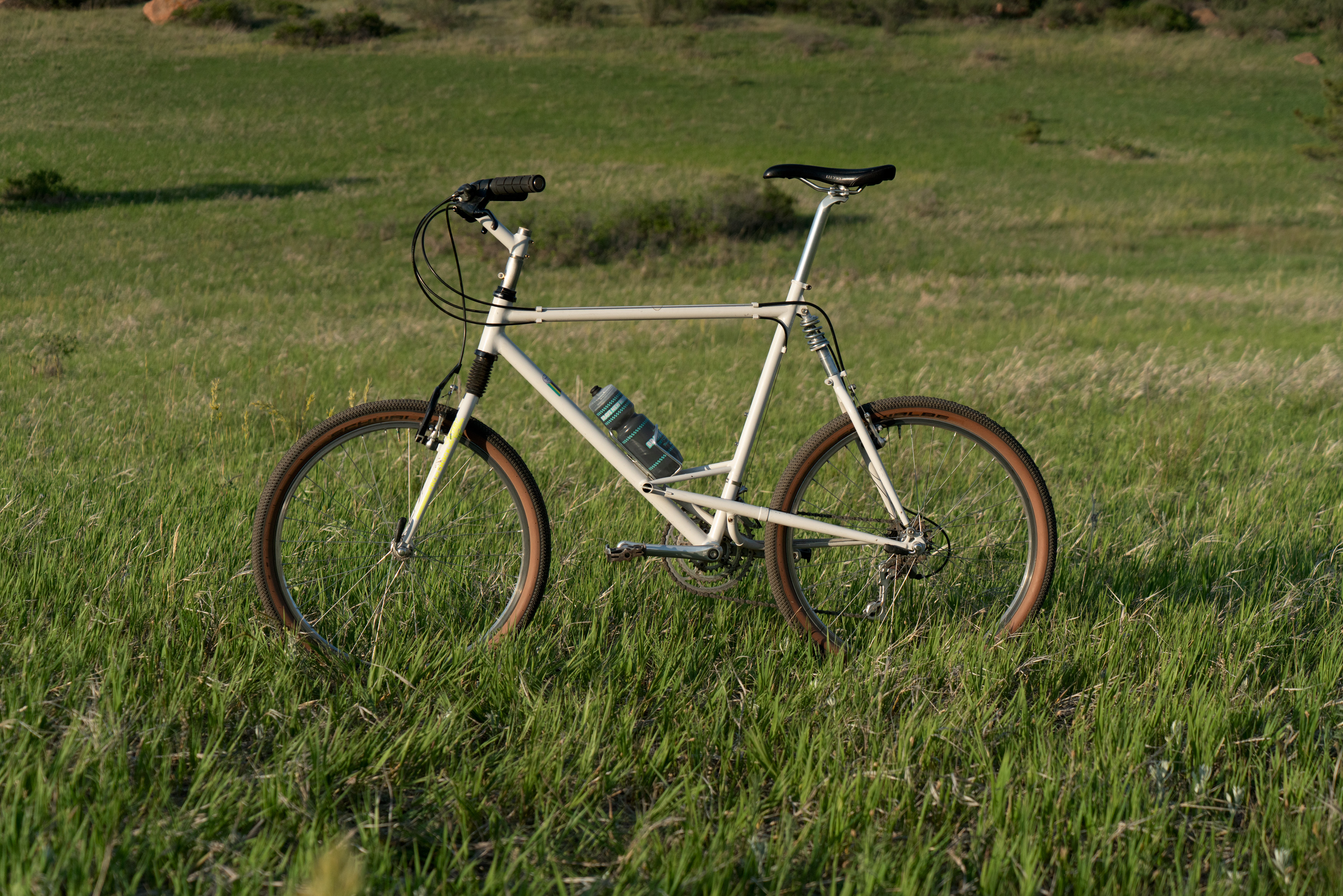
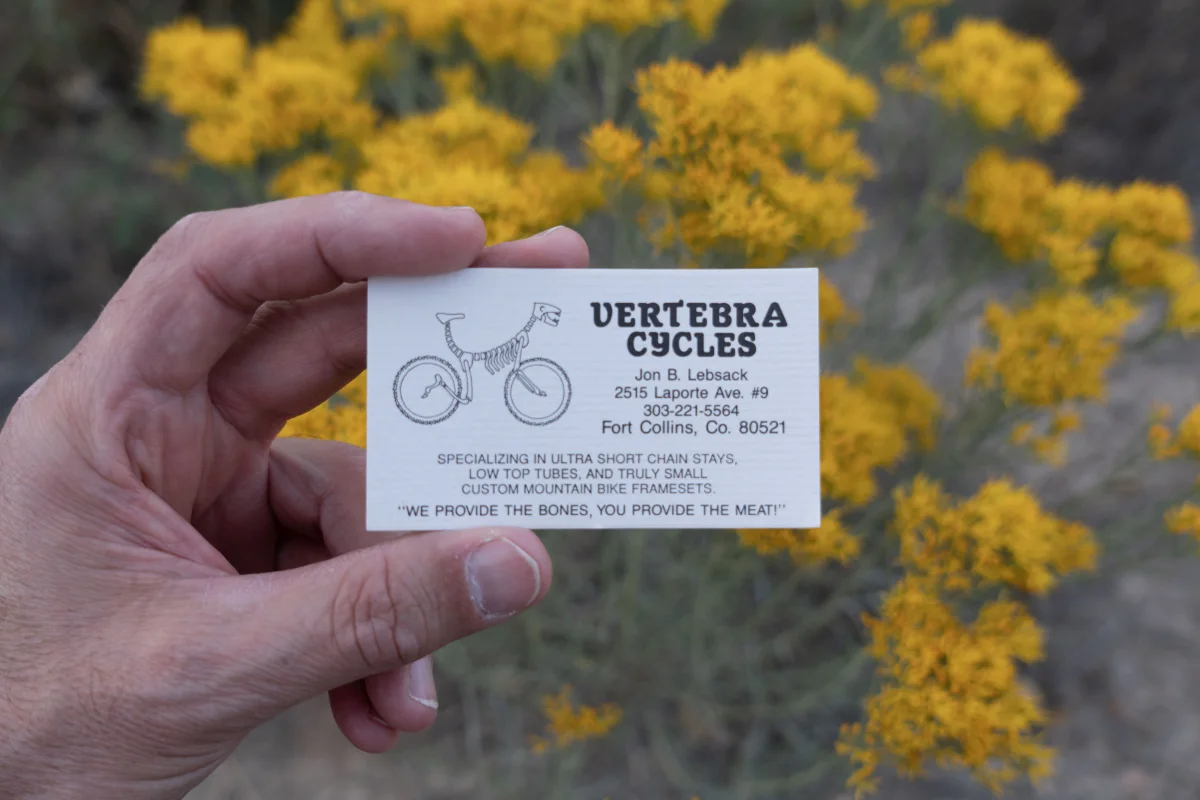
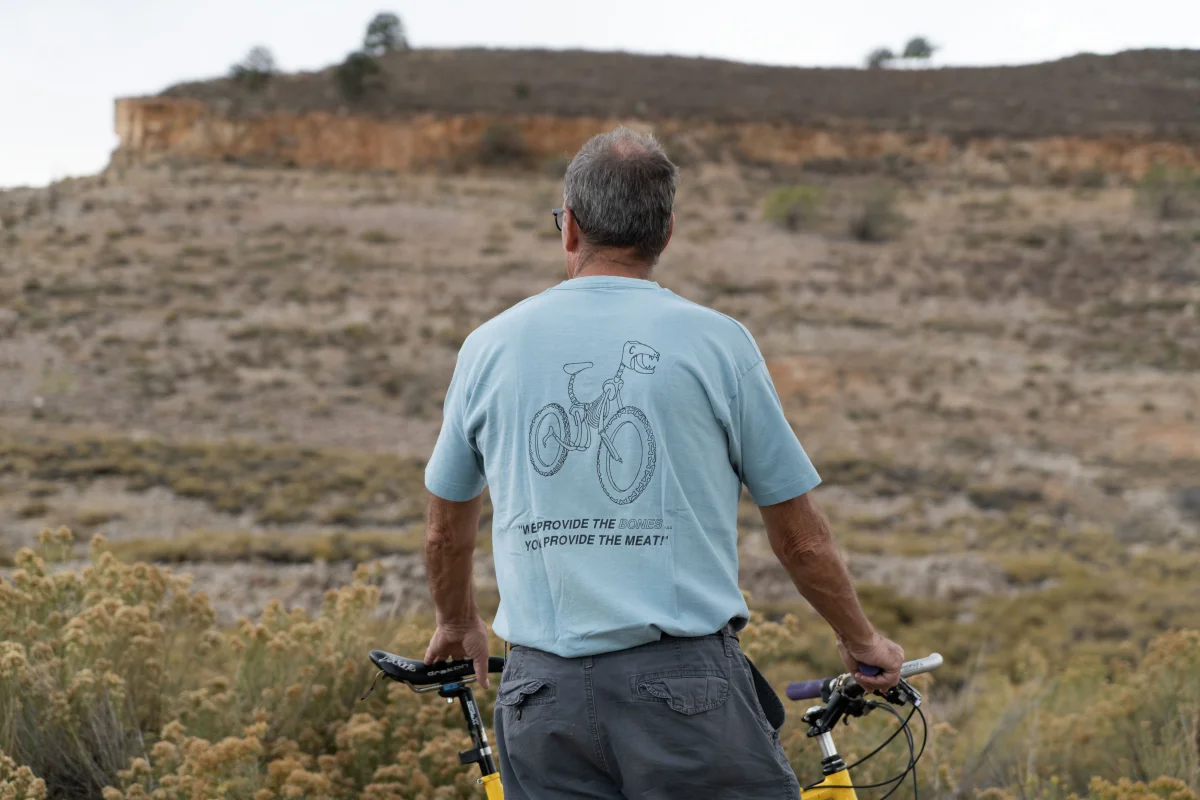
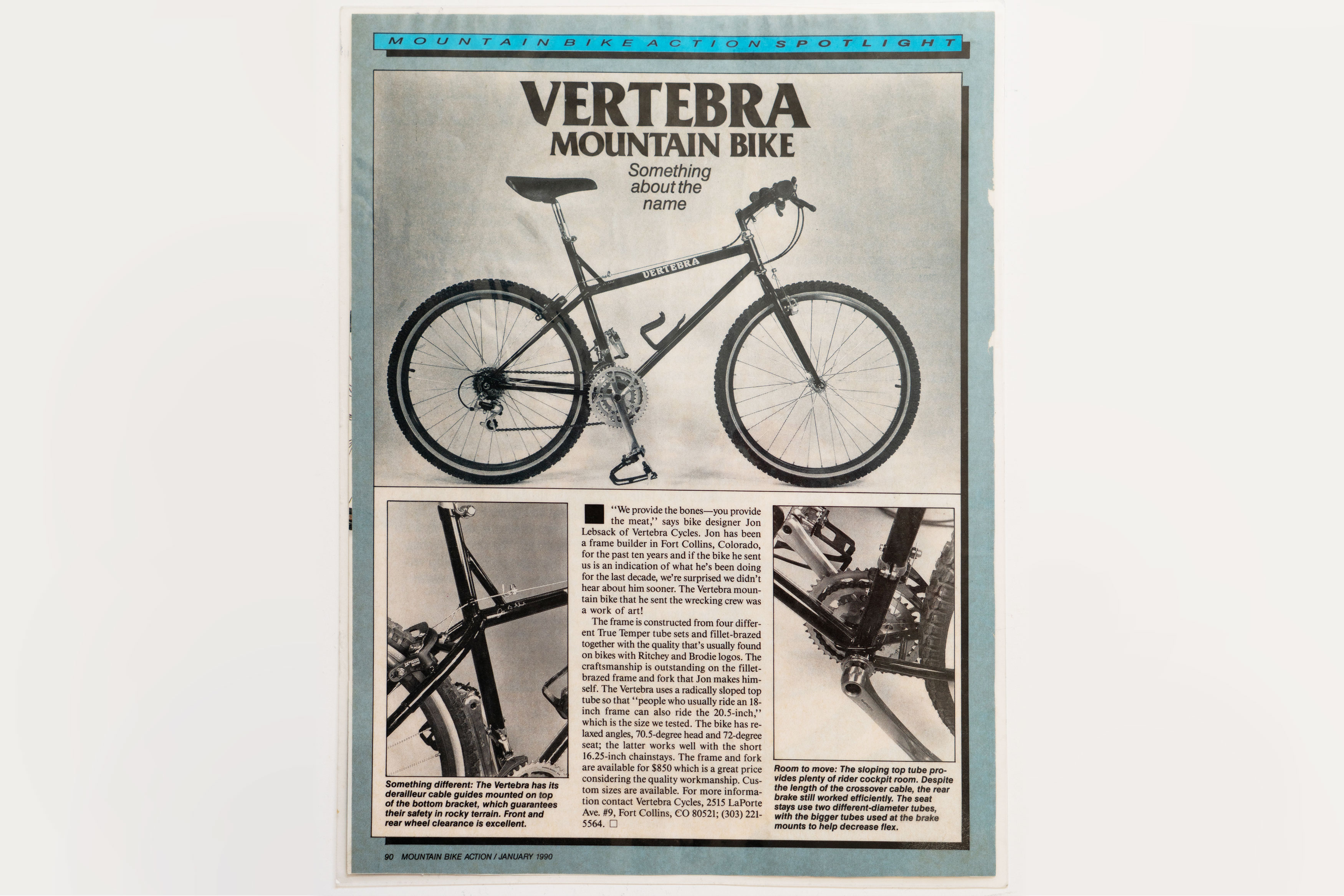
The builder was Jon Lebsack, who made bikes in Fort Collins through the 1980s and early 1990s. He told Higgins that this machine was among his last builds: a 1992 prototype from his company, Vertebra Bikes, which focused on mountain bikes. Its slogan captured the workshop’s sense of humor: “We provide the bones-you provide the meat!”
Lebsack’s work ranged well beyond this suspension experiment. One of his mountain bikes, ridden by sponsored rider Wade Wilderman of Fraser, Colorado, placed 17th at the first Mountain Bike World Championship in 1990. He also built race-winning road bikes, several recumbents, an early fat bike made by sewing two tires together, a two-wheel-drive mountain bike and machines for human-powered speed records. Higgins describes Lebsack as an engineer-minded tinkerer with a knack for working with a torch.
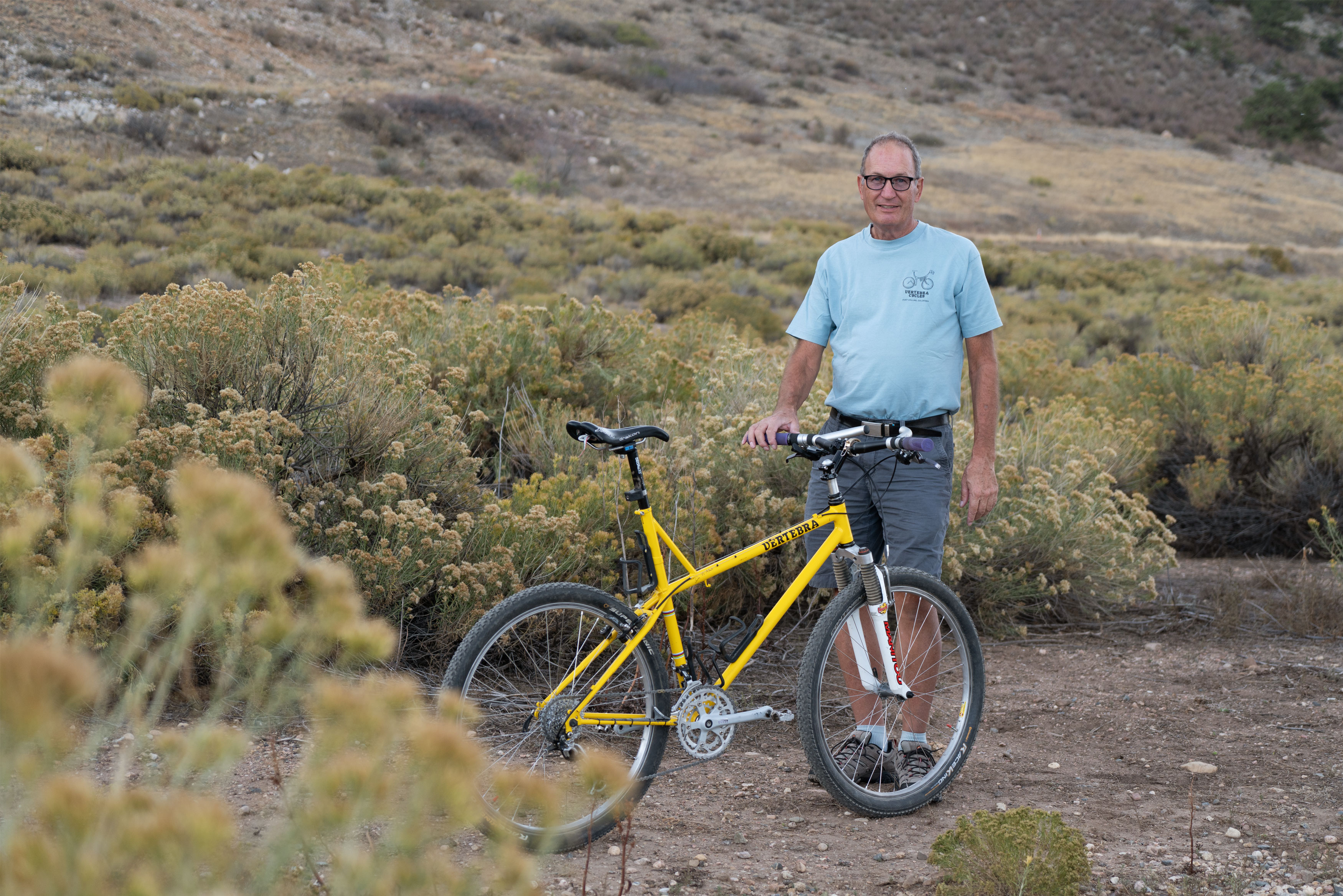
Lebsack had given the prototype away some time ago and lost track of it. When they met for lunch, he told Higgins to keep it. Higgins is now its steward, though he’d still like to learn who owned it before it wound up against that alley fence.
Keeping a prototype on the trail
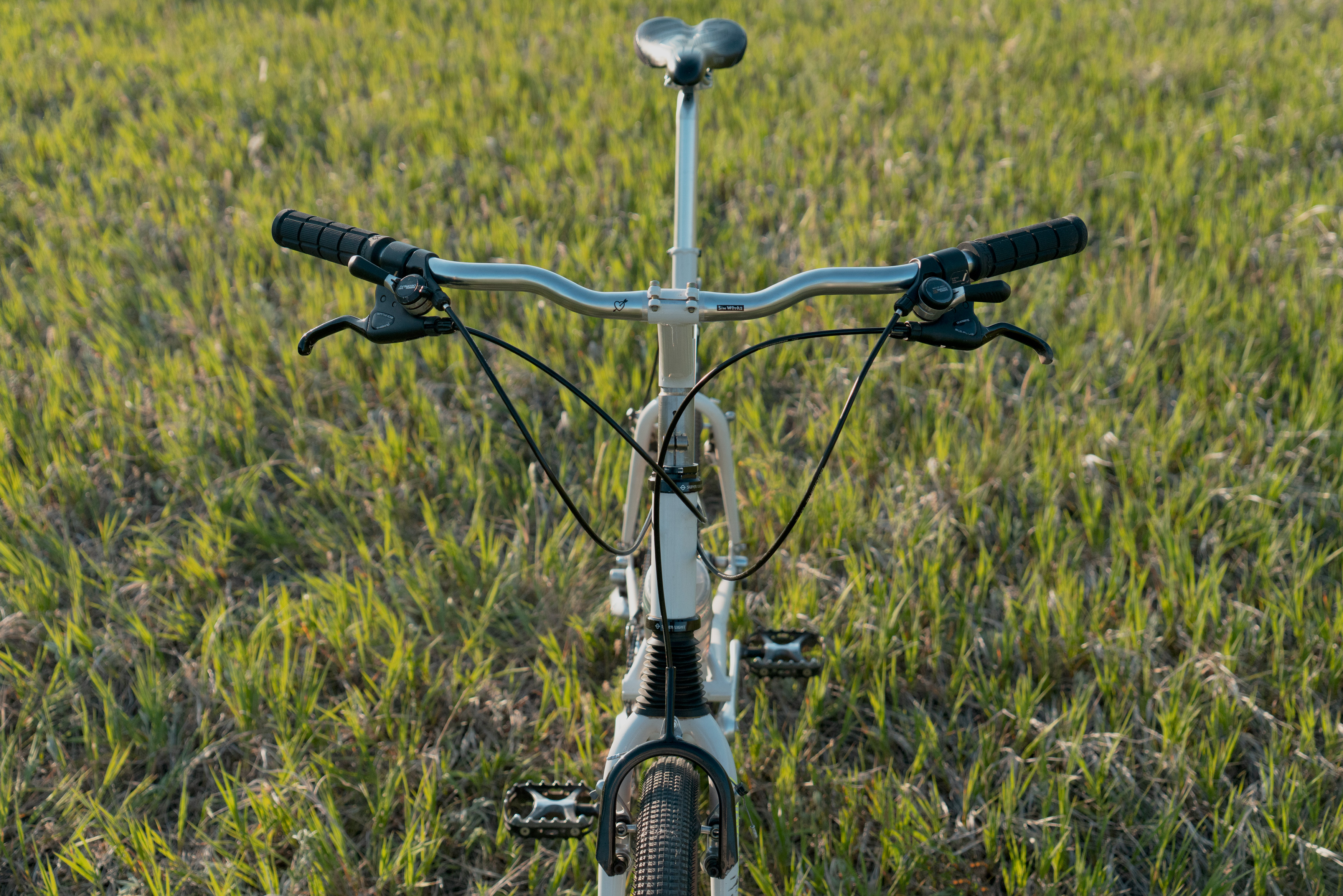
Higgins has made only the repairs needed to get the bike trail-worthy: new 24-inch tires and tubes, replacement brake pads, a different saddle and a Simworks Fun 3 Bar in chromoly to make the riding position more comfortable. He has left the rest intact, including the brazed, unpainted stem riser. Lebsack later found the original stem in his parts stash and gave it to Higgins, who fitted it to the bike.
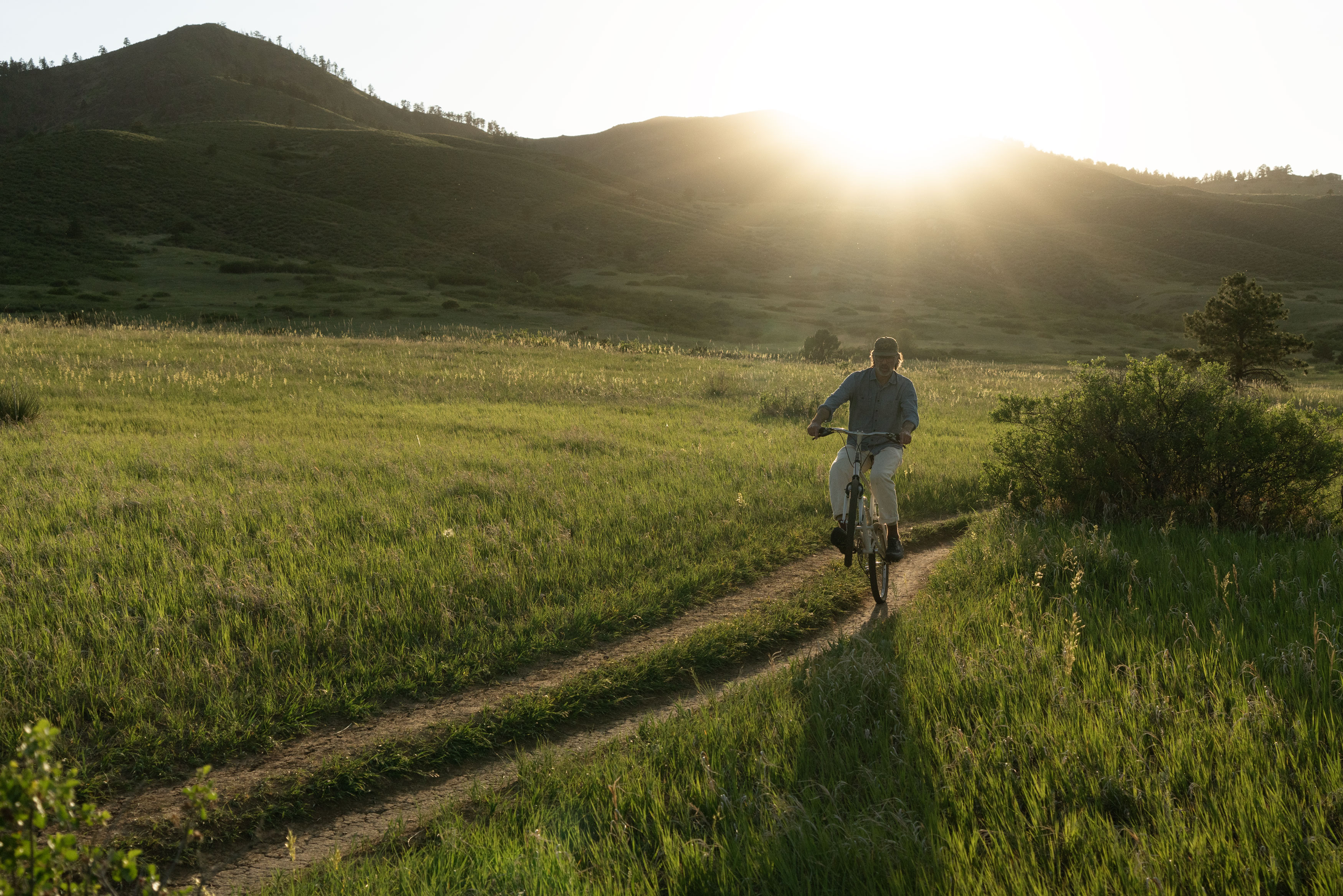
The Action Tec fork and AMP rear shock still need rebuilding. Higgins isn’t sure where to begin with either job and hopes Lebsack may be able to help. For now, the bike’s charm lies partly in its old, working parts and its unusual proportions. Higgins says it rides like a mini-velo, handles well and has a pronounced appetite for wheelies thanks to those small wheels. People often stop to ask what it is.
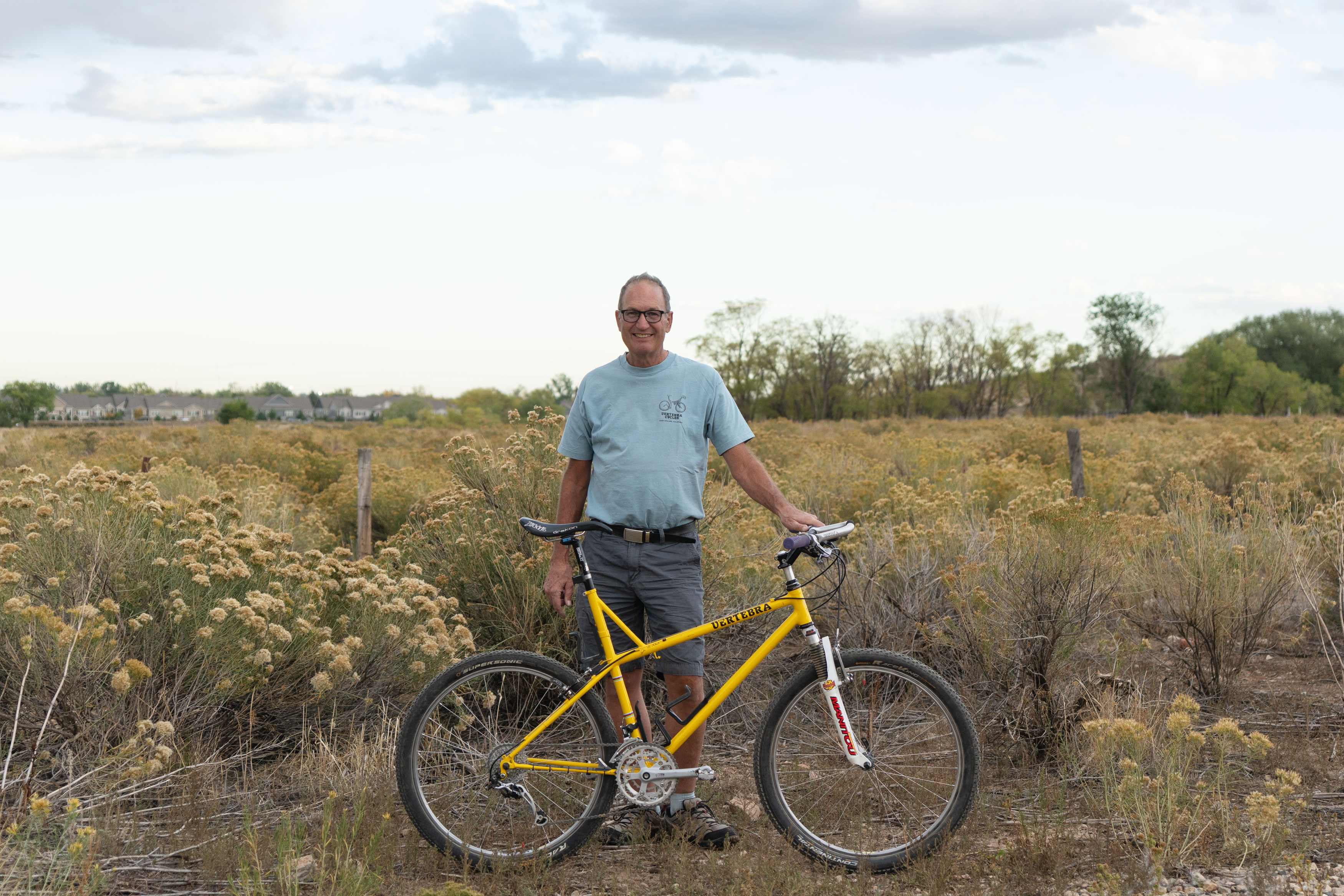
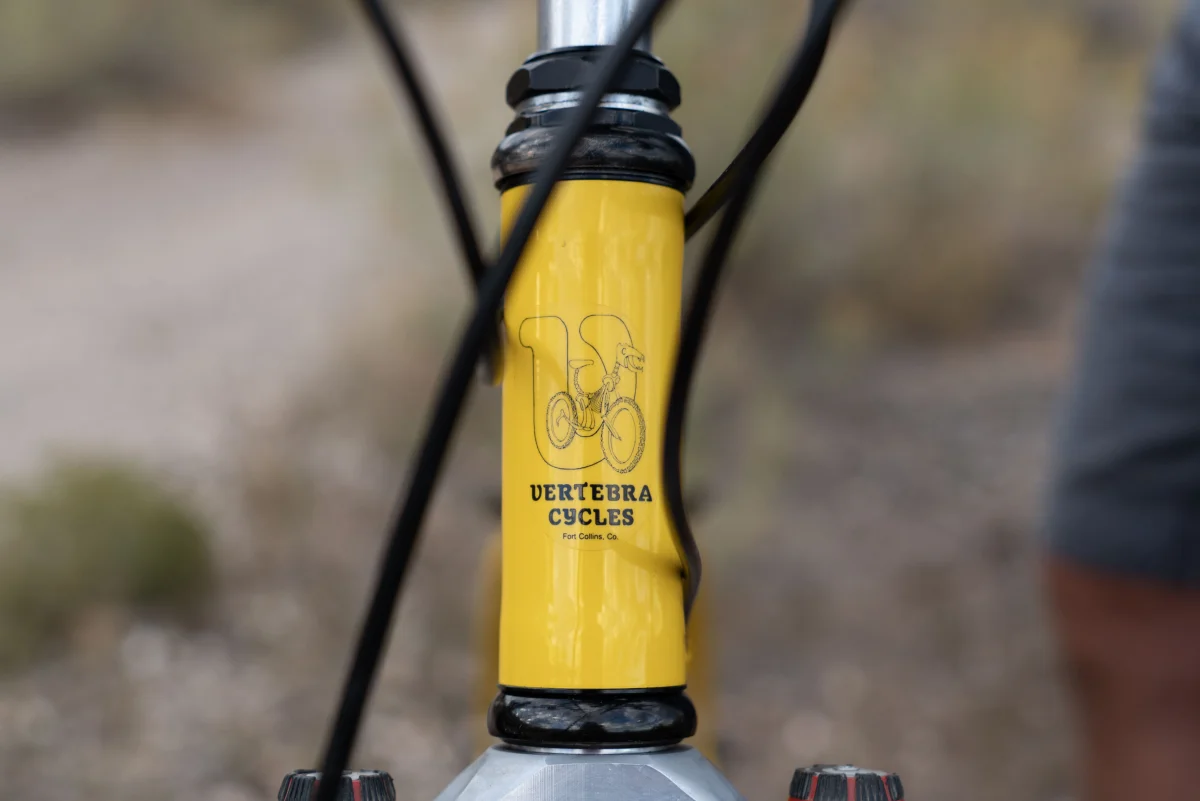
Lebsack is retired and spends plenty of time riding road bikes and 1990s mountain bikes converted into gravel rigs. He has also brought a bright yellow 1989 Vertebra frame back into service after years stored in his garage. For Higgins, learning about that wider body of work has become part of the reward of finding the prototype.
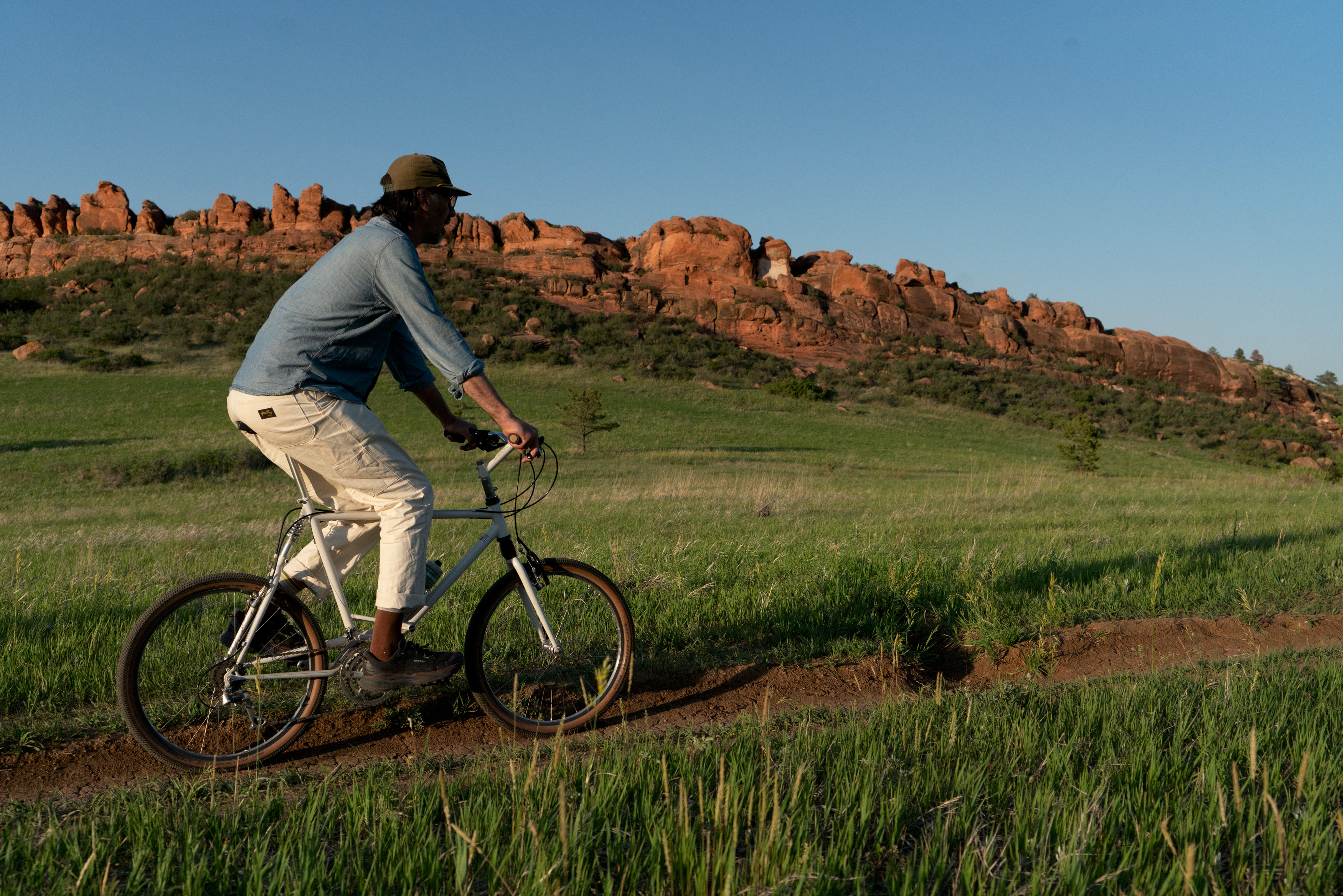
The bike’s route to the alley remains unknown, and Higgins would be glad to hear from anyone who recognizes its last owner. Until that history comes to light, he’ll keep riding the Vertebra prototype and preserving the details that make it a singular piece of Fort Collins mountain-bike history.
Build spec
- Custom hand-built Vertebra Bikes prototype frame, stem and swingarm
- Action-Tec Pro Shock front fork, 44 mm, according to Higgins
- AMP Research rear coil shock; travel unknown
- Shimano Deore XT derailleur
- Shimano Deore XT thumb shifters, 3×6
- Specialized flag crankset
- Sun Chinook 24-inch rims, with a Suntour front hub and Shimano 105 rear hub
- Simworks Fun 3 Bar in chromoly
Readers can submit a bike for Readers’ Rides, including its component details, photos and an Instagram account if they wish.
The original post, Readers’ Rides: Sean’s Vertebra Bikes Full Suspension, appeared on The Radavist.