Cherubim’s Tamahagane All-Road Bike Brings Japanese Steel Craft Into the Modern Era
Built for a film about Japanese steel, Cherubim’s all-road bike pairs hand-shaped chrome lugs with an integrated cockpit and modern components.
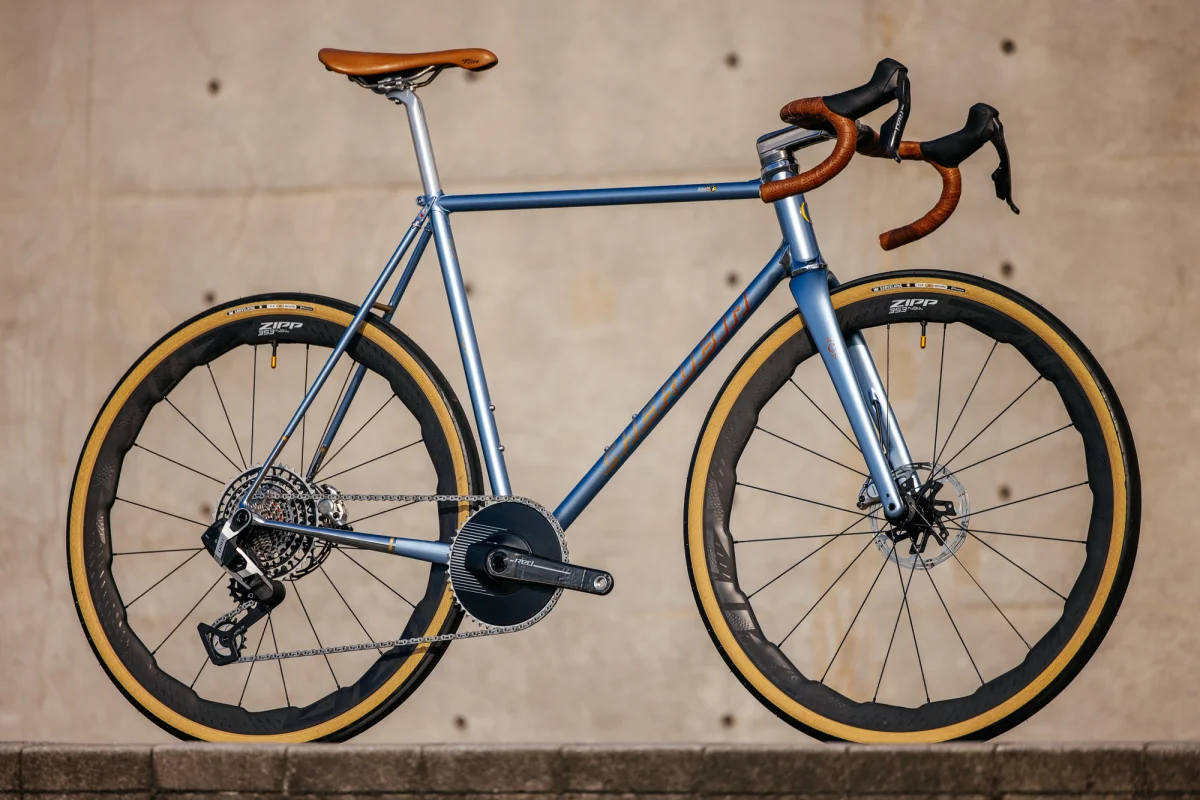
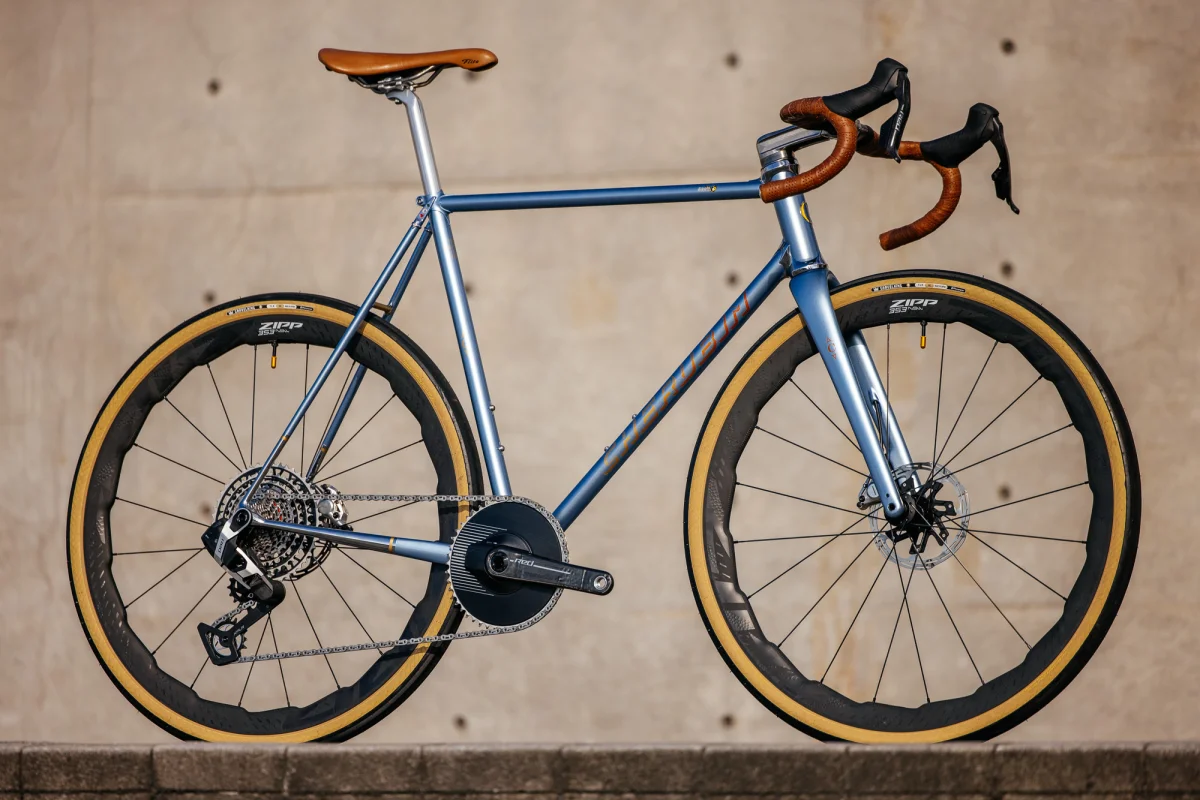
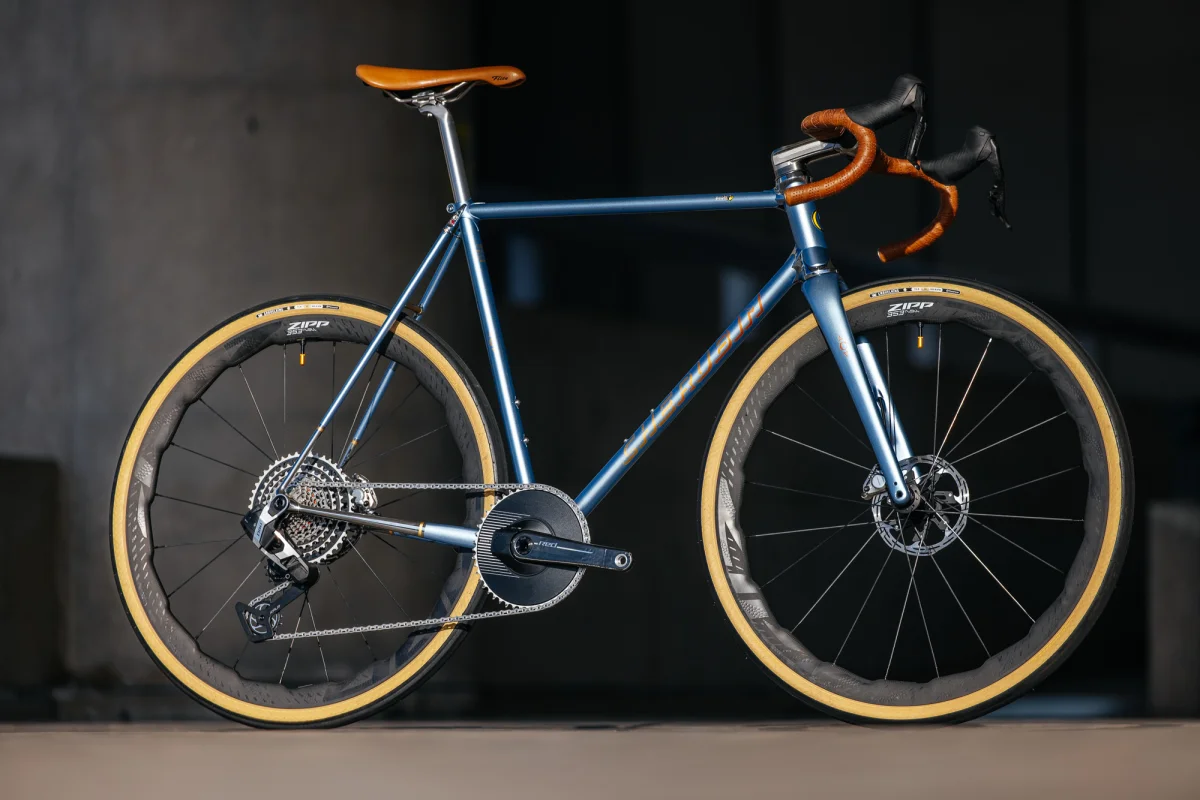
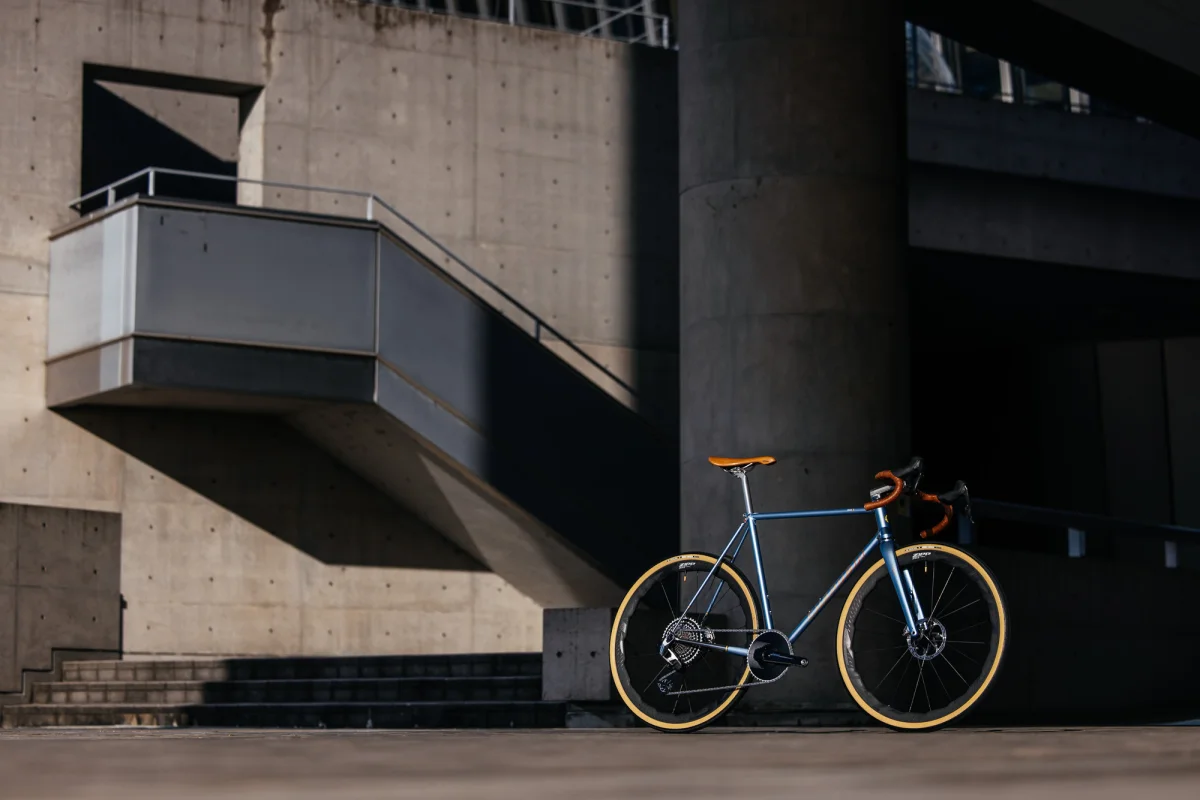
A steel frame can carry a long history of craft while making room for current components. Cherubim’s all-road bike, built for Petor Georgallou’s film Tamahagane, a story of Japanese steel, puts that balance on display. John Watson photographed it at Osaka Culturarium at Tempozan, the waterfront building designed by Tadao Ando, ahead of the first 2026 Bespoked Osaka showcase.
A film about steel, craft and cycling
Bespoked Osaka is the setting for the bike’s first appearance in this coverage, but the project began with Georgallou’s film. Tamahagane brings Japanese mythological lore together with a visual history of steel, connecting material, industry, sport and culture with the contemporary practice of framebuilding. The film premiered at this year’s Bespoked Dresden.
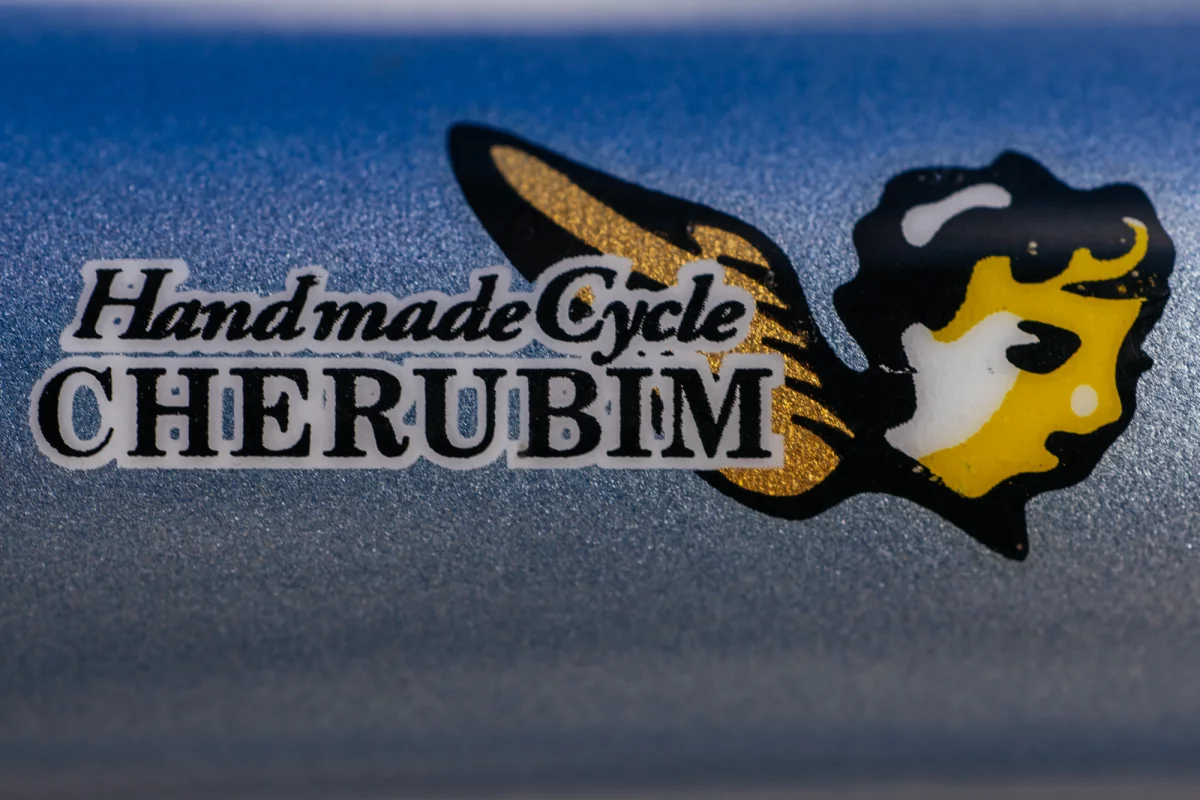
Keirin racing and its demands on steel bicycles form a central thread. The film also follows Cherubim, the Machida-based framebuilding team, as they take this all-road frame from tubing through to its finished form. That pairing gives the bike a role beyond a showcase of components: it connects a particular build to the material and making traditions the film examines.
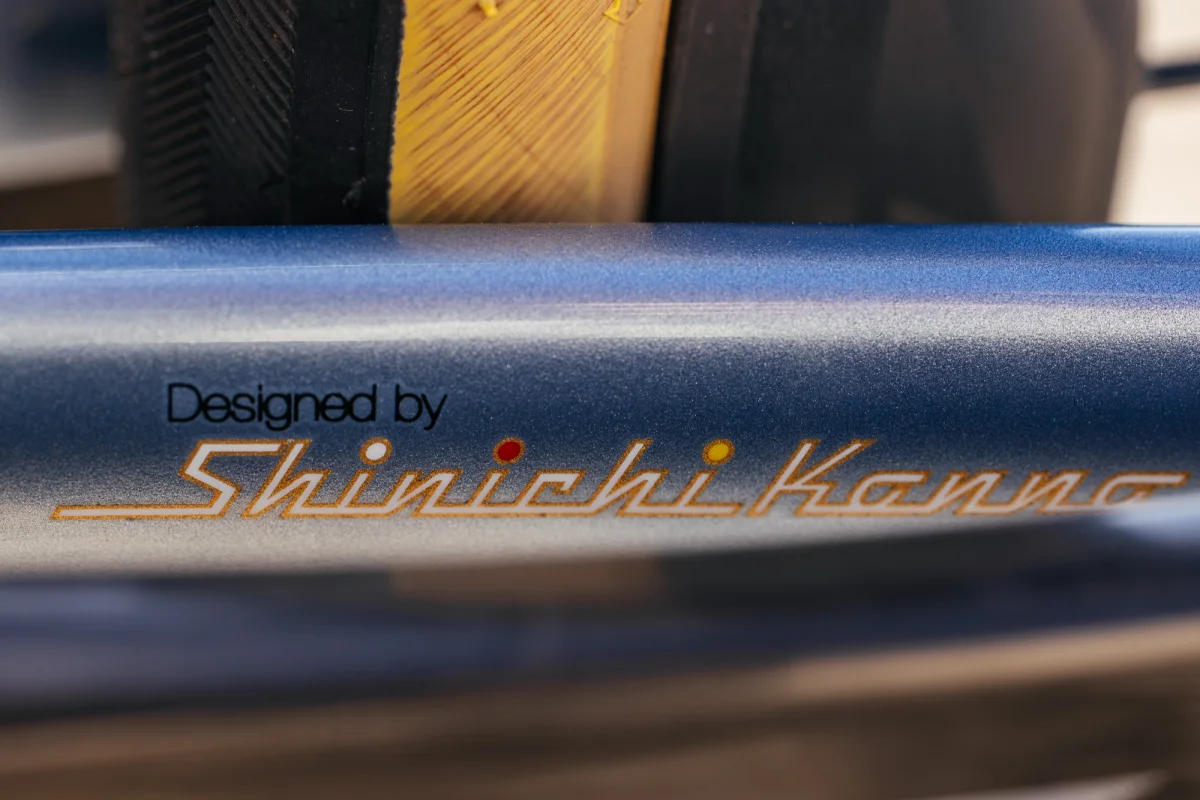
Shinichi Konno led the build. A traditional master NJS builder, Konno is also head of the Tokyo School of Bicycle Design. His work on the project links experience shaped by Keirin frames with the design choices involved in a contemporary all-road bike.
Hand-shaped details, modern standards
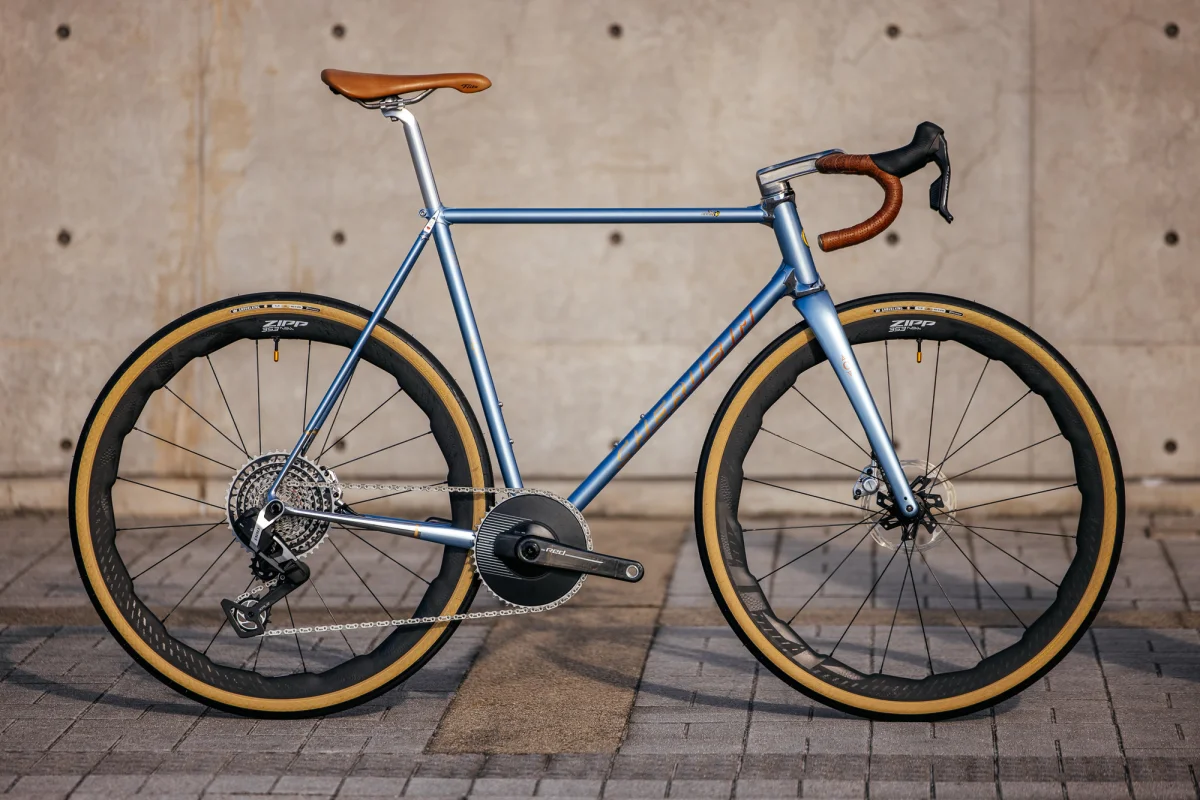
The frame’s design brings Cherubim’s traditional lines and Keisei tubing diameters together with an integrated head tube. That combination creates a demanding fit and finishing task: the head tube must accommodate integrated bearings while still sitting naturally within the frame’s proportions. Cherubim used 3D-printed material to establish the required tolerances, not as a shortcut to finished lugs.
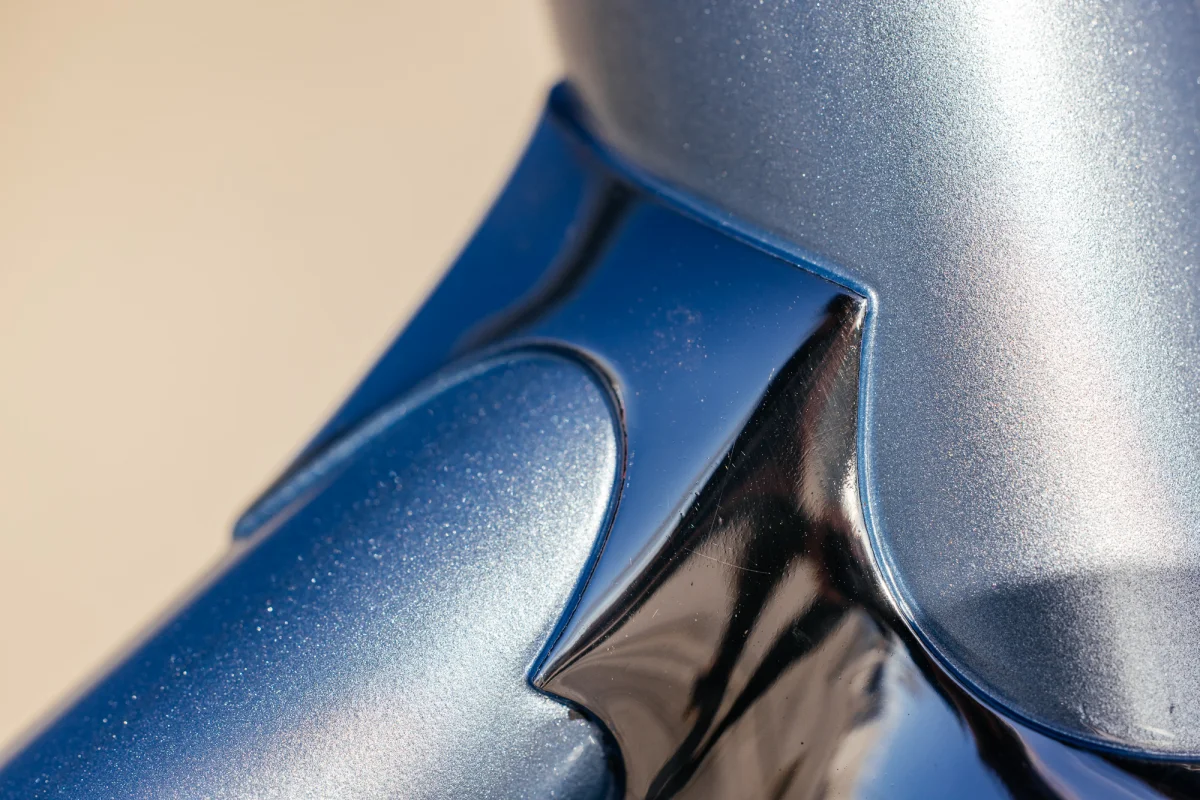
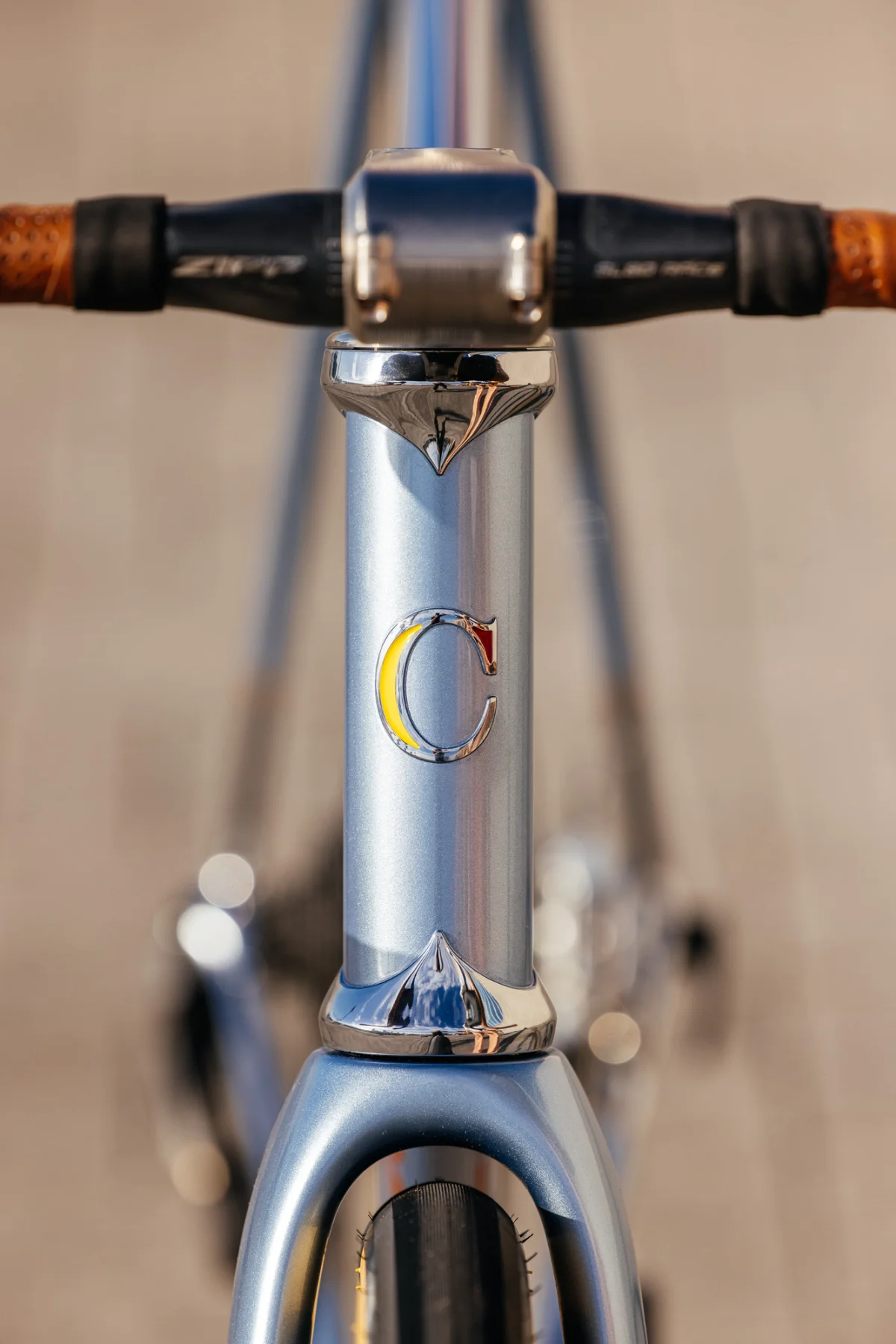
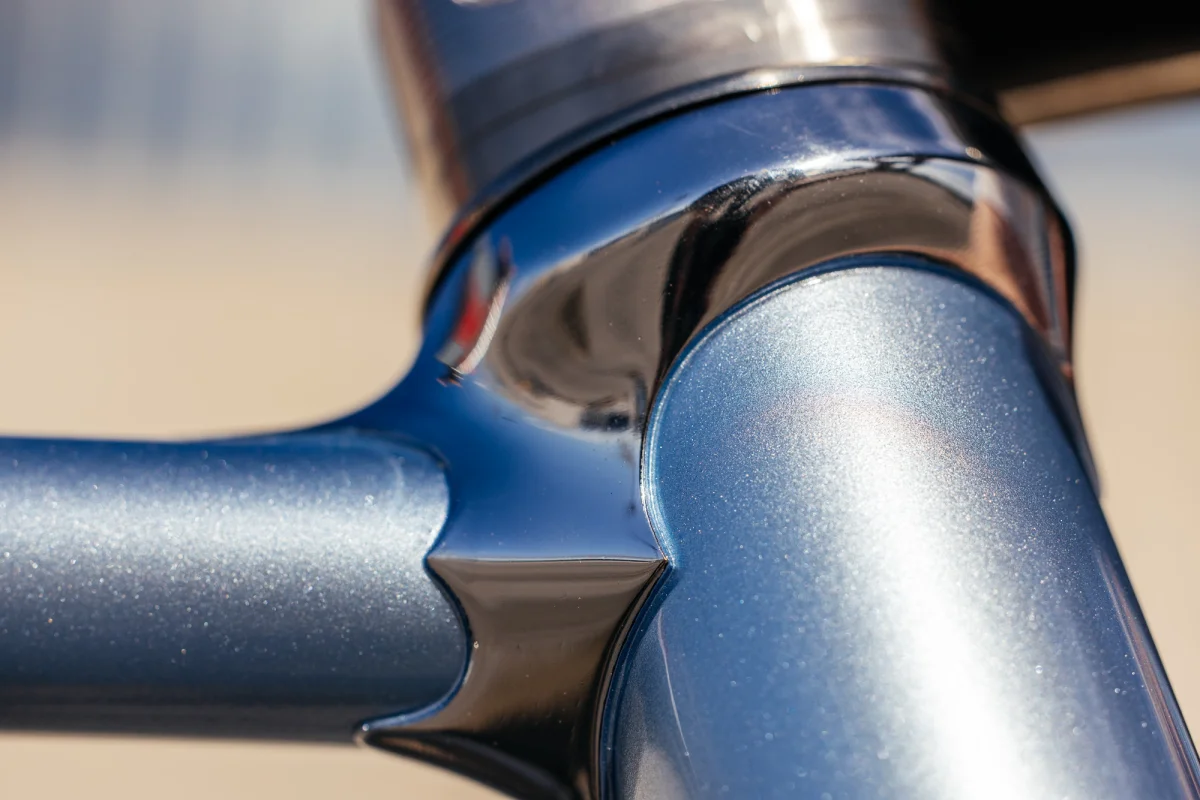
The builders have reservations about the appearance of printed or sintered bicycle parts, even as they recognize what the technology can do for precise interfaces. After using the printed pieces to establish the dimensions, they carved the material by hand into the forms they wanted. The resulting chrome-plated lugs recall Cherubim’s earlier work while framing an integrated cockpit and an Enve carbon all-road fork.
That approach makes the manufacturing choices visible in the finished bike. The technology helps meet the bearing specification; handwork determines the lugs’ final shape and character. It’s a considered division of labor, with modern production supporting the frame’s fit while the builders retain control of its surface and silhouette.
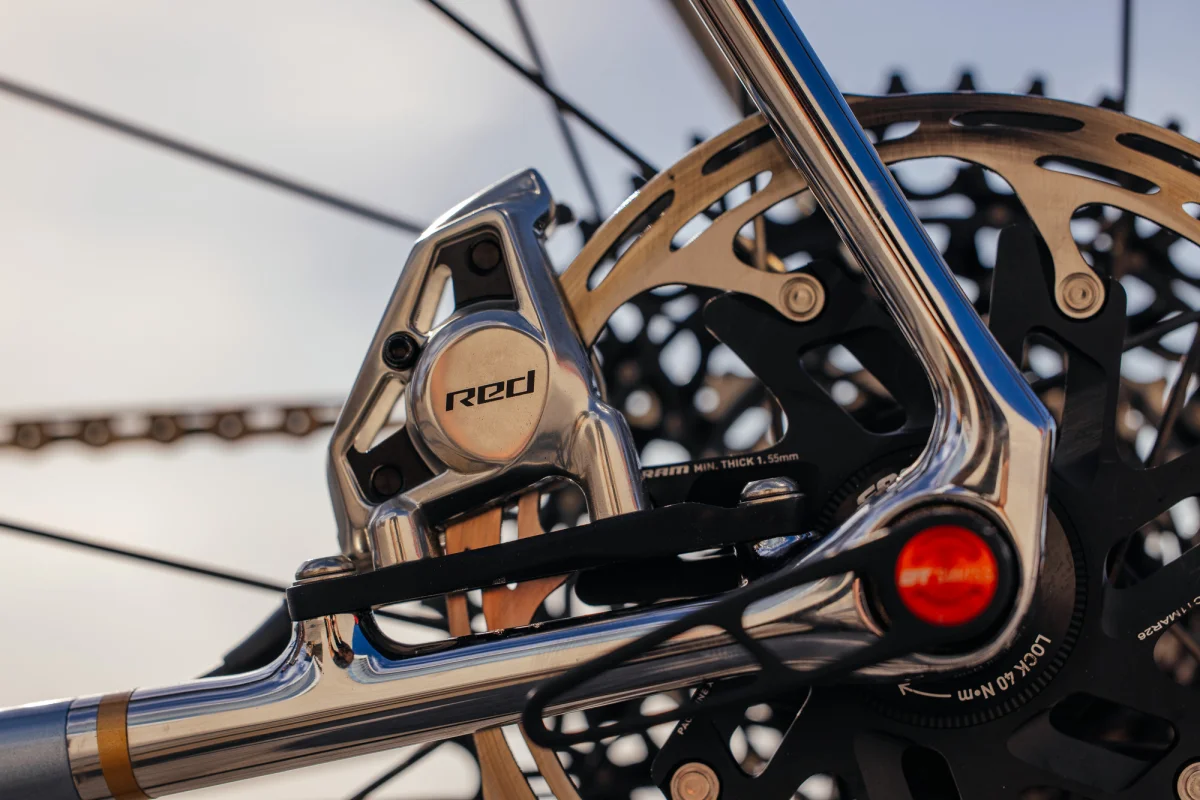
The paint adds another historical reference. Its scheme draws on the Cinelli Supercorsa, reflecting the influence Italian builders have had on Japanese framebuilding over the decades. Cherubim sourced the paint from Italy, carrying that connection into the bike’s finish without obscuring its Japanese origins.
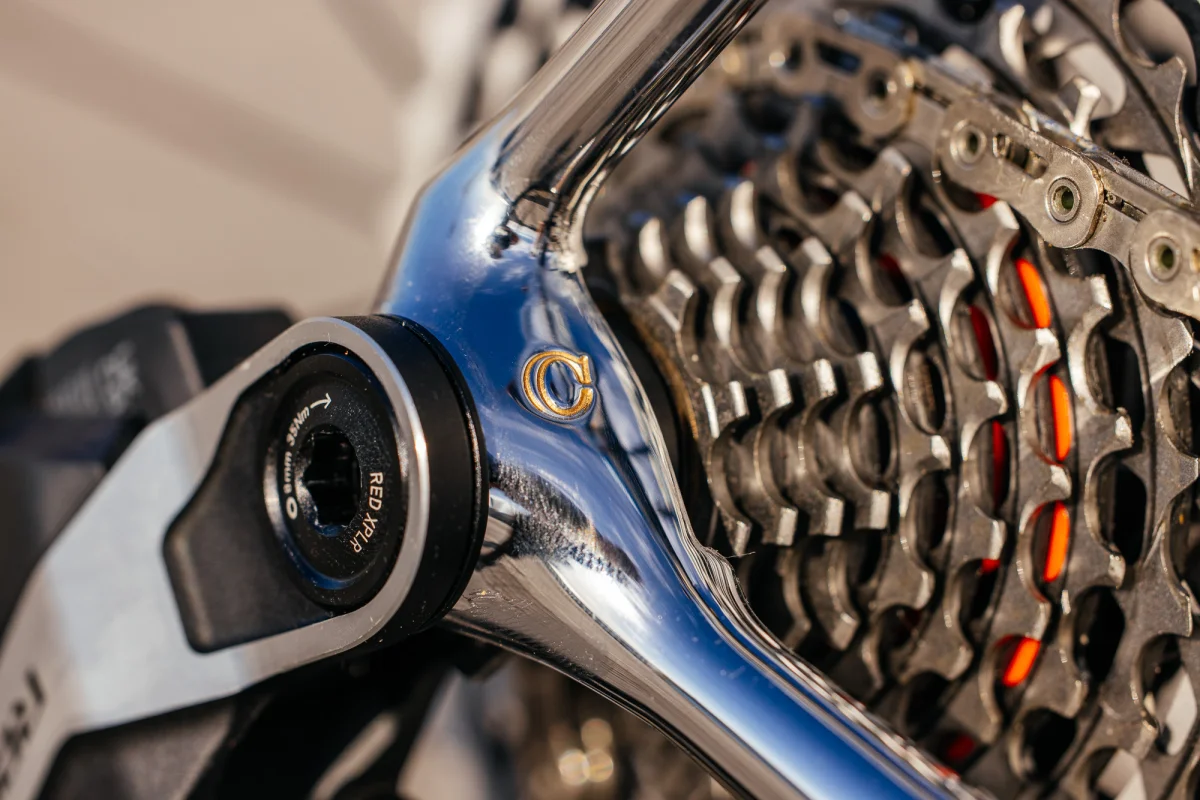
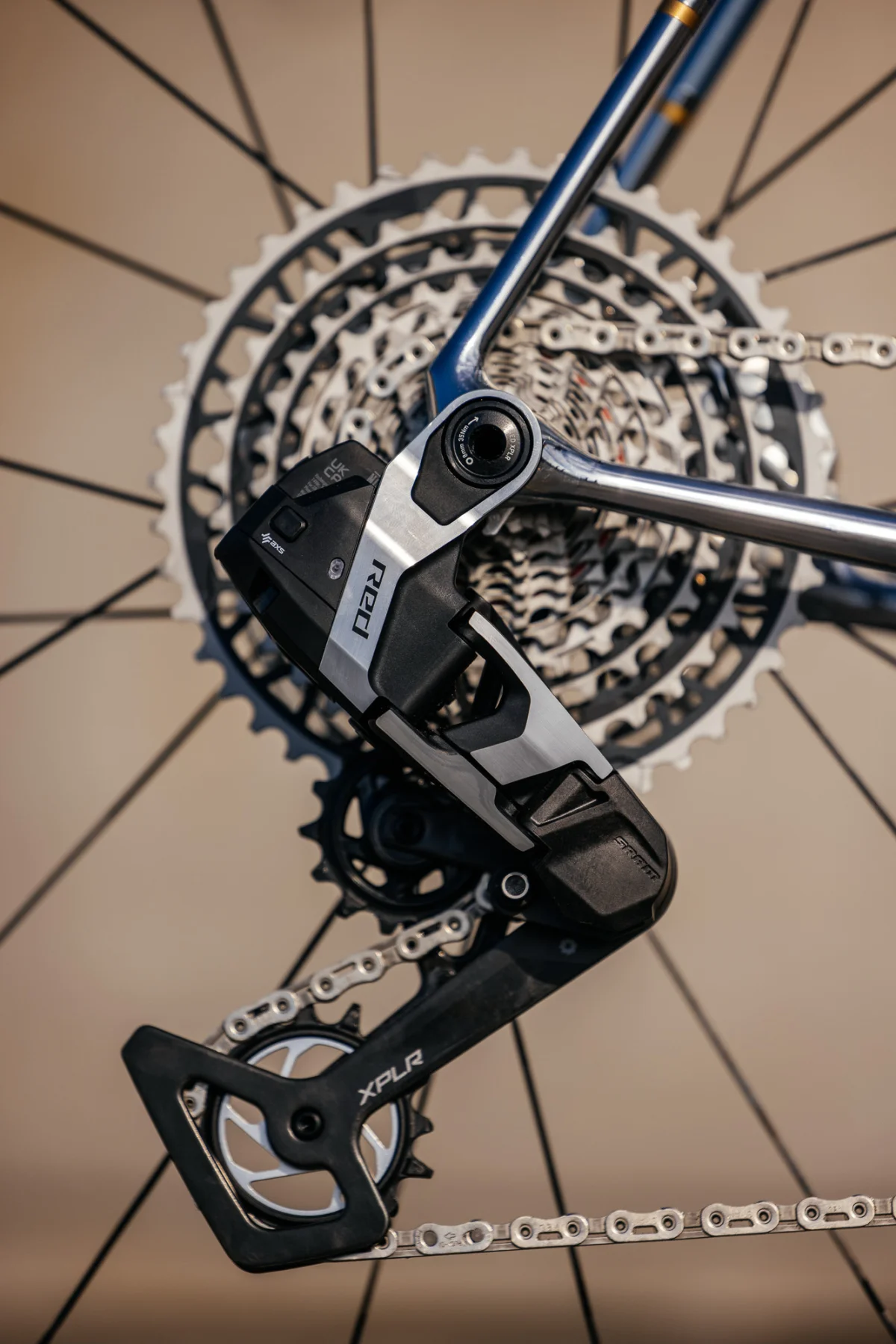
At the rear, Cherubim developed its own UDH dropout design to fit the Full Mount SRAM Red AXS XPLR derailleur. The choice extends the project’s interest in current component standards beyond the head tube. The frame’s traditional material and lines coexist with a dropout built around a modern drivetrain interface.
Machine paths and raw concrete
The bike’s setting offers a second study in how a maker handles material. Osaka Culturarium at Tempozan began as the Suntory Museum and sits beside Osaka Bay. Completed in 1994 to mark Suntory’s 90th anniversary, the building was commissioned by Keizo Saji, then Suntory’s second president and a longtime supporter of Ando’s work.
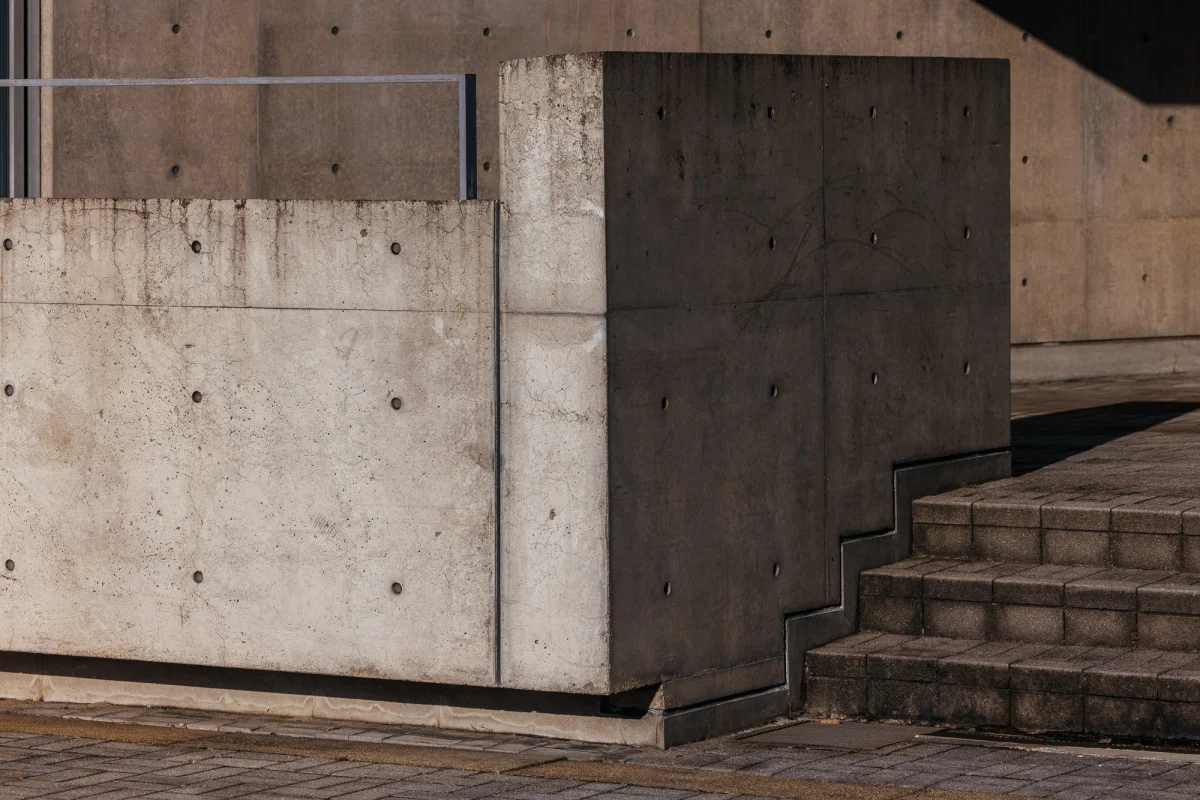
Ando uses concrete to shape the way a building meets light and the senses. Cherubim works with steel, tuning its frames for Keirin racers and other customers. The materials and disciplines differ, but both practices put careful attention to the way a material feels and performs into the visible design. Photographing the bike at the Culturarium makes that shared concern legible without suggesting the two works are made in the same way.
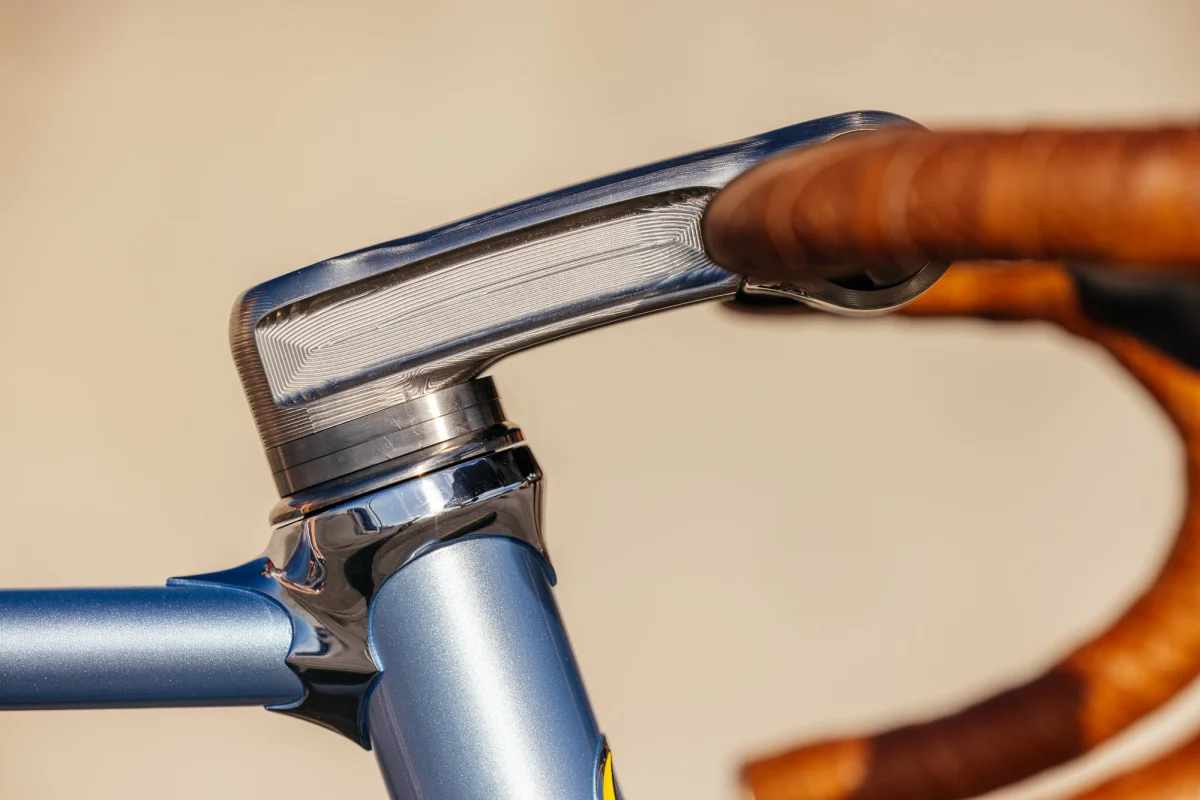
A related exchange appears in the titanium stem by Tom Sturdy of Sturdy Cycles. Ando leaves the marks of concrete formwork and cast-in-place construction visible; Sturdy treats the tool paths left by CNC machining as part of a component’s appearance. After moving from 3D printing to CNC a few years ago, he has leaned into the process’s tightly woven lines, using the traces of fabrication as a design feature.
Sturdy Cycles CNC Titanium Stem
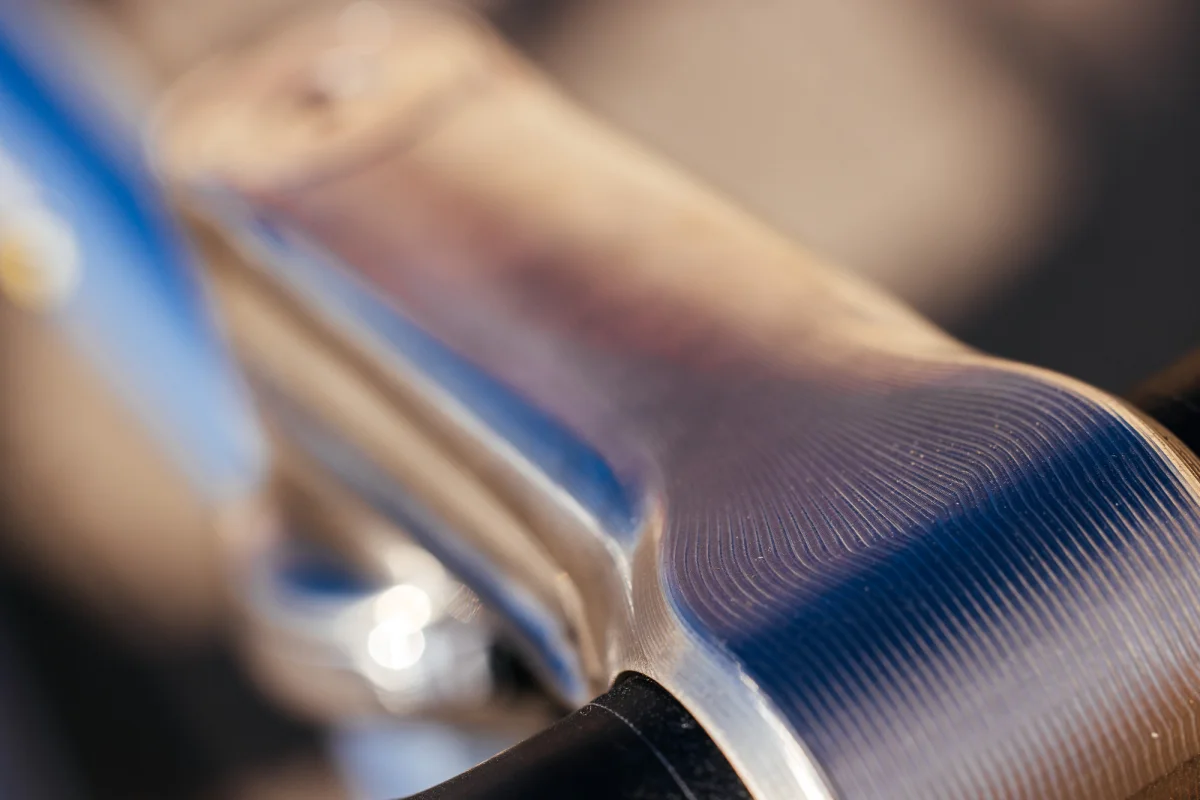
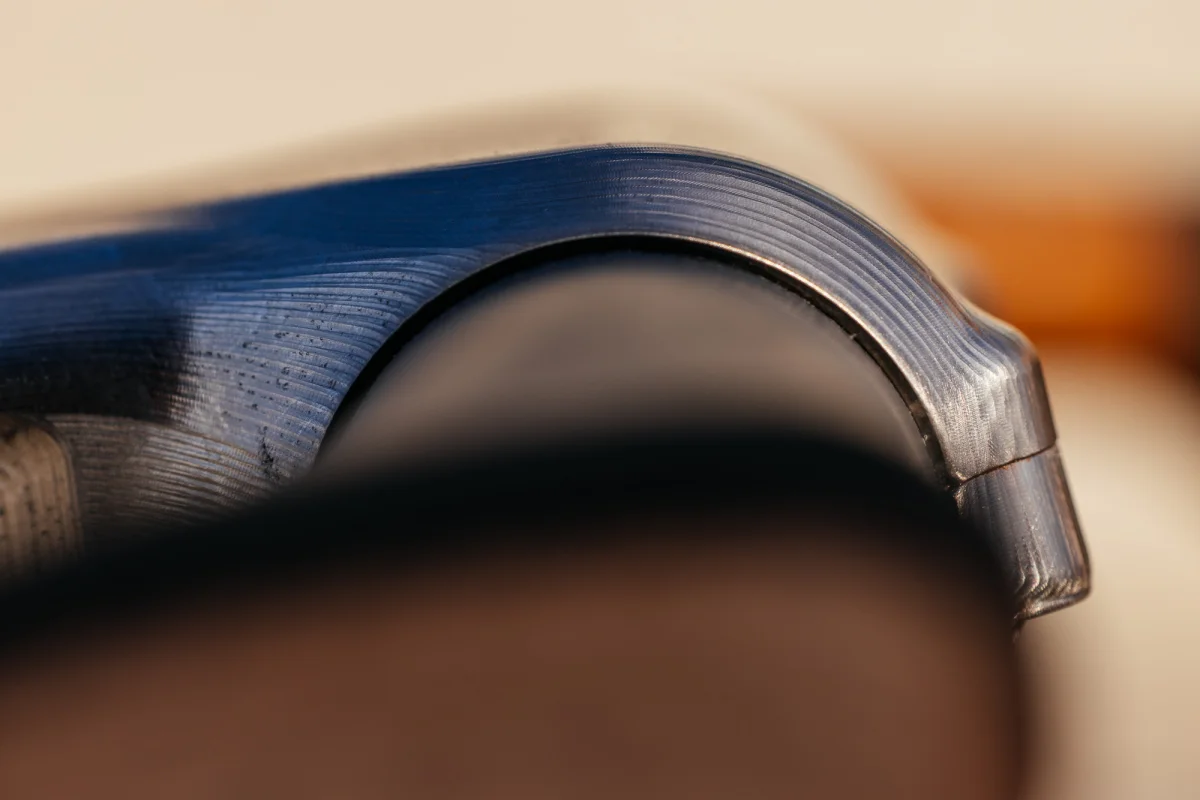
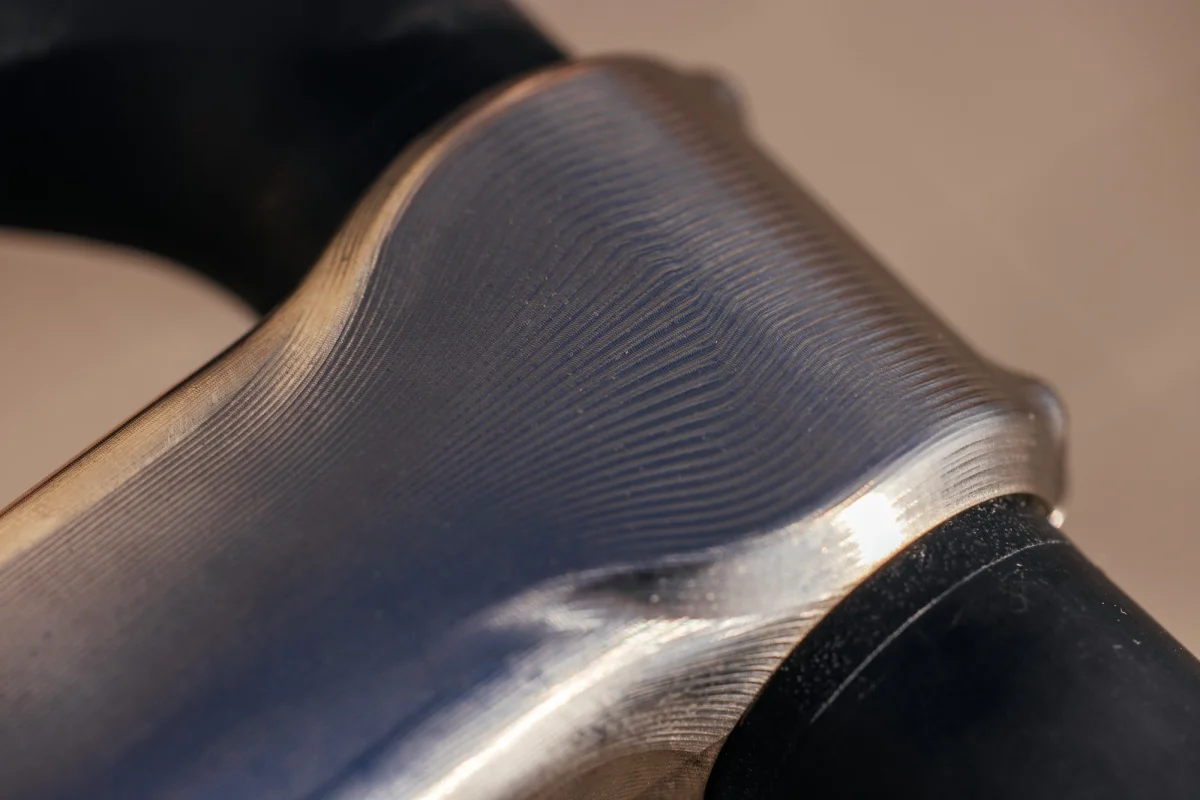
Those machine paths make the fabrication process visible rather than concealing it beneath a polished surface. Sturdy plans to keep developing that visual language across his frames and components as his work with computer-controlled design and machining evolves.
A fitting start in Osaka
For the opening of Bespoked Osaka coverage, the pairing of Cherubim’s steel frame and Ando’s concrete building brings two distinct forms of Japanese making into one frame. The bike’s details carry the story: Keisei tubing and chrome-plated lugs, shaped by hand; an integrated front end and carbon fork; and a custom dropout designed around current componentry. Its design suggests that heritage can remain active when builders keep adapting their methods and standards.