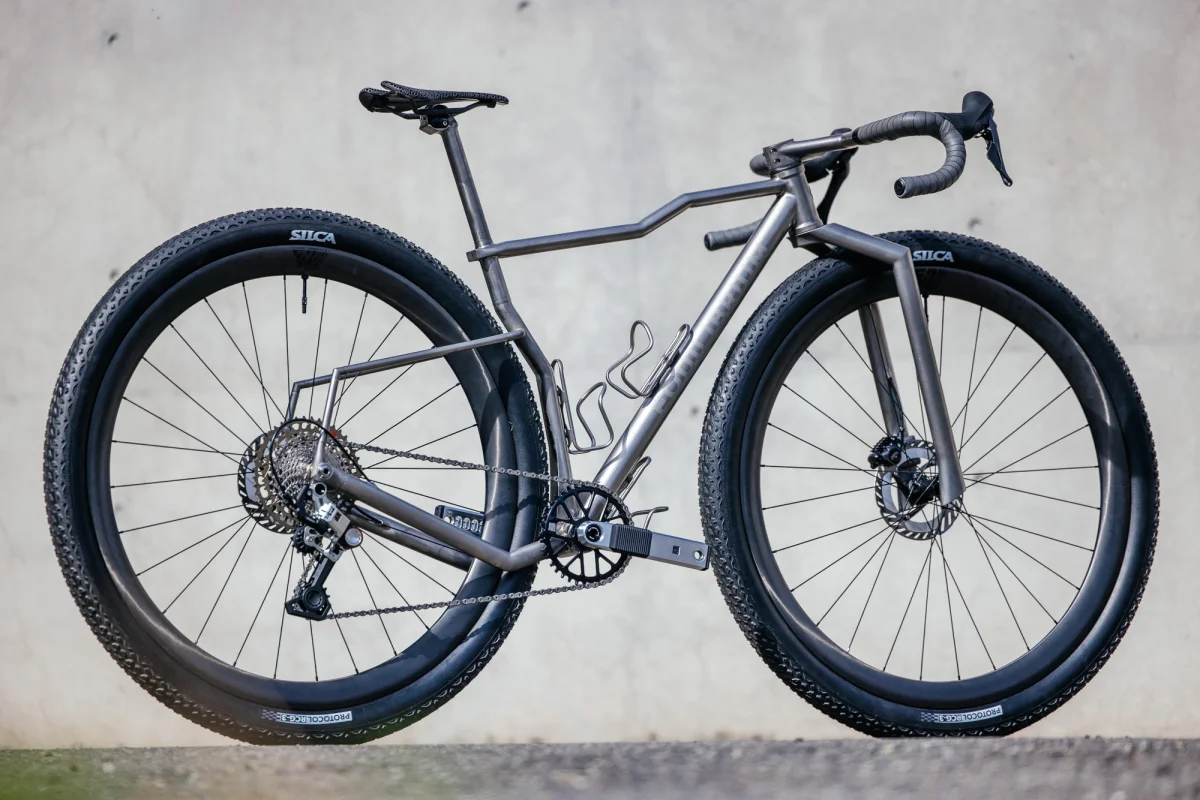
Gravel Bikes and the Debate Over Cyclocross Tire Limits
A push to widen cyclocross tire limits could make races easier to enter with gravel bikes, but it raises questions about the sport’s identity and equipment standards.
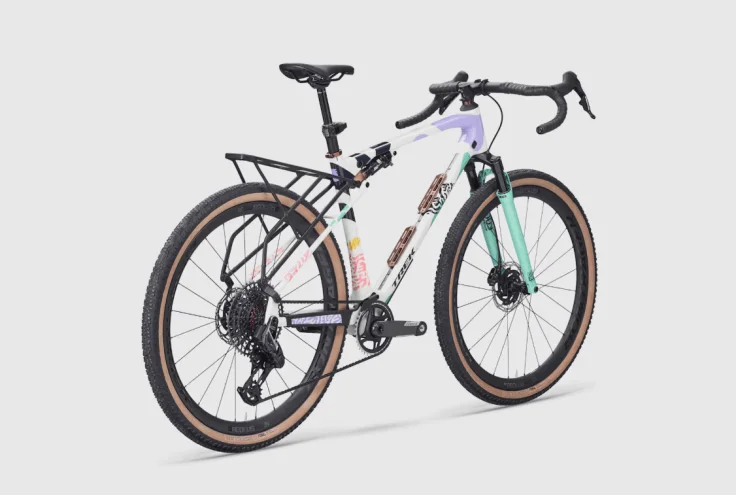
Gravel bikes have made off-road cycling more accessible, but their growing influence is putting pressure on the distinctions between disciplines. The latest flashpoint is cyclocross: should its 33mm tire limit change so more riders can use the gravel bikes and wheels they already own? The case for convenience is clear. The case for changing the sport’s equipment rules is less so.

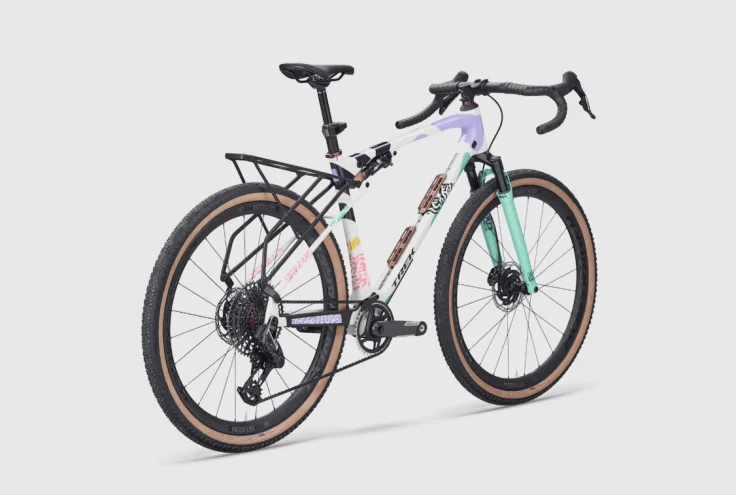
Gravel’s appeal rests partly on a familiar idea: one bicycle can handle varied surfaces, carry gear and accommodate wider tires. Touring bikes offered much of that versatility long before “gravel bike” became a category. The newer label has helped build a distinct market, but it has also blurred boundaries between road riding, mountain biking, gravel events and cyclocross.

That overlap is now prompting questions about whether cyclocross should adjust its tire limit to suit equipment developed for gravel. A recent discussion of the Gravel/Cyclocross Inversion raised the issue, and a Cycling Weekly report asked whether the sport should move beyond 33mm tires.
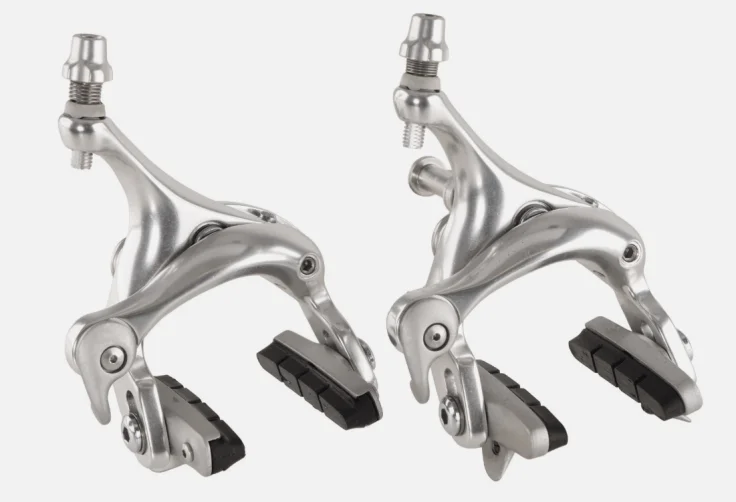
The central argument is practical. The source report says that modern gravel wheels can be too wide to fit the narrower tires used in cyclocross. With disc brakes now common, riders may find that a gravel bike suitable for a local cross race still needs another wheelset to meet the limit at a UCI event. For athletes with limited budgets, that extra purchase can be a real barrier.
But equipment overlap doesn’t settle the question. Cyclocross has its own format: racing on a circuit that mixes surfaces and obstacles, using a road-adjacent bicycle. It isn’t simply gravel racing on a shorter course, nor a branch of mountain biking. Changing a defining equipment limit may make entry more convenient, while also shifting what the race asks of riders and their bikes.

Who feels the limit?
The 33mm restriction doesn’t apply identically at every event. The source notes that amateur categories in the UK and US often, though not always, have looser rules; some events allow any bicycle, including mountain bikes. Riders need to check the event details before competing. That flexibility already gives local organizers room to welcome a broad range of participants without changing the standard for every race.
The author’s own experience offers a deliberately unglamorous view of enforcement: after years of struggling in cyclocross, nobody measured their tires, and the only race interactions came when officials pulled them after they had been lapped. That anecdote captures how distant elite equipment debates can feel to many participants. For a rider joining a local field, showing up and completing the course may matter more than whether the tires are precisely within a limit.

Elite racing has a different purpose. Athletes competing at a high level are expected to follow the equipment rules for their events, even when a rule seems arbitrary or outdated. The source argues that professional riders generally use the equipment available to them and focus on racing; much of the public pressure for new technology comes from fans who also ride and would like their own gear to work across more situations.
That distinction matters when weighing participation claims. Bill Schieken, founder of CX Hairs and promoter for DCCX and the Pan-American Cyclocross Championships, says participant numbers fall sharply in races with tire-width requirements. He believes the limits may keep elite fields smaller. The author questions whether the tire rule is the main cause, pointing out that elite fields are naturally smaller than broad amateur events and that riders have many other opportunities to take part in mass-start cycling.

Road bikes in the mix
One point in favor of a wider limit comes from riders who now use wider tires on road bikes. Ortenblad says 33mm tires feel dated alongside the 32mm tires he rides on the road, and suggests that 35mm or 38mm could make cross faster and more enjoyable. He doesn’t argue for the much wider tires associated with some gravel setups.
That comparison can support another reading: if a road bike already fits a 32mm tire, it may be a more direct route into cyclocross than a gravel bike with wheels too wide for the permitted tire. The question, then, isn’t only whether gravel bikes should be accommodated. It’s also whether current limits make sense for the road-adjacent bikes that have long been central to cross.

There’s also the cost argument. A gravel racer or privateer might own a suitable bike but need a separate wheelset for a UCI cyclocross race. The source quotes the view that a modest increase could make it easier for those riders to enter using their existing equipment. Gregory argues that amateur categories shouldn’t have a tire-width rule and doubts that professional riders would choose extremely wide tires, suggesting 38mm as a plausible upper choice for some.
The rebuttal is that a second wheelset isn’t the only option. The author suggests that used cyclocross bikes with cantilever brakes can cost less than a carbon wheelset, and argues that disc brakes aren’t essential in a sport where riders rarely need to stop. That’s a pointed, personal take rather than a cost comparison backed by prices, but it highlights a broader choice: adapt existing equipment, find a dedicated cross bike, or change the limit.
Tradition, access and the next debate
Ortenblad also raises a commercial possibility: gravel grew partly because the industry could sell a new category of bikes and equipment, and wider cross tires might prompt fresh tire sales. The author is skeptical, noting that racers already buy new tires regularly. Either way, sales potential shouldn’t decide what makes a good race format.
The strongest case for keeping a clear limit is that each discipline needs characteristics riders can recognize. A sport can evolve, but changing its equipment standards to accommodate a neighboring category risks making the distinction harder to see. The strongest case for relaxing the limit is that riders and wheels have changed, and an old specification may now add cost without improving the racing experience.
For now, the practical answer depends on the event: check its requirements, then choose equipment that fits. The larger debate deserves more than an assumption that every gravel trend should set the standard for other racing. Cyclocross can welcome new riders while still deciding for itself what kind of course, bike and challenge define the sport.