Meh-Roica Bike Contest Tests the Limits of Its Rules
Ownership, tire width and a noon deadline narrow the field in a vintage bike contest, while one drilled crank makes a strong case for gloriously odd ingenuity.
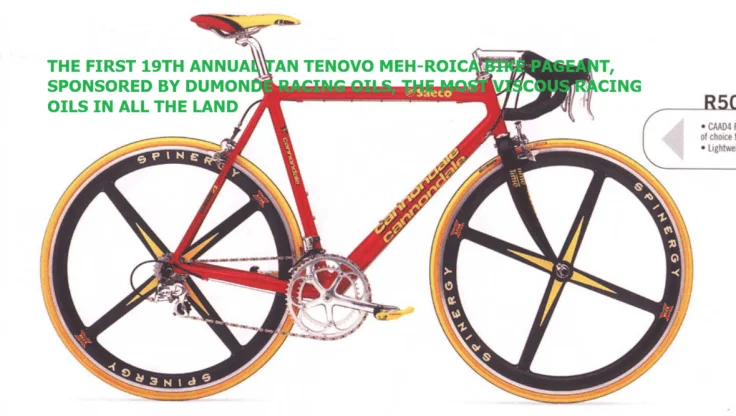
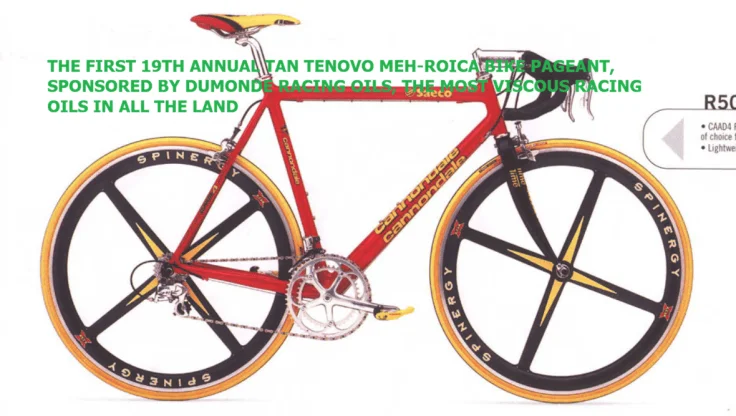
The hardest part of a vintage bike contest may be deciding what counts. A triple crank can hide in a photo, an integrated shifter can invite interpretation, and a beautifully eligible bike can arrive seven minutes too late. The Great Tan Tenovo Meh-roica Bike Pageantry Pageant has turned those details into its own test of judgment.
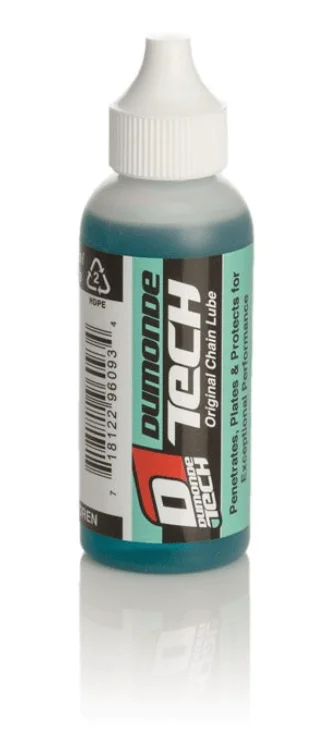
The prize is bicycle lubricant from Dumonde Tech, introduced with more than a little mock ceremony. The contest’s rules, though, are doing real work: an entry must be the rider’s own bike, the tire width must be 25mm or less, and submissions had to arrive by noon. Each restriction rules out a different kind of tempting exception.
A strong case, with one rule in the way
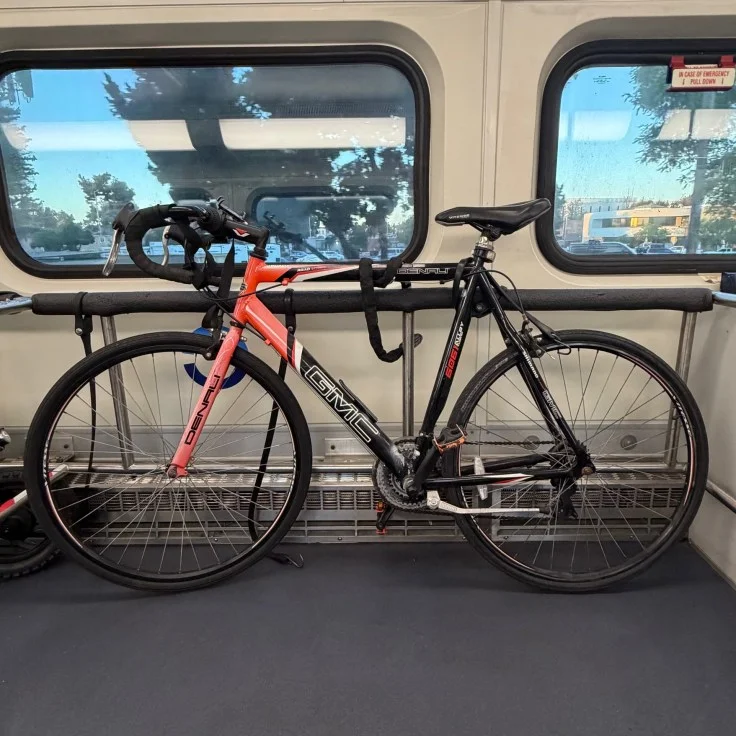
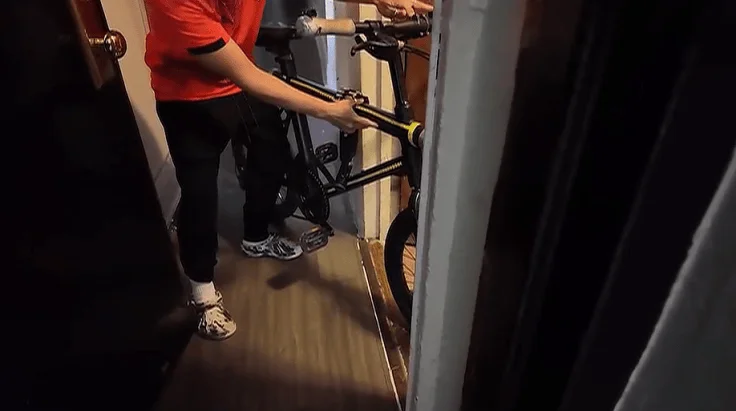
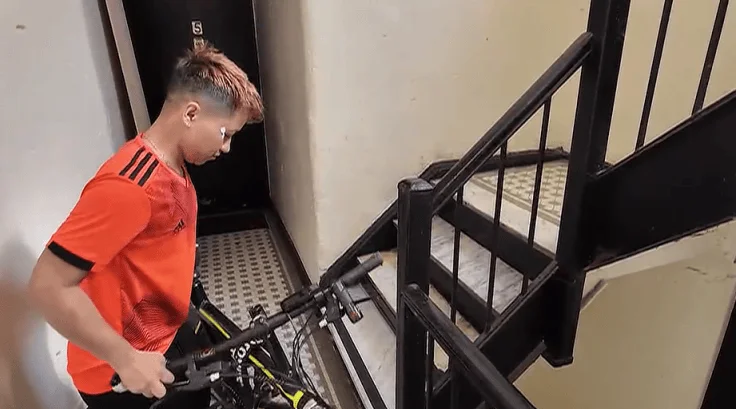
One submission nearly made the “Nah” pile look premature. The writer’s case was persuasive: the bike has a triple crank, its shifters are built into the handlebars, and its owner uses it regularly for commuting. The entrant argued that daily use is especially good evidence of a vintage performance bike’s lasting value, even when its original purpose looks narrow by today’s standards.

There was a practical reason the photo wasn’t taken from the drive side: the entrant wanted to show the kickstand. And the shifter question is a fair one. If “integrated” means incorporated into the handlebars, the setup seems to fit. But ownership isn’t a matter of interpretation. The entrant didn’t own the bike, so it couldn’t qualify for the lubricant.

That’s the awkward part of a contest with specific rules: a good argument can make an entry more interesting without making it eligible. The distinction keeps the judging consistent, even when it means passing over a bike that plainly gets used and appreciated.

Three bikes, two catches
Another rider sent in three bikes. The rules hadn’t clearly addressed multiple-bike submissions, and two might have been an open question. Three made the decision harder, particularly because the bikes were compelling. Two appeared to land in the contest’s intended range. The third ran tires with a nominal width above the 25mm limit, which put it out of contention.

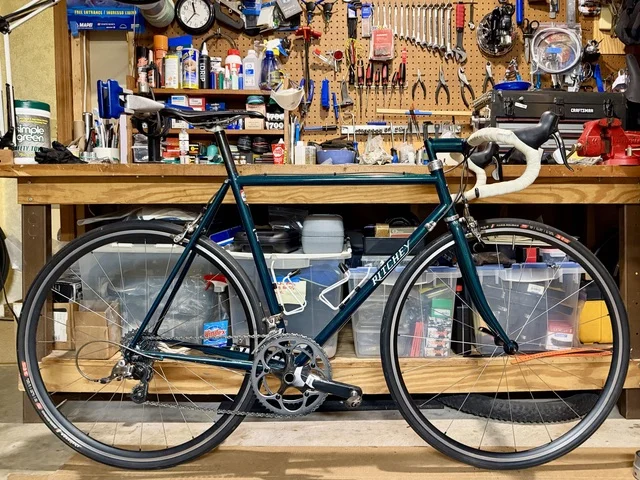

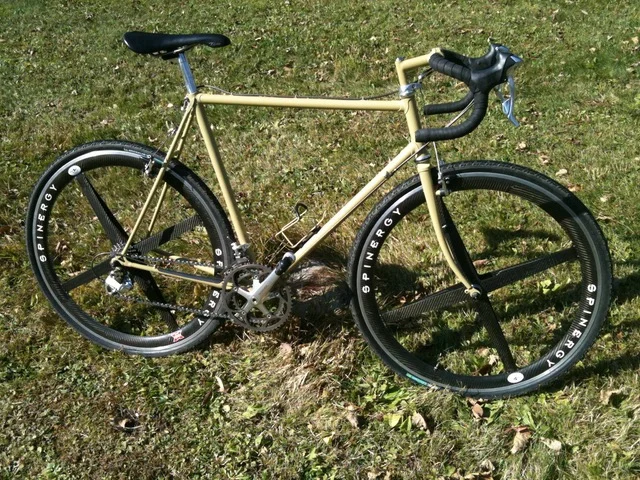
The other two were close enough to make an exception tempting. Then came the timestamp: Friday, Oct. 16, at 12:07 p.m. The deadline was noon. Seven minutes is a small slice of an afternoon, but a deadline only works if it means the same thing for every entry. The late submission couldn’t win.
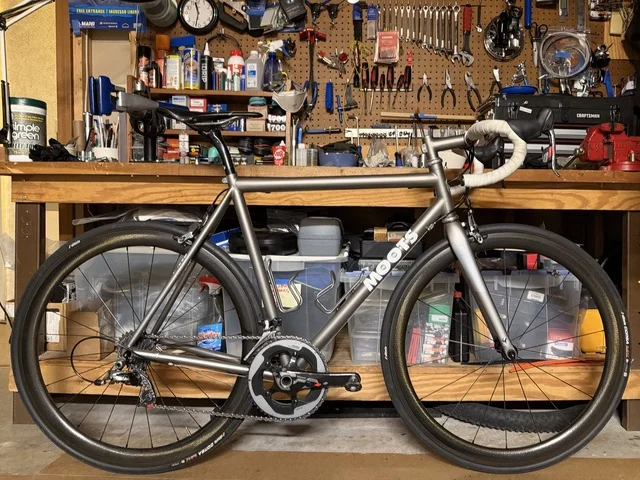
There’s an extra comic wrinkle in denying the prize to someone with several attractive bikes, including a Moots. The contest is about awarding lubricant, after all, and the writer wonders whether a rider with such a stable really needs it. That’s a joke, not a judging criterion; the clock alone settled the matter.
Close clearance, clear limits
Several other entries tested the tire rule from the margins. One looked close, then turned out to exceed the 25mm nominal-width maximum. The writer gives the 105 brakes credit for their clearance, but braking clearance doesn’t change the stated tire limit. It was a good-looking submission that still missed the specification.
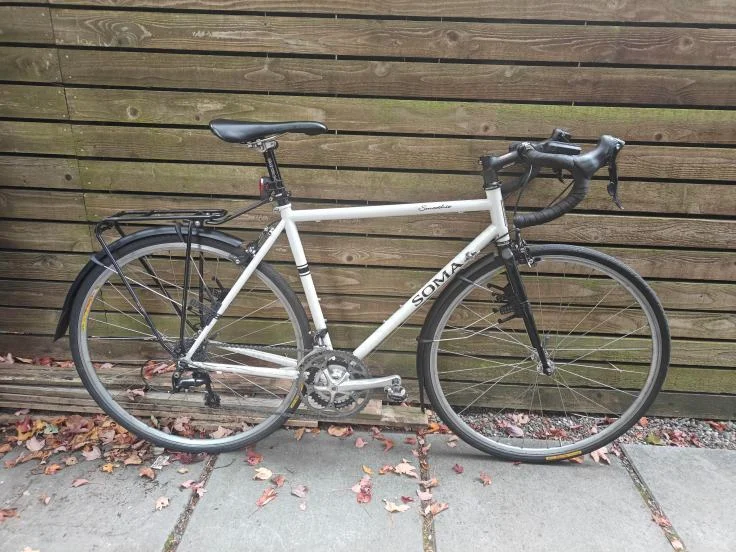
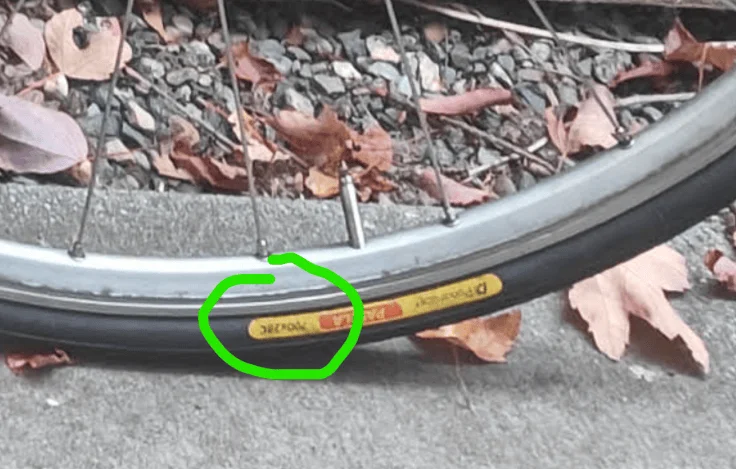
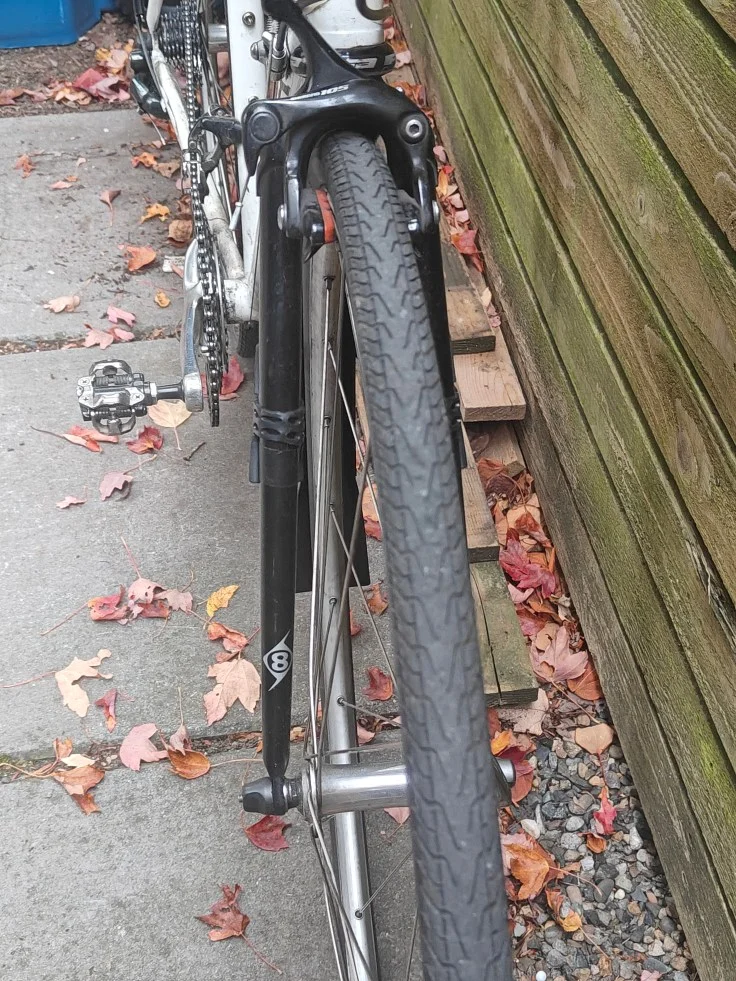
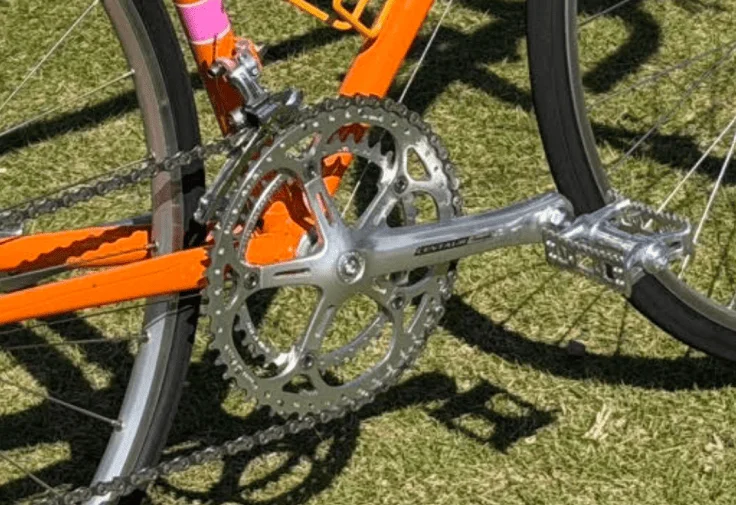
Another contender may fit. The frame first seemed too old, though the writer thinks it could be from 1990. That uncertainty matters: the source doesn’t establish the frame’s year, and the entry’s eligibility hinges on whether it falls inside the contest’s era. What’s immediately striking is the crank.
In praise of an absurd crank
Rather than fitting a lighter Record crank and bottom bracket, the builder drilled out a Centaur crank. The conventional route would make sense. The drilled one has a different appeal: it’s an extravagant bit of work whose charm comes partly from being unnecessary. The writer is so taken with it that he’s considering drilling the crank on his own Meh-roica bike, with the aim of bringing its weight down toward a double-digit figure.
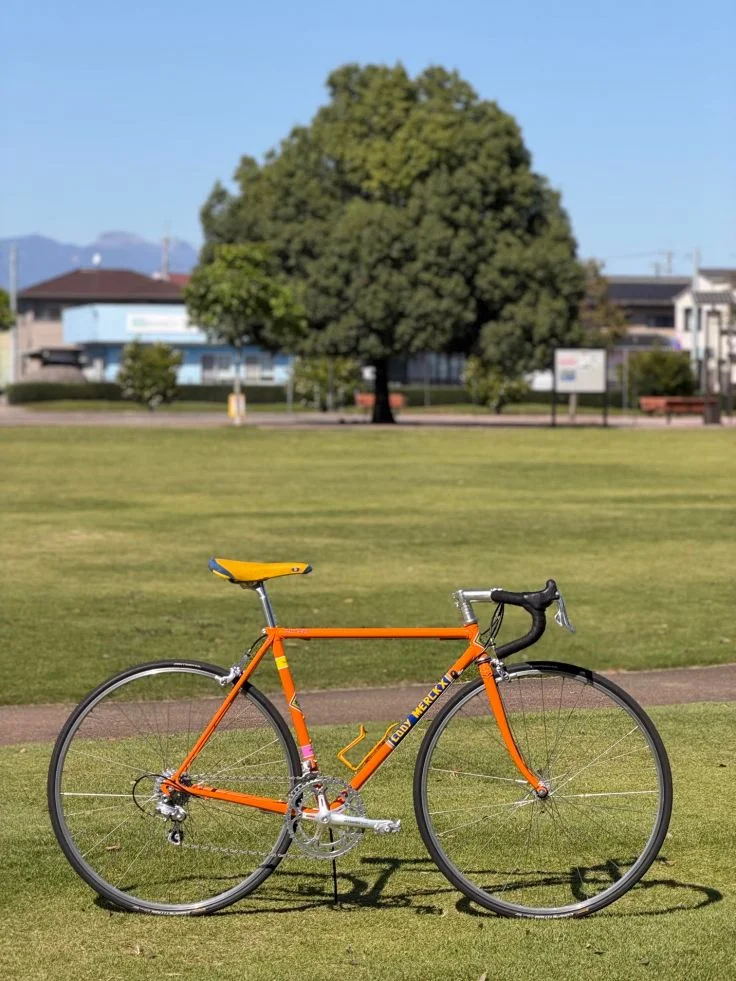
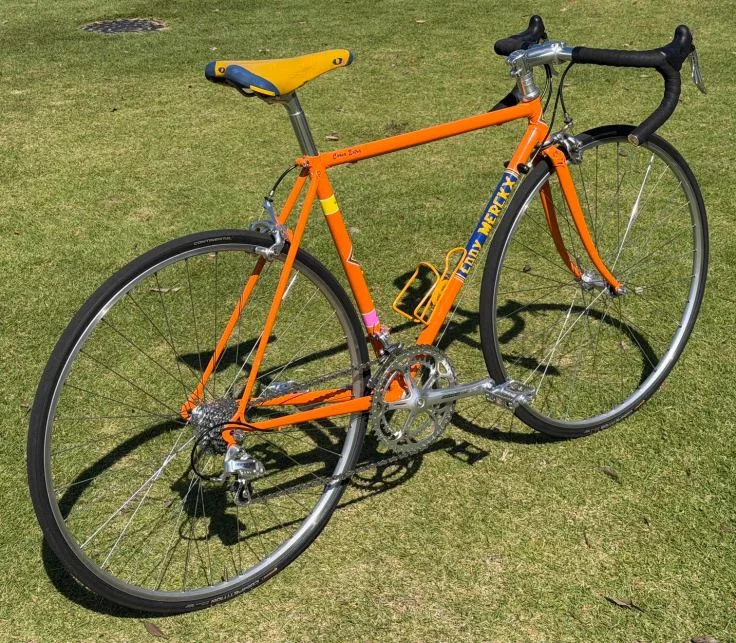

Getting back on that bike might help break the tie. The writer says he hasn’t ridden it since the leaves changed. His current ride sits across the contest’s chronological boundaries: its frame is too old, while its drivetrain is too new. Still, the mix points to something worth celebrating. Road bikes can often be assembled from parts spanning roughly 40 years without elaborate workarounds.


The winner remains undecided. The strongest entries have made the job harder in useful ways: one shows a classic bike still earning weekday miles, another pairs eligibility with an eccentric component choice, and several reveal how much a few millimeters or minutes can matter. For now, the crank is the image that lingers. The rules will decide who qualifies; a ride may decide who gets the prize.