A Sticking Brake Lever Leads to a Retro Shift Fix on a GT Bike
A rear brake lever pivot kept slipping out on a GT test bike. Replacing its integrated shifter with Shimano 7-speed thumbshifters restored shifting on the 8-speed drivetrain.
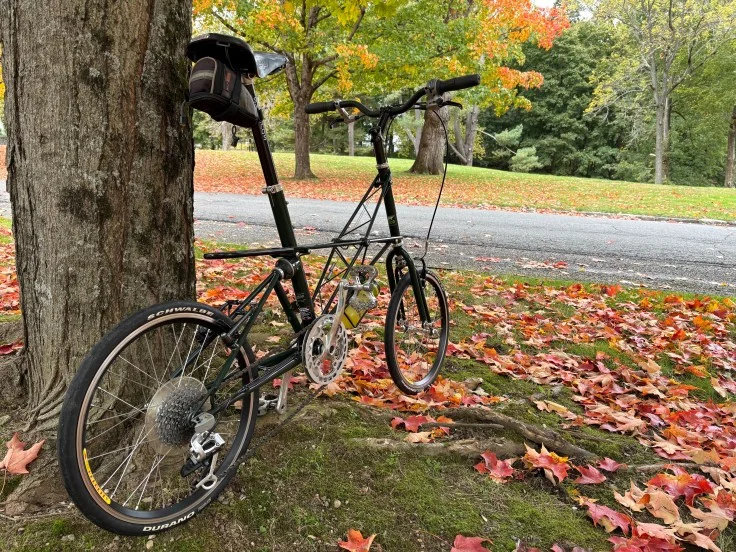
A loose rear brake lever pivot turned a rideable GT test bike into a small repair puzzle. The fix was already in the parts stash: Shimano 7-speed thumbshifters, which can index an 8-speed drivetrain thanks to an extra detent. That compatibility detail made it possible to restore shifting without buying a new drivetrain. The swap kept the older bike running with parts on hand and avoided replacing its integrated shifter and brake lever.

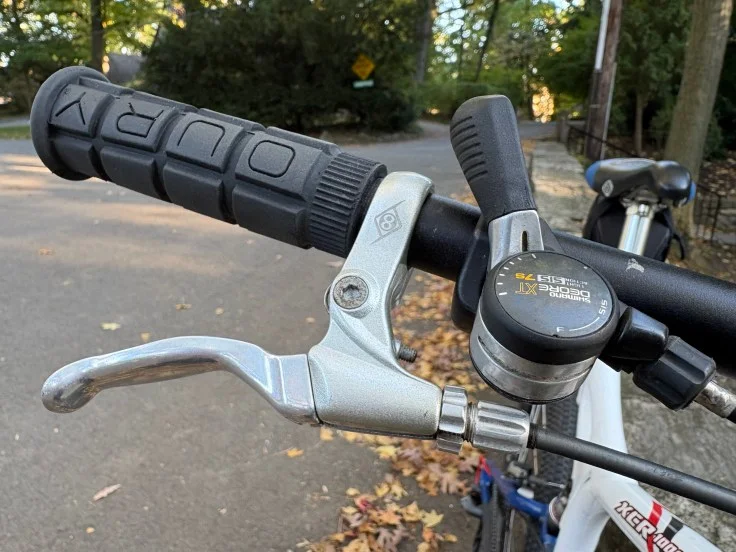
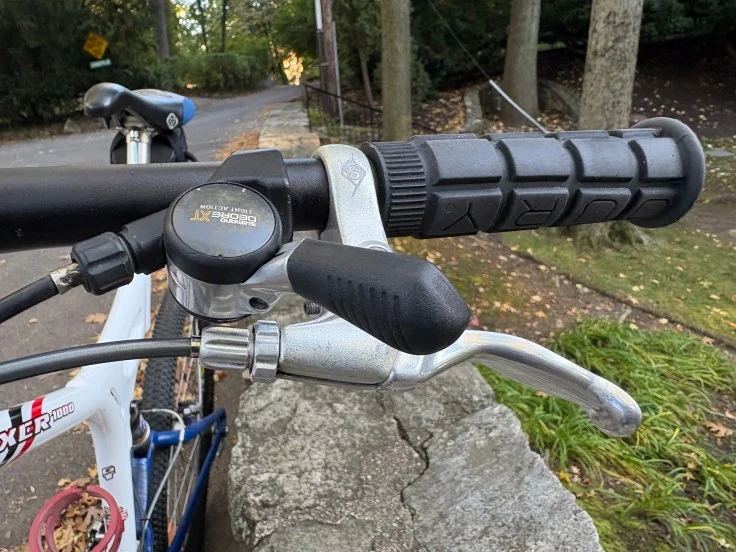
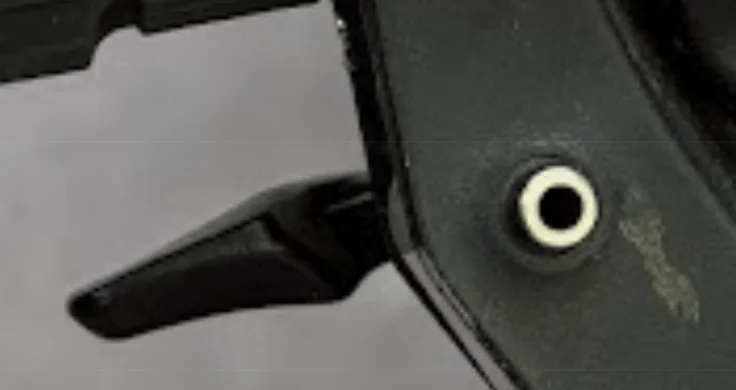
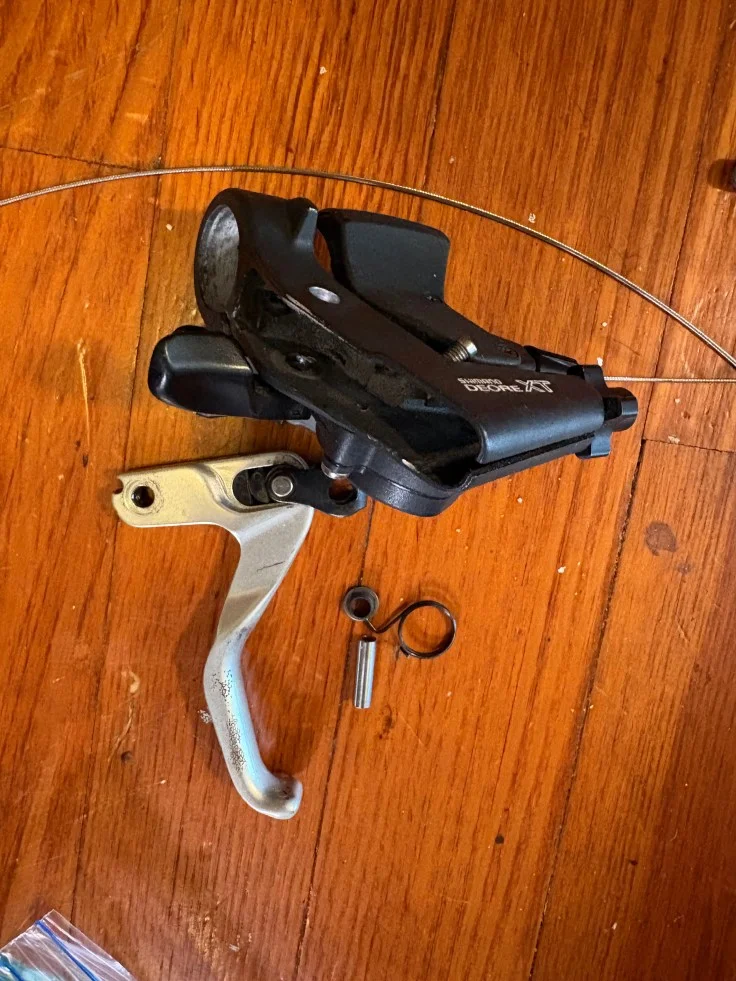
The repair followed a weekend of rides on two dual-suspension test bikes. On the GT, the silver pivot piece for the rear brake lever began working its way out. Pushing it back into place solved the problem only briefly; repeated lever use brought it loose again. The rider managed to finish the ride by pressing the piece in with an index finger whenever it crept outward. That was a workable trail-side measure, but hardly a fix to trust on the next outing.
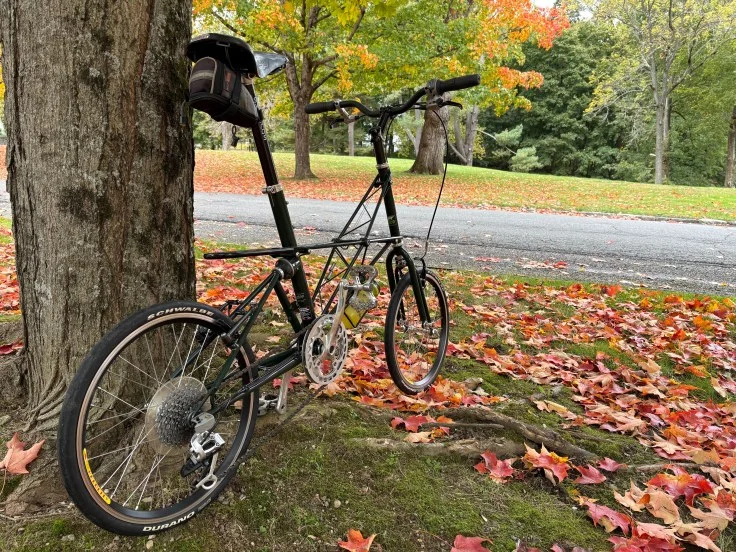
At home, an attempted repair led to more disassembly. With the brake lever removed, the choices were to spend time reassembling it, send the bike back to Classic Cycle, or find another way to keep it in service. The GT was still enjoyable to ride, and it had proved useful for outings where the rider needed a bike to occupy time while waiting during a child’s activity. That practical role made a repair worth pursuing: a bike doesn’t need to be a primary ride to earn a place in the garage.
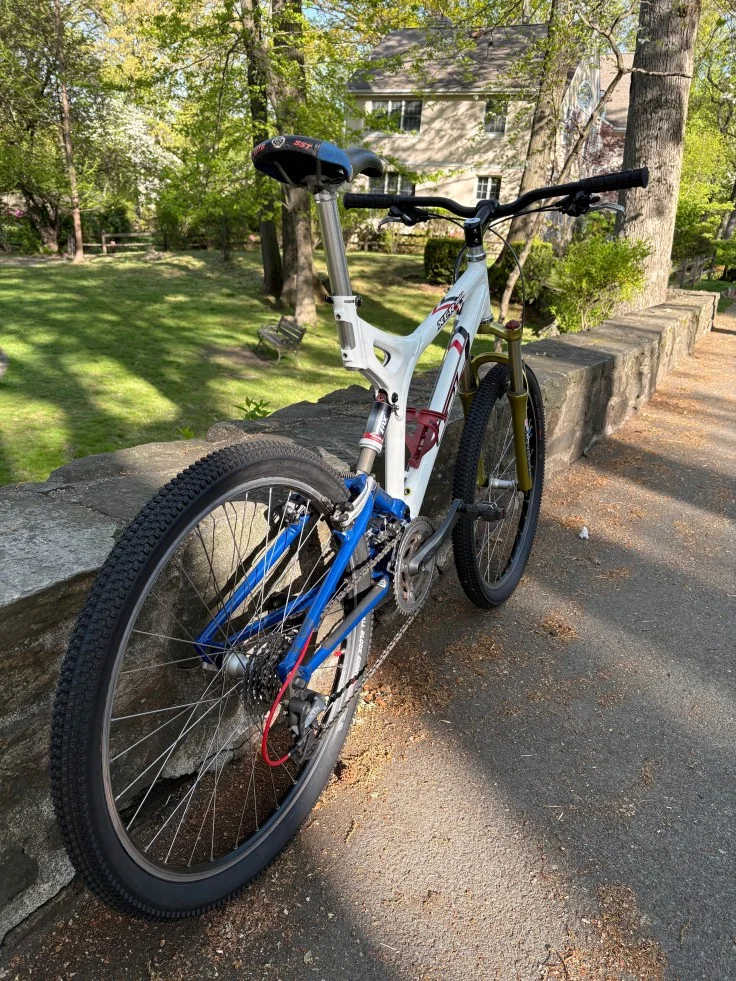
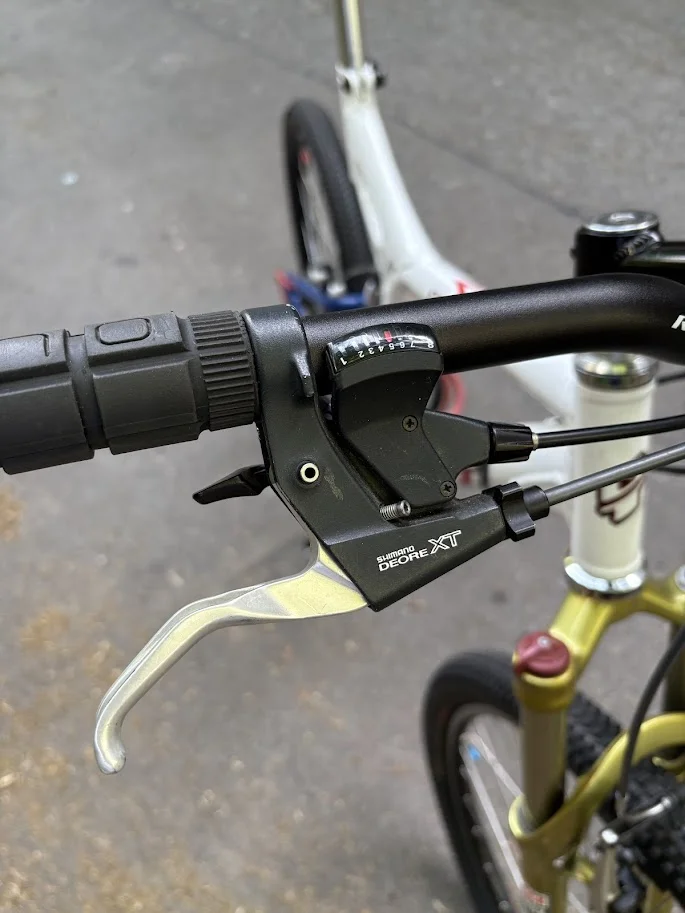
An integrated control complicates the simple fix
A spare brake lever might have been the obvious replacement, but the GT’s brake lever and shifter form one integrated unit. Replacing the damaged lever alone would also mean replacing the shifter, turning a small hardware fault into a broader parts decision. Integrated controls can make for a tidy cockpit, but they narrow the options when one part wears or fails. Here, the cost and effort of replacing the whole unit needed to be weighed against the bike’s modest but useful role.

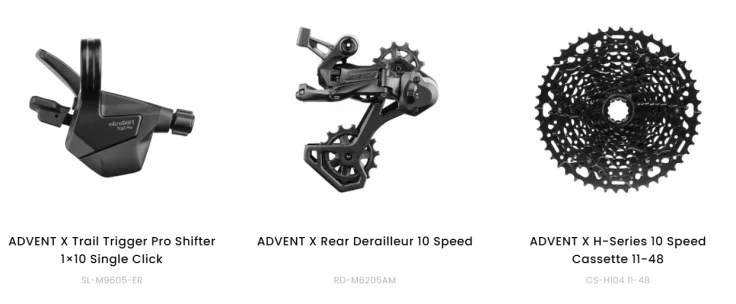
A modern 1x drivetrain, such as Microshift’s Advent X, was one possible route, but it would add expense and leave the bike’s front derailleur stub exposed. That’s a meaningful tradeoff on an older bike: a drivetrain conversion can simplify shifting, yet it may also leave visible remnants of the setup it replaces. The rider wasn’t looking to turn the GT into a new project when the immediate goal was simply to keep it usable.
That stub mattered. The frame still has the fitting for a front derailleur, and leaving it bare would look worse to the rider than keeping the existing setup. Unused cable stops were tolerable; an empty derailleur mount was not. These are personal criteria, but they shape real repair choices just as much as compatibility does. A technically workable conversion may still feel like the wrong answer when it makes the finished bike less satisfying to own.
A drop bar conversion briefly crossed the rider’s mind, then quickly lost its appeal. It would have expanded the scope again, with cockpit changes layered on top of the original repair. The lesson isn’t that conversions are a bad idea; it’s that a repair can lose its purpose when every workaround becomes an invitation to rebuild the bike.
Seven-speed shifters, eight-speed drivetrain
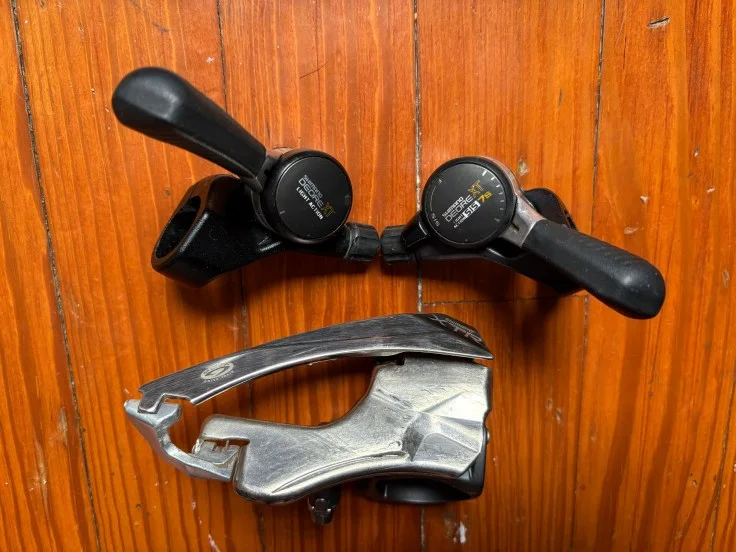
Friction shifting was another option. Riders familiar with older equipment often use friction shifters to solve compatibility problems, since the rider can move the chain without relying on a precise indexed position for each gear. But the available Silver2 shifters felt like too much of a retro detour for this bike. The better match turned out to be a pair of Shimano 7-speed thumbshifters already on hand. The front derailleur visible in the parts photo belonged to a separate idea for a Jones bike and wasn’t part of the GT repair.
The compatibility detail made the parts useful: Shimano’s 7-speed thumbshifters have an extra detent that allows them to operate an 8-speed drivetrain. Since the GT already had eight speeds, the shifters offered a way to restore gear changes without converting the bike to a new drivetrain or replacing the integrated controls with another set. This is more significant than it looks. A small difference in the shifter’s positions can determine whether a repair uses what’s already available or triggers a much larger parts hunt.
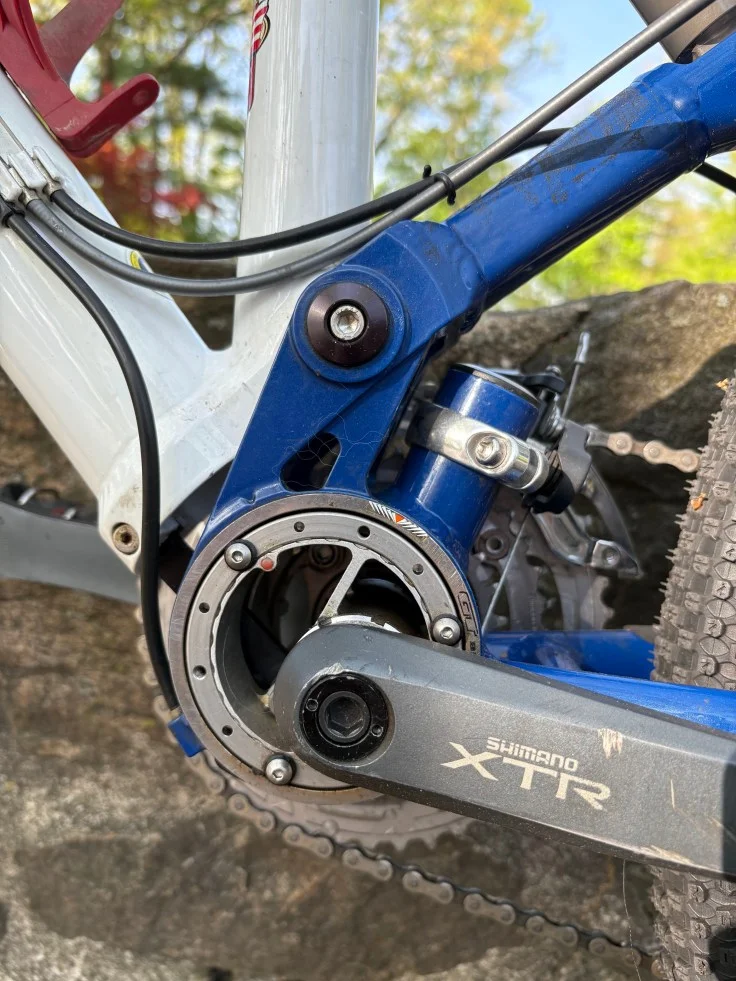
The swap was quick and went smoothly. A short ride around the neighborhood showed that the shifting worked, and a longer ride the following day confirmed the setup in use. The account doesn’t describe a repair to the brake itself; its reported result is restored shifting and a completed follow-up ride. That distinction matters, because a successful shifter swap doesn’t establish that the loose pivot problem has been resolved.
What the repair says about keeping older bikes in service
For owners keeping older bikes running, this is a practical reminder to check the parts already available before committing to a broader conversion. Compatibility can hinge on a small detail such as an extra shifter detent, while frame fittings, cockpit preferences, and existing components all shape which repair feels right. If you’re working on a similar bike, identifying exactly which part has failed can keep a focused fix from becoming an open-ended rebuild.

And yet, there’s a limit to what this repair demonstrates. It shows that the thumbshifters worked through a short neighborhood ride and a longer ride the next day; it doesn’t establish long-term durability or settle the brake lever issue. A useful test, not a lifetime verdict.
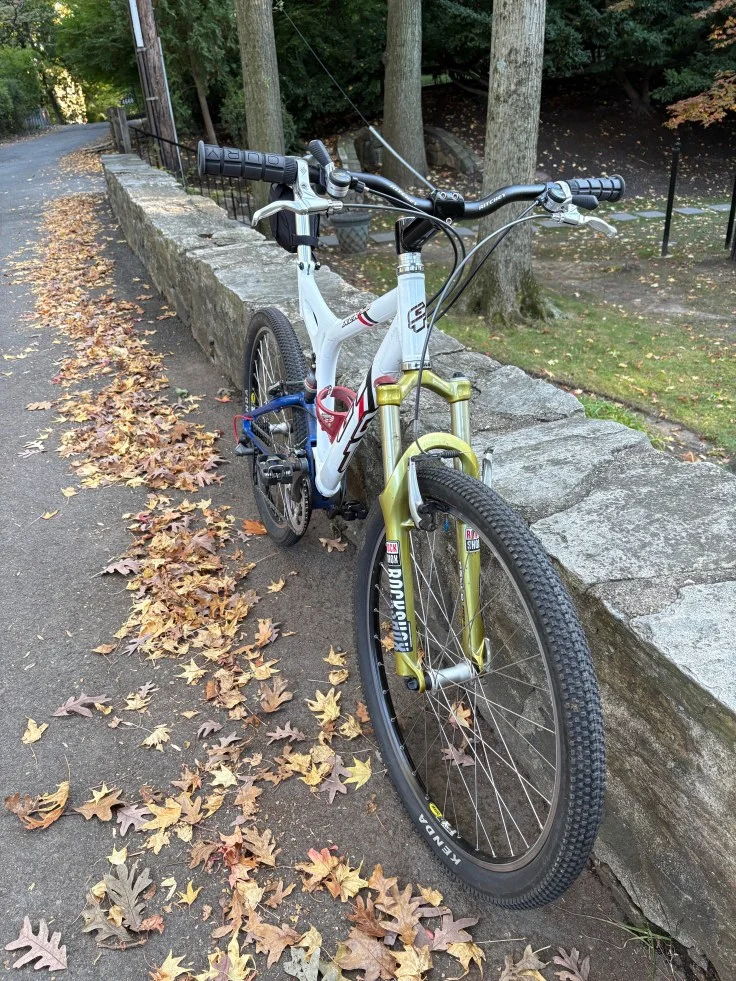
Here’s the thing: the value of the solution lies in its scale. The rider used parts already in the stash, preserved the GT’s existing drivetrain, and got it back out for ordinary rides. For a bike with a secondary role, that’s a sensible result. It kept the GT in service and kept another bike project off the workstand.