Meh-Roica Bike Contest Celebrates Overlooked Road Bikes and Their Staying Power
A Marinoni, narrow tires and rim brakes make the case for caring for yesterday’s road bikes as cycling fashions change.
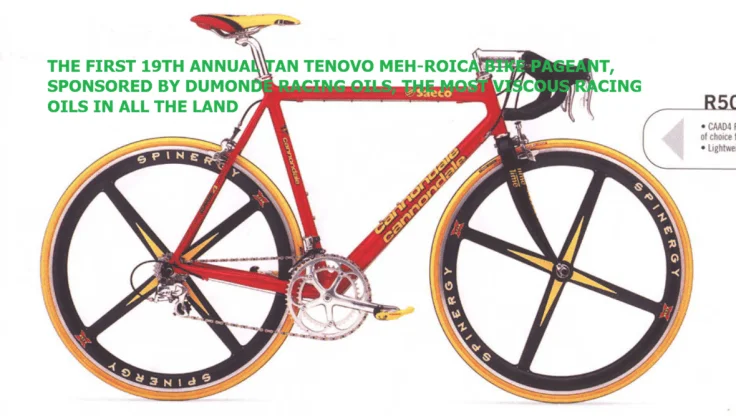
The Meh-Roica contest makes a case for road bikes that cycling fashion has left behind: machines too recent to count as classics, yet too old-fashioned for today’s gear talk. Its Seventeenth Inaugural edition has received a wave of entries, and the organizer says he’ll name a winner when he’s ready. The submission deadline was for participants, he points out—not a deadline for his decision.
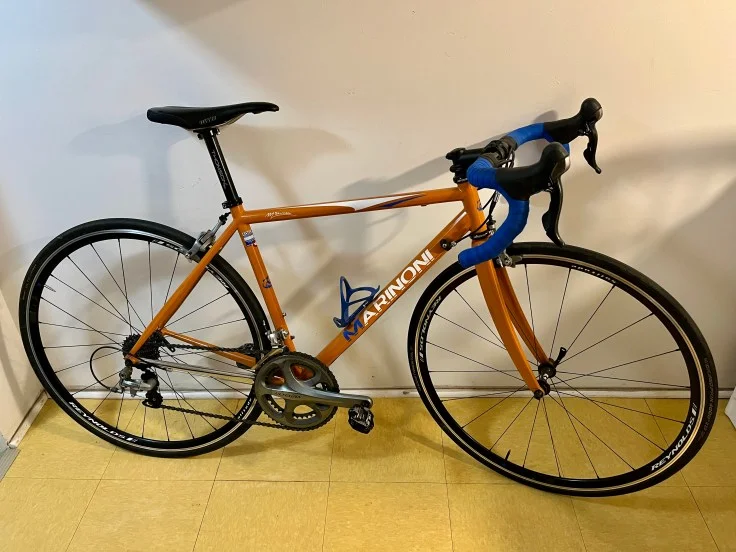
One entry puts the contest’s affection for overlooked bikes into practice. A Marinoni, once neglected and later rehabilitated by the blog’s author, now belongs to a commenter known as “Some Guy From Upstate.” The bike’s story is a small but fitting example of the contest’s premise: an unfashionable machine can have plenty of useful life left when someone takes the time to care for it.
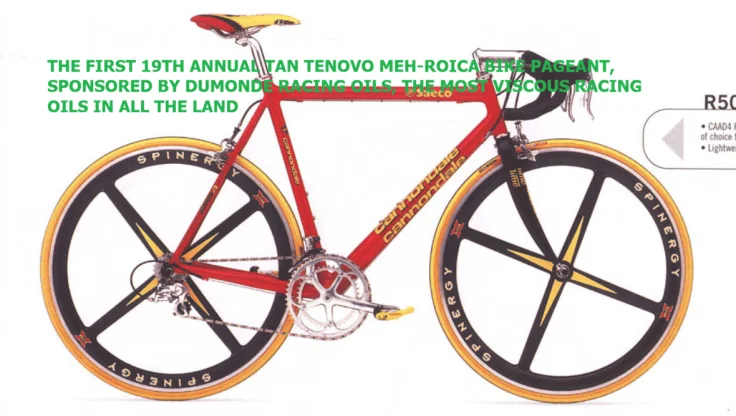
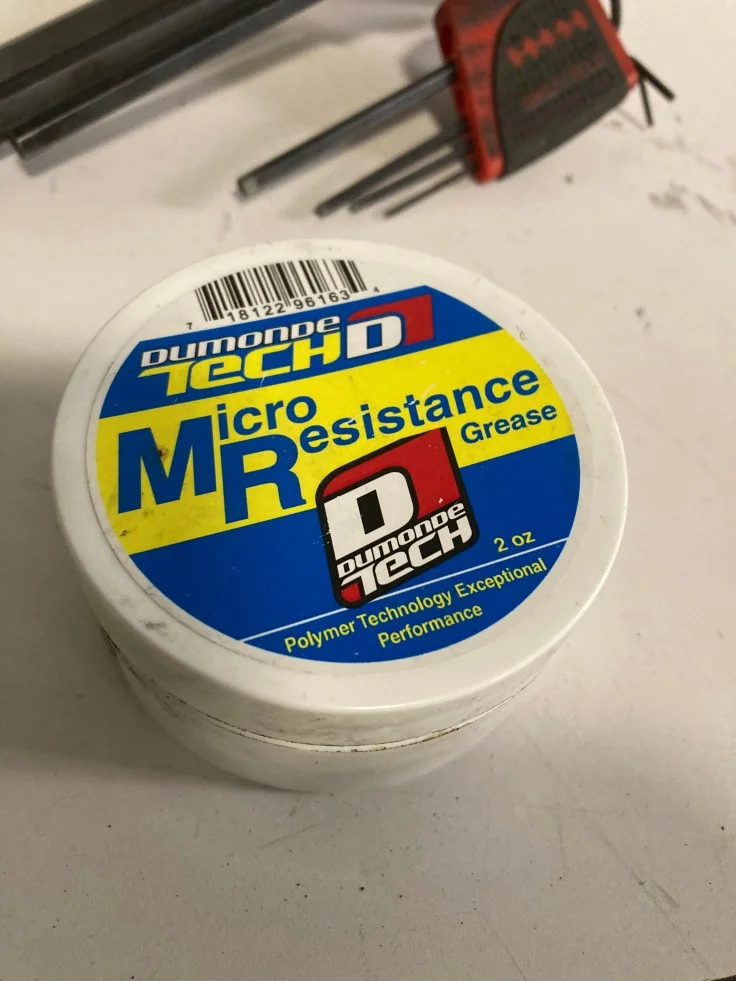
The contest is brought to you by Dumonde Tech, which the author jokingly calls “the champagne of lubes.”

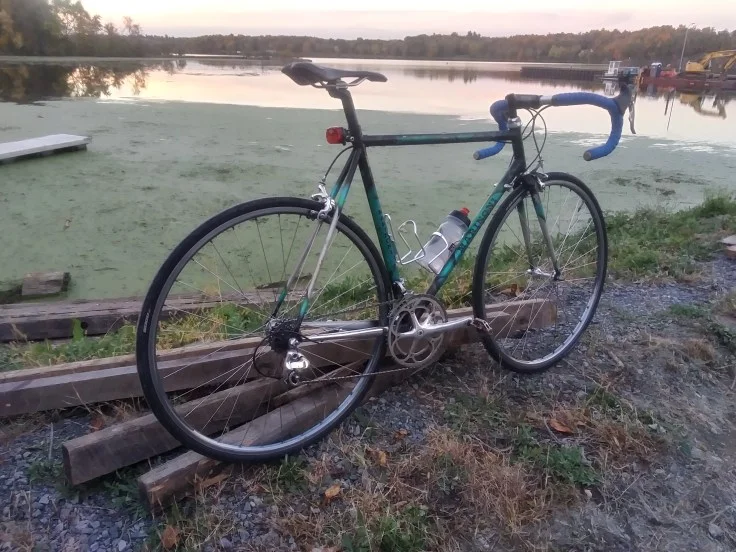
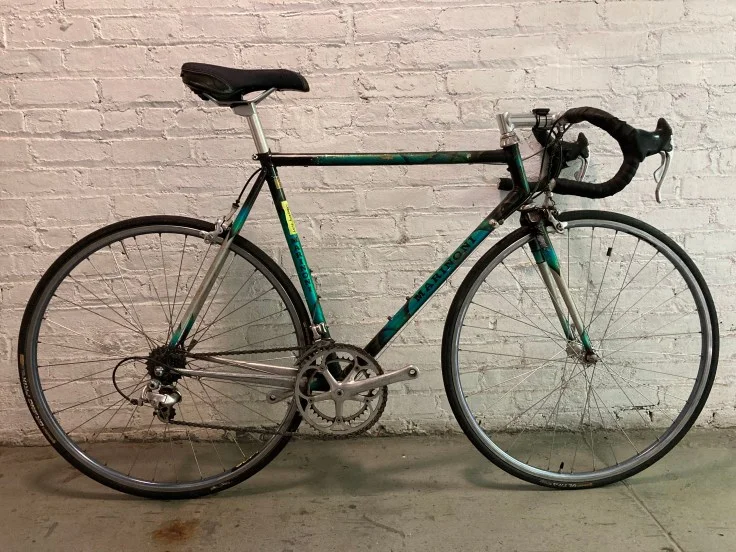
The Marinoni’s earlier story is here; its return to the road, with help from Dumonde lubricant, is documented here.
A race bike turned workhorse
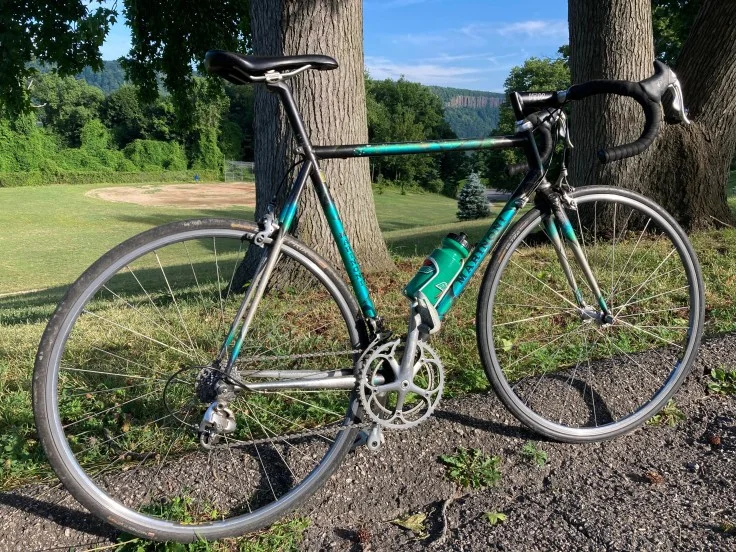
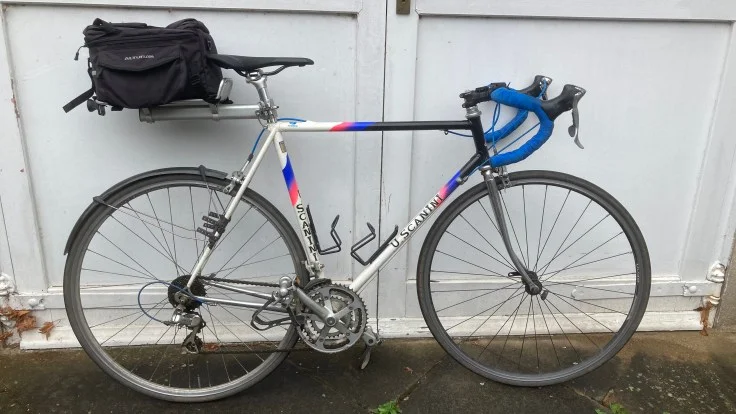
Another submission shows how a bike built for racing can adapt to everyday use. Its owner says it was bought new around 1997, started as an eight-speed bike and was converted to nine speed during the Meh-roica era. It has a triple crank, originally chosen for racing on gradients as steep as 25%, and 23mm tires, then the only size available to the owner.
The setup also includes a quick-release rack and bag, left on the bike because the owner made no effort to dress it up for the contest. A threaded headset was adapted for a threadless stem during the drivetrain conversion. The frame is Italian steel. Taken together, those details make the bike’s age and use visible without requiring a period-perfect restoration.
That practical spirit is central to the author’s definition of Meh-roica. A bike doesn’t need factory rack mounts, fender eyelets or wide tires to earn a second life. Clamp-on parts can make an older road frame useful for carrying a bag and getting around, even if it was sold as a race bike. The author does admit to a personal dislike of threaded-to-threadless adapters, while conceding they let riders fit different stems without replacing the whole headset. He rode a “Wife Oil” for more than a year despite that aversion.
What the contest is meant to celebrate
Some readers have objected to the contest criteria, including the absence of a ban on sloping top tubes. The author’s answer is that Meh-roica isn’t a beauty contest or a ranking of what’s technically best. It’s a salute to a generation of road bikes that cycling coverage once recommended, then seemed to write off as tires narrowed than 30mm fell out of fashion.
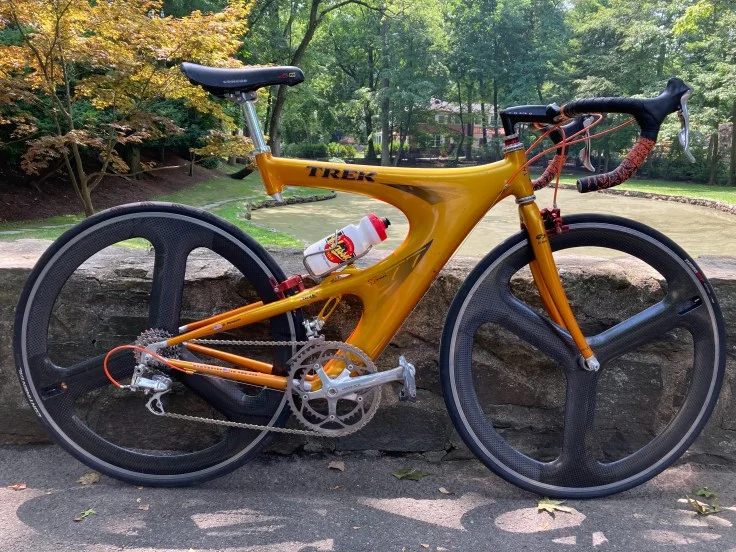
The same argument extends to the author’s GT test-cycle. He says he has grown fond of it, despite his reservations about the design, because it recalls a style of bike that reviewers once praised before declaring it obsolete. His larger criticism is that gear advice can turn quickly: riders are urged to buy the current ideal, then later made to feel behind for still using it. Today’s favored combination of a single-ring drivetrain, short stem, low bottom bracket and slack head tube could eventually face the same reversal.
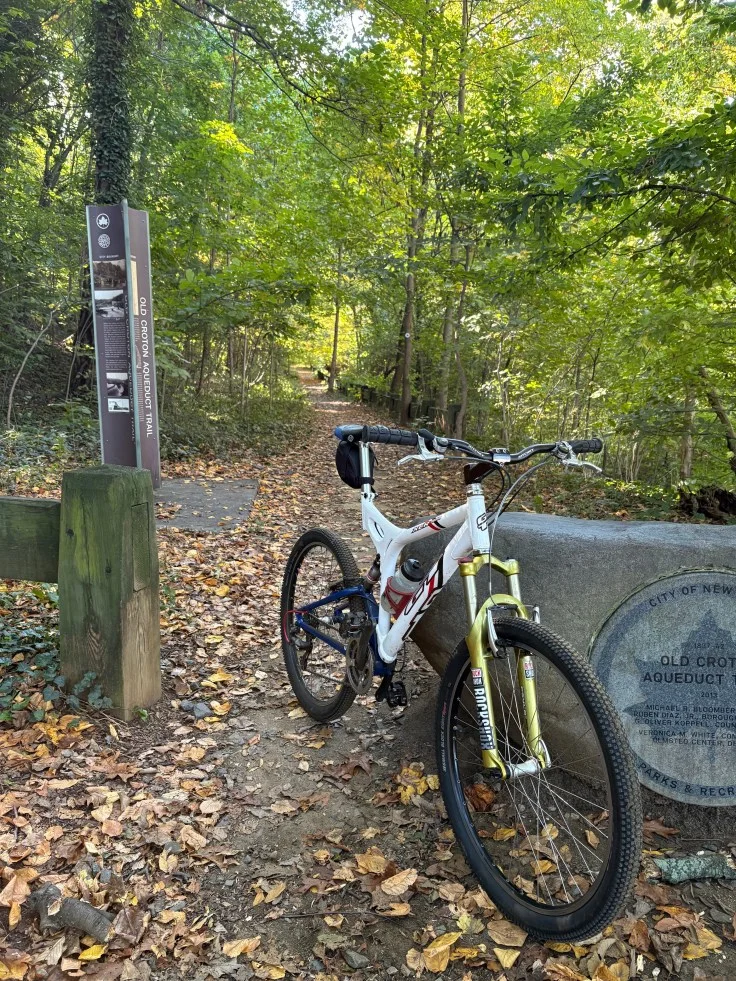
The author’s affection for unfashionable bikes is personal and deliberately unpolished. He says he’ll value rim brakes, 26-inch wheels and 23mm tires for what they are, rather than treating them as defects. That’s a different standard from vintage collecting, where pedigree and provenance can matter as much as whether a bike is still enjoyable to ride.


Old-bike compromises, new-bike assumptions
The piece also pushes back on accounts of riding older bikes as an ordeal. The author accepts that modern bikes have brought meaningful improvements, but argues that riders can adjust to many differences quickly. He recalls riding older machines at the Classic Cycle OCTP and says most took about 15 minutes to get used to—though one saddle never did.
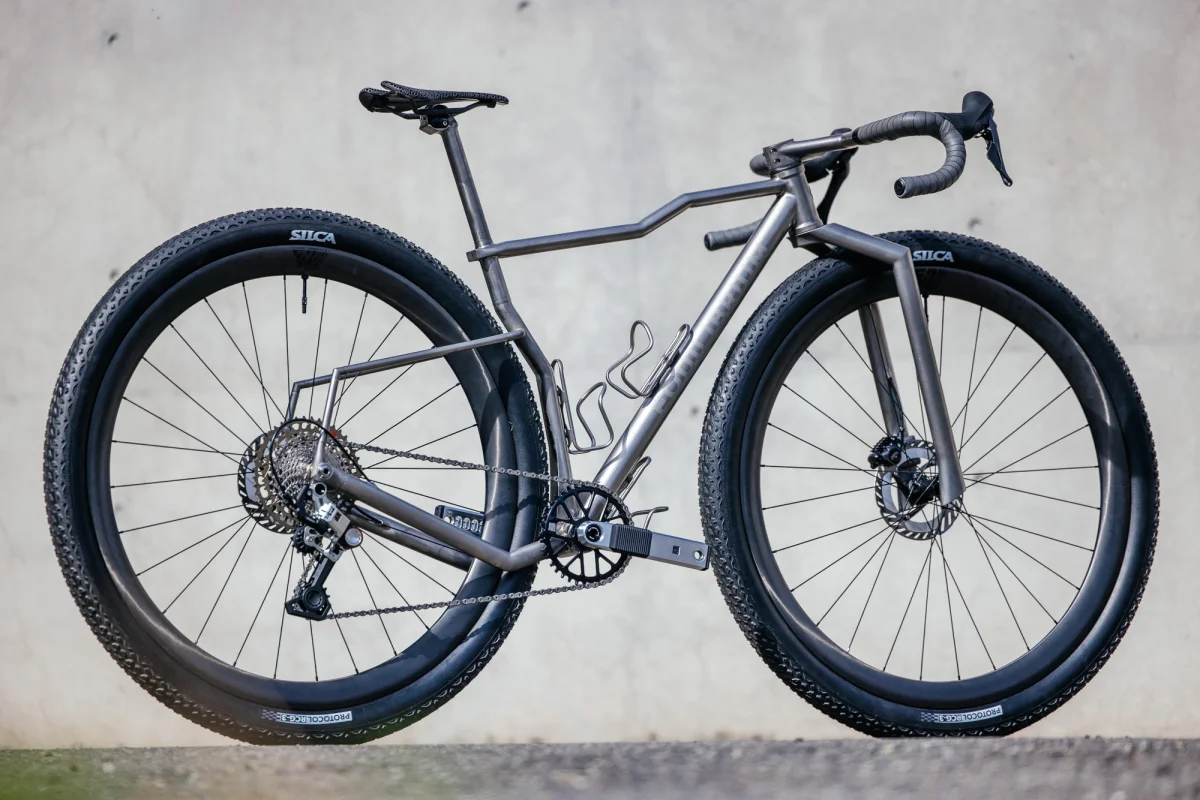
Braking from the hoods is one point of disagreement. The author questions whether weak braking from that position proves older drop-bar bikes are deficient, since he sees extended hood riding as a habit shaped by integrated shifting. Drop bars offer a lower, more controlled hand position in situations where a rider needs to brake firmly, he argues. He suspects many riders rarely use the drops, and says some gravel bars now resemble moustache bars as a result.
That debate sits alongside the growing cost of modern performance bikes. A comparison of the Factor One and Specialized Tarmac SL9 prompts the author to acknowledge technical progress while poking fun at prices and the pressure to keep upgrading. The Tarmac, he observes, has a familiar, family resemblance across generations. A group ride he sometimes joins includes several SL8s and a couple of SL7s, bikes he says don’t stand out from one another. For some riders, that familiarity is part of the appeal: buy into a known design, ride it for years, then sell it when upgrading.

The referenced ride video is here.
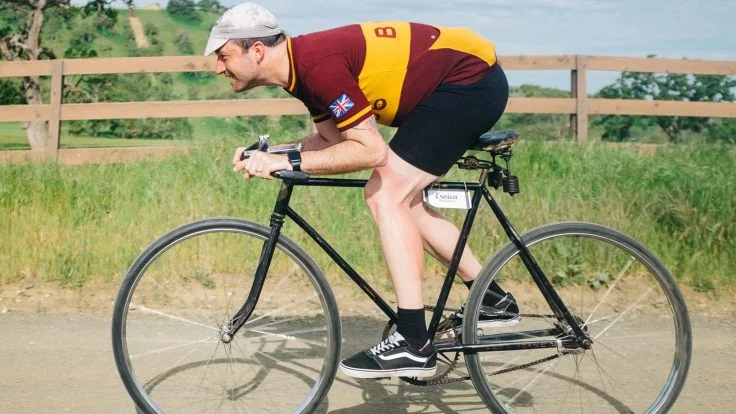
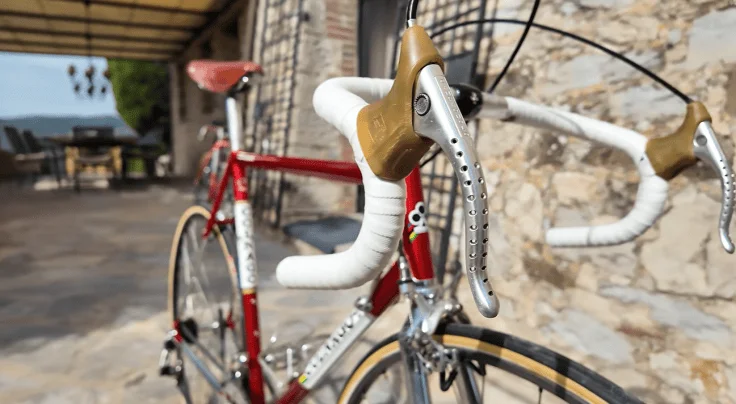
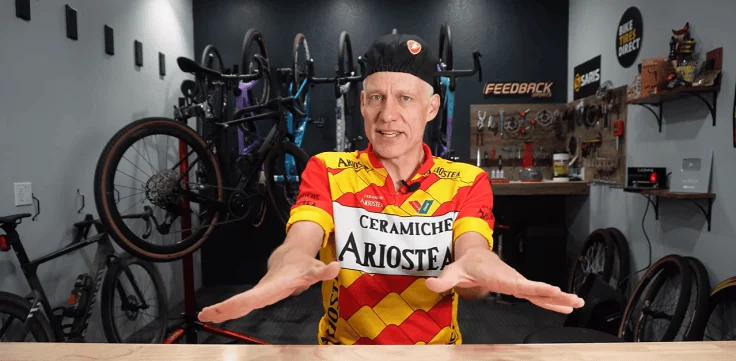
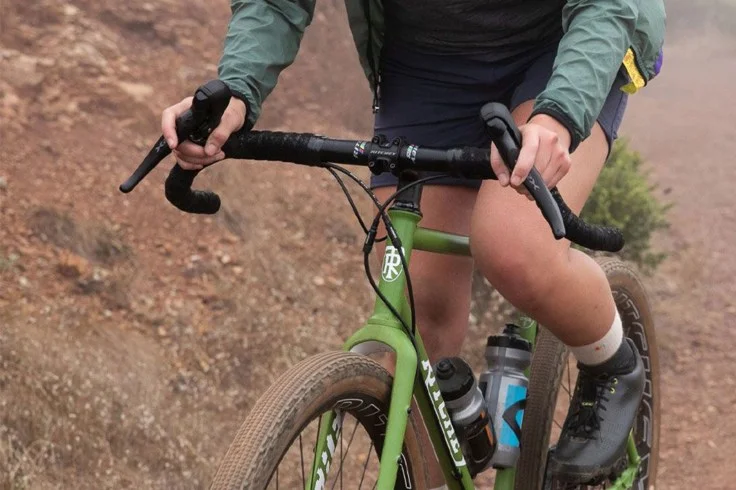
The handlebar example comes from Bikepacking.com, while the modern bike comparison is here.
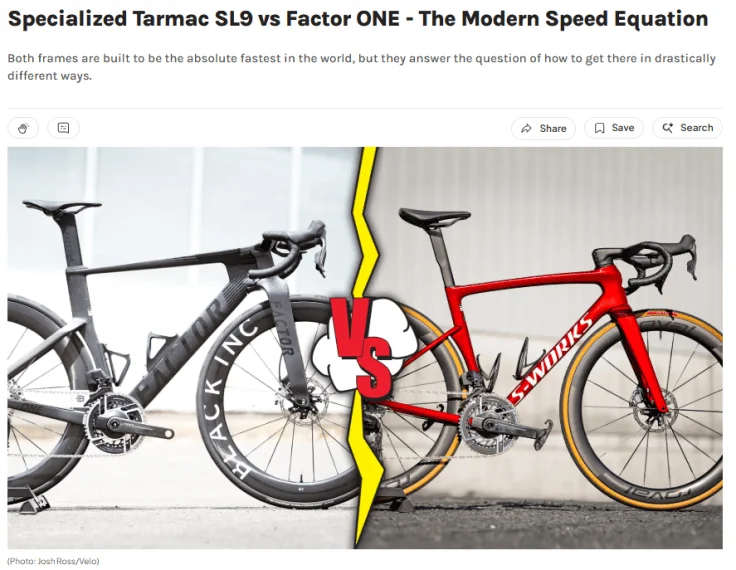
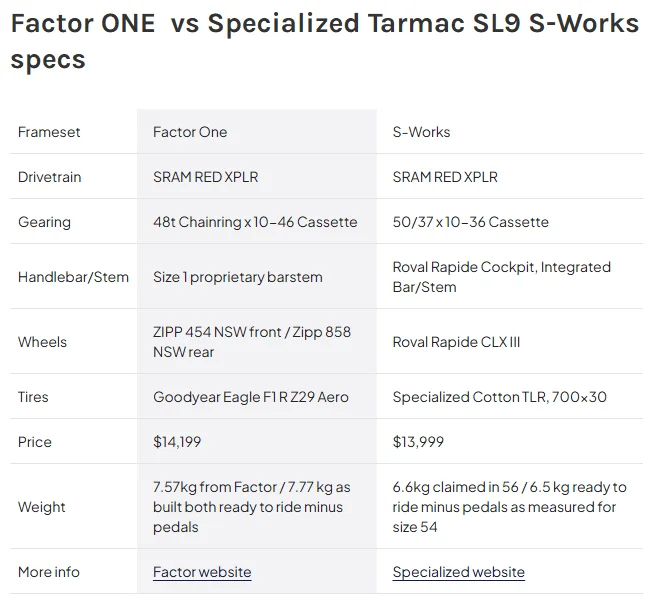
The contest has strict entry rules, delivered in the author’s comic refrain: late submissions, improvised email subject lines and bikes outside the guidelines are out. The joke about withholding lubricant also underlines that the organizer takes the contest seriously, even while insisting he avoids work.
For riders considering an older bike, the useful takeaway is to judge the machine by its actual fit and function, while staying clear-eyed about its compromises. A narrow-tire road bike may feel different from a current model, and its braking and component setup deserve attention. But fashion moves on; the bikes left behind can still carry riders faithfully. Today’s speed formula, the author suggests, may itself become tomorrow’s Meh-roica.
The Tarmac SL9 looks like a regular bike. It’s a well-known model whose design has changed little across multiple generations. On a group ride, the SL8s and SL7s look much alike and don’t especially stand out. That familiarity is part of the charm for some owners: like a Porsche 911, the bike offers continuity, and upgrading later can be straightforward.
Today’s “modern speed equation” may eventually become tomorrow’s Meh-roica bike.