Dolphinfish Research Program Marks 25 Years of Mahi Tagging and Discovery
After 40,500 tags, the program has tracked mahi across thousands of miles and is building evidence about a fish facing growing pressure.
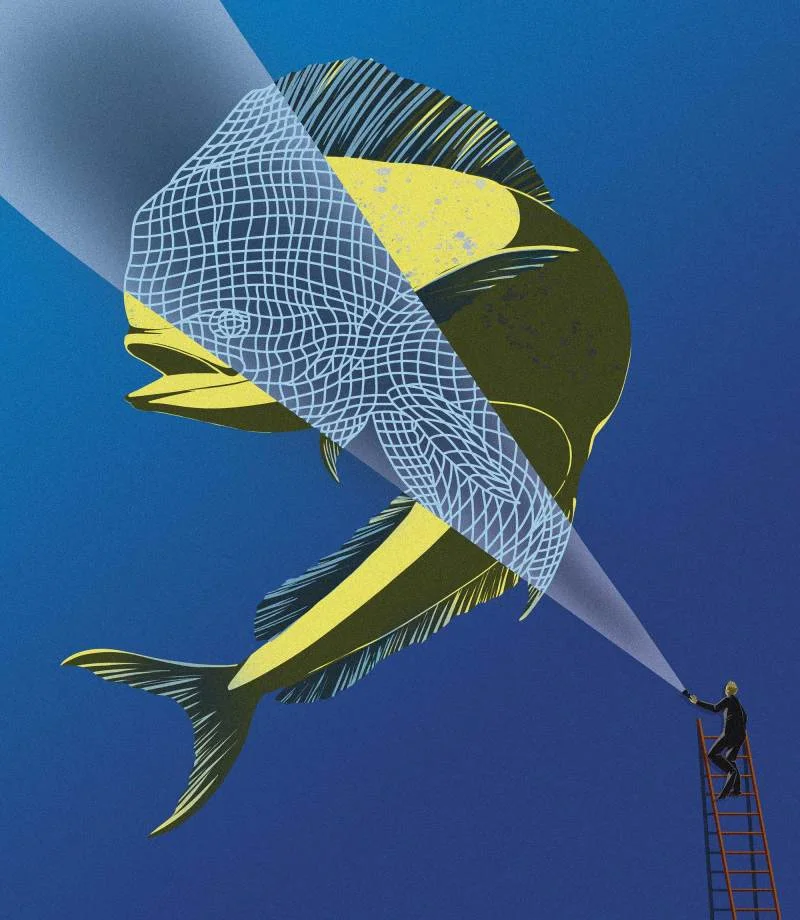
One mahi tagged off Charleston, South Carolina, turned up about 8,100 miles away after six months, having apparently circled the Sargasso Sea on its way to the Mona Passage. That journey captures the value of the Dolphinfish Research Program: a fish known to anglers around the world was moving through the ocean in ways researchers had little opportunity to document.
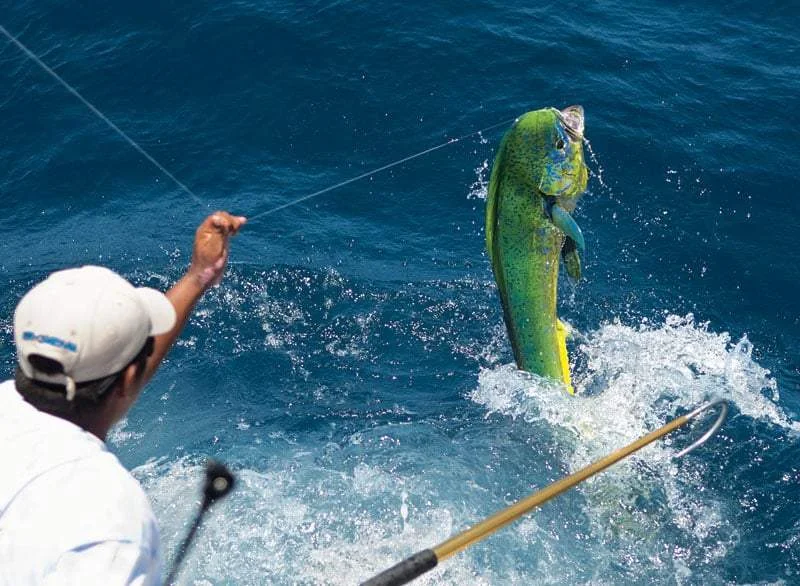
When Don Hammond began organizing anglers to tag and release dolphinfish, some biologists doubted the plan. The fish were prized at the table and on the line, they argued, so captains wouldn’t want to release them. Hammond believed sport fishermen would take part. Their participation has since helped build a 25-year record of movements, diving behavior and growth.
The program began in 2002 as a private venture under the South Carolina Department of Natural Resources. Since then, hundreds of captains and anglers have deployed more than 40,500 tags. Two especially active crews account for more than 9,000 tags between them. The work started in the Western Central Atlantic and expanded to the Caribbean, South Atlantic, Mediterranean, Gulf of Oman and Eastern Tropical Pacific.
Hammond, the program’s founder and director emeritus, retired in 2017. Wessley Merten, Ph.D., now leads the research. Guy Harvey has been among the program’s major sponsors and supporters, and one of his mahi paintings is used as its logo.
What the tags reveal
The findings show just how far a dolphinfish can travel, and how varied its pace can be. Fish tagged off Florida’s east coast averaged 24.8 miles per day over the year, with reported averages ranging from 10.4 to 44.9 miles per day. In one striking case, a fish traveled from the Florida Keys to Oregon Inlet in nine days, covering 893 miles. Twenty-nine fish moved from Florida to waters off Maryland and Rhode Island in an average of less than two months.
Other tag recoveries trace routes across the Atlantic and Caribbean. Fish released from the U.S. East Coast have been recovered near the Azores, Cuba, the Dominican Republic, Puerto Rico, the Virgin Islands, Anguilla, St. Barthelemy, St. Kitts, Antigua, St. Vincent and the Grenadines, Venezuela and Mexico. More than 45 recovered fish were found over 1,000 miles from where they were released.
The research has also recorded behavior beneath the surface. Dolphinfish have been observed diving deeper than 800 feet, likely while feeding, and deep dives occur more often at night than during the day. The fish can travel as far as 152 miles in a straight line over 24 hours. Some spend as long as two months riding the circular flow of ocean gyres.
Tagging has helped researchers follow changes in size, too. Fifty-one recoveries showed small fish tagged off the U.S. East Coast returning the following year as large adults. Larger fish were more likely to be recovered after tagging. Another tracked fish released off Charleston traveled 2,500 miles in a straight line into the eastern North Atlantic. Together, these records offer glimpses of an animal whose range and habits are difficult to understand from catch reports alone.
Research amid fishing pressure
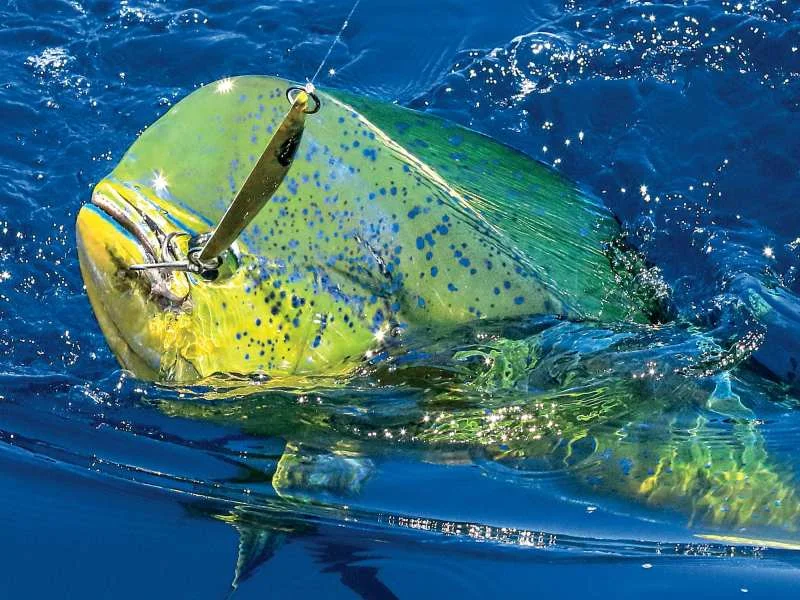
The program’s data arrive as concern grows about the number and size of mahi caught along the U.S. East Coast and in parts of the Caribbean. Of 43 jurisdictions in the Western Central Atlantic, five have established recreational or commercial rules for dolphinfish: Mexico, the Bahamas, the continental U.S., Puerto Rico and the U.S. Virgin Islands.
Guy Harvey has described the species as one that people once thought could not be overfished. He pointed to pressure from recreational fishing as well as broad demand for mahi fillets and sandwiches. The available research, he said in an interview with Salt Water Sportsman last year, shows that assumption was misplaced.
Merten is seeking answers about the reported decline in both the number and size of fish caught along the U.S. East Coast and parts of the Caribbean Sea. He has also voiced frustration that regional and international efforts have stalled. In June 2026, the South Atlantic Fisheries Management Council stopped work, after four years, on proposed steps to strengthen regional conservation measures for dolphinfish.
For now, continued tagging can fill gaps in basic knowledge of the species. That information can help inform future decisions about its long-term care, even as the fishery faces pressure. Hammond’s anniversary letter looked back on the anglers he met and the previously unknown parts of dolphinfish life history that their participation helped uncover.
The program is also broadening its focus. It began collecting data on wahoo in 2022, another species with cultural and economic importance and limited information to support long-term sustainability, Merten said. Its next chapter will depend on anglers and captains continuing to contribute observations. The long-distance tracks show why: each recovered tag can connect a local catch to a much larger ocean journey.
Read Next: The Importance of Researching Dolphinfish
The post The 8,000-Mile Mahi and Other Awesome Facts appeared first on Salt Water Sportsman.