Fall Mullet Run Fishing: Redfish, Snook, Tarpon and More
From redfish and snook to tarpon and kingfish, the fall mullet run brings a moving feast to Atlantic and Gulf waters.
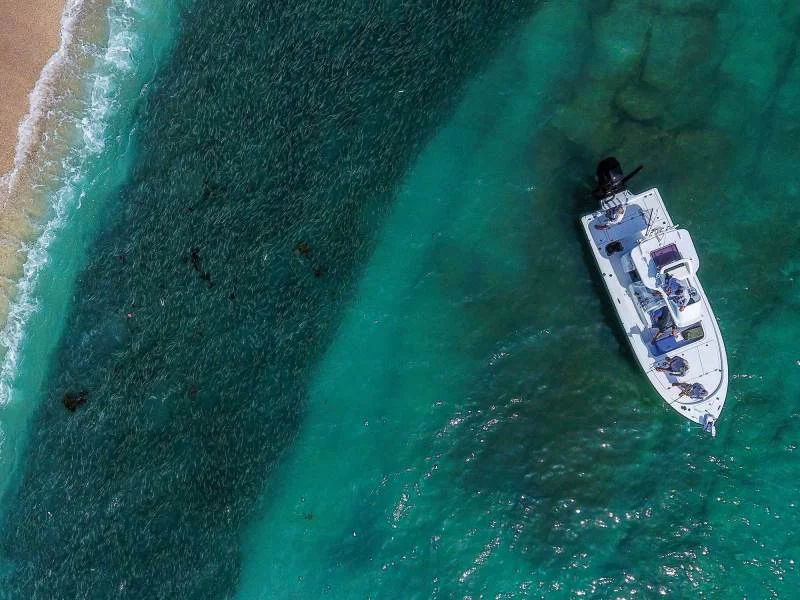
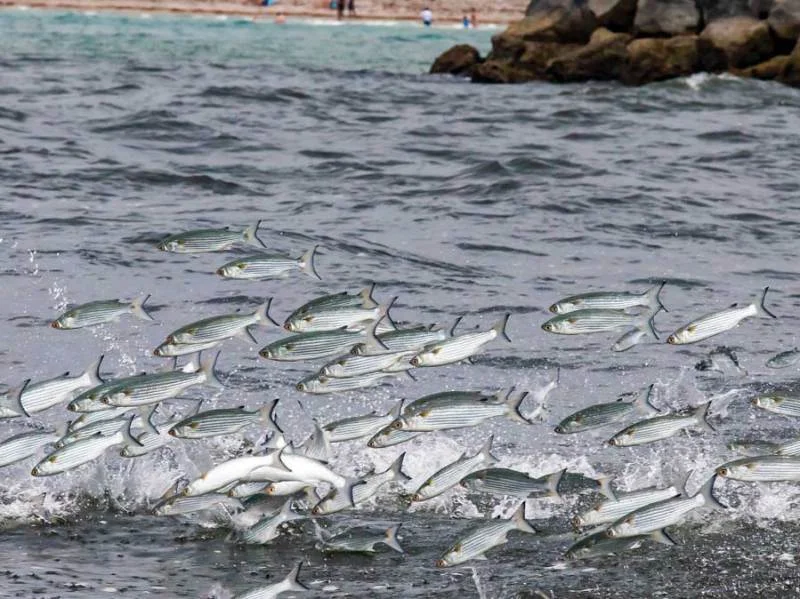
The fall mullet run turns migrating bait into a moving target for gamefish and anglers. From September through November, and sometimes later, millions of mullet leave rivers, bays and estuaries along the Atlantic Coast and Gulf of Mexico. Where they’ll travel and when they’ll spawn can be hard to predict, but their arrival draws an array of predators within reach of shore and offshore waters.
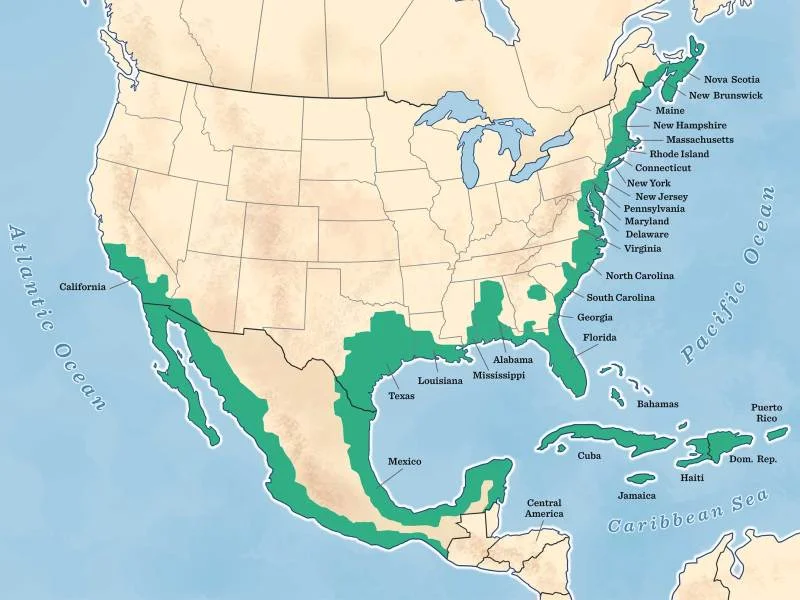
The schools include fish from fingerling size to 3 pounds, with striped and silver mullet among the species involved. Biologists suggest the fish move along the coast in search of the right salinity for spawning, shifting between the beach and waters farther offshore until they find a suitable mix of salt and fresh water. Gulf white mullet have been documented traveling 100 miles, mainly east and west. The movement differs by region, but the draw for predators is much the same: a large, concentrated supply of forage.
Redfish Along the Southeast Coast
During the fall run, redfish gather around beaches, river mouths, inlets and estuaries along the Southeast coast. The migration overlaps with the redfish autumn spawning run toward inlets and sounds, and the abundant bait can bring some of the year’s largest drum into lower rivers and coastal waters.
Anglers looking for redfish around mullet pods often start at daybreak, scanning slick water for brown-colored schools. Mullet may nose at the surface a few hundred yards from the breaking surf. A slight northeast wind can push bait closer to shore, where redfish may have an easier shot at the schools.
Many mature redfish found near the beaches are too large to keep under some local size rules. Check the applicable size and catch limits before fishing, and handle any fish you release with care.
Sharks and Snook on the Bait
Sharks follow mullet schools inshore and offshore, on all coasts. Large bulls and other heavyweight sharks can make for a demanding fight; anglers casting light tackle toward the bait may prefer smaller fish. Spinners and blacktips under about 70 pounds offer energetic runs and jumps, and the source describes them as good eating.
Snook action tied to the run becomes consistent around Sebastian Inlet, south of Cape Canaveral, then improves from there south toward Miami. Some snook are caught as far north as Daytona Beach, but the strongest feeding activity described here stretches from Sebastian south.
Matching bait size to the mullet in the school is a practical starting point. Capt. Phil O’Bannon, a Charlotte Harbor guide with experience on both coasts, recommends using a bait that resembles the fish snook are feeding on. If the school holds mostly 6-inch mullet, he says, try a bait of similar size, ideally caught from the same school.
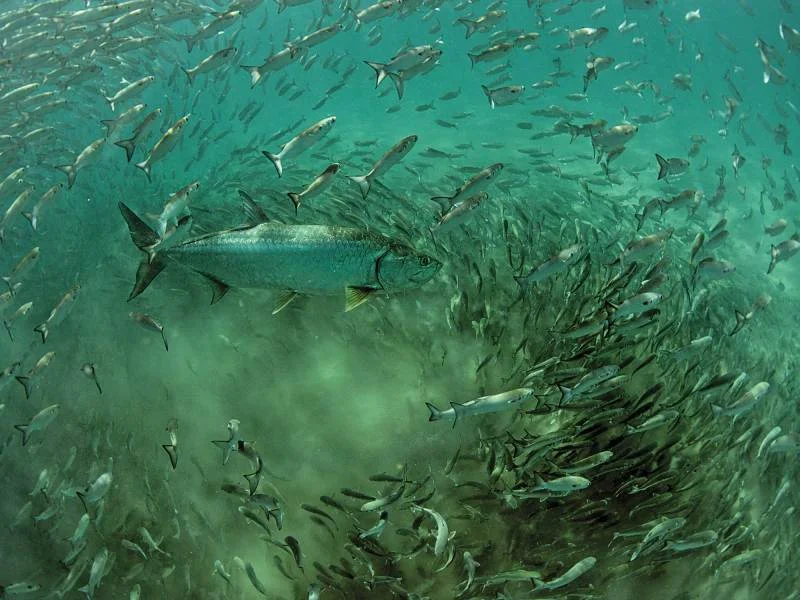
Tarpon and Offshore Predators
The mullet run can bring fast, forceful tarpon action along the East Coast, from the Carolinas through Florida. Activity builds along the Georgia coast and through Florida as the bait arrives. In the Carolinas, Georgia and north Florida, beaches are a key place to look: tarpon often charge into schools and leap while feeding through the surf.
Abundant bait can make it harder to tempt a tarpon with a hooked offering, even when fish are visibly attacking the school. Watch where and how the tarpon feed, then present a bait that fits the scene without driving through the mullet and scattering them.
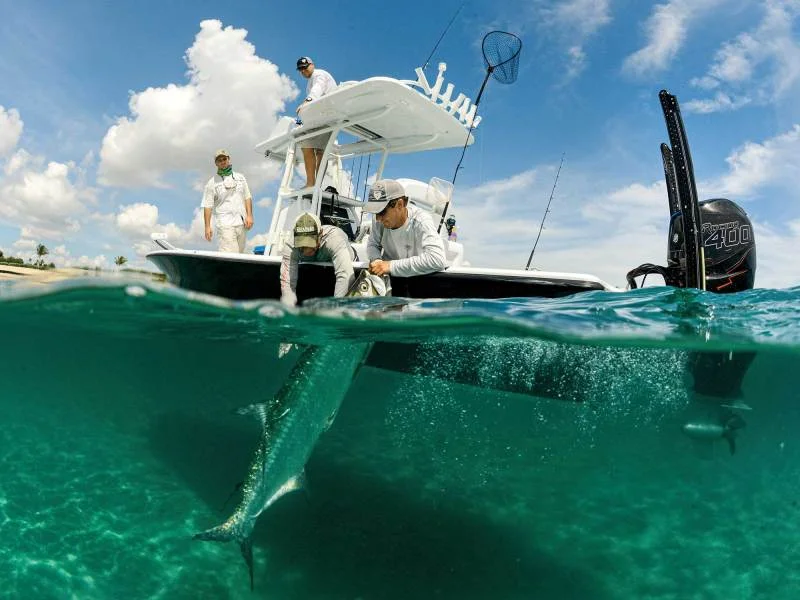
King mackerel and barracuda join the feeding on the East Coast. Barracuda aren’t always close to the beach, but king mackerel around 20 pounds can be plentiful where mullet schools extend a mile or two offshore. Slow-trolling around deeper bait pods is one approach for both species, and anglers can watch for mackerel launching out of nearby schools.
Wire leaders suit the sharp teeth of kings and barracuda. For live bait, tandem-hook trolling rigs make sense because both species may strike the rear of a baitfish. If kings are breaking the surface nearby, move over with fresh, lively bait and make slow turns around the school. Give the mullet room: crowding them can scatter the bait and disrupt the feeding activity.
Jacks, Bluefish and Spanish Mackerel
Redfish, snook and tarpon get much of the attention, but jack crevalle, bluefish and Spanish mackerel also attack mullet. A swarm of 15-pound jacks can turn a school into a fast-moving melee. Fly anglers may find these feeding bursts especially engaging, and the same action can suit anyone looking for a hard pull on the rod.
Look for the size, color and behavior of the mullet before choosing a lure. Three options highlighted for the run are the LIVETARGET Mullet SwimBait, the line-through Z-Man Mulletron LT paddletail and the 52 MR MirrOlure. The first imitates a mullet for situations when fish favor a lifelike presentation; the Mulletron resembles a fleeing baitfish. With the MirrOlure, try two twitches followed by a pause.
The schools and the predators around them can shift quickly. Identify the bait, match your presentation to its size and movement, and give feeding fish room. Those choices help anglers follow the action without turning a busy school into a scattered one.
Read Next: The Best Lures to Throw During the Mullet Run
The post Tips for Fishing the Fall Mullet Run appeared first on Salt Water Sportsman.
===