RV Furnace Repair Costs: Common Fixes, Labor and Replacement Decisions
Most single-part RV furnace repairs run $150 to $800. Access, labor and parts availability shape the bill, especially on older units.
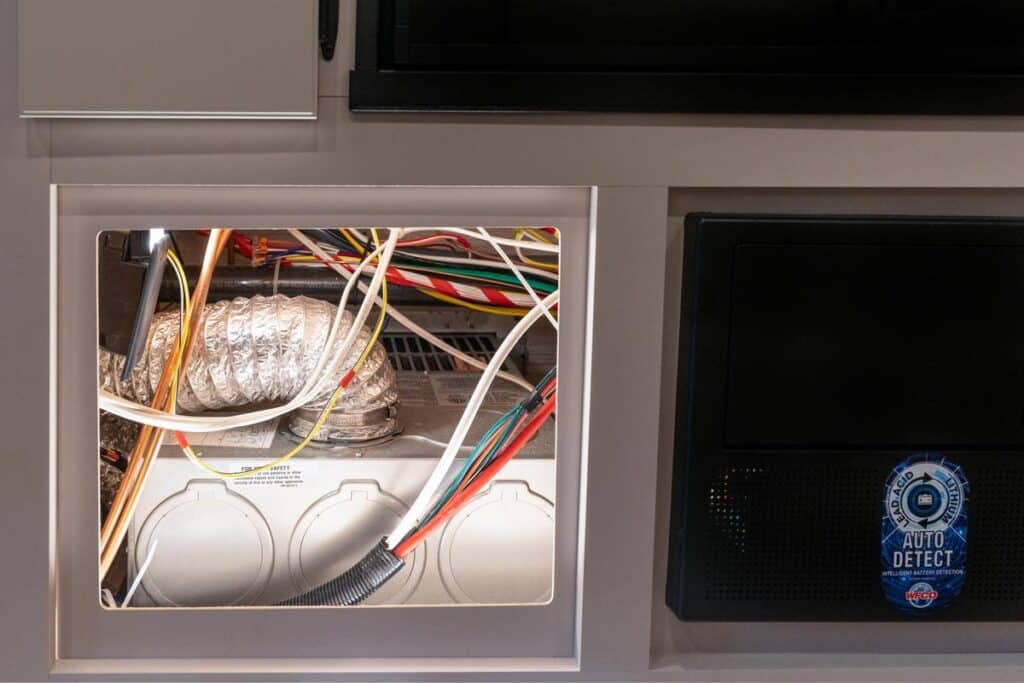
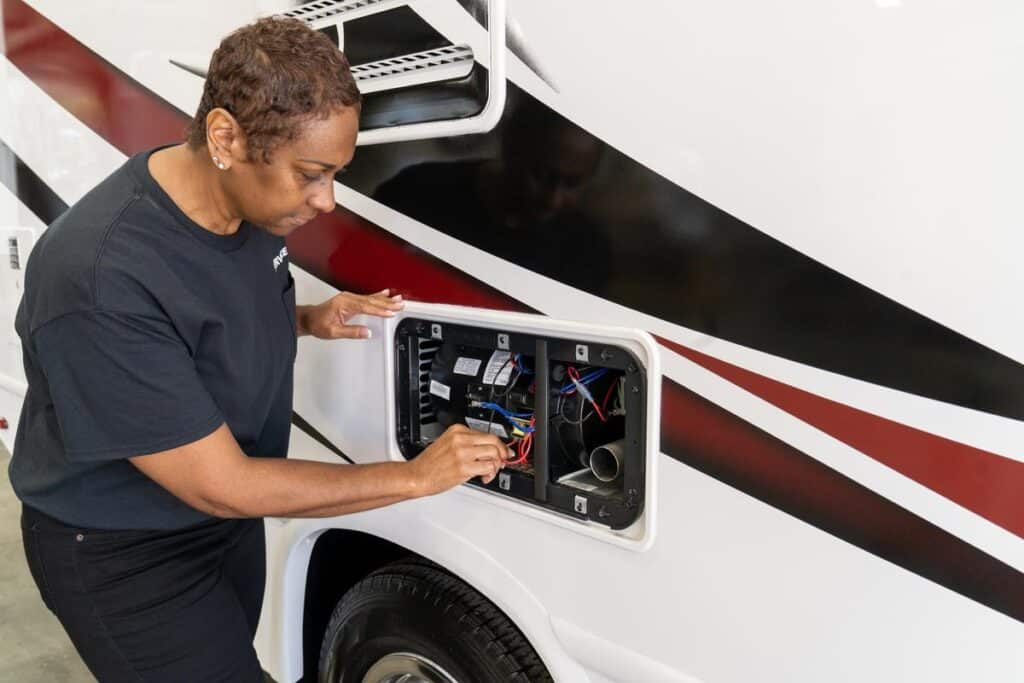
For a forced-air propane furnace in a travel trailer, fifth wheel or motorhome, a single-part repair typically costs $150 to $800, including diagnosis, labor and parts. The failed component matters, but access often determines how much the work costs: a technician may reach one furnace through an exterior panel, while another must be pulled from a cabinet for the same repair.
Start with a diagnosis before budgeting for parts. Many shops charge about an hour of labor for straightforward troubleshooting, often with a minimum fee. Intermittent faults can take longer to identify. Ask whether the diagnostic charge will be applied to the repair bill. Mobile service commonly adds a trip fee, which can raise the total compared with service at a shop.
Typical repair costs by component
The estimates below include diagnosis, labor and parts. They assume typical service labor rates of roughly $150 to $200 per hour; rates, parts prices and installation time vary by location and furnace model.
| Repair | Typical all-in cost | What affects the price |
|---|---|---|
| Igniter (electrode) replacement | $150 to $450 | Often among the quickest repairs |
| Sail switch or limit switch replacement | $150 to $400 | The part is inexpensive; access affects labor |
| Control board replacement | $250 to $800 | The board must match the furnace model |
| Blower motor replacement | $300 to $800 | Some installations require furnace removal |
| Gas valve replacement | $300 to $600 | Installation includes a propane leak check |
These are estimates, not a specific service center’s prices. A closed propane valve or low battery voltage may explain a heating problem without requiring a replacement part, but more involved faults call for diagnosis by a trained RV technician. For service on a gas valve, the leak check after installation is part of the repair.
Why quotes vary
Labor can make up more of the bill than the component itself. A furnace that’s accessible through an exterior panel may take less time to service than one tucked behind cabinetry. Blower motor work can be especially labor intensive when the unit has to come out of its compartment. Two RVs with the same failed part can therefore receive noticeably different quotes.
- Part and furnace model: Component prices vary, and the control board must match the unit.
- Age: Parts for older or discontinued furnaces can be harder to find and may cost more.
- Service location: Labor rates differ by region and between service centers and mobile technicians. Mobile visits usually include a trip fee.
- Coverage: A warranty or extended service contract may cover some or all of the repair. Check the terms, including whether mobile trip fees are covered.
These cost ranges apply to forced-air propane furnaces. Hydronic systems, including Aqua-Hot® and Truma®, are priced differently. A thermostat problem can also resemble a furnace fault, so confirm which part of the heating system needs attention before authorizing work.
Repair or replace an older furnace?
Most single-part repairs cost less than replacing the furnace, so repair is often a reasonable first option when the unit is otherwise in good condition. For an older system, though, compare a repair quote with a replacement estimate. A useful rule of thumb is to get a replacement quote when the repair approaches half the replacement cost.
Ask the technician or service advisor whether other components show wear after the diagnosis. If the furnace may need another repair soon, the combined cost could change the calculation. A cracked heat exchanger can also make replacement the more likely path. Control boards and blower motors are often repairable, but their cost should be weighed against the unit’s condition and age.
Timing and warranty questions
Most single-part repairs take about one to two hours of hands-on work. Difficult access or multiple failed parts can extend that time. The total time an RV spends at a shop often depends more on scheduling and parts availability than on the repair itself, so ask about both when booking.
Major RV furnace manufacturers typically provide a two-year warranty for the original owner, covering parts and labor. Some offer longer heat exchanger coverage for parts only. Mobile trip fees usually aren’t included, and extended service contracts differ in which furnace components they cover. Check your paperwork before paying out of pocket.
For an exact estimate, a technician needs to diagnose the furnace and account for its location, model and parts availability. Bring the repair quote and a replacement estimate into the same decision, especially when the furnace is older or the proposed work is close to half the cost of a new unit.