Kona Pros’ Race Breakfasts Show Why Practiced Fueling Matters
From toast and rice to bagels and applesauce, Kona pros choose familiar fuel. A tested breakfast can help athletes start a long race prepared.
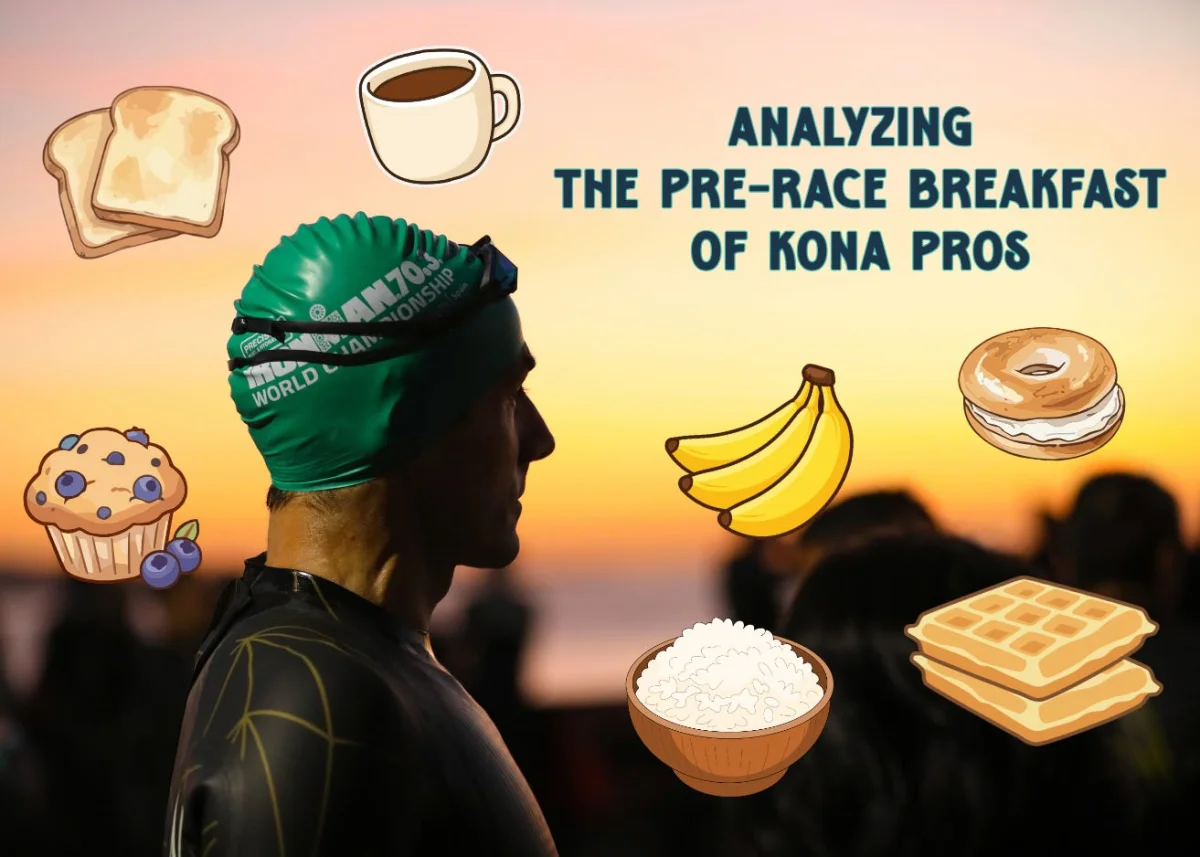
For an IRONMAN, breakfast is part of the race plan. Kona’s professional triathletes have relied on familiar foods such as toast, rice, bananas and bagels, but their menus differ. The useful lesson for athletes is less about copying a pro’s plate and more about finding a breakfast that sits well and can be repeated on race morning.
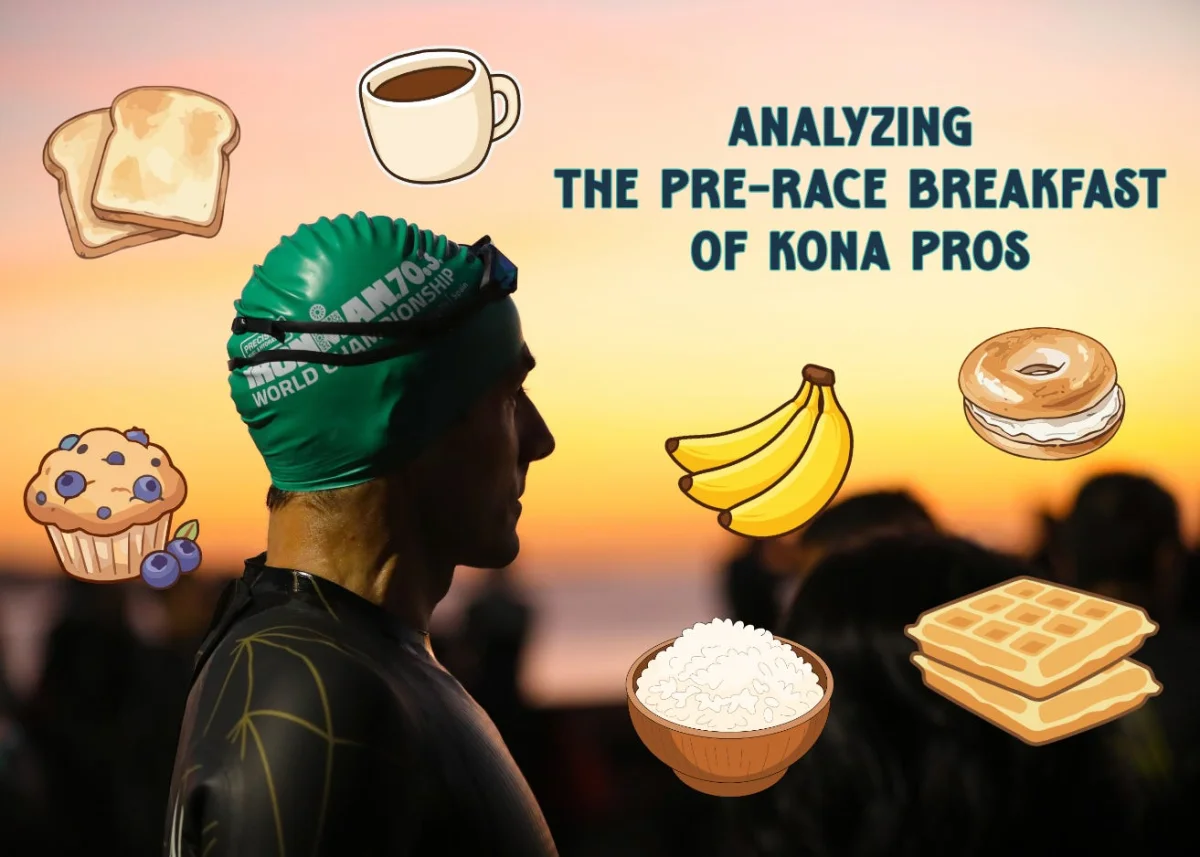
The IRONMAN World Championship in Kona is scheduled for Saturday, October 10, with approximately 2,500 athletes expected to compete. The 140.6-mile event puts a premium on preparation, and beginning with enough fuel is one part of that work.
A practical starting point
A race morning meal generally favors easily digested carbohydrates, with relatively little fat and fiber. The aim is to top up glycogen stores while limiting the chance of stomach trouble. White bread, rice, waffles, bagels, porridge and bananas are among the options; honey, jam and maple syrup can add carbohydrates. Some processed foods may also suit this purpose because they’re easy to digest and provide quick energy.
There’s no single menu that works for everyone. One athlete’s breakfast has shifted from a bagel with butter, peanut butter and a banana to white rice with maple syrup. Familiarity and comfort matter: a meal that looks ideal on paper is little help if it causes discomfort during the race.
Coach Marni recommends aiming for 100–120 grams of carbohydrates, alongside 10–15 grams of protein or fat, about 2.5–3 hours before the start. The suggested fluid amount is 16–20 ounces. A small coffee can fit the routine, though large amounts of caffeine may upset the stomach and increase sensitivity to heat.
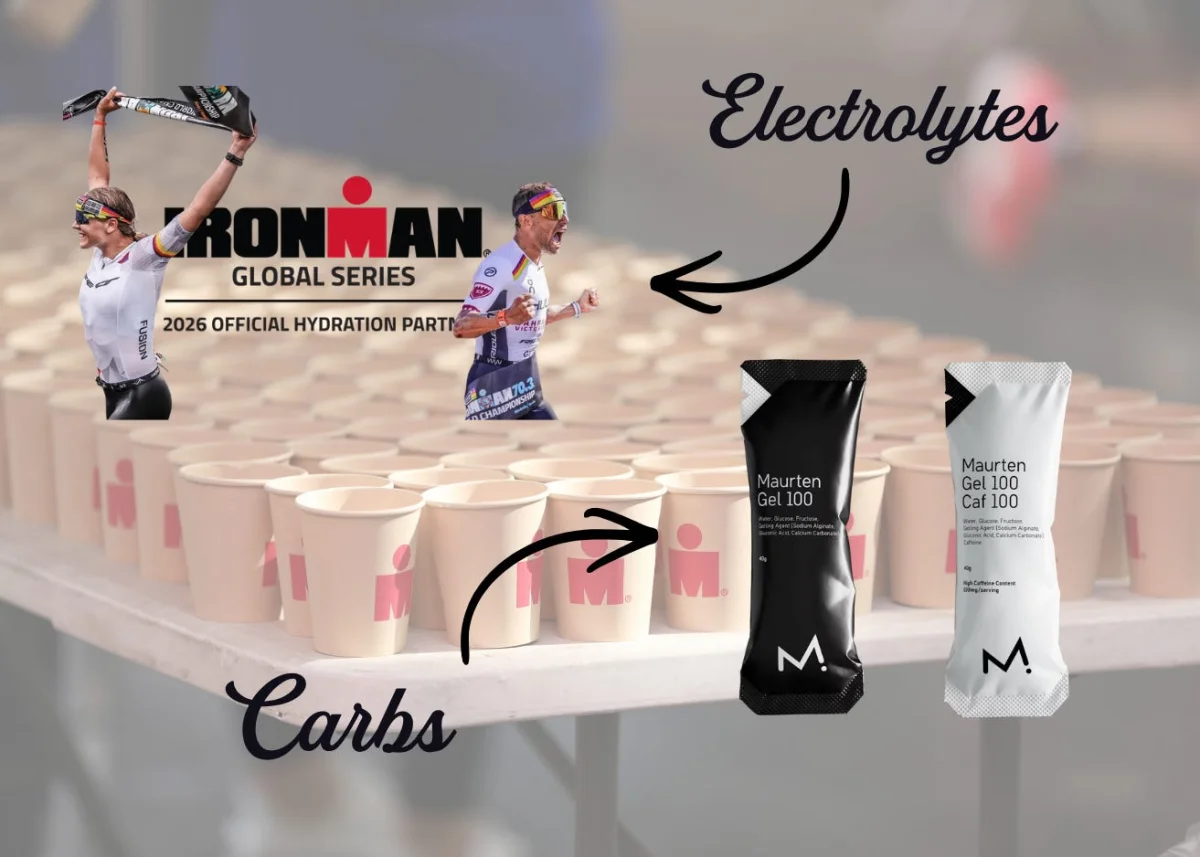
In the final 60 minutes before the race, the plan described here is to sip a sports drink containing carbohydrates and electrolytes, then take a gel 20 minutes before the start. Athletes should account for the products available at their event. At Kona, the article reports that Precision Fuel & Hydration supplies the electrolyte drink on course, while Maurten supplies the sports performance nutrition. The course drink is PH 1000, which provides 1,000 milligrams of sodium in 32 ounces. Each tablet is mixed with 16 ounces of water, so two tablets are needed to make 32 ounces at that concentration.
What Kona racers have eaten
Past professional menus show how varied a workable breakfast can be. Mirinda Carfrae has been reported to eat three slices of gluten-free toast, some with butter and Vegemite and some with strawberry jam. Sebastian Kienle described four slices of bread with sugar beet syrup, a banana and coffee. Five-time IRONMAN World Champion Daniela Ryf has said she enjoyed white bread with tahini or butter and jam; her pre-race routine has also included chicken breast and, at times, baby food, though those examples weren’t specific to Kona.
Case studies from Precision Fuel & Hydration offer more recent examples from athletes racing in Kona and at other events:
Solveig Lovseth: At the 2025 IRONMAN World Championship, which she won, Lovseth had three slices of toast, a 60-gram solid bar and 16 ounces of electrolyte drink. At the 2025 70.3 World Championship and IRONMAN Hamburg, her reported breakfast included two slices of toast with Nutella, 100 grams of white rice, 8 ounces of black coffee, 16 ounces of electrolyte drink and a 30-gram chew. Precision Fuel & Hydration case study
Jocelyn McCauley: Before the 2025 IRONMAN World Championship, she ate two cups of applesauce, two slices of toast, a banana and drank 16 ounces of electrolyte drink. Precision Fuel & Hydration case study
Fiona Moriarty: In Kona in 2024, her breakfast was rice, jam and salt, with coffee and 16 ounces of electrolyte drink. Precision Fuel & Hydration case study
Leon Chevalier: In Kona in 2024, he chose a blueberry bagel, 16 ounces of hibiscus tea, a 90-gram gel and 11 ounces of electrolyte drink. In 2022, his breakfast included banana bread, 16 ounces of electrolyte drink and 10 ounces of black tea. Precision Fuel & Hydration case study
Grace Alexander, who hasn’t raced in Kona, shared a different combination during a live club chat: “Race morning breakfast will be scrambled eggs with either rice or oatmeal, and I’ll pour maple syrup pretty much on everything, including my coffee, just to get extra sugar!”
Routines to watch this year
Past comments from athletes on the Kona start list give a sense of what might appear at breakfast, though routines can change from race to race. Lucy Charles-Barclay has described porridge, plain white toast with peanut butter, tea and coffee. Taylor Knibb reported eating 100 grams of white rice with 20 grams of Momentous protein powder at Kona in 2025.
Matt Hanson has previously eaten white bread with jam or Nutella, a banana and a small coffee; he also likes Pop Tarts. Kat Matthews has named hot rice pudding with raspberry jam, decaf tea and a banana as her usual meal. Patrick Lange, racing his final IRONMAN World Championship as a professional at age 40, is expected to favor his familiar toast with honey and jam, a banana and coffee.
Practice the whole plan
The strongest advice is to rehearse. Test breakfast, drinks and timing in training, and don’t make race day the first trial. One approach is to follow the intended race schedule across the 24 hours before a demanding weekend workout: breakfast, lunch, snack, dinner and race morning. That gives athletes a chance to assess energy and stomach comfort, then adjust before the event.
As a broad guide, the plan here calls for 100–120 grams of easily digested carbohydrates, 16–20 ounces of fluid, limited fat and fiber, moderate caffeine if it suits the athlete, a carbohydrate and electrolyte drink during the hour before the start, and a gel 20 minutes before racing. Individual needs vary, so athletes seeking a tailored plan can consult a sports dietitian, such as Marni Sumbal.
Toast, rice, porridge or a bagel can all work when the meal has been tested and fits the athlete. Choose a familiar breakfast, practice the timing and check what fuel the course provides before race morning.