Tour de France 2027: Scotland Start, 71 km of Time Trials and a Pyrenean Finale
A Scottish start and 71 km against the clock set up the 2027 Tour, with back-to-back Pyrenean stages poised to shape the final battle.
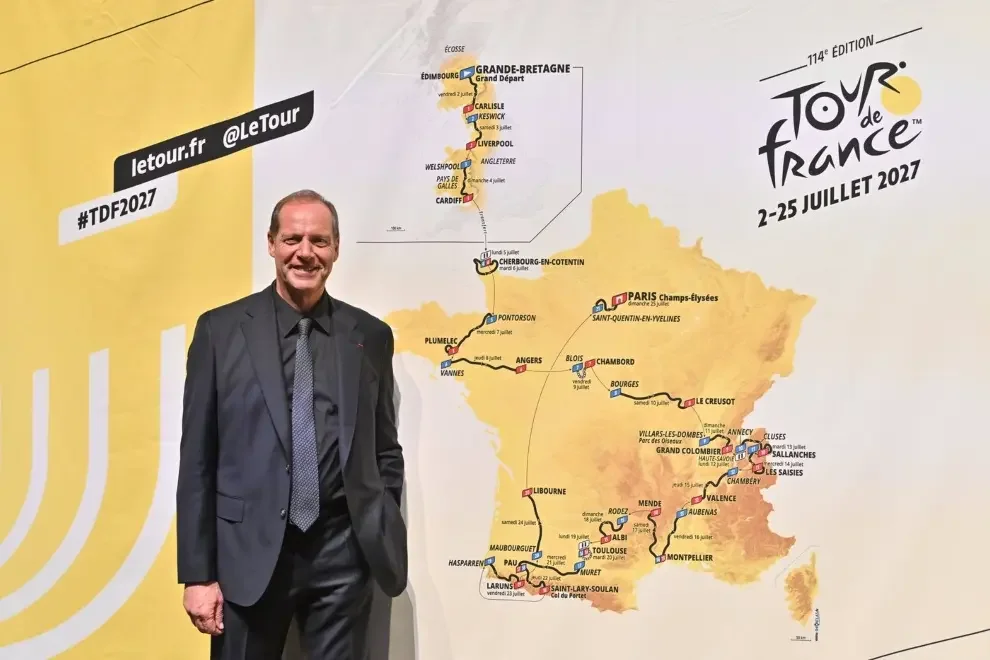
The 2027 Tour de France gives contenders more than one way to build an advantage: 71 kilometres of individual time trialling, major mountain tests across several ranges and two demanding Pyrenean stages late in the race. That mix could keep the general classification in play deep into the final week, while making versatility and recovery as important as peak climbing form.
The 114th edition runs from July 2 to 25, covering 3,479 kilometres over 21 stages and about 53,450 metres of climbing. It begins in Edinburgh, the first Scottish start in Tour history, and finishes in Paris. The route was unveiled in Paris on Thursday, October 22.
Three opening stages across Britain
Edinburgh hosts the start on Friday, July 2. Stage 1 covers 185 kilometres to Carlisle, followed by a ride from Keswick to Liverpool and then a stage from Welshpool to Cardiff. The first three days are likely to offer chances to sprinters and Classics specialists, but the terrain grows more demanding, particularly in Wales. That could make the opening less straightforward for riders hoping to keep the overall standings quiet.
The first rest day falls on July 5, before the race transfers to France. The Scottish start gives the Tour a historic opening and places a long run of racing on British roads before the French stages begin.
Two long efforts against the clock
The 71 kilometres of individual time trialling are the most in a Tour since 2012. Stage 7 is a 38-kilometre test from Blois to Chambord; stage 16 brings a 33-kilometre effort around Toulouse. Those distances give riders who excel against the clock a meaningful chance to gain time before the hardest climbing arrives.
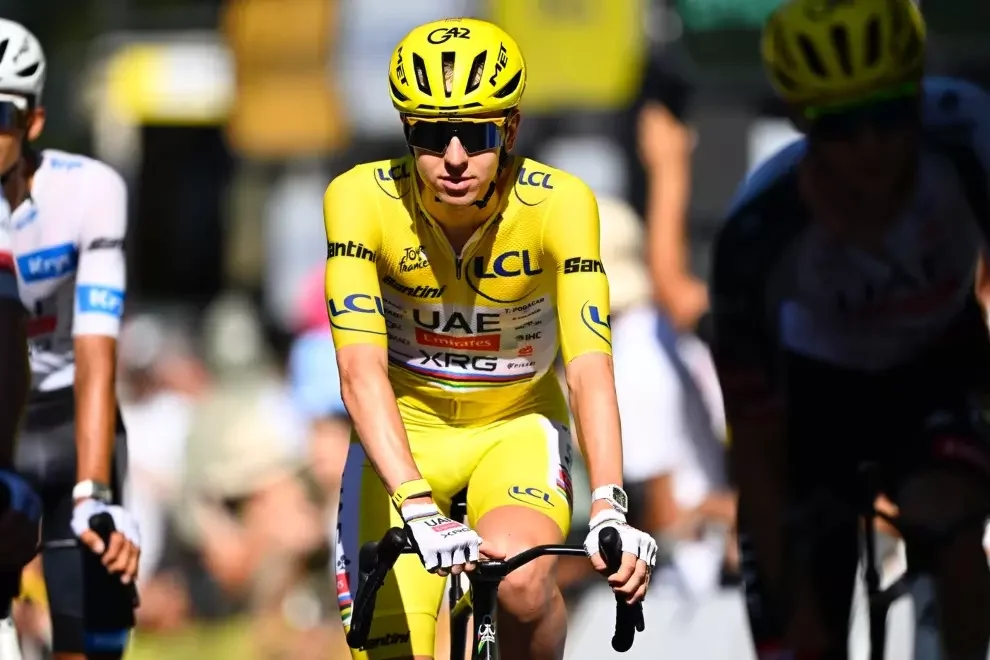
Remco Evenepoel’s time trialling makes him a natural beneficiary on paper. Two substantial efforts give him room to put pressure on rivals who are less comfortable racing alone against the clock. Tadej Pogačar has shown strength in both time trials and the mountains, though, so the added distance need not work against him. Riders who lose time in these stages will need to find opportunities to claw it back on climbs.
The first mountain tests build toward the final week
The first summit finish comes on stage 9 at the Grand Colombier. After the second rest day, the race moves into the Alps: stage 10 runs from Annecy to Sallanches, and stage 11 finishes at Les Saisies on Bastille Day. Stage 14 then concludes in Mende, in the Massif Central.
These stages should begin to sort the leading contenders, but the route leaves significant tests for later. Riders and teams will have to balance their efforts across the Alps and Massif Central while keeping an eye on the Toulouse time trial and the final Pyrenean block. A strong first half may establish a position, but it won’t settle the race by itself.
Two Pyrenean stages could settle the contest
The toughest sequence arrives in the final week. Stage 18 travels 174 kilometres from Pau to the Col du Portet, with about 5,400 metres of climbing. It includes the Col du Tourmalet and ends above 2,200 metres in altitude. The combination makes this the route’s likely queen stage: a long day in the mountains ending high, with little room to hide if a contender is struggling.
Stage 19 offers another substantial challenge straight away. Its 160 kilometres from Hasparren to Laruns include about 4,300 metres of climbing. Together, the stages could decide the overall race, especially if the standings remain close after the time trial around Toulouse.
Their late placement raises the stakes around fatigue, team support and recovery. A rider who has looked strongest through the first two weeks may still face a demanding test in the closing days. For challengers, these consecutive stages offer a chance to put sustained pressure on the race leader; for leaders, they demand strength across both days rather than a single standout performance.
Different contenders, different routes to time
Pogačar is aiming for a sixth Tour victory. His climbing and time trialling give him tools for both types of terrain, and the mountain stages appear to suit his aggressive approach. Jonas Vingegaard could look to the sustained climbing in the final week, where measured pacing and energy management across the three weeks may prove decisive.
Evenepoel’s time trialling is a clear asset, but the Col du Portet and Laruns stages will ask him to contend with the best climbers late in the race. France’s Paul Seixas is another rider likely to draw attention as a member of the country’s emerging generation of potential contenders.
The route offers several possible moments to take time, from the first long time trial to the late Pyrenean double. That should reward riders who can adapt their tactics as the race changes, while placing a premium on form that lasts beyond a single discipline. With the course set, teams can now shape their July preparations around the specific demands of Scotland, the time trials and a punishing final mountain sequence.
Read more about the Tour de France 2027 route at Škoda We Love Cycling.