Fly-by-Wire Steering Brings Easier Control to Large Outboard Boats
All-electric steering removes hydraulic lines and eases wheel effort on multi-outboard boats, with factory and retrofit options across major brands.
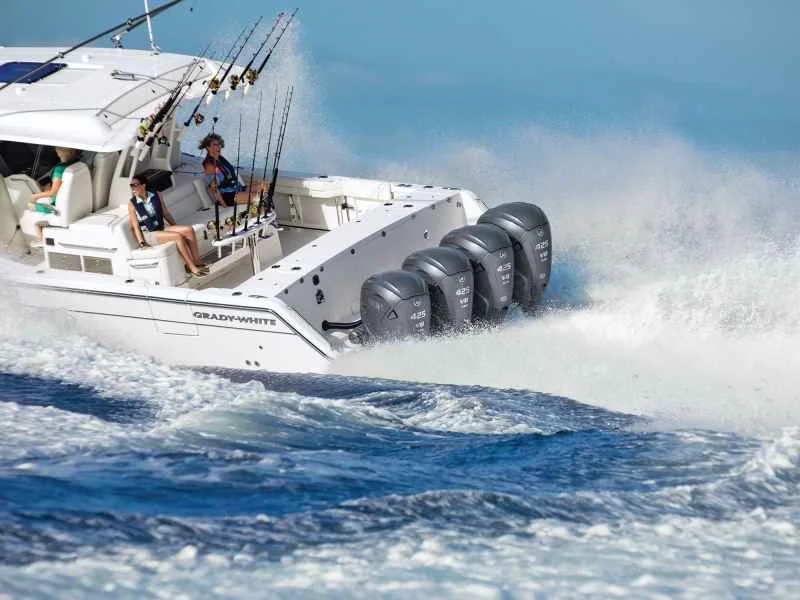
On a large outboard boat, steering effort can shape the whole experience: a long run at speed, a slow approach to the dock, or a tight maneuver with several engines all ask something different of the helm. Fly-by-wire systems address that challenge with electric motors at the engines, replacing the hydraulic components used in many traditional setups. The result is responsive steering with less effort, especially when multiple high-horsepower outboards are involved.
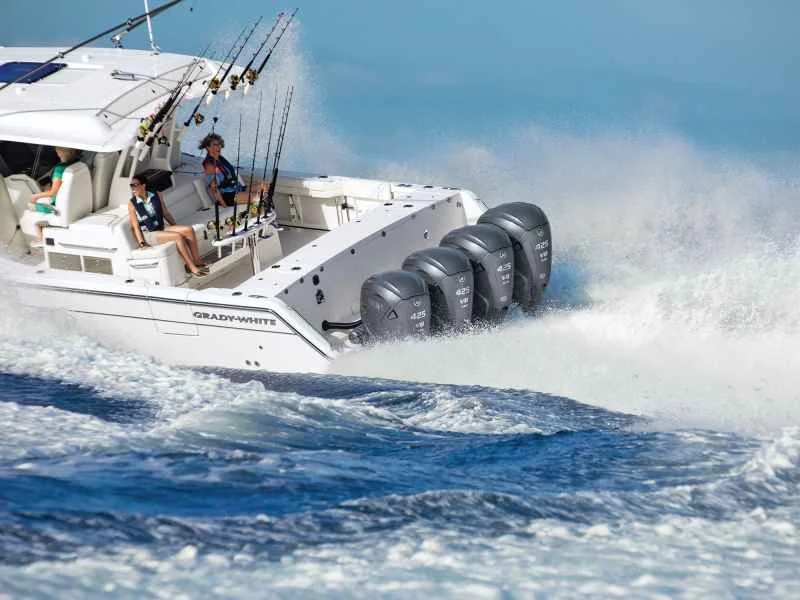
Hydraulic steering changed outboard control more than 40 years ago, particularly on saltwater fishing boats with engines rated at 150 horsepower or more. Compared with older cable steering, it reduced the prop-torque feedback that could pull the wheel sharply when a driver let go. That made large single- and twin-engine boats easier to handle and reduced the strain of fighting the helm.
Electric steering is the next step. Some new outboards now include it as factory equipment, and aftermarket systems can bring it to many existing motors. The distinction matters: power-assist systems still use hydraulic fluid, while fly-by-wire steering does away with hydraulics. For example, Dometic’s Optimus EPS uses an electric pump to send fluid to a hydraulic actuator as the wheel turns. A fully electric system instead uses an electric actuator to steer the engine directly.
What makes the systems work
Compact brushless DC motors provide the speed, torque and efficiency that make all-electric steering practical. The brushless motor in Dometic’s electric actuator measures 4 by 2 inches. The technology has roots in the automotive industry, but marine systems need to handle the heavy steering loads created by powerful outboards and operate reliably in the marine environment.
Removing pumps, hoses and fluid also means there’s no steering-fluid leak to contend with and less equipment around the transom. How the system behaves at the wheel varies by brand. Yamaha, for instance, adjusts steering resistance and the number of turns from lock to lock according to boat speed. These details can affect both high-speed control and close-quarters handling.
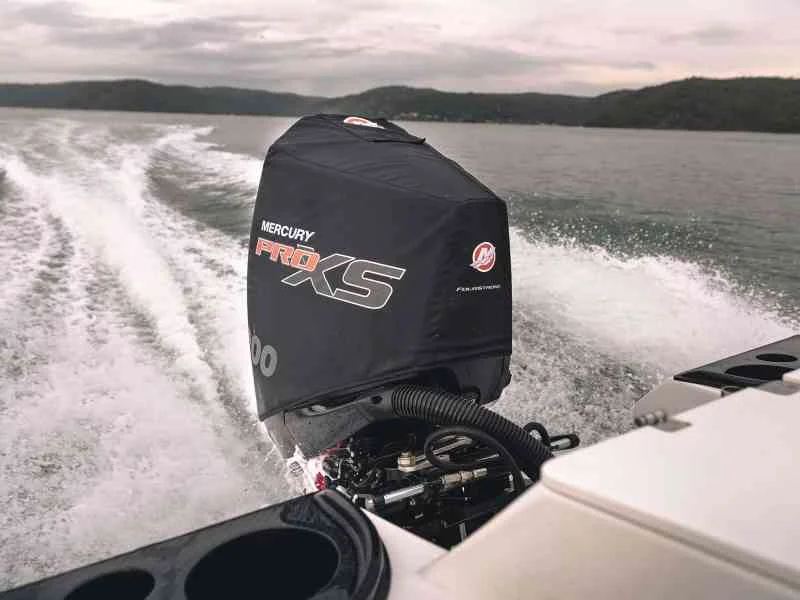
Dometic: retrofit choices and controls
Dometic’s Optimus outboard electric steering can be added to existing outboards from virtually any brand. The system pairs an electric actuator with a matching helm, and a qualified dealer can install it. Its speed-sensitive lock-to-lock turns are designed to support safe steering at different boat speeds.
Optimus also works with Dometic’s SeaWays autopilot, Optimus 360 joystick control and SeaStation GPS virtual anchoring system. That integration gives owners a way to bring electric steering into a broader control setup.
For a different group of boats, Dometic makes Xtreme Power Assist, or XPA. It’s designed for single outboards rated from 90 to 150 horsepower that use cable steering. The system uses a compact brushless motor with compatible SeaStar rack or rotary cable steering, reducing the effort needed at the wheel whether the boat is idling or underway. Dometic says XPA doesn’t add load to the mechanical helm or steering cable, and describes installation as suitable for do-it-yourselfers.
Factory systems from Mercury and Yamaha
Mercury’s electric steering connects an engine-mounted actuator to the helm by wiring harness. It’s available on select V-8 and V-10 outboards and comes standard on models equipped with Mercury Joystick Piloting for Outboard. The system removes pumps, hoses and steering fluid while providing steering support for both cruising and low-speed maneuvering.
The Verado 600-horsepower V-12 has a distinctive arrangement. Rather than pivoting the entire outboard when the helm turns, its steering moves an independently rotating gearcase. The lower unit, which carries contra-rotating propellers, turns while the engine itself stays in place.
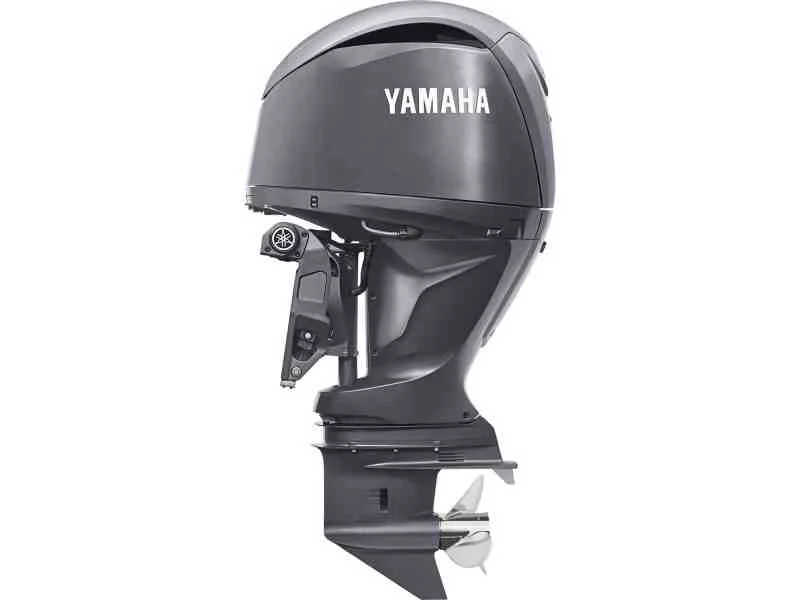
Yamaha was among the first outboard brands to offer all-electric steering as original equipment. Its Digital Electric Steering, or DES, is built into outboards from 225 to 450 horsepower. An external bolt-on version can control Yamaha outboards from 150 to 350 horsepower.
DES varies wheel resistance and lock-to-lock turns with boat speed: as speed rises, so do resistance and the number of turns. It uses no battery power while the wheel is stationary, according to the source, and connects with Yamaha’s Helm Master EX features, including autopilot and joystick maneuvering.
Aftermarket options for Suzuki and Honda
Suzuki doesn’t currently offer integrated electric steering, though the source reports that the company is working on it. Many Suzuki outboards can use aftermarket systems such as Dometic Optimus. On the flagship V-6 DF300BMD and DF350AMD, Suzuki’s clamp-bracket design reduces or eliminates interference between the transom splashwell and aftermarket steering actuators, whether electric or hydraulic.
Honda also hasn’t introduced factory all-electric steering. Its higher-horsepower models can be fitted with Dometic Optimus by a qualified dealer, while XPA provides an option for Honda outboards up to 150 horsepower. For owners considering a retrofit or a new boat, the useful comparison is the engine’s horsepower, steering type, intended controls and installation requirements.
Fly-by-wire steering is expanding the choices for anglers who want easier helm control and cleaner rigging. The right setup depends on the outboard and the boat’s existing systems; matching those details is the practical first step before choosing a factory or aftermarket option.
Read Next: One Outboard or Two?