Flats Fishing Charter Etiquette: Five Ways to Help Your Day on the Water
Honest skill reports, a light gear load and respect for the captain’s rules help keep a flats charter focused on fishing.
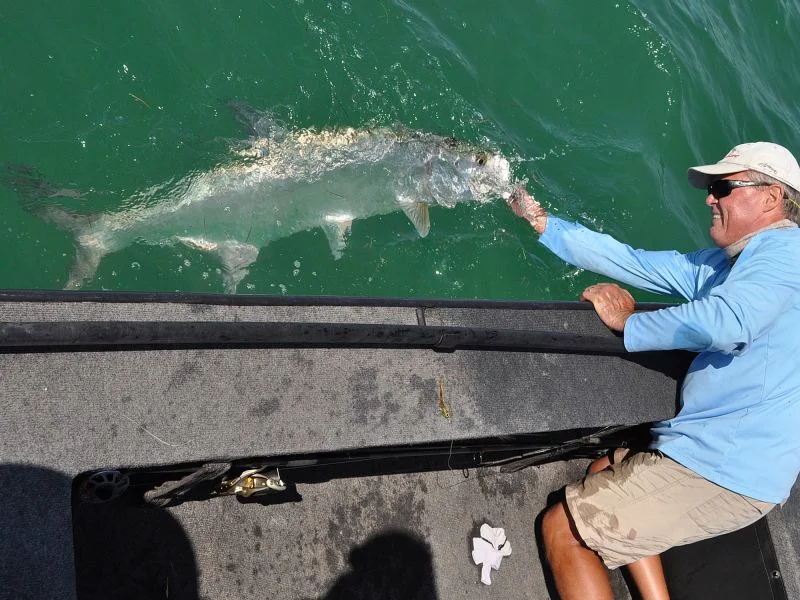
A flats charter runs best when the captain can focus on finding fish and anglers arrive ready to fish. A retired flats guide’s five reminders cover the decisions that shape the day before and after the skiff leaves the dock: be candid about experience, pack lightly, arrive rested, respect the captain’s boundaries and mention any guide in your party.
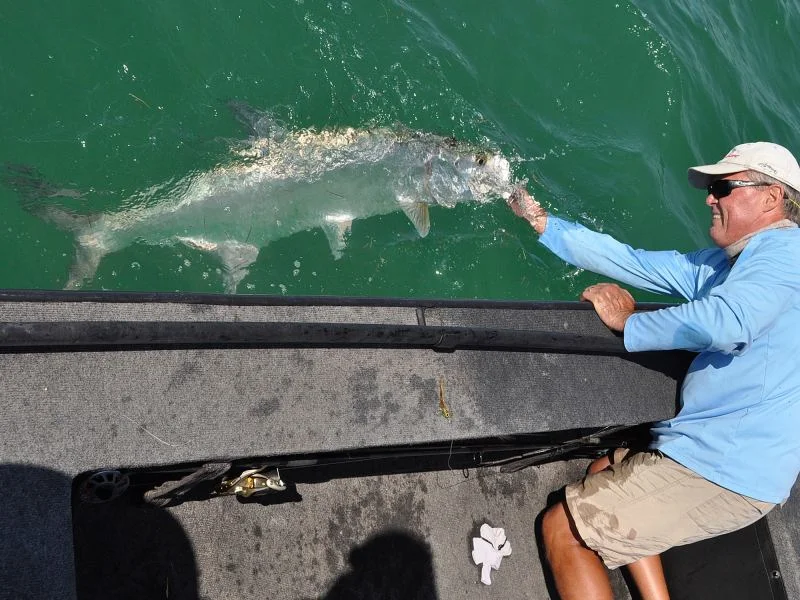
Give the captain an honest read on your skills
Talk plainly about everyone’s experience when you first contact the captain. Flats trips often involve sight fishing for redfish, permit, bonefish, tarpon or stripers. A captain uses your description of your casting and fish-spotting skills to plan the day. If you’ve never fly-fished, say so. The guide can look for more forgiving opportunities or, in some cases, chum fish closer to the boat.
That early conversation matters especially when two anglers have very different abilities. The retired guide recalls many trips pairing a capable fly fisher with a companion who had little experience with either fly or spinning tackle. It can be harder still when the stronger angler asks the captain to give most of the bow time to the less experienced partner. Sharing that intention ahead of time gives the guide a chance to plan around both anglers’ needs.
Bring the friend, spouse or colleague who’s new to fishing if you like; just make sure the captain knows what each person can do. Accurate expectations give the guide a better chance of choosing suitable fish and dividing opportunities fairly.
Pack for a working skiff
Ask what tackle the captain wants you to bring. Guides who know their local flats usually have suitable gear ready, and may welcome one or two favorite rods. A pile of rod tubes or unrigged spinning outfits can eat into fishing time while the captain sorts through equipment. The aim is to reach the flats ready to pole, rather than spend the morning preparing tackle.
The same goes for flies and lures. Local conditions and target species shape what’s useful, while a technical poling skiff has limited room for storage. Leave the oversized tackle bag and gear that doesn’t fit the trip at home. Discuss any special equipment with the captain before packing it.
One couple once arrived with a five-foot hard case, several changes of clothes, extensive camera and video equipment, snorkels, fins and a large supply of water. The guide’s advice is simple: ask what the boat can carry, then travel light. A tidy deck leaves more room to move and helps the captain get underway without sorting through extra baggage.
Show up rested, hydrated and clear-headed
A day on the bow demands attention and stamina, particularly in summer heat. Arriving drunk, badly hungover or short on sleep can make it difficult to fish well and can turn a long day into an uncomfortable one. Plan the night before so you’re fit to stand, watch for fish and follow the captain’s instructions.
Confirm what drinks the captain provides. Guides commonly bring plenty of water, but it’s smart to check before departure and bring any agreed extras. Alcohol rules vary: some captains permit a small amount, while others prohibit it. Ask in advance and follow the boat’s policy. Sneaking drinks aboard puts the captain in a difficult position and can end the trip.
The guide recalls asking two clients to limit themselves to six beers between them on a six-hour trip in Everglades National Park. They arrived with more than 15 beers, then later produced rum and limes after releasing an 80-pound tarpon on fly. The captain ended the outing and returned them to the ramp. The point isn’t complicated: a catch doesn’t cancel the rules, and a charter fee doesn’t give anglers the right to overrule the person responsible for the boat.
Keep fishing spots private
Captains may guard productive locations because years of local knowledge go into finding and approaching fish. Don’t bring a handheld GPS to record coordinates, film boat runs between spots or ask the guide to mark up your paper chart. Some captains may choose to share locations, but don’t assume that access to the skiff means access to a map of their fishing grounds.
Follow the captain’s directions about photos, too. A guide may ask you to take grip-and-grin pictures against a background that doesn’t identify the spot. Respecting that request protects the captain’s work and keeps the focus on the fish rather than where it was caught.
Tell the captain if another guide is coming
Bringing a fishing guide as your companion can change the dynamic onboard, even if that person works in another state. The captain may feel watched or judged, and could choose to keep especially valued spots off the itinerary. Let the captain know before the trip and give them the choice to decide whether the arrangement works.
Clear communication, modest packing and respect for the captain’s boat and local knowledge can make the day smoother for everyone. Set expectations before launch, then leave the captain free to concentrate on finding fish.