North Carolina Coastal Fisheries Case Moves Toward Remedy Phase
A judge found North Carolina failed to protect its coastal fisheries. The state’s appeal delays the next phase, which will address possible remedies.
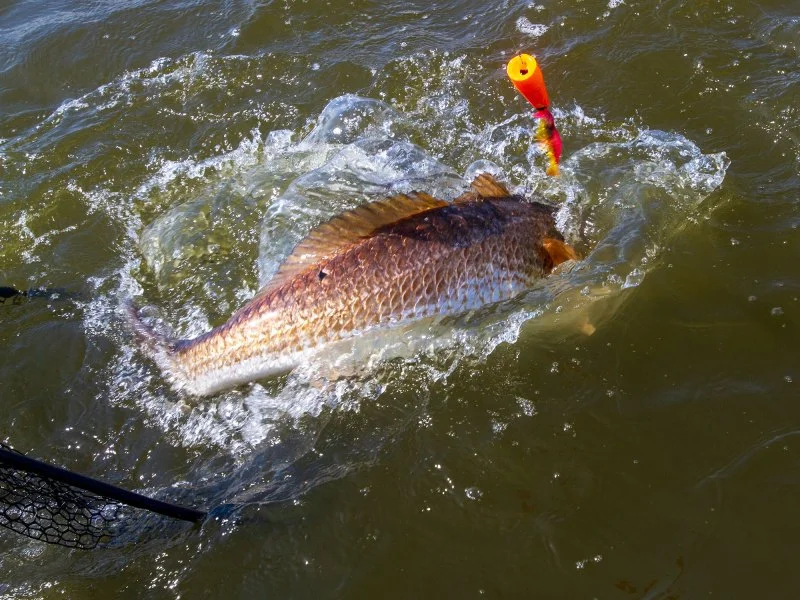
Wake County Superior Court Judge Bryan Collins found that North Carolina failed to protect the state’s fisheries for its citizens. Photo: Doug Olander
North Carolina’s coastal fisheries have yet to reach the remedy phase of a case brought by fishing advocates and 86 individual residents. The state appealed in September after Wake County Superior Court Judge Bryan Collins ruled in August that it had failed to meet its duty to protect those fisheries. The appeal puts the next step on hold while the case proceeds.
The ruling followed a six-week trial and a 190-page decision. Collins found that North Carolina had breached obligations connected to the public-trust doctrine and the state constitution. The upcoming remedy phase is where the case will turn from whether the state failed in its responsibilities to what action should follow. The source article does not describe a proposed remedy or give a timetable for that phase.
Data at the center of the dispute
The state argued that the plaintiffs could not prove their claims because key fisheries data was missing. Collins rejected that reasoning. He wrote that collecting adequate data was part of the state’s responsibility to manage public-trust fish, and that gaps in the record pointed to management failures rather than a failure by the plaintiffs to produce evidence.
That finding gives data collection a central place in the case. Fisheries management depends on information about fish populations and fishing activity; when records are incomplete, it becomes harder to assess what is happening and whether management choices are working. Collins’s ruling, as described in the decision, treats those gaps as part of the problem before the court, not simply as an obstacle to evaluating the plaintiffs’ claims.
The ruling doesn’t itself lay out changes to fishing practices or management. Those questions remain for the next phase. For anglers and others who depend on healthy coastal fisheries, the distinction matters: the decision identifies a failure, while the case has not yet established what measures will address it.
Claims about fishing practices
The original complaint, filed in 2020 by the Coastal Conservation Association of North Carolina (CCA N.C.) and 86 individual plaintiffs, alleged decades of mismanagement, chronic overfishing and waste of fish resources. It tied those concerns to the state’s allowance of shrimp trawling, unattended gill netting and a lack of commercial reporting.
Those allegations describe the plaintiffs’ case; the article does not provide measurements of fish populations or detail the effects of each practice. The court’s reported finding focused on the state’s duty and the evidence presented at trial, including the lack of adequate data. Keeping those points distinct helps clarify what the ruling establishes and what still needs to be addressed in the remedy phase.
CCA N.C. described Collins’s decision as a major win for the state’s fisheries and anglers. Executive Director David Sneed said the group was disappointed that the state had appealed instead of concentrating on the problems identified at trial and practical, science-based solutions. He also said the appeal did not change the need to act and that residents had waited long enough for progress.
Appeal delays the next step
In its one-paragraph notice, the state’s lawyers argued that the ruling affected a substantial right that could be lost or inadequately preserved without an immediate appeal. CCA N.C. called the appeal meritless and procedurally improper. Those are the parties’ opposing positions; the source article gives no decision on the appeal’s merits or its likely timing.
The pause leaves the practical question unresolved: what changes, if any, will follow the court’s finding? Sneed called for the public, scientific community and fisheries managers to work together on restoration for current residents and future generations. That appeal for cooperation points to the broader challenge ahead: a remedy will need to respond to the court’s findings and support sound fisheries management.
For now, the most concrete takeaway is the court’s finding about the state’s responsibility to protect coastal fisheries and collect the information needed to manage them. The remedy phase remains the point to watch for specific next steps. Read next: Recreational Fishing as a Catalyst for Conservation
The post North Carolina Fails to Protect Fisheries appeared first on Salt Water Sportsman.