Five Ultralight Expedition Backpacks for Winter Trips and Heavy Gear
Compare five high-volume packs by weight, capacity and carry style, from the 25.1-ounce Arc Pro 70 to the 85-liter Porter.
Latest stories
Compare five high-volume packs by weight, capacity and carry style, from the 25.1-ounce Arc Pro 70 to the 85-liter Porter.
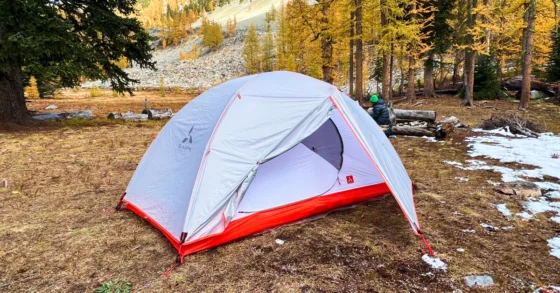
Compare eight shelters by weight, space and storm protection, then match your tent choice to the forecast and exposure of your trip.
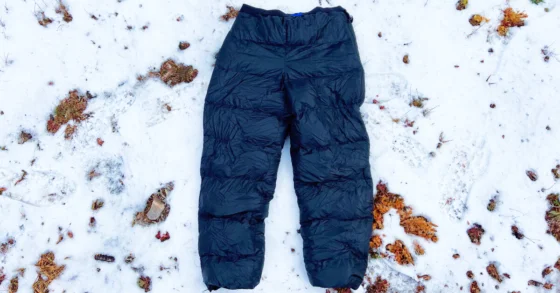
Compare down pants by warmth, weight and use, from ultralight camp layers to insulated snow pants for deep winter.
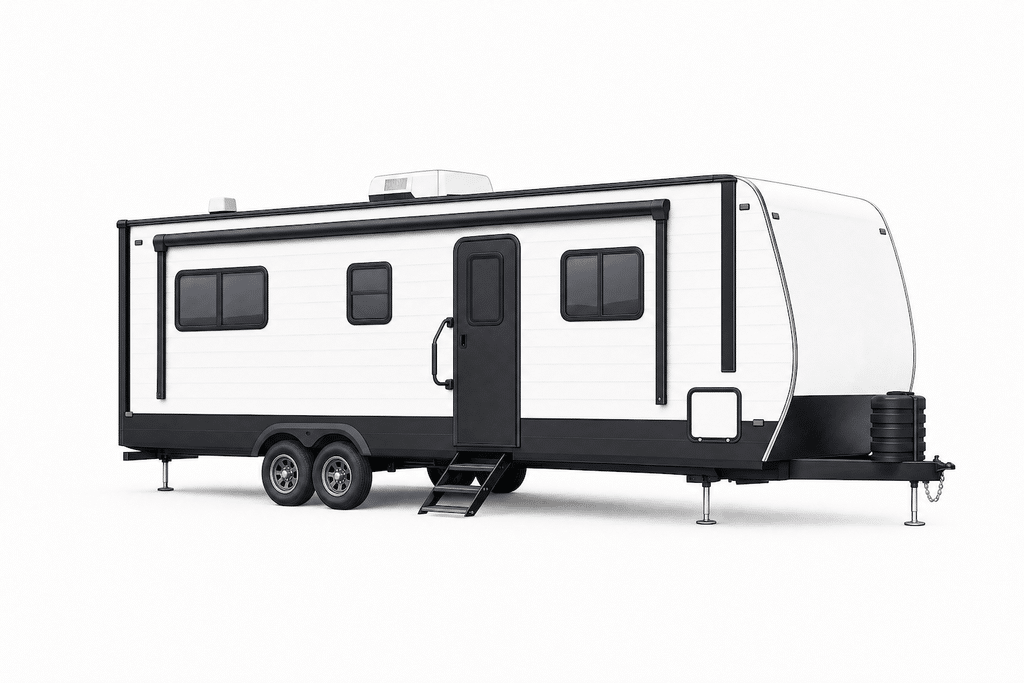
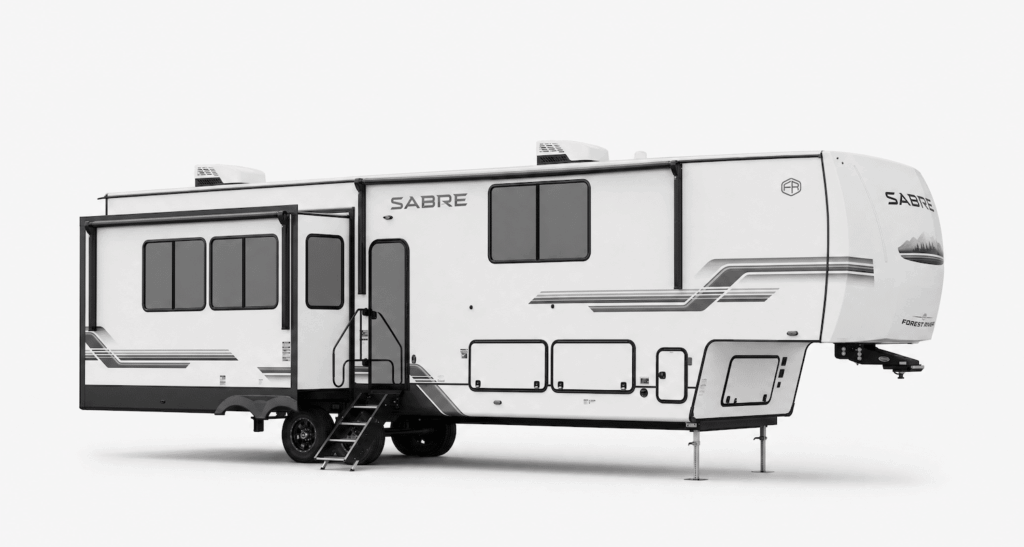
Compare trailer and motorhome costs, driving, setup and space to find the RV that fits your travel style and plans.
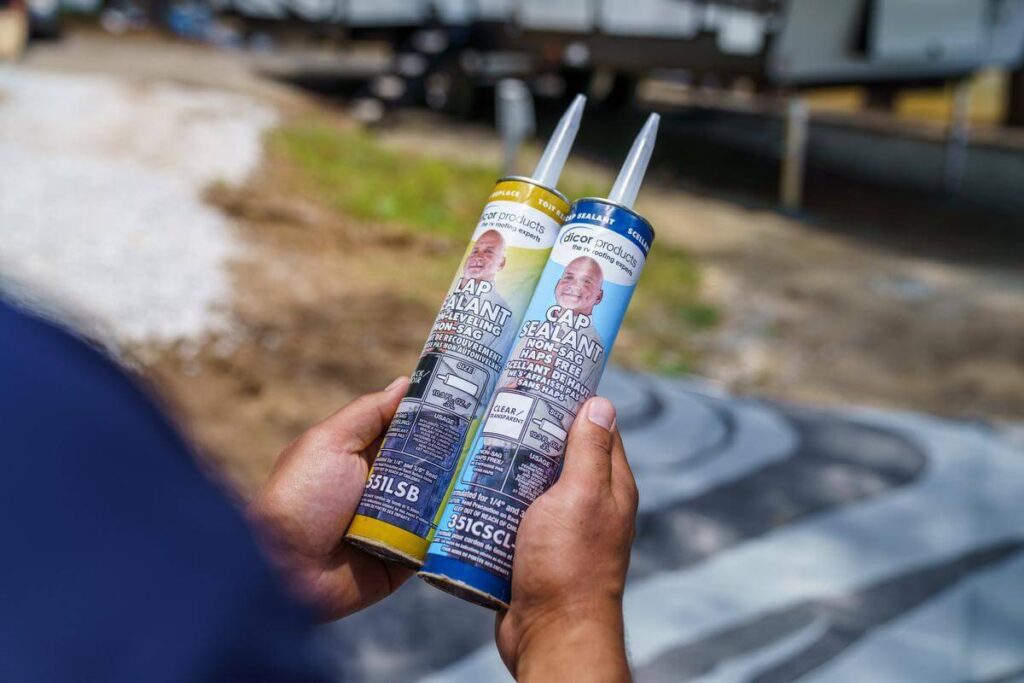
Choose sealant for the surface, inspect seams regularly and keep window drains clear. Learn when a touch-up is enough and when a repair needs a technician.
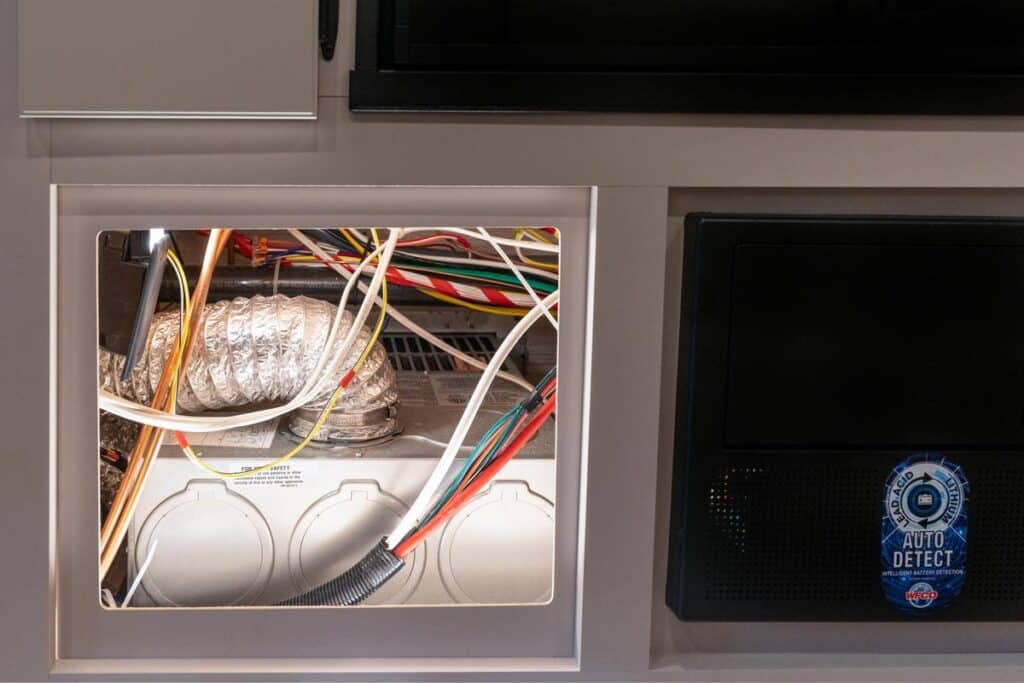
Trace a cold RV furnace through power, propane and airflow checks, and learn when ignition faults or alarm signals call for a technician.
A breathable RV cover can guard against sun, snow and debris. Weigh the storage conditions, upkeep and alternatives before choosing one.
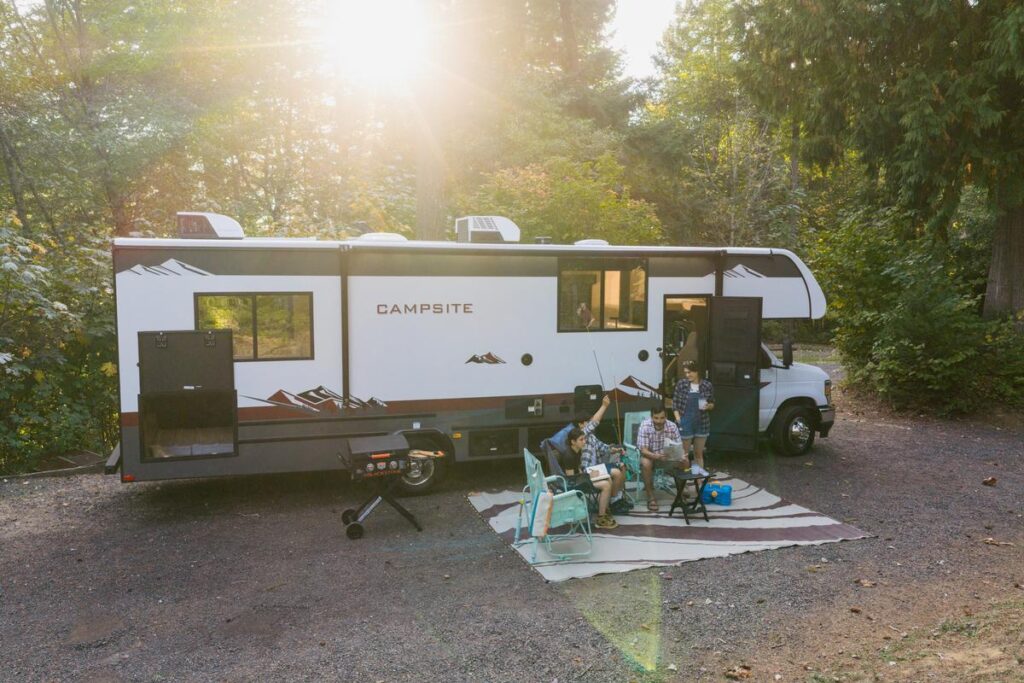
Compare 11 small Class C motorhomes from 20’4″ to 27’1″, with layouts for couples, families and gear-heavy trips.
Most single-part RV furnace repairs run $150 to $800. Access, labor and parts availability shape the bill, especially on older units.
Test the furnace before cold-weather trips, clear vents and airflow paths, and leave burner and combustion checks to a qualified RV technician.
Compare RV layouts for holiday guests, from private suites to family bunkhouses, plus practical advice on parking, power, cold weather and comfort.
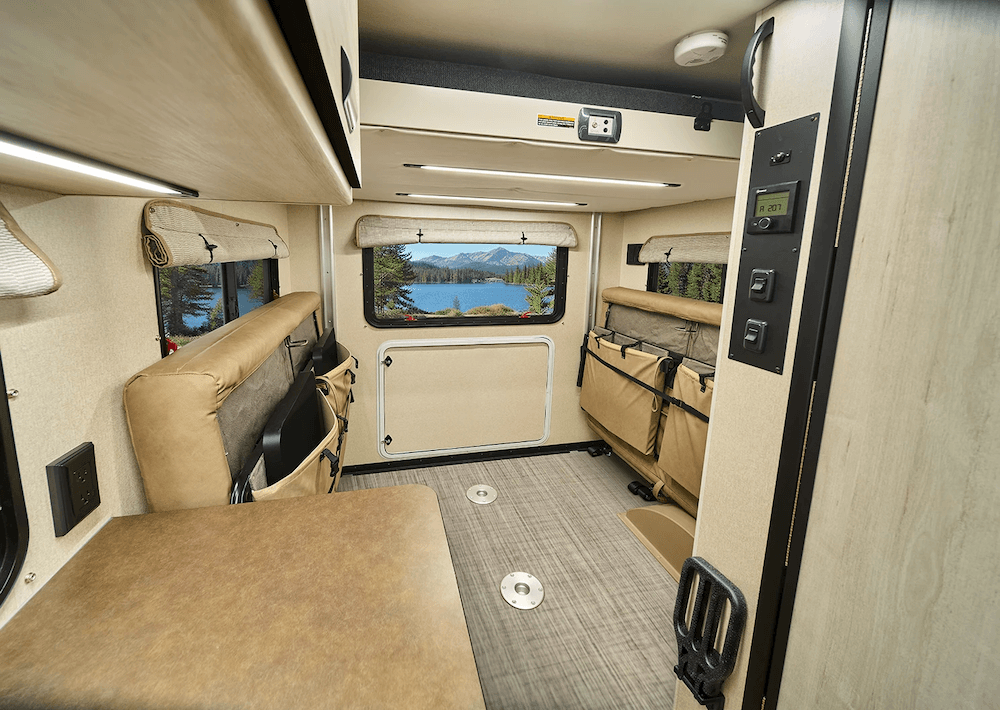
Class C motorhomes pair family-friendly sleeping space with easier driving. Compare seat belts, length, costs and floor plans before choosing.
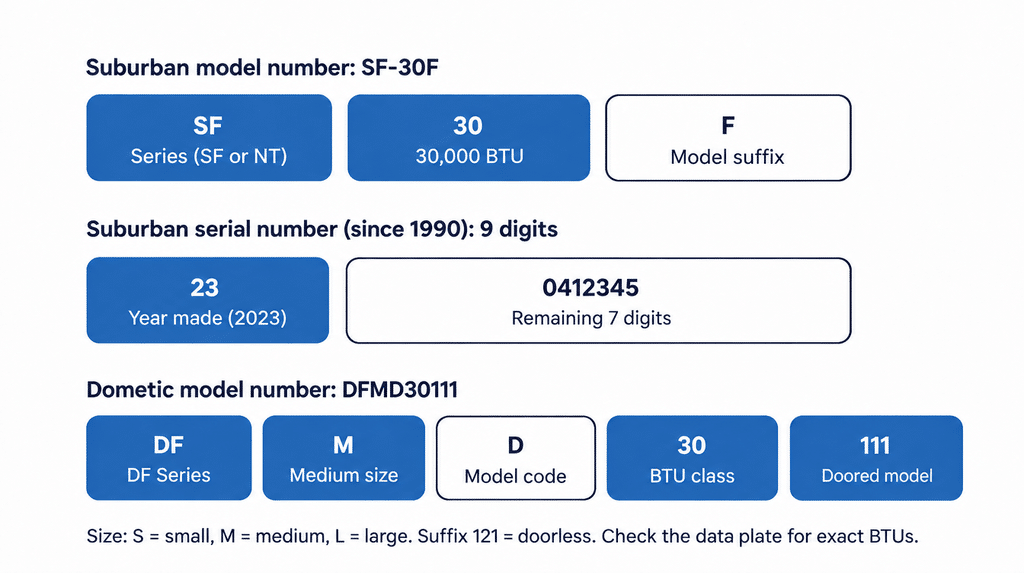
Identify your RV furnace, read its warning signs and check model specific service details before attempting a repair.
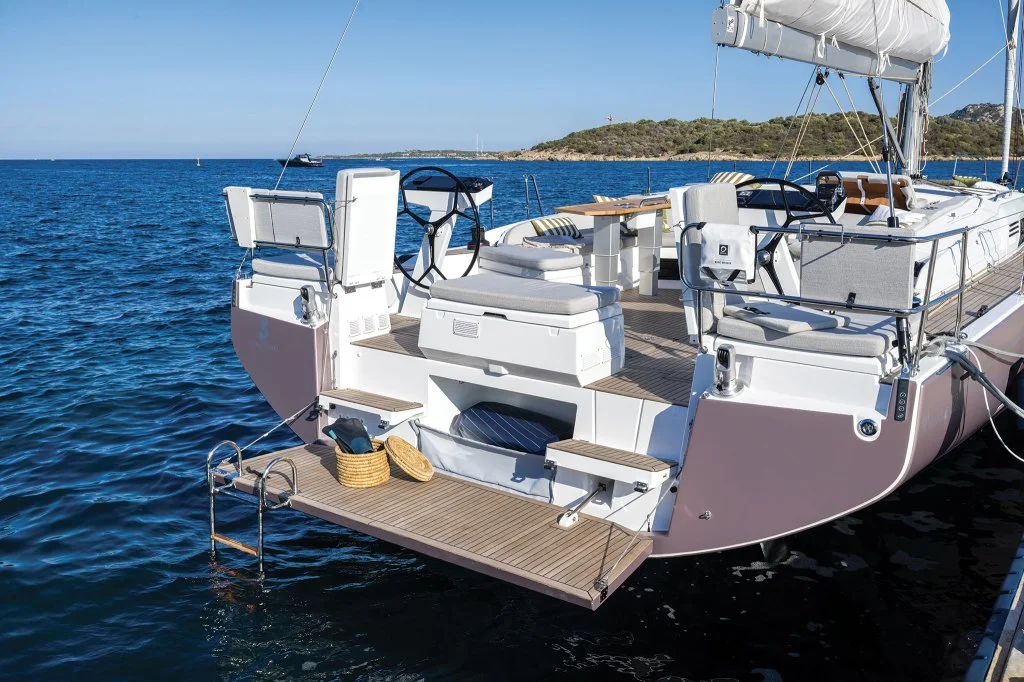
The Oceanis 52 pairs brisk sailing with a roomy cockpit and flexible cabins, with details that matter for both coastal cruising and longer trips.
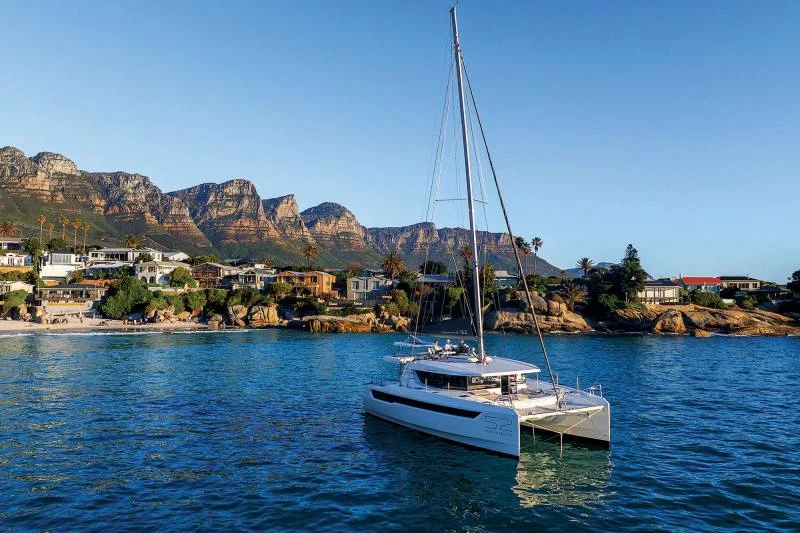
The Leopard 52 handled 18–22-knot Chesapeake Bay winds at speed, with a bigger rig, flexible cabin plans and optional hybrid propulsion.
A rainy Newport sail revealed the 455’s roomy interior, practical storage and easy handling, with a nine-knot reach under main and genoa.
The 1160XL handled steep seas and a 19-knot surf during a demanding test sail, while its revised bows and practical cabin layout stood out.
Two years after abandoning a damaged boat, a sailor returns to Bermuda with old friends, rough seas, light winds and no storybook ending.
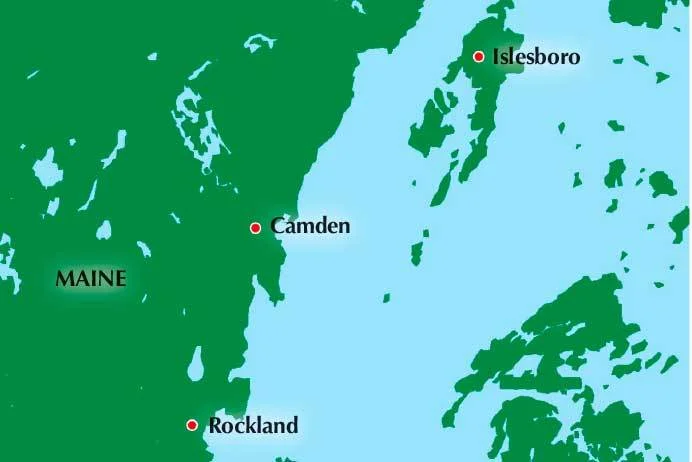
Islesboro sailors train with mainland teams in Rockland Harbor, where shared practice builds racing skill, confidence and lasting ties.
The Leopard 52 pairs a three-stateroom liveaboard plan with optional hybrid power and a flybridge built for sailing and lounging.